HC Large Pendulum Mill vs Traditional Raymond Mill: Key Differences Explained
Introduction: The Evolution of Pendulum Mills
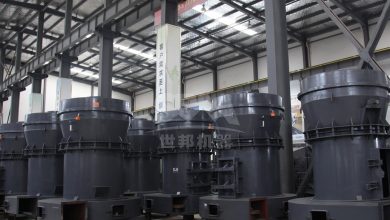
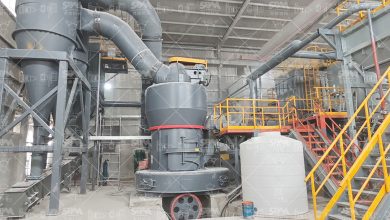
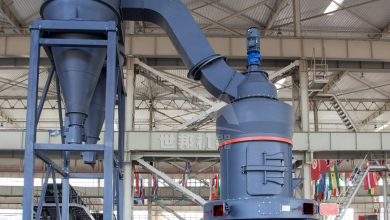
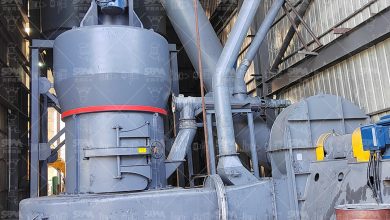
In the world of industrial mineral processing, the pendulum mill has long been a workhorse for grinding non-metallic ores. The traditional Raymond mill, introduced over a century ago, set the standard for medium-fine powder production. However, as industries demand higher capacity, lower energy consumption, and finer product quality, the HC Large Pendulum Mill has emerged as a revolutionary upgrade. This article provides a professional, in-depth comparison between the HC Large Pendulum Mill and the traditional Raymond mill, highlighting key technological differences and operational advantages.
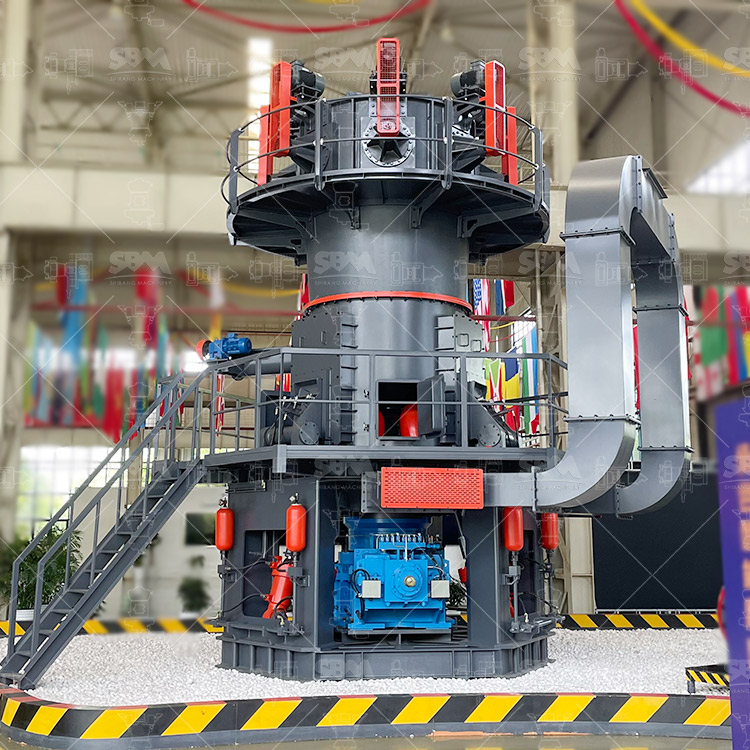
1. Capacity and Throughput: The Most Striking Difference
The most immediate difference between the HC Large Pendulum Mill and a traditional Raymond mill is single-unit capacity. Traditional Raymond mills, such as the 4R or 5R series, typically max out at around 9 tons per hour for grinding limestone to 200 mesh (75μm). In contrast, the HC Large Pendulum Mill series can achieve capacities ranging from 15 to 45 tons per hour (as seen in models like the MTW215G and MRN218 from our advanced MR series). This dramatic increase is due to a larger grinding ring diameter, a wider grinding roller surface, and an optimized shovel design that throws more material into the grinding zone per revolution.
For bulk processors handling calcium carbonate, barite, or dolomite, this higher throughput directly translates to fewer machines required for the same output, reducing capital investment and floor space.
2. Grinding Principle and Mechanical Design
Both the HC Large Pendulum Mill and the traditional Raymond mill operate on the centrifugal pendulum principle. The grinding roller swings outward under centrifugal force, pressing against the stationary grinding ring to crush material. However, key mechanical differences set them apart:
- Roller and Ring Geometry: Traditional Raymond mills use vertical rollers and a horizontal ring. The HC mill, in models like our MRN158 and MRN198, employs an optimized curved grinding path, which improves grinding efficiency by creating a more effective material bed.
- Lubrication System: While many traditional mills rely on grease or simple oil splash lubrication, the HC series introduces thin oil lubrication technology. This ensures continuous, maintenance-free operation of the main shaft and roller bearings, drastically reducing downtime.
- Main Shaft Support: The HC mill utilizes a larger-diameter main shaft and heavy-duty bearing support, eliminating the common problem of main shaft breakage seen in older Raymond mills under heavy loads.
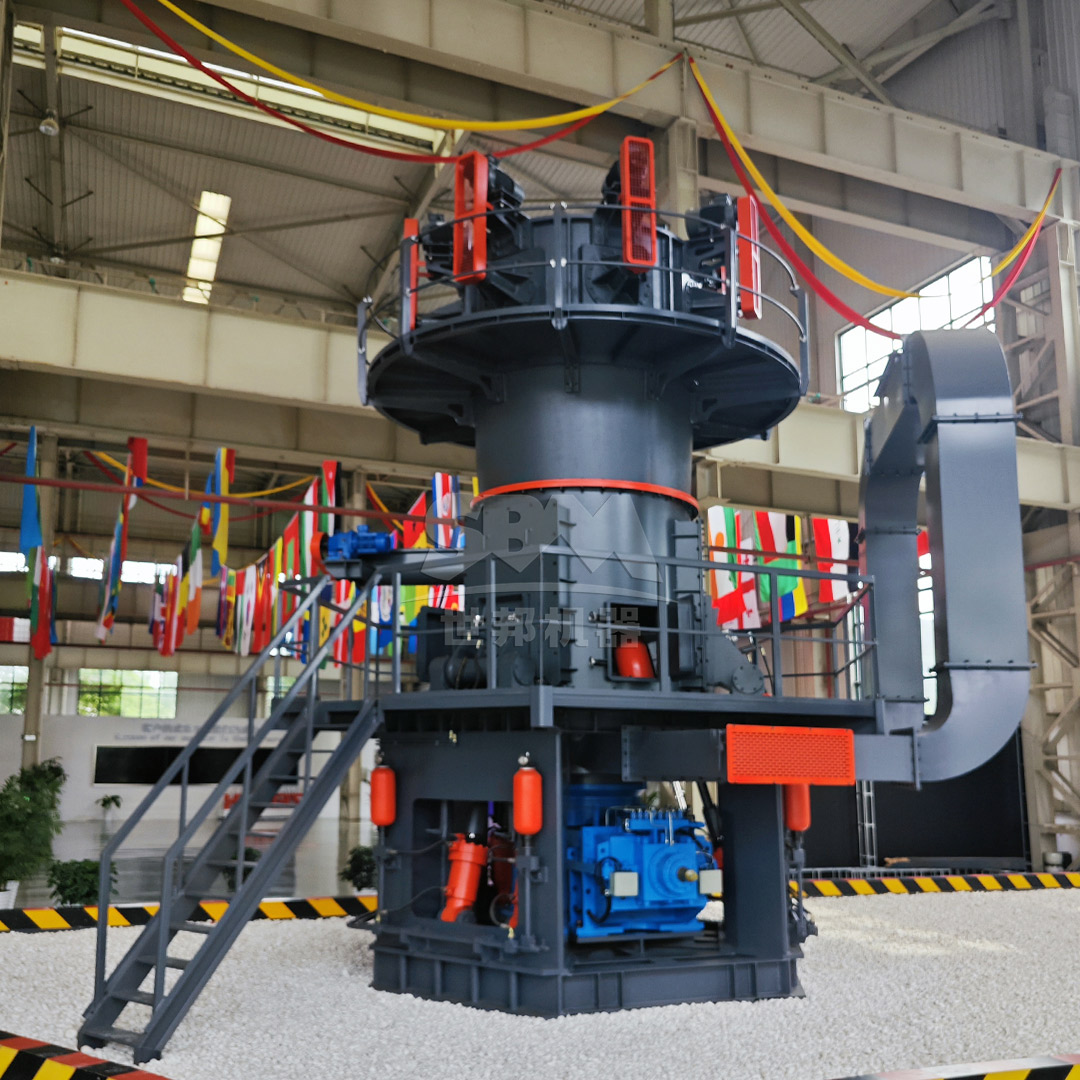
3. Classification System: Precision and Efficiency
The classifier is the heart of the mill, determining the final product fineness. Traditional Raymond mills typically use a simple blade-type classifier, which can only manage a coarse separation and struggles with fine powder below 200 mesh.
The HC Large Pendulum Mill integrates a high-efficiency vertical turbine classifier. This advanced design uses multiple rotating blades to create a powerful centrifugal field, ensuring that oversize particles are rejected and returned to the grinding chamber. The result is a much sharper particle size distribution with no coarse powder mixing. This precision is essential for industries like plastics, rubber, and paint, where a consistent particle size (e.g., 325 mesh or 400 mesh) is critical.
4. Energy Consumption and Operating Cost
Energy efficiency is a major consideration for any mineral processing plant. The HC Large Pendulum Mill system is significantly more energy-efficient than traditional Raymond mills. Compared to older models, the HC mill can reduce power consumption per ton of finished product by approximately 30%.
This saving comes from several innovations:
- Optimized Air Duct: The HC mill features an arc-shaped, low-resistance air duct that reduces airflow energy loss.
- Efficient Transmission: The integral bevel gear drive achieves transmission efficiency of up to 98%, compared to the belt-driven or low-efficiency gearbox systems of older mills.
- Bed Grinding: Material forms a stable layer between the roller and ring, reducing direct metal-on-metal contact and energy waste.
For a plant grinding 20 tons per hour, this 30% energy reduction can save thousands of dollars in electricity costs annually.
5. Environmental Performance and Compliance
Stricter environmental regulations have made dust control a non-negotiable requirement. Traditional Raymond mills often require a secondary cyclone separator and baghouse, but leakage at the mill base and feed inlet is common.
The HC Large Pendulum Mill is designed for negative pressure operation with a fully sealed system. When paired with a high-efficiency pulse dust collector (as recommended in our MR series), dust emissions are controlled to well below national standards. The soundproof room design also ensures that noise levels remain under 85 dB, making it suitable for installation near residential areas.
6. Ease of Maintenance and Wear Life
Maintenance is a major cost factor. In traditional Raymond mills, the shovel and roller assembly are frequently replaced. The HC Large Pendulum Mill addresses this with:
- Combined Shovel Blades: Instead of a single cast shovel, the HC mill uses combined blades that can be individually replaced, reducing maintenance costs by up to 30%.
- Wear-Resistant Materials: The grinding roller and ring are made from high-chrome alloy or special composite materials, extending their service life by several times compared to standard manganese steel used in older mills.
- Quick-Change Roller Assembly: The modular design of the roller assembly allows for faster replacement, minimizing downtime.
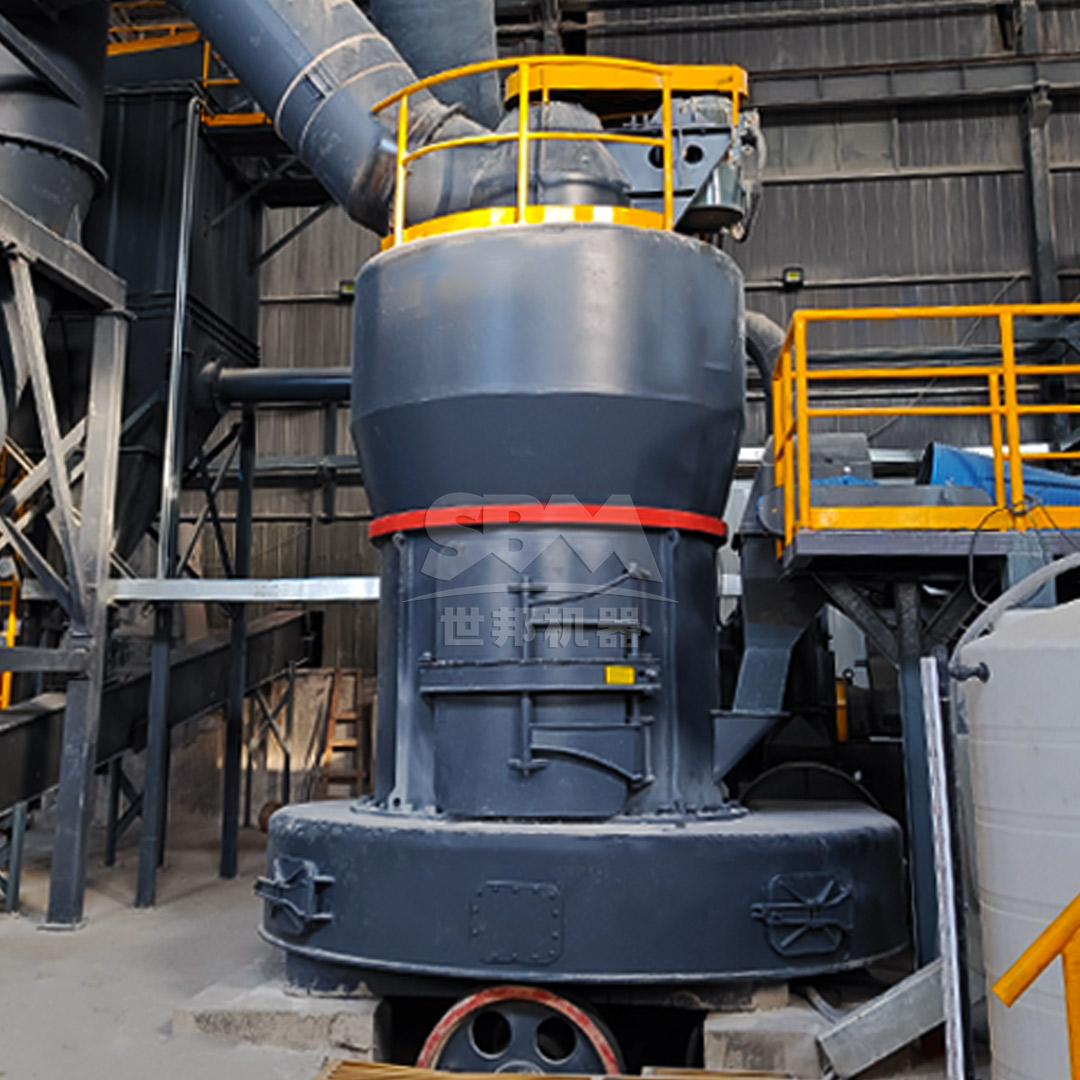
7. Advanced Options: Ultrafine Grinding with SCM Series
While the HC Large Pendulum Mill excels at medium-fine powder (up to 325 mesh), many applications require finer grades between 325 and 2500 mesh (roughly 5 to 45 microns). For these demanding tasks, we recommend our SCM Series Ultrafine Mill.
The SCM mill is a perfect complement to the HC mill. Its unique triple-ring grinding mechanism and vertical turbine classifier ensure that even the finest powders are produced with high efficiency. With a capacity of 0.5 to 25 tons per hour and energy consumption 30% lower than traditional jet mills, it is the ideal solution for ultrafine calcium carbonate, talc, and kaolin production. For customers needing a complete integrated solution, combining an MRN218 Pendulum Mill (15-45 t/h, 30-325 mesh) with an SCM1680 Ultrafine Mill (5-25 t/h, 325-2500 mesh) provides unmatched production flexibility.
8. Comparison Table of Key Parameters
| Parameter | Traditional Raymond Mill (e.g., 5R4119) | HC Large Pendulum Mill (e.g., MRN198) |
|---|---|---|
| Max Feed Size | <30 mm | <50 mm |
| Output Fineness | 80-325 mesh | 30-325 mesh |
| Capacity (Limestone to 200 mesh) | 5-12 t/h | 12-33 t/h |
| Main Power | 132 kW | 220 kW |
| Energy per Ton | ~22 kWh/t | ~15 kWh/t (30% less) |
| Lubrication System | Grease / Oil splash | Thin oil circulation |
| Noise Level | >95 dB | <85 dB |
9. Application Scenarios and Recommendations
The choice between an HC Large Pendulum Mill and a traditional Raymond mill depends on your specific requirements:
- High Capacity (15+ t/h) and Coarse to Medium Fineness (30-325 mesh): The HC Large Pendulum Mill is the clear winner. We highly recommend the MRN218 (12-33 t/h, 220 kW) or the MTW215G (15-45 t/h, 280 kW) for large-scale operations.
- Low Capacity (under 10 t/h) and Budget Constraints: A traditional Raymond mill may still be a cost-effective entry point, though maintenance costs will be higher over time.
- Ultrafine Powder (325-2500 mesh): The SCM Series Ultrafine Mill is the best choice.
- Energy-Sensitive Projects: The HC mill’s 30% lower energy consumption and long wear life make it a better long-term investment.
Conclusion
The HC Large Pendulum Mill represents a significant technological leap over the traditional Raymond mill. With higher capacity, lower energy consumption, superior classification precision, and a more environmentally friendly design, it meets the modern demands of the mineral processing industry. Whether you are upgrading an existing plant or building a new one, our MRN and MTW series pendulum mills, combined with the SCM series for ultrafine needs, offer a complete solution that maximizes productivity and profitability.