How Is Ultrafine Ground Calcium Carbonate Powder Produced?
Introduction to Ultrafine Ground Calcium Carbonate
Ultrafine Ground Calcium Carbonate (GCC) is a high-value industrial mineral used extensively in plastics, rubber, paints, papermaking, and sealants. Its production requires advanced milling technology to achieve particle sizes ranging from 45 micrometers down to 5 micrometers (325-2500 mesh). The process involves multiple stages of crushing, grinding, classification, and collection to ensure high purity and precise particle distribution.
Raw Material Preparation
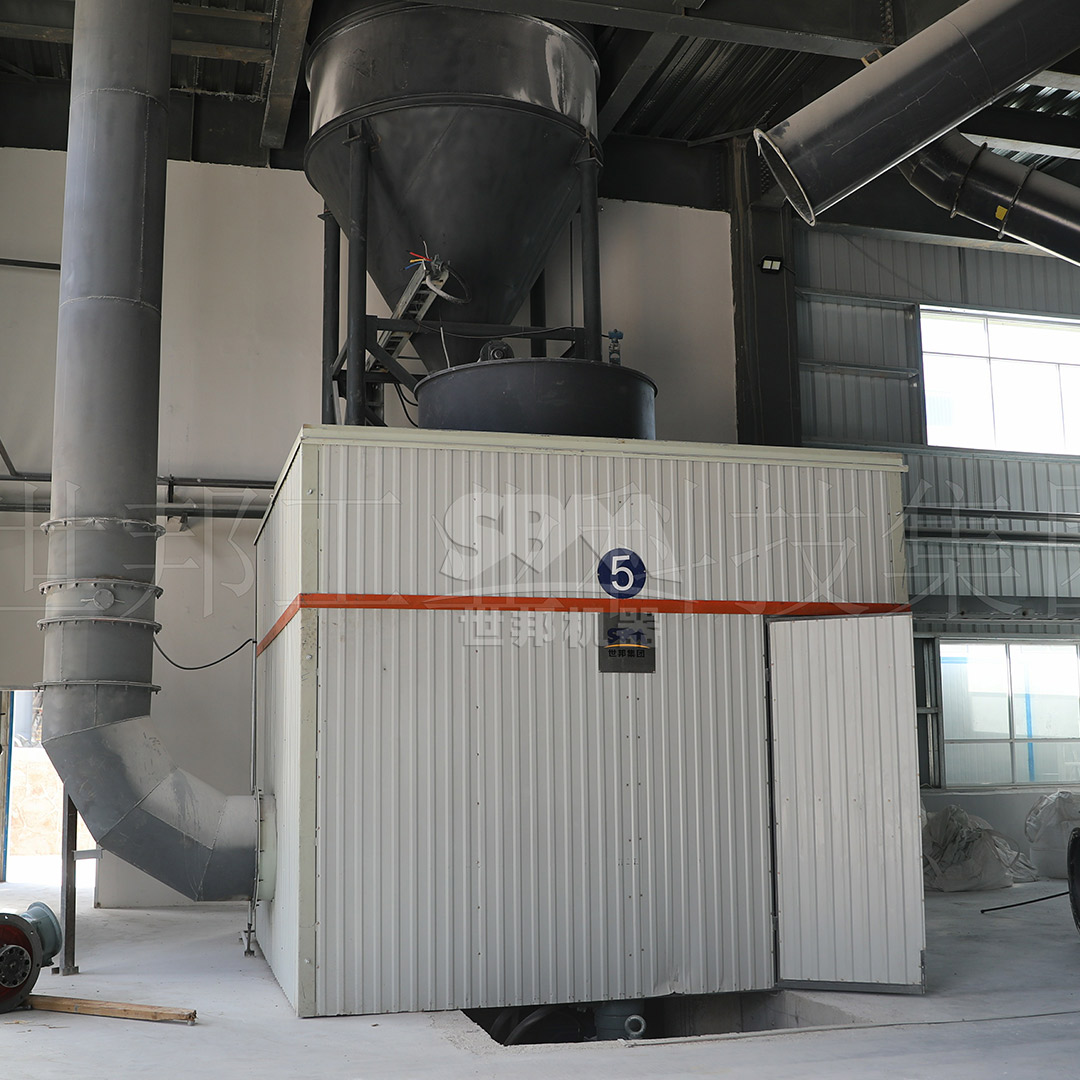
The production of ultrafine GCC begins with selecting high-calcium limestone or marble. The raw material typically has a calcium carbonate (CaCO₃) content above 95%. Large stones (up to 20mm feed size) are first crushed using a jaw crusher or hammer mill to reduce particle size. Our Hammer Mill (0-3mm) is an ideal primary crusher for this stage, with models like the PC4008-75 achieving capacities of 8-15t/h while reducing material to a uniform 0-3mm output. The crushed material is then conveyed to a storage bin before entering the ultrafine grinding mill.
Ultrafine Grinding Process
This is the critical stage where particle size is reduced to the sub-10 micron range. The working principle involves multiple layers of grinding rings rotating at high speed, where material is dispersed by centrifugal force and crushed by roller pressure layer by layer. The process requires precise control of pressure, temperature, and feed rate to achieve consistent fineness.
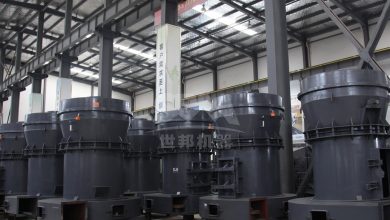
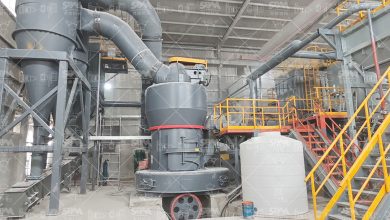
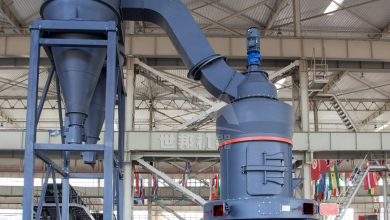
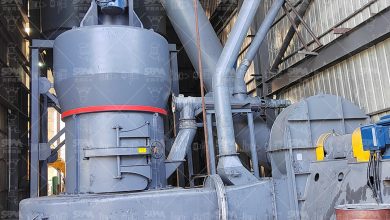
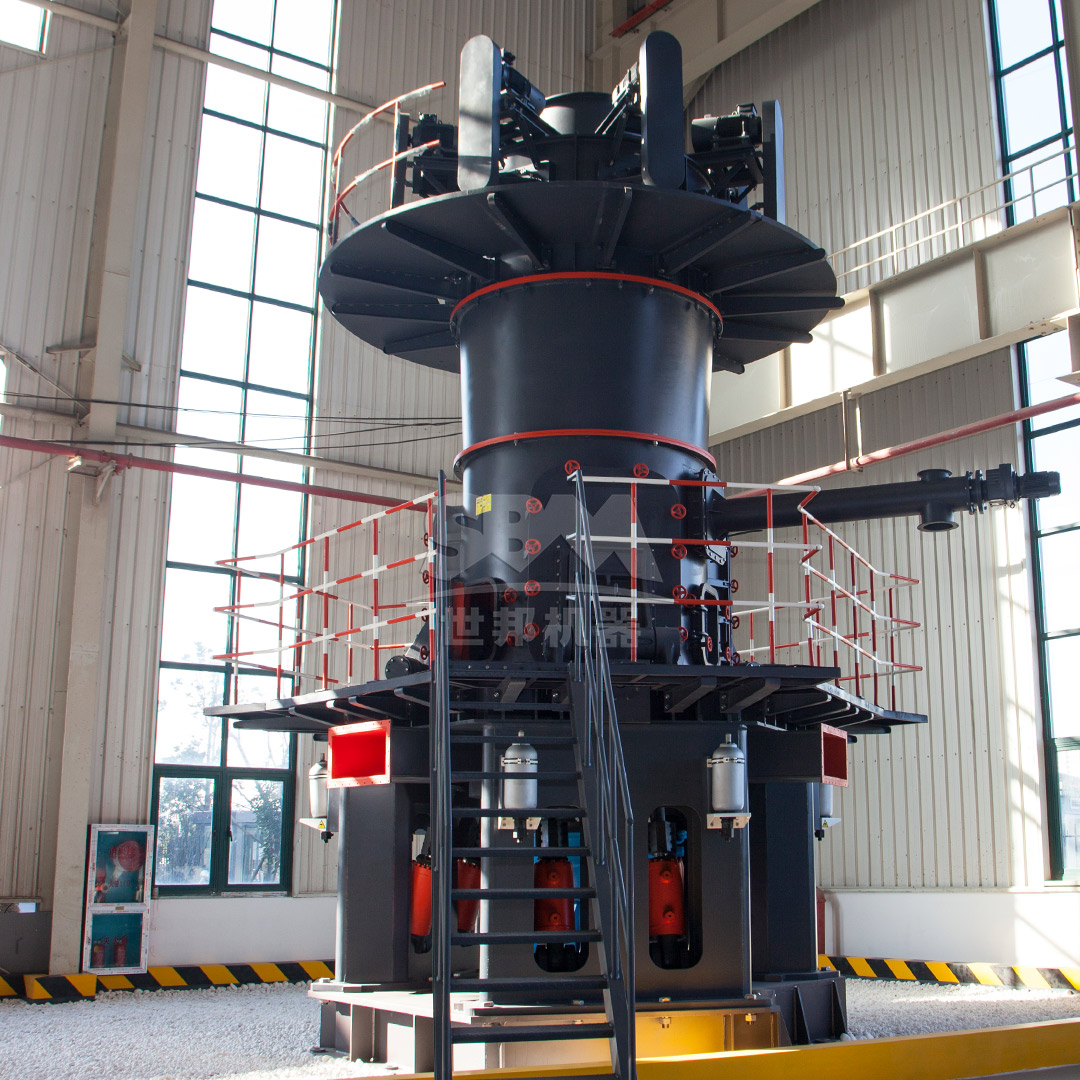
For high-efficiency ultrafine grinding, our SCM Series Ultrafine Mill delivers exceptional performance. With an output fineness of 325-2500 mesh (45-5μm) and capacity ranging from 0.5 to 25 ton/h, this mill uses a three-layer grinding ring rotation driven by the main motor. The patent-pending grinding roller and ring design uses special wear-resistant materials, extending service life several times compared to conventional mills. Intelligent feedback systems automatically adjust operating parameters to maintain target fineness.
Classification System
A precision classification system is essential for ultrafine GCC production. The vertical turbine classifier mounted on top of the mill performs precise particle size cutting. Airflow carries ground particles upward, where the classifier rotor spins at variable speeds (typically 1000-3000 RPM). Coarse particles are rejected and return to the grinding chamber, while fine particles pass through and enter the collection system. This ensures no coarse powder mixing, resulting in uniform finished products with extremely tight particle size distribution (D97 controlled within ±2μm).
Powder Collection and Dust Control
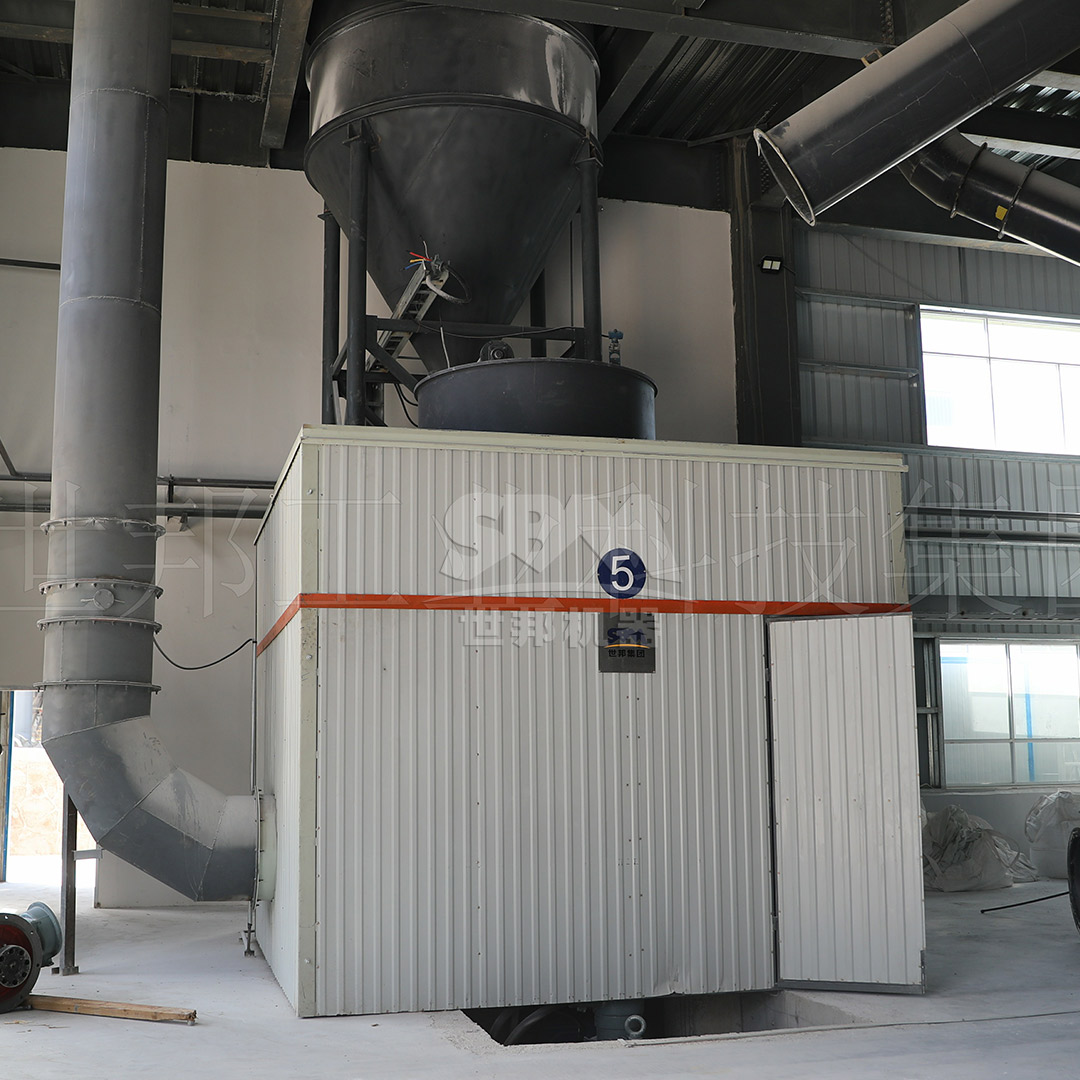
The final step involves collecting the ultrafine powder and controlling environmental emissions. A multi-stage collection system using cyclone collectors and pulse jet bag filters captures >99.9% of the powder. Clean air is discharged through a fan system while collected powder is transported to storage silos. Our SCM Series Ultrafine Mill is equipped with pulse dust collection efficiency exceeding international standards, with soundproof room design keeping noise levels below 85dB(A). The negative pressure operation ensures zero dust leakage, making it compliant with strict environmental regulations.
Quality Control and Testing
Every batch of ultrafine GCC undergoes rigorous quality testing. Key parameters include: particle size distribution (using laser diffraction analyzers), specific surface area (BET method), whiteness (ISO brightness >92%), moisture content (<0.3%), and chemical purity (CaCO₃ >97%, MgO <0.5%). Real-time monitoring systems integrated into the mill automatically sample and analyze product fineness, adjusting classifier speed and feed rate to maintain consistent quality.
Advantages of Modern Ultrafine Mills
Compared to traditional jet mills, our SCM series offers 2x higher capacity with 30% lower energy consumption. The vertical turbine classifier achieves sharp particle size cuts without coarse powder contamination. The shaftless screw grinding chamber design ensures stable operation even during continuous 24/7 production. For applications requiring a slightly coarser product (600-45μm), our MTW Series European Trapezium Mill provides an excellent alternative with capacities up to 45t/h and patented anti-wear shovel designs that reduce maintenance costs by 30%.
Conclusion
The production of ultrafine ground calcium carbonate powder is a sophisticated process combining mechanical grinding, precise air classification, and advanced dust collection technologies. Modern mills like the SCM series have revolutionized this industry by offering higher efficiency, better product quality, and reduced environmental impact. With feed sizes up to 20mm and fineness control from 325 to 2500 mesh, these systems enable manufacturers to produce value-added GCC products for the most demanding applications in plastics reinforcement, paint filling, and paper coating.