The Impact of Grinding Fineness on Flotation Performance
Introduction
Flotation is one of the most widely used methods for mineral separation, relying on the differences in surface properties of valuable minerals and gangue. The efficiency of flotation is influenced by numerous factors, including reagent dosage, pulp density, aeration rate, and importantly, the grinding fineness of the feed material. Grinding fineness directly determines the degree of mineral liberation, particle size distribution, and surface characteristics, all of which play a critical role in flotation performance. This article explores how grinding fineness affects flotation outcomes and provides insights into optimizing this parameter for improved recovery and grade.
The Role of Grinding in Mineral Processing
Grinding is the final stage of comminution, where ore particles are reduced to a size that liberates valuable minerals from the gangue matrix. The primary goal is to achieve sufficient liberation without over-grinding, which can lead to slimes generation and increased energy consumption. The choice of grinding equipment and operating parameters determines the fineness of the final product, which directly impacts downstream flotation processes.
Optimal Particle Size for Flotation
Research has established that there is an optimal particle size range for effective flotation. Typically, particles between 10 and 100 microns respond well to conventional flotation. Coarse particles above 300 microns often suffer from poor liberation and high detachment forces, leading to low recovery. Conversely, ultra-fine particles below 10 microns exhibit high surface area, excessive reagent consumption, and mechanical entrainment, negatively impacting selectivity.
Grinding Fineness and Mineral Liberation
The degree of mineral liberation is a function of grinding fineness. Insufficient grinding leaves valuable minerals locked within gangue particles, preventing collector adsorption and bubble attachment. As fineness increases, more grain boundaries are exposed, enhancing liberation. However, over-grinding can produce particles that are too fine, leading to slime coating, where fine gangue particles adhere to valuable mineral surfaces, hindering flotation.
Impact on Froth Stability and Reagent Consumption
Grinding fineness affects froth characteristics. Fine particles increase pulp viscosity and froth stability, which can be beneficial for carrying capacity but detrimental if froth becomes excessively stable, reducing concentrate grade. Additionally, finer particles require higher collector dosages due to increased surface area, impacting operational costs. Optimizing fineness helps balance reagent consumption and flotation performance.
Case Studies: Copper and Gold Ores
For copper sulfide ores, studies show that grinding to a P80 of 75-100 microns typically maximizes copper recovery. Finer grinding to 45 microns may increase liberation but can also lead to higher copper losses in tailings due to slime formation. In gold flotation, grinding fineness around 80% passing 75 microns is common, with further grinding improving recovery of refractory gold but increasing cyanide consumption in downstream processes.
Energy and Cost Considerations
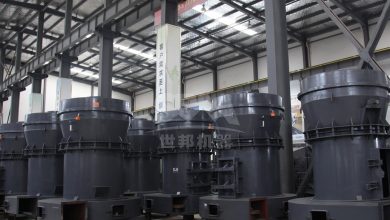
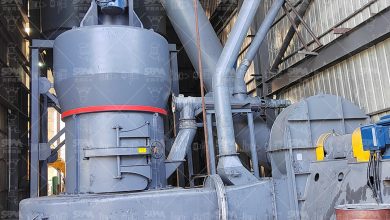
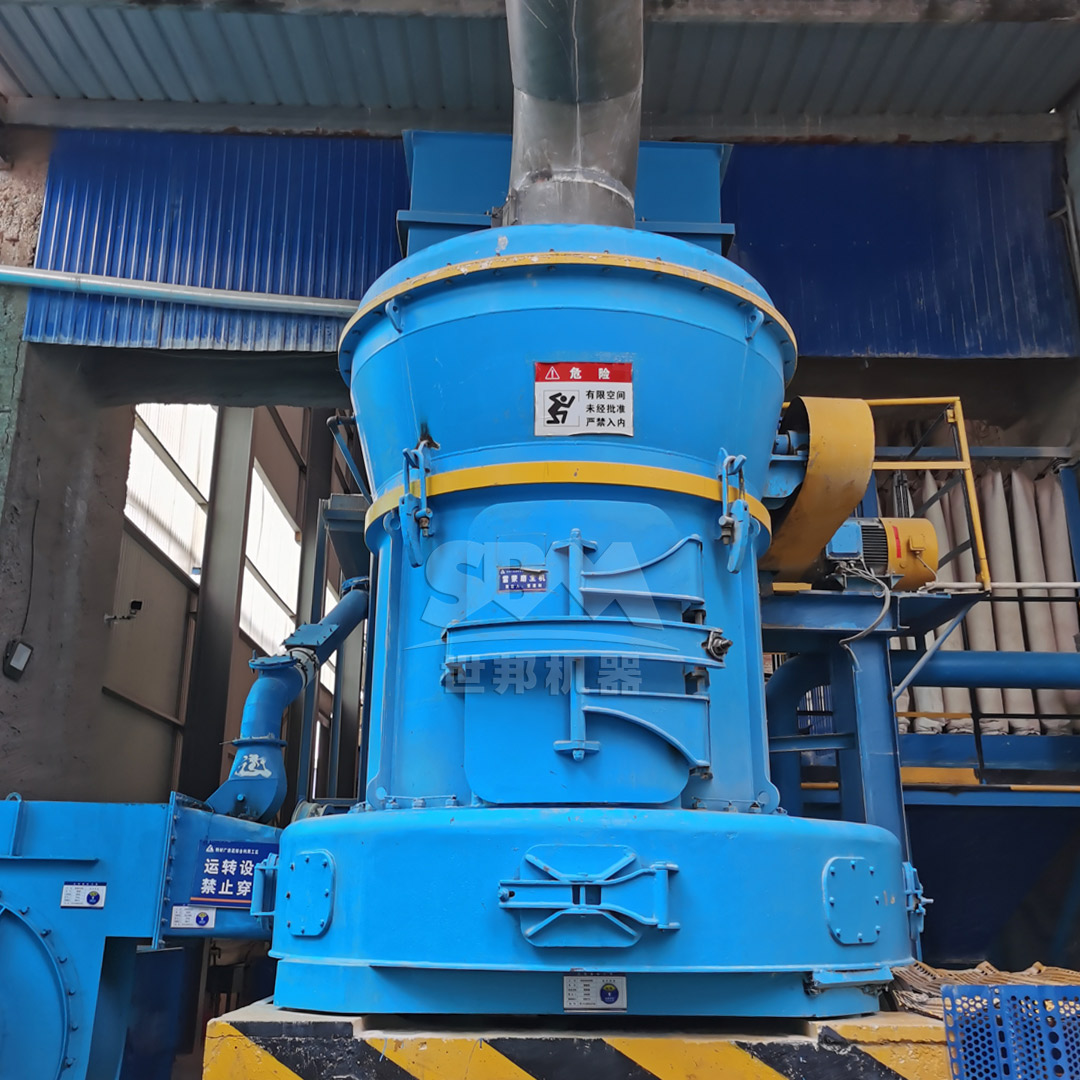
Grinding accounts for 50-70% of total energy consumption in a mineral processing plant. Targeting finer grinds increases energy demand and wear on equipment. Selecting a mill that achieves the desired fineness with minimal energy input is crucial for economic operation. Our company offers advanced grinding solutions that balance fineness, capacity, and efficiency. For applications requiring ultra-fine grinding (45-5μm), the SCM Series Ultrafine Mill delivers high-precision classification with 30% lower energy consumption compared to jet mills, ensuring optimal product fineness for enhanced flotation performance. The SCM800 model, with a capacity of 0.5-4.5 t/h and fineness range of 325-2500 mesh, is ideal for laboratory and small-scale operations requiring consistent particle size.
Classifier Performance and Product Uniformity
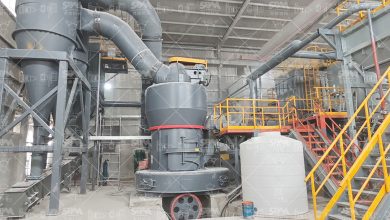
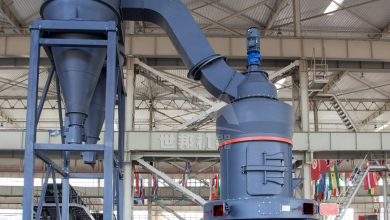
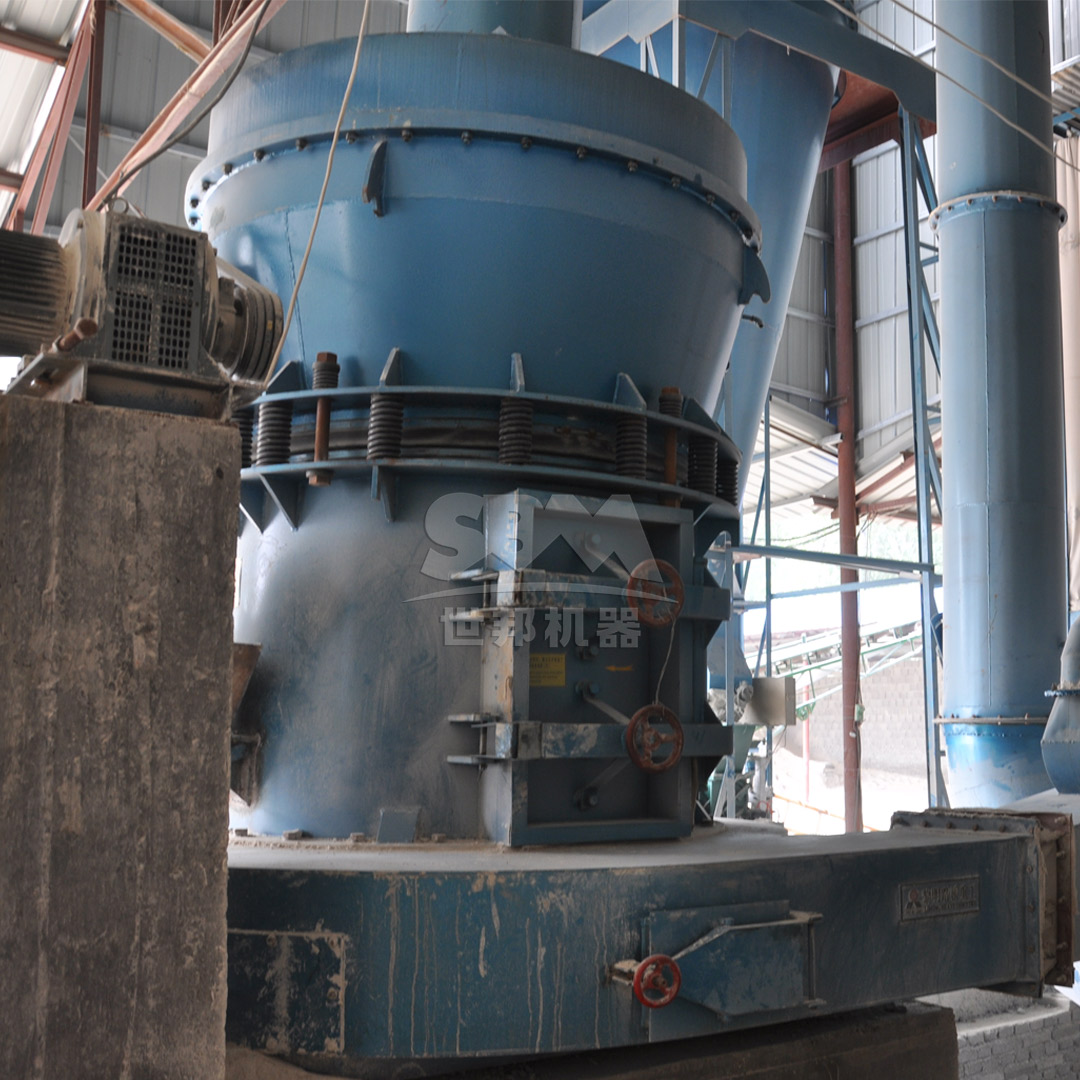
Uniformity of ground product is as important as fineness. A narrow particle size distribution reduces the variability in flotation response. Poor classification leads to coarse particles in the flotation feed, which may not be fully liberated, and ultra-fines that cause entrainment. Our MTW Series European Trapezium Mill features a vertical turbine classifier that achieves precise particle size cutting, ensuring no coarse powder mixing and uniform finished products. This mill is suitable for medium to large-scale operations, with the MTW138Z model offering capacities up to 17 t/h and fineness adjustable from 10-325 mesh, making it a versatile choice for pre-grinding stages before flotation.
Conclusion
Grinding fineness has a profound impact on flotation performance by influencing liberation, particle size distribution, froth characteristics, and reagent consumption. Optimal fineness must be determined through ore characterization and testing, balancing recovery and grade with energy and operating costs. Advanced grinding technologies that provide precise control over product fineness and uniformity are essential for maximizing flotation efficiency. By selecting appropriate equipment, such as our SCM or MTW series mills, mineral processors can achieve the desired particle characteristics for improved metallurgical performance.
Recommendations for Process Optimization
Operators should conduct grindability tests and flotation batch tests to identify the optimal grind size for their specific ore. Continuous monitoring of particle size distribution using online analyzers allows real-time adjustments to mill operating parameters. Investing in high-efficiency classifiers and mills reduces energy consumption while maintaining product quality. Our team of experts can assist in selecting the right grinding solution tailored to your flotation circuit requirements.