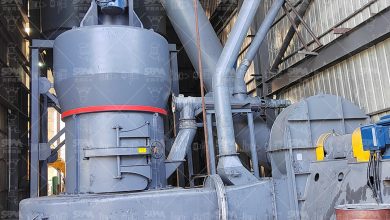

Application of Attapulgite in Environmental Remediation: Analysis by Attapulgite Processing Equipment Manufacturer
Introduction: The Versatile Mineral for a Cleaner Planet
Attapulgite, also known as palygorskite, is a naturally occurring magnesium aluminum phyllosilicate clay mineral with a unique fibrous crystal structure and a large specific surface area. These intrinsic properties—including high adsorption capacity, excellent colloidal properties, and cation exchange capabilities—have positioned it as a material of significant interest in the field of environmental remediation. From wastewater treatment and soil stabilization to heavy metal immobilization and gas purification, attapulgite offers a sustainable and often cost-effective solution. However, the efficacy of attapulgite in these applications is profoundly dependent on its processing, particularly its particle size, purity, and activation state. As a leading manufacturer of mineral processing equipment, we understand that unlocking the full potential of attapulgite for environmental clean-up begins with precise, efficient, and reliable grinding and classification technology.
Key Applications of Attapulgite in Environmental Remediation
The environmental applications of attapulgite are diverse, leveraging its physical and chemical properties to address various forms of pollution.
1. Wastewater Treatment
Attapulgite’s high surface area and negative surface charge make it an excellent adsorbent for removing contaminants from water. It is effective in adsorbing heavy metal ions (e.g., Pb2+, Cd2+, Cu2+), organic dyes, ammonia nitrogen, and phosphate. Processed attapulgite can be used in powdered form in batch treatment systems or shaped into pellets/beads for fixed-bed filtration columns. The finer and more uniform the powder, the greater the available surface area for adsorption, leading to faster kinetics and higher removal efficiency.
2. Soil Remediation and Stabilization
Contaminated or structurally weak soils pose significant environmental risks. Attapulgite can be applied to immobilize heavy metals in soil, reducing their bioavailability and leaching potential. Furthermore, its fibrous nature can improve soil cohesion, reduce erosion, and enhance water retention in sandy soils. For these applications, a coarser granule or a specifically graded powder is often required to ensure proper mixing with soil and to maintain permeability.
3. Gas and Odor Control
Activated or modified attapulgite exhibits promising properties for the adsorption of volatile organic compounds (VOCs), hydrogen sulfide (H2S), and other odorous gases. It serves as a key component in industrial air filters and agricultural odor control systems. The internal pore structure and surface chemistry, which can be optimized during thermal activation, are critical for this function.
The Critical Role of Processing: From Raw Clay to Functional Material
Raw attapulgite clay must undergo a series of processing steps—including drying, crushing, grinding, classification, and often thermal or acid activation—to transform it into a high-performance material. The grinding stage is arguably the most crucial, as it directly determines the particle size distribution (PSD), which governs the material’s reactivity, suspension stability, and suitability for different remediation technologies.
- Ultrafine Grinding (1-45µm): Essential for maximizing surface area in high-performance adsorbents for wastewater. Ultrafine particles dramatically increase the number of active sites for contaminant binding.
- Fine to Medium Grinding (45-325 mesh / 350-45µm): Ideal for soil amendment products, where a balance between surface area and soil workability is needed. Also suitable for certain types of filter aids and carrier materials.
- Precise Classification: Consistent PSD is vital for predictable performance. Narrow particle size ranges ensure uniform flow in filtration systems and consistent reaction rates.
Optimizing Attapulgite Processing with Advanced Milling Solutions
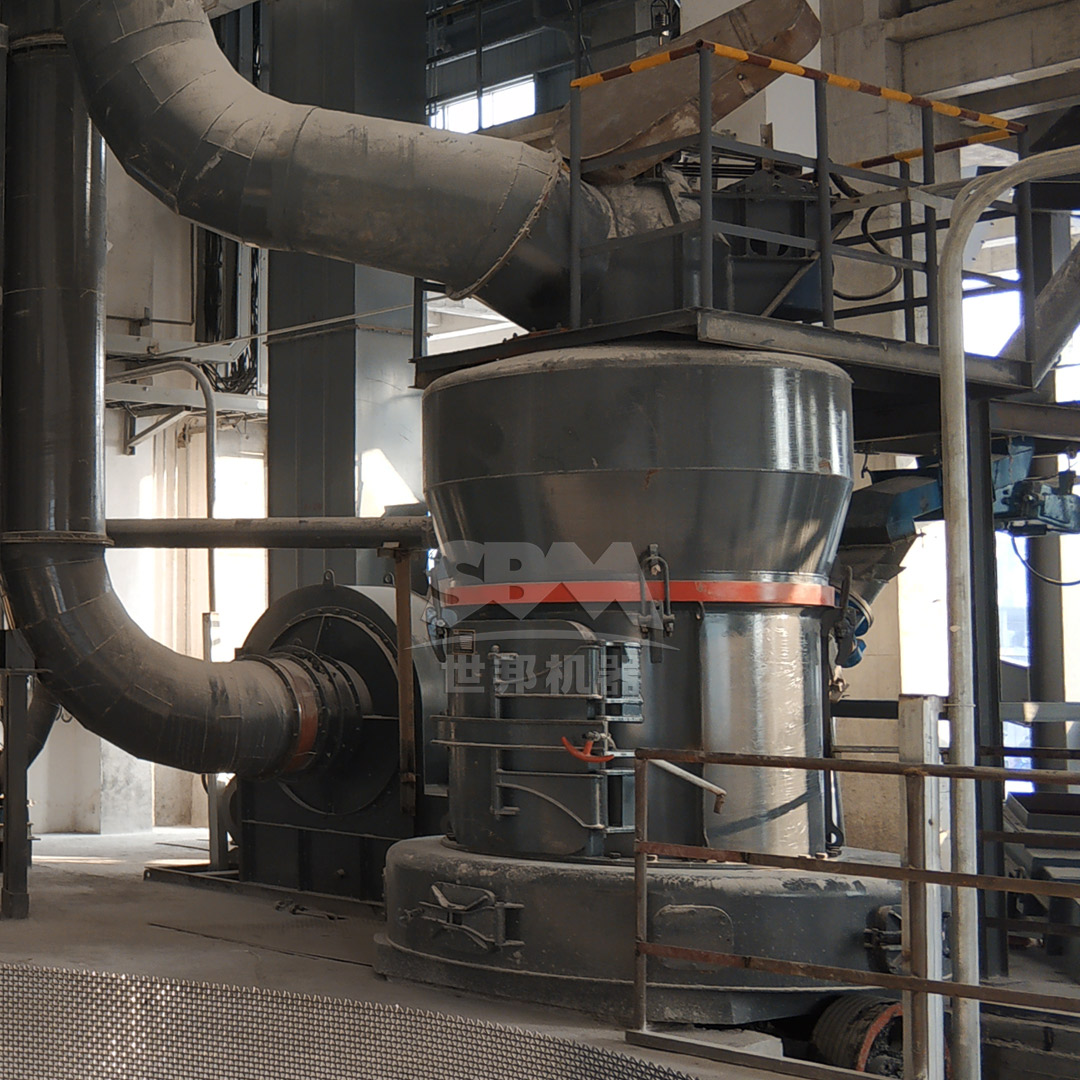
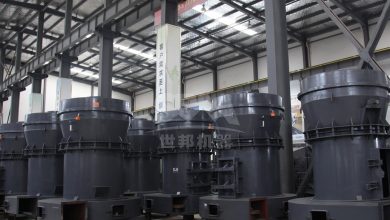
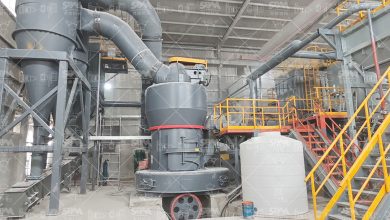
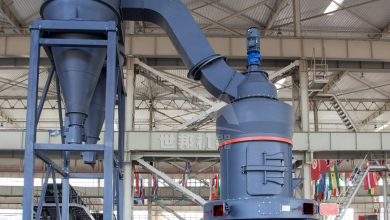
Selecting the right grinding equipment is paramount to achieving the desired product characteristics efficiently and economically. Different stages of attapulgite beneficiation may require different mill types. Here, we highlight two of our flagship grinding systems that are exceptionally well-suited for producing attapulgite powders for environmental applications.
1. For High-Surface-Area Ultrafine Adsorbents: The SCM Series Ultrafine Mill
When the application demands the highest possible surface area—such as in advanced wastewater treatment or high-efficiency gas adsorption—producing attapulgite powder in the range of 325 to 2500 mesh (45-5µm) is necessary. Our SCM Series Ultrafine Mill is engineered specifically for this task.
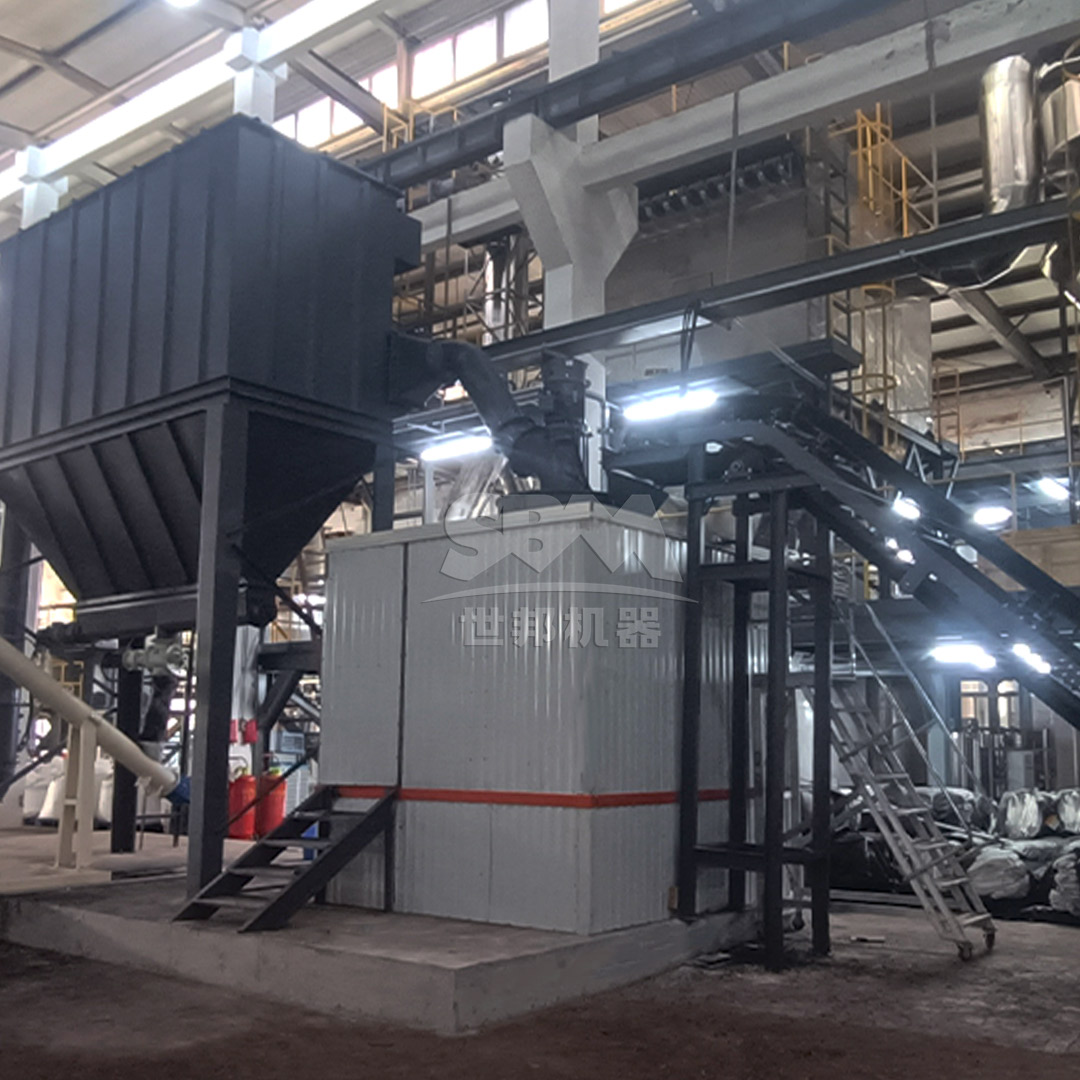
This mill integrates grinding, classification, and conveying into one system. Its vertical turbine classifier provides high-precision particle size cutting, ensuring no coarse powder mixes into the final product. This results in a uniformly fine powder that maximizes the exposure of attapulgite’s active fibrous surfaces. The grinding rollers and rings are made from special wear-resistant materials, offering a service life several times longer than conventional mills, which is critical when processing abrasive clay minerals. Furthermore, its high efficiency and energy-saving design consume 30% less energy than traditional jet mills while offering double the capacity, making the production of premium-grade attapulgite adsorbents more sustainable and cost-effective. The fully sealed system with pulse dust collection ensures an environmentally clean production process, with noise levels kept to a minimum.
2. For Versatile, High-Capacity Production: The MTW Series European Trapezium Mill
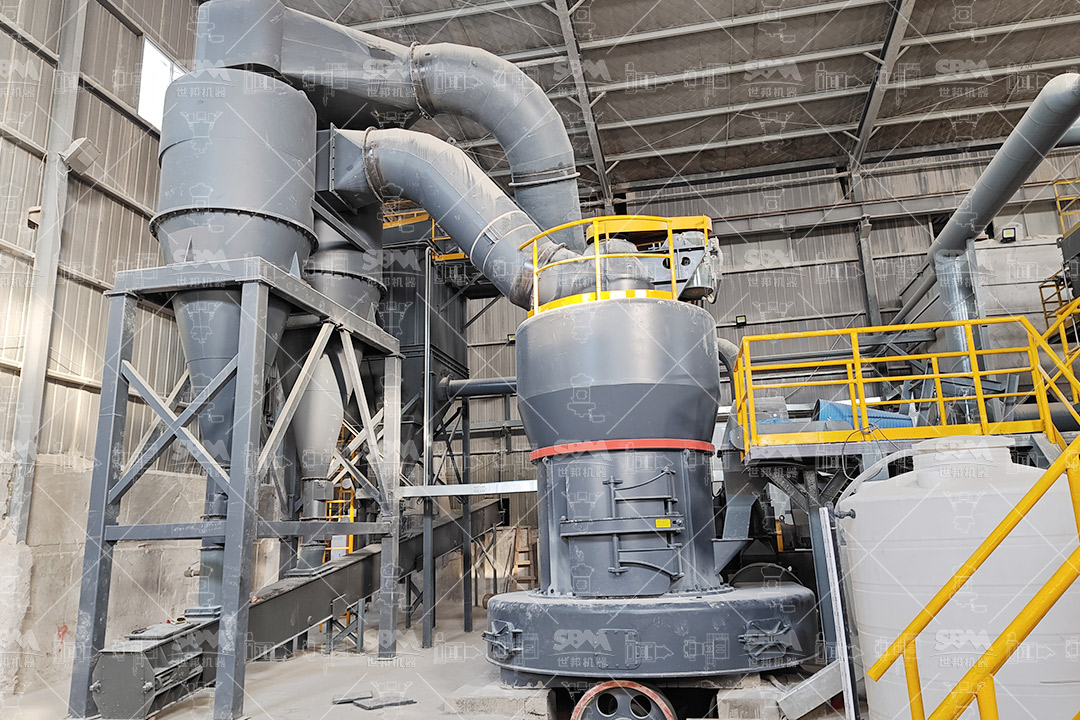
For many environmental applications like soil remediation, or for producing attapulgite powders that will undergo further activation or pelletization, a fineness range of 30-325 mesh (600-45µm) is often optimal. For these requirements, our MTW Series European Trapezium Mill represents the ideal balance of capacity, precision, and operational economy.
This mill features an anti-wear shovel design and curved grinding rollers that significantly extend the life of wear parts, reducing maintenance costs—a key consideration for continuous processing lines. Its integral bevel gear drive achieves a remarkable 98% transmission efficiency, saving energy and space. The optimized arc air duct and wear-resistant volute structure work in concert with the internal classifier to provide efficient grinding and precise size control. With capacities ranging from 3 to 45 tons per hour depending on the model, the MTW series is perfect for large-scale production of attapulgite for bulk environmental projects. Its robust and reliable design ensures stable, long-term operation with minimal downtime.
Conclusion: Partnering for a Sustainable Future
Attapulgite holds immense promise as a natural, effective material for addressing complex environmental challenges. However, its journey from a raw clay deposit to a high-performance remediation agent is a technological one. The choice of processing equipment directly impacts the quality, efficacy, and economic viability of the final product.
Our expertise as a processing equipment manufacturer allows us to provide not just machinery, but integrated solutions. Whether the goal is to produce ultrafine, high-surface-area powder for advanced adsorption using our SCM Ultrafine Mill, or to achieve high-volume output of precisely graded material for soil and industrial applications with our MTW European Trapezium Mill, we offer the technology to meet the exacting standards of the environmental remediation industry. By investing in the right processing foundation, producers can fully harness the power of attapulgite to contribute to a cleaner and healthier planet.