How to Choose the Right Solid Waste Manganese Slag Processing Equipment for Silico Manganese Slag Powder & Micro-powder Production Line
Introduction
The efficient processing of silico manganese slag, a significant by-product of ferroalloy production, presents both an environmental challenge and a valuable economic opportunity. Transforming this solid waste into high-value slag powder and micro-powder for applications in cement, concrete, and construction materials requires a carefully planned production line with the right equipment at its core. The selection of grinding and classification machinery is paramount, as it directly impacts product quality, production efficiency, operational costs, and overall project viability. This article provides a comprehensive guide to selecting the optimal processing equipment for your silico manganese slag powder and micro-powder production needs.
Understanding Silico Manganese Slag Characteristics
Before selecting equipment, it is crucial to understand the material’s properties. Silico manganese slag is a vitreous, granular material with high hardness and abrasiveness. Its chemical composition primarily includes silica, alumina, calcium oxide, and manganese oxides. The material often has variable moisture content and feed size from primary crushing. The target products—coarse powder (e.g., 30-325 mesh for SCM) and ultra-fine micro-powder (e.g., 325-2500 mesh for supplementary cementitious materials)—demand different processing approaches. Key selection factors stem from these characteristics: high wear resistance requirements, need for precise particle size control, energy efficiency for cost-sensitive operations, and system reliability for continuous production.
Key Considerations for Equipment Selection
1. Target Product Specification
The required fineness and particle size distribution are the primary drivers. For general construction applications like concrete blending, powders in the range of 30-325 mesh are typical. For high-value applications requiring enhanced pozzolanic activity, such as high-performance concrete or specialized coatings, ultra-fine powders from 325 to over 2500 mesh are necessary. The equipment must reliably and efficiently achieve the desired cut point and maintain a consistent product.
2. Production Capacity and Scalability
The required throughput (tons per hour) must align with both upstream slag supply and downstream market demand. Equipment should be selected not just for current needs but with future expansion in mind. Modular designs or models within a scalable series offer flexibility.
3. Energy Consumption and Operational Costs
Grinding is an energy-intensive process. Selecting technology with high grinding efficiency and low specific energy consumption (kWh/ton) is critical for long-term profitability. Factors like mechanical design, drive system efficiency, and integrated classification play major roles.
4. Wear Resistance and Maintenance
Given the abrasive nature of manganese slag, the wear life of grinding elements (rollers, rings, liners) is a major cost and downtime factor. Equipment with specially hardened materials, innovative designs that reduce metal-to-metal contact, or easy maintenance features for quick part replacement significantly reduces operating expenses.
5. System Integration and Environmental Compliance
A modern production line is more than just a mill. Consider the entire system: feeding, grinding, classification, dust collection, and packaging. Integrated systems with efficient, pulse-jet baghouse dust collectors are essential to meet environmental standards for dust emissions and ensure a clean working environment. Low-noise design is also an important consideration for plant permitting and worker safety.
Analysis of Suitable Grinding Equipment Types
Different grinding technologies offer distinct advantages for various stages of slag powder production.
For Coarse to Medium-Fine Powder (30-325 mesh)
This range is suitable for producing slag powder used as a direct cement replacement or aggregate. Equipment needs to handle relatively large feed sizes (up to 50mm) and deliver high throughput.
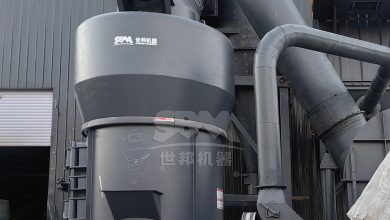
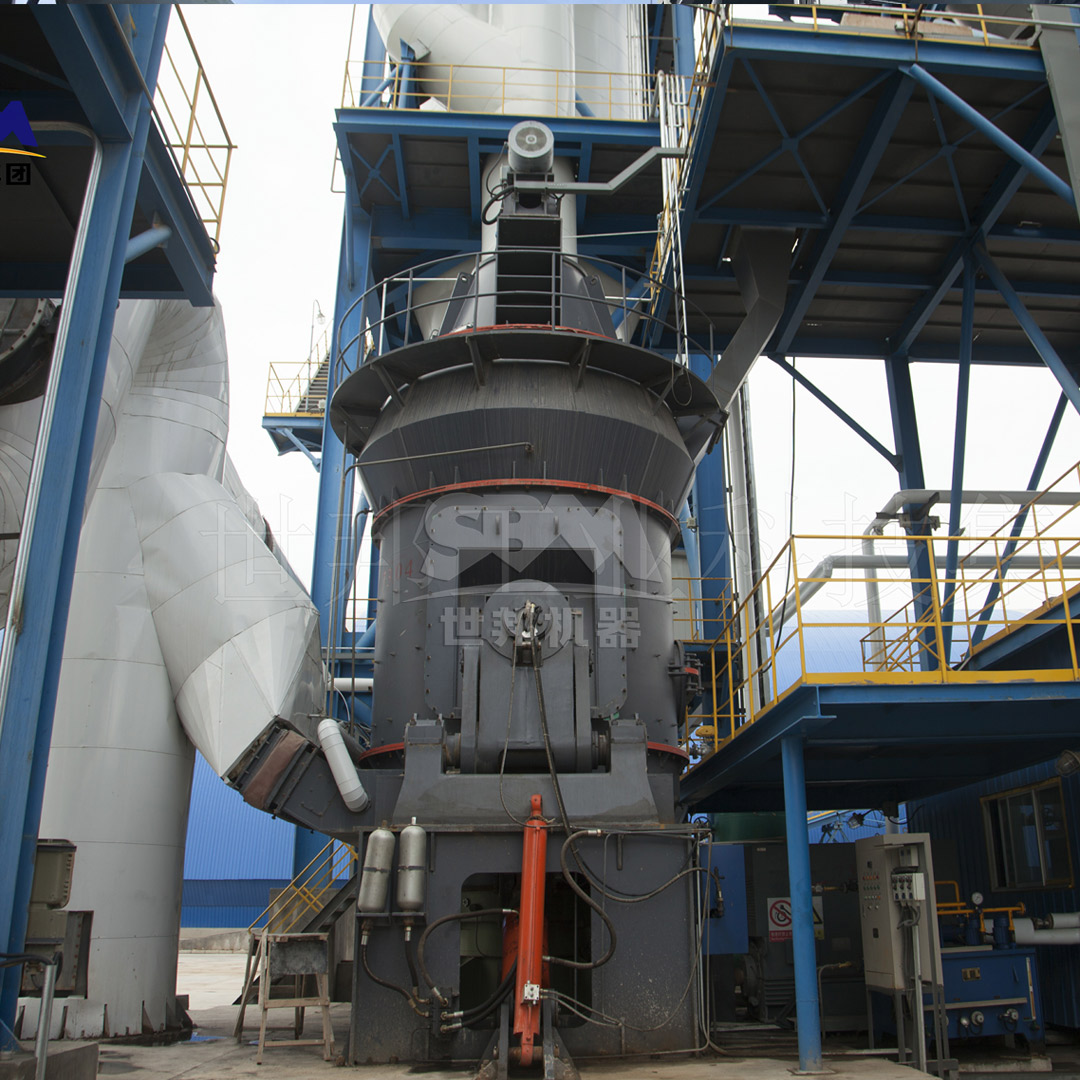
- Vertical Roller Mills (VRM): Excellent for large-scale production. They offer integrated drying, grinding, and classification with low energy consumption and a small footprint. Their bed-compression grinding principle is efficient for moderately abrasive materials.
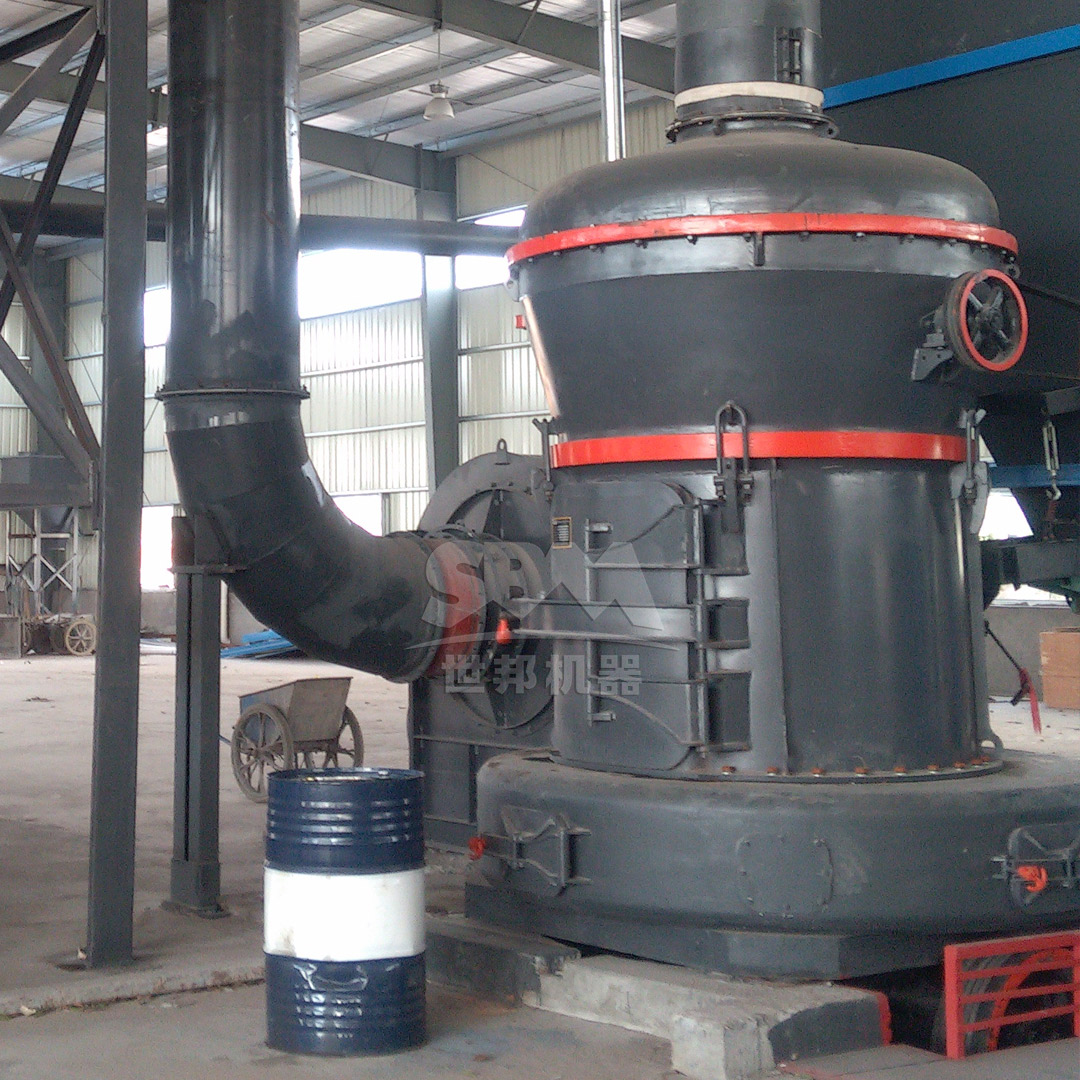
- European-Type Trapezium Mills: A robust and reliable choice for producing powder in this range. They feature advanced drive systems and wear-resistant designs ideal for continuous operation in abrasive environments.
For Ultra-Fine Micro-Powder (325-2500 mesh)
Producing micro-powder requires specialized fine-grinding and precise classification technology to achieve the necessary surface area and particle size distribution.
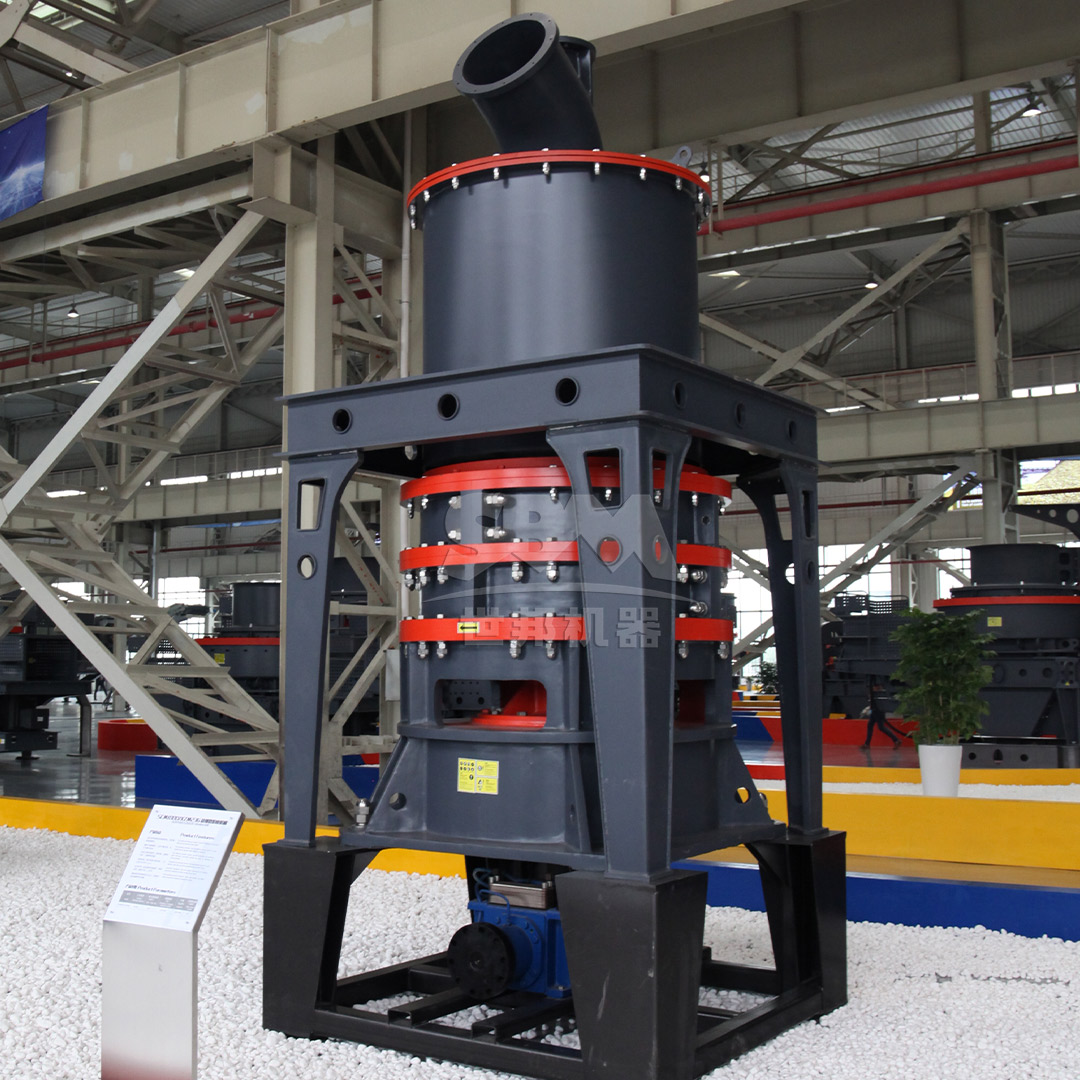
- Ultrafine Grinding Mills: Specifically engineered for producing micron and sub-micron sized powders. They combine high-intensity grinding with integrated, high-precision air classifiers to make sharp particle size cuts without coarse particle contamination.
- Ball Mills (for wet or dry processes): A traditional technology that can be used for fine grinding, though often with higher energy consumption and less precise particle size control compared to modern vertical or ultrafine mills.
Recommended Equipment for Silico Manganese Slag Processing
Based on the demanding requirements of silico manganese slag—high abrasiveness, need for both standard and ultra-fine powders, and cost-effective operation—we highly recommend the following technologies from our portfolio.
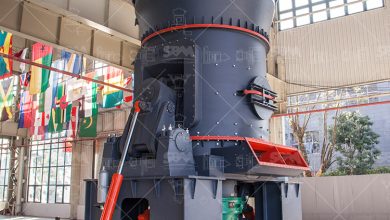
Primary & Medium-Fine Grinding: The MTW Series European Trapezium Mill
For producing high-volume slag powder in the 30-325 mesh range, the MTW Series European Trapezium Mill is an outstanding solution. Its core advantages align perfectly with slag processing needs:
- Anti-Wear Design: Featuring combined shovel blades and curved grinding rollers, it significantly extends service life and reduces maintenance costs when processing abrasive slag.
- High Efficiency: The integral bevel gear drive achieves up to 98% transmission efficiency, saving energy. The optimized arc air duct reduces airflow resistance.
- Large Capacity: With models like the MTW215G offering capacities up to 45 t/h, it can serve as the workhorse for large-scale powder production lines.
- Stable Product Quality: The efficient classification system ensures consistent fineness control for the final product.
For a typical slag powder line targeting SCM applications, an MTW175G or MTW215G model would provide the ideal balance of capacity, durability, and product quality.
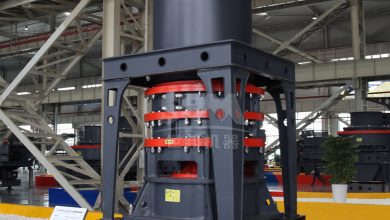
Ultra-Fine & High-Value Powder Production: The SCM Series Ultrafine Mill
To unlock the highest value from silico manganese slag by producing micro-powder for specialized applications, the SCM Series Ultrafine Mill is the technology of choice.
- Exceptional Fineness: It reliably produces powder from 325 to 2500 mesh (45-5μm), meeting the strictest requirements for advanced construction materials and chemical applications.
- High-Precision Classification: Its vertical turbine classifier ensures precise particle size cutting, delivering a uniform product without coarse powder mixing—a critical factor for micro-powder performance.
- Energy Efficient: The mill offers a capacity twice that of traditional jet mills while consuming approximately 30% less energy, dramatically lowering operating costs.
- Durable & Eco-Friendly: Constructed with special material rollers and rings for extended life, and equipped with a high-efficiency pulse dust collection system that exceeds international emission standards. The soundproof room design ensures low noise operation.
Models such as the SCM1250 (2.5-14 t/h) or SCM1680 (5-25 t/h) are perfectly suited for establishing a dedicated, high-yield micro-powder production line.
Building a Complete Production Line
Selecting the core mill is just the first step. A successful line integrates several key components:
- Raw Material Handling & Pre-Crushing: A jaw crusher or hammer mill to reduce slag to the required feed size (e.g., ≤20mm for SCM, ≤50mm for MTW).
- Drying System (if needed): A rotary dryer may be required if slag moisture is too high for efficient dry grinding.
- Grinding & Classification Core: The selected MTW or SCM mill, which integrates the grinding and classification stages.
- Dust Collection & Product Conveying: An efficient pulse-jet baghouse filter connected to the mill’s air system, along with screw conveyors and bucket elevators.
- Storage & Packaging: Silos for intermediate and finished product storage, and automated packing machines for bagging.
- Electrical Control System: A centralized PLC control system for automated, stable, and safe operation of the entire line.
Conclusion
Choosing the right equipment for a silico manganese slag powder production line is a strategic decision that determines the project’s technical and economic success. By thoroughly understanding the material properties and end-product goals, and by selecting robust, efficient, and precise technology like the MTW Series European Trapezium Mill for standard powders and the SCM Series Ultrafine Mill for high-value micro-powders, operators can transform an industrial by-product into a consistent, high-quality, and profitable resource. Investing in the right grinding solution ensures lower operating costs, superior product quality, reliable operation, and full compliance with environmental standards, paving the way for a sustainable and competitive business in the growing market for construction and industrial minerals.