Application Case of Phosphorus Slag Vertical Mill in Phosphorus Slag Concrete Production
Introduction: The Rise of Phosphorus Slag as a Sustainable Construction Material
The global construction industry is under increasing pressure to reduce its environmental footprint, driving the search for sustainable alternatives to traditional materials. Among the most promising is phosphorus slag, a by-product of the phosphorus chemical industry. Historically considered a waste product requiring costly disposal, phosphorus slag possesses latent hydraulic and pozzolanic properties, making it an excellent supplementary cementitious material (SCM). When finely ground, it can significantly replace Portland cement in concrete, leading to reduced CO2 emissions, lower energy consumption, and improved long-term concrete properties such as durability and sulfate resistance. The key to unlocking this potential lies in efficient and precise grinding technology. This article explores the application of vertical roller mills in processing phosphorus slag for high-performance concrete production, highlighting the technological and economic advantages.
The Challenge of Phosphorus Slag Grinding
Raw phosphorus slag is typically granular with a hardness similar to or slightly higher than cement clinker. Its effective utilization in concrete requires grinding to a specific fineness (usually between 400-600 m²/kg Blaine or 325-600 mesh) to activate its reactivity. Traditional ball mills, while common, present significant drawbacks for this application: high specific energy consumption (often exceeding 40 kWh/t), large footprint, high noise levels, and difficulty in achieving precise particle size control. Inconsistent fineness can lead to variable concrete workability and strength development. Therefore, the industry demands grinding solutions that are energy-efficient, reliable, and capable of producing a consistently high-quality product.
The Vertical Roller Mill Solution: Technical Superiority for Slag Grinding
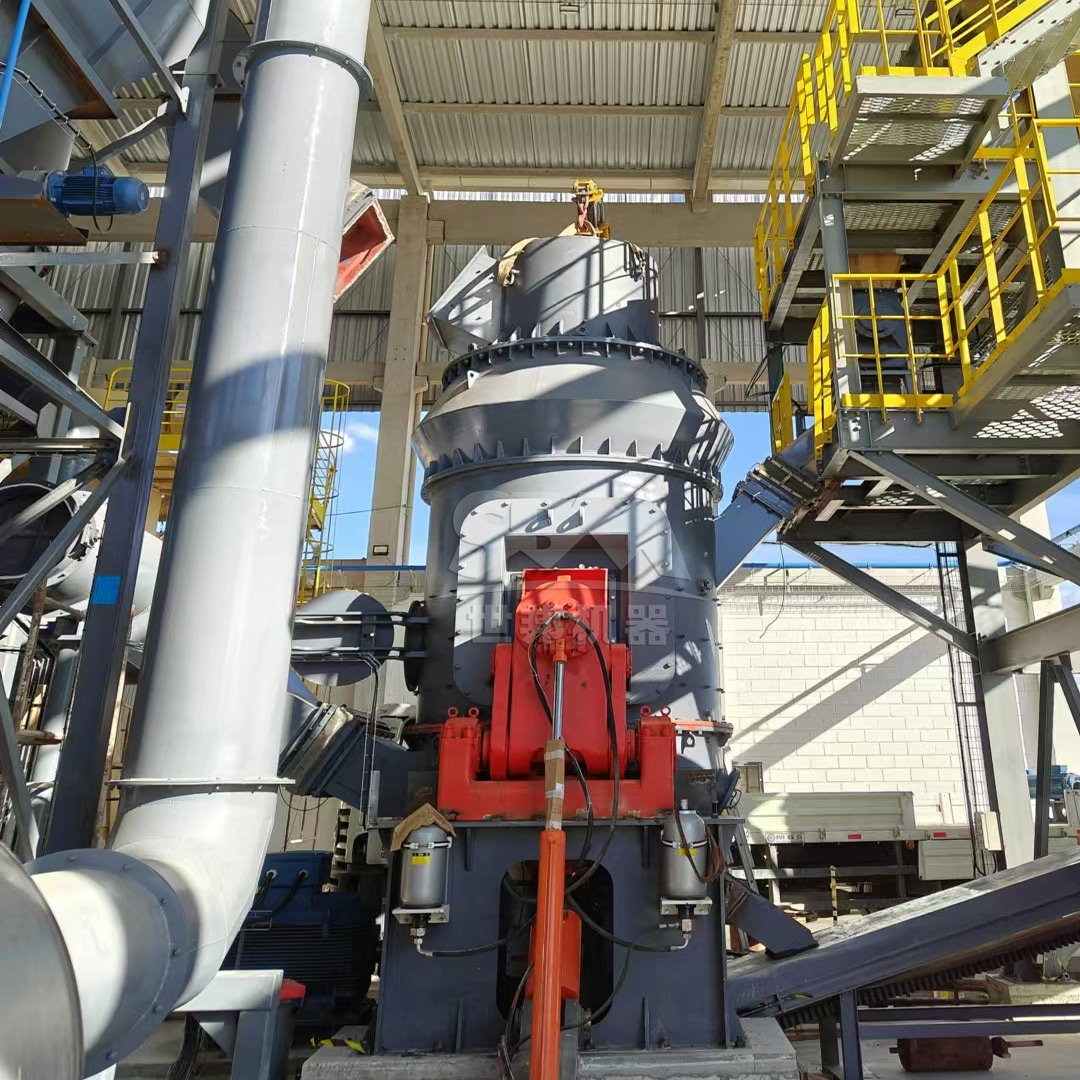
Vertical Roller Mills (VRMs) have emerged as the preferred technology for grinding brittle, medium-hard materials like slag. Their working principle offers distinct advantages perfectly suited for phosphorus slag processing. Material is fed onto a rotating grinding table and crushed under pressure from hydraulically loaded rollers. The ground material is then transported by an air stream to an integrated dynamic classifier, where oversized particles are separated and returned to the table for further grinding, while the finished product is conveyed to the collection system.
Key Advantages of VRMs for Phosphorus Slag
- High Grinding Efficiency & Energy Savings: The bed-compression grinding principle is far more efficient than the impact/attrition of ball mills. Energy savings of 30-50% are commonly achieved, making the process significantly more economical and sustainable.
- Precise Particle Size Control: Integrated high-efficiency classifiers allow for real-time adjustment of product fineness. This ensures a consistent, narrowly distributed particle size curve, which is critical for optimizing the slag’s reactivity and water demand in concrete mixes.
- Integrated Drying Capability: Phosphorus slag may contain residual moisture. VRMs can utilize hot gas from an auxiliary heat source to dry the material during grinding in a single step, simplifying the process flow.
- Compact Design & Low Noise: The vertical layout and fully enclosed system result in a much smaller footprint than a ball mill circuit and operate at considerably lower noise levels.
- Environmental Friendliness: The closed, negative-pressure system minimizes dust emissions, and the lower energy consumption directly translates to a smaller carbon footprint for the final slag powder product.
Recommended Equipment for Phosphorus Slag Grinding
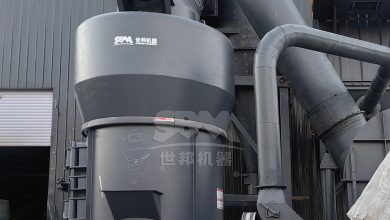
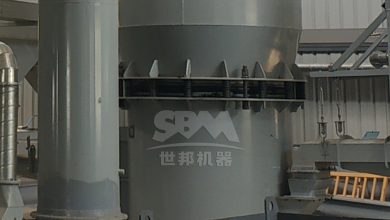
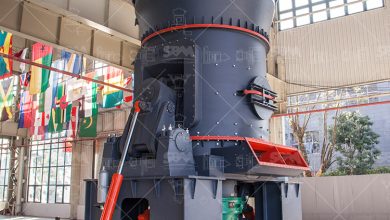
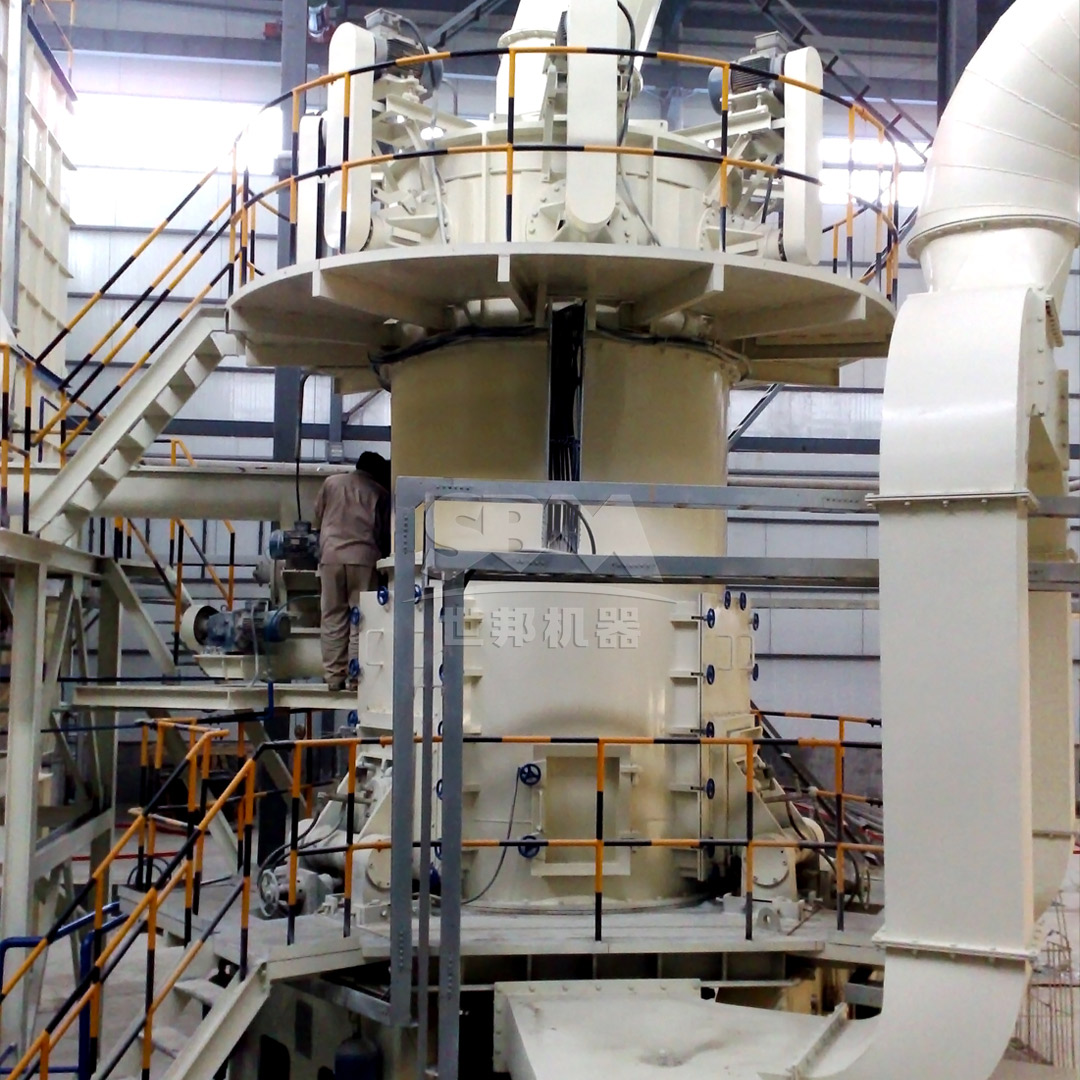
Selecting the right mill model is crucial for project success. Based on the typical requirements for producing phosphorus slag powder for concrete, we highly recommend our LM Vertical Roller Mill series, specifically the LM Slag Mill (LMxxxN) configuration. This series is engineered from the ground up for the demanding application of granulated blast furnace slag and other industrial slags, making it an ideal fit for phosphorus slag.
Why the LM Slag Mill is the Optimal Choice
The LM Slag Mill incorporates several patented technologies that address the specific challenges of slag grinding:
- Robust, Wear-Resistant Design: It features specially designed grinding rollers and table liners with high wear resistance to handle the abrasive nature of slag. The non-contact design between rollers and table further reduces wear, extending maintenance intervals.
- High Efficiency Classifier: The dynamic classifier ensures precise cuts at high fineness levels (up to 600 mesh), producing the optimal particle size for maximum pozzolanic activity.
- Intelligent Control System: An expert-level automatic control system stabilizes the mill operation, optimizes energy use, and maintains consistent product quality with minimal manual intervention.
- Proven Performance Parameters: For a mid-capacity plant, a model like the LM190K (Grinding Table Φ1900mm) offers a capacity range of 23-68 t/h for slag, with a main power of 500kW. Its integrated design reduces floor space by approximately 50% compared to a traditional ball mill system.
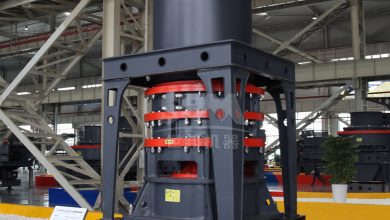
For projects requiring ultra-fine phosphorus slag powder (exceeding 600 mesh) for specialized high-performance concrete applications, our LUM Ultrafine Vertical Roller Mill presents an excellent alternative. The LUM series builds upon the VRM principle with optimized roller curves and a more advanced multi-rotor classification system, capable of producing powders in the 325-2500 mesh range with exceptional uniformity and efficiency.
Case Study: Operational Benefits in a Phosphorus Slag Processing Plant
A reference plant in Asia replaced its old ball mill system with an LM170K Slag Mill for processing phosphorus slag to a fineness of 450 m²/kg. The results were transformative:
- Energy Consumption: Specific power consumption dropped from 42 kWh/t to 28 kWh/t, a 33% reduction.
- Product Quality: The particle size distribution became more consistent, with a steeper slope on the particle size curve. This led to more predictable and improved performance in concrete trials, with a 28-day strength activity index consistently above 85%.
- Operational Stability: The intelligent control system minimized fluctuations, resulting in a steady output and reduced lab testing frequency for quality control.
- Environmental Metrics: Plant dust emissions were brought well below national standards, and overall noise pollution was significantly reduced.
Conclusion: Pioneering Sustainable Construction with Advanced Technology
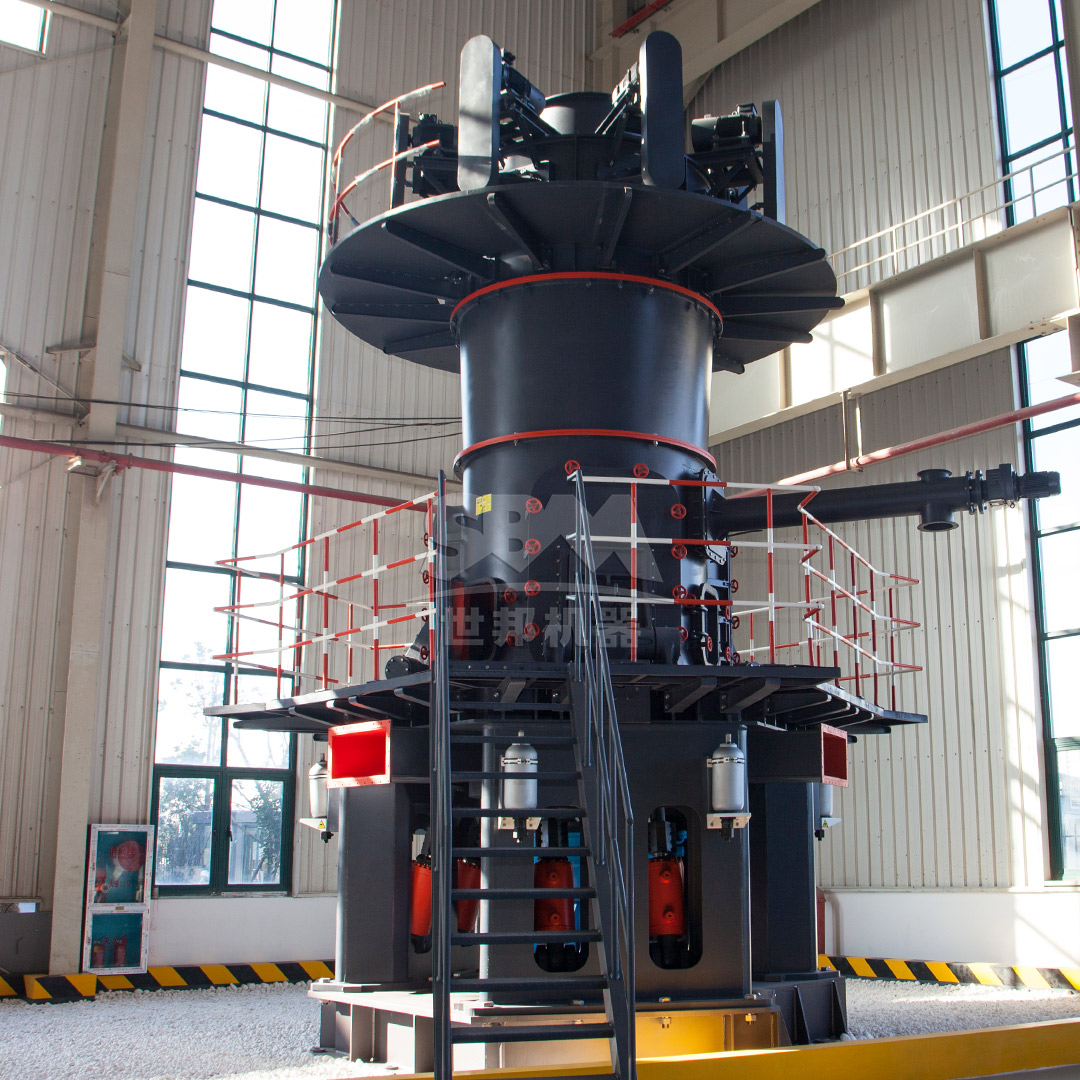
The utilization of phosphorus slag in concrete represents a win-win scenario, turning industrial waste into a valuable resource that enhances concrete performance while reducing the environmental impact of both the chemical and construction industries. The vertical roller mill, particularly specialized series like the LM Slag Mill, is the enabling technology that makes this circular economy model technically feasible and economically viable. By offering unparalleled efficiency, precise control, and operational reliability, VRMs ensure that high-quality phosphorus slag powder can be produced consistently, paving the way for its widespread adoption in green building projects worldwide. Investing in the right grinding technology is not merely an equipment purchase; it is a strategic decision to future-proof operations and contribute to a more sustainable built environment.