
What is Lithium Slab Powder Used For? Applications and Benefits
Introduction: Unveiling a Valuable Industrial By-Product
Lithium slag powder, a by-product generated during the extraction of lithium from spodumene ore, is rapidly transitioning from a waste management challenge to a highly sought-after supplementary cementitious material (SCM). As the global demand for lithium-ion batteries surges, so does the production of lithium slag. Forward-thinking industries are now recognizing its significant potential to enhance the performance and sustainability of construction materials. This article delves into the composition, applications, and multifaceted benefits of lithium slag powder, highlighting how advanced processing technologies are unlocking its full value.
Understanding Lithium Slab Powder: Composition and Production
Lithium slag is primarily composed of aluminosilicate glass, along with crystalline phases such as quartz, feldspar, and, depending on the extraction process, gypsum or calcium sulfate. Its chemical composition is rich in SiO2, Al2O3, and CaO, making it inherently pozzolanic and/or latent hydraulic. The key to transforming raw, coarse lithium slag into a reactive powder lies in fine grinding. The fineness and particle size distribution directly influence its reactivity and performance in final applications.
Primary Applications of Lithium Slab Powder
1. Concrete and Cementitious Materials
This is the most prominent application. When used as a partial replacement for Portland cement (typically 10-30%), lithium slag powder contributes to:
- Enhanced Strength and Durability: Through pozzolanic reactions, it consumes calcium hydroxide and forms additional calcium silicate hydrate (C-S-H) gel, leading to improved later-age compressive and flexural strength, as well as reduced permeability.
- Improved Workability: The fine, spherical particles often found in well-ground slag can improve the rheology of fresh concrete, reducing water demand for a given slump.
- Mitigation of Alkali-Silica Reaction (ASR): It effectively reduces the availability of alkalis and refines pore structure, helping to suppress destructive ASR in concrete containing reactive aggregates.
- Sulfate and Chloride Resistance: The densified microstructure enhances concrete’s resistance to chemical attacks from sulfates and chloride ion ingress, crucial for marine and infrastructure applications.
2. Autoclaved Aerated Concrete (AAC)
The silica-rich composition of lithium slag makes it an excellent raw material for AAC blocks. It reacts with lime under high-pressure steam curing, contributing to the formation of tobermorite, which gives AAC its strength. Using lithium slag improves the thermal and mechanical properties of the final product.
3. Geopolymer and Alkali-Activated Materials
Given its high aluminosilicate content, lithium slag is a prime candidate for use as a precursor in geopolymer binders. When activated with an alkaline solution (e.g., sodium silicate or hydroxide), it can polymerize to form a strong, durable, and low-carbon alternative to traditional cement, with excellent fire and chemical resistance.
4. Soil Stabilization and Road Base Materials
Finely ground lithium slag can be used to stabilize subgrade soils and as a component in road base layers. Its cementitious properties help bind soil particles, improving California Bearing Ratio (CBR) values, reducing plasticity, and enhancing the overall load-bearing capacity and durability of paved areas.
Key Benefits and Advantages
- Sustainability & Circular Economy: Utilizing lithium slag diverts industrial waste from landfills, reduces the clinker factor in cement production, and lowers the overall carbon footprint of construction projects.
- Economic Value: It provides a cost-effective alternative to pure Portland cement and other SCMs like fly ash or silica fume, turning a liability into a revenue stream for lithium producers.
- Technical Performance: As detailed, it improves the long-term durability, chemical resistance, and mechanical properties of cement-based composites.
- Consistency and Supply: With the lithium industry’s growth, lithium slag offers a more predictable and growing supply chain compared to some traditional SCMs.
The Critical Role of Grinding Technology
The transformation of granulated lithium slag into a high-performance powder is not trivial. It requires specialized milling equipment capable of achieving high throughput, precise particle size control (often into the ultrafine range below 45μm), and energy-efficient operation. The choice of grinding system directly impacts the reactivity, quality consistency, and economic viability of the final lithium slag powder product.
For producers looking to establish or optimize a lithium slag grinding line, selecting the right mill is paramount. Two standout solutions from our portfolio are particularly well-suited for this application, catering to different fineness and capacity requirements.
Recommended Solution 1: SCM Series Ultrafine Mill
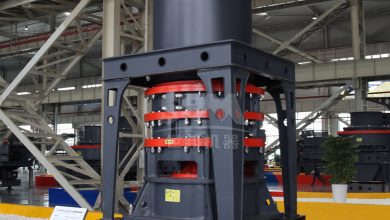
For projects demanding the highest levels of fineness to maximize the pozzolanic reactivity of lithium slag, our SCM Series Ultrafine Mill is the ideal choice. Engineered to produce powder in the range of 325 to 2500 mesh (45 to 5μm), this mill excels in creating the ultra-fine particles that lead to rapid and complete chemical reactions in concrete.
- High Efficiency & Energy Saving: Its innovative grinding mechanism delivers a capacity twice that of traditional jet mills while consuming 30% less energy, significantly lowering operational costs.
- High-Precision Classification: An integrated vertical turbine classifier ensures sharp particle size cuts, producing a uniform product free of coarse grains that could hinder performance.
- Durable & Eco-friendly: Built with special wear-resistant materials for rollers and grinding rings, it offers extended service life. The system operates under full negative pressure with a high-efficiency pulse dust collector, ensuring a clean working environment and emissions that exceed international standards.
Models like the SCM1000 (1.0-8.5 t/h, 132kW) or the larger SCM1680 (5.0-25 t/h, 315kW) provide scalable solutions for high-volume production of premium-grade ultrafine lithium slag powder.
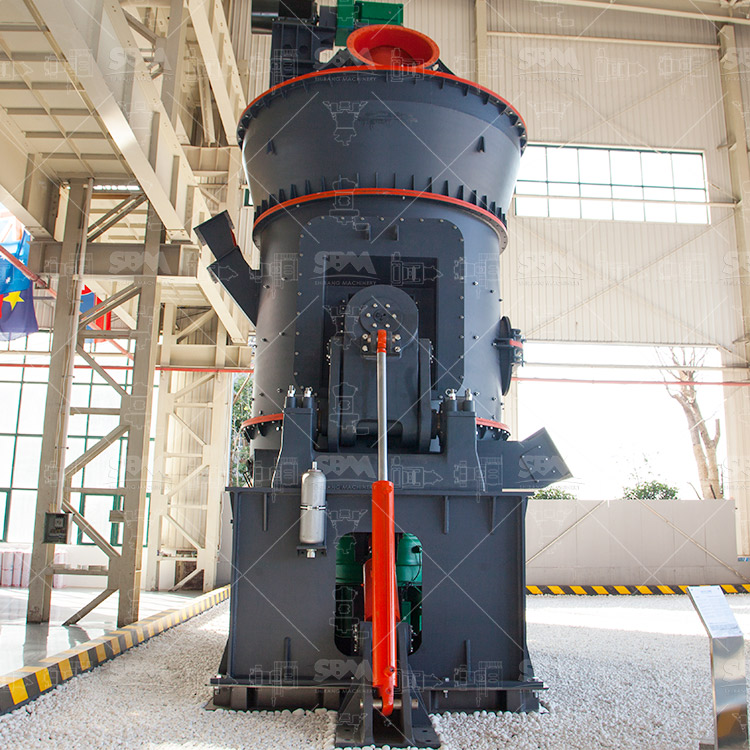
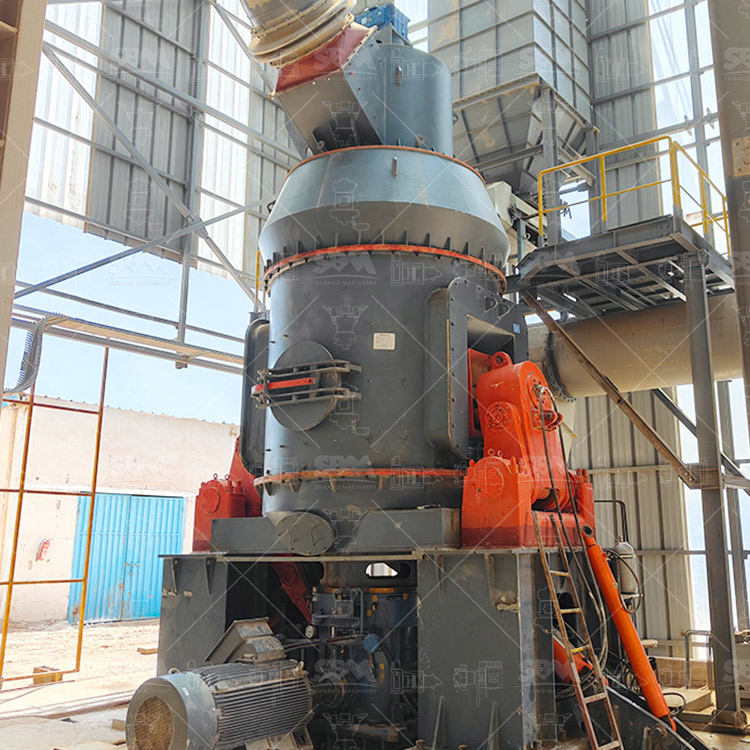
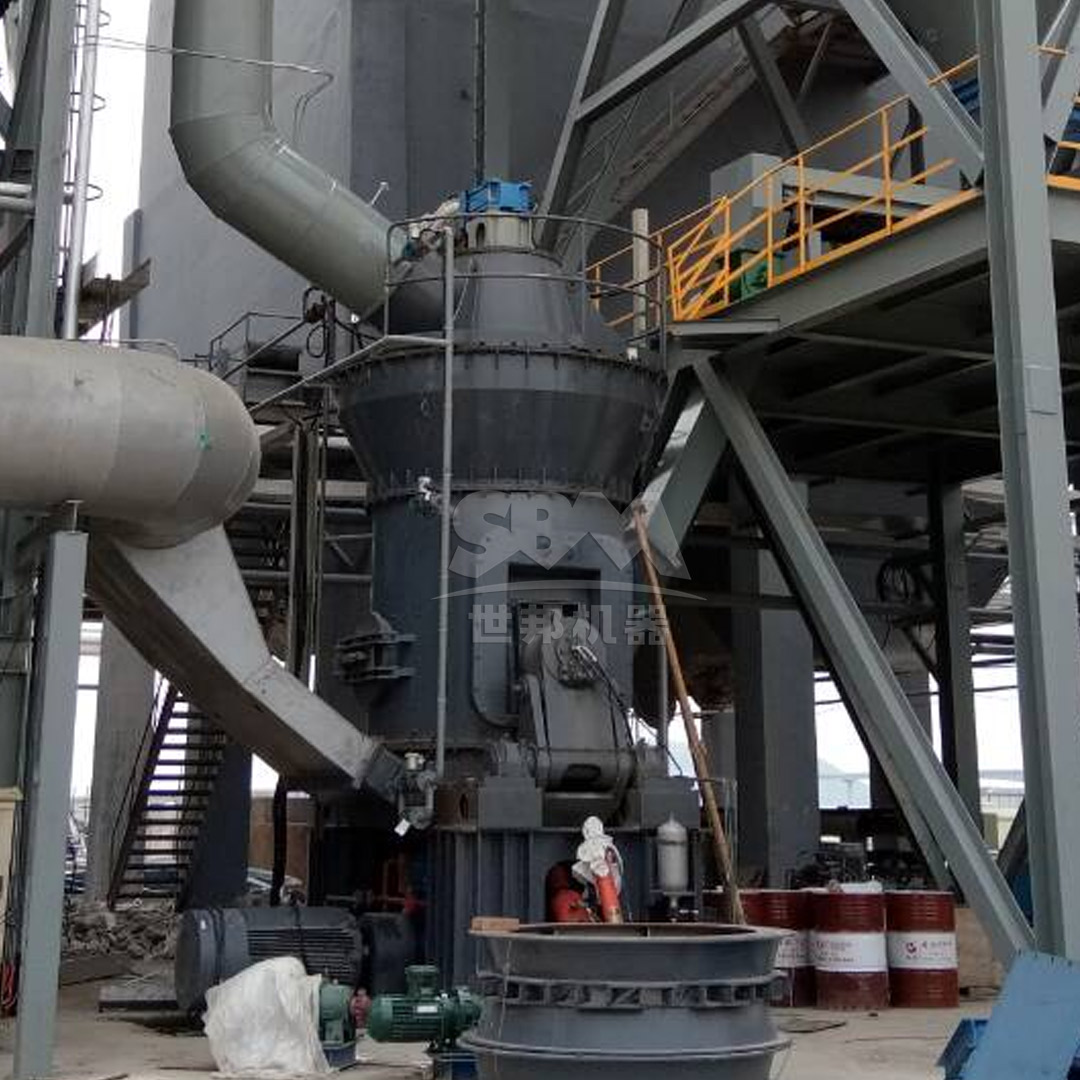
Recommended Solution 2: LM Series Vertical Roller Mill
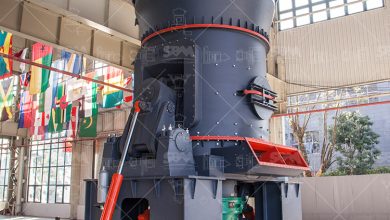
For large-scale production of lithium slag powder where a balance between fine grinding (30-325 mesh) and very high capacity is required, the LM Series Vertical Roller Mill is an industry workhorse. Its integrated design is perfectly suited for processing industrial by-products like slag.
- Integrated & Low-Cost Operation: The system combines crushing, grinding, drying, and classification in a single unit, reducing footprint by 50% and civil construction costs by 40%. Its grinding principle consumes 30-40% less energy than ball mill systems.
- Robust and Intelligent: A non-contact design between rollers and the grinding table minimizes wear, while the expert-level automatic control system allows for stable, consistent output with minimal manual intervention.
- Proven for Slag: Specifically, our LM Vertical Slag Mill series (e.g., LM190N, LM220N) is engineered to handle the abrasiveness and moisture content of slag, delivering capacities from 23 up to 105 tons per hour with excellent reliability.
Conclusion: A Sustainable Future Built on Innovation
Lithium slag powder represents a powerful synergy between the clean energy and sustainable construction sectors. Its widespread adoption in concrete, geopolymers, and other materials offers a clear path to reducing the environmental impact of both industries. However, realizing this potential hinges on advanced processing technology. By employing efficient, precise, and robust grinding solutions like the SCM Ultrafine Mill or the LM Vertical Roller Mill, producers can transform lithium slag from a by-product into a consistent, high-value, and performance-enhancing material, paving the way for a more resource-efficient built environment.