How to Configure Equipment for 100,000 Tons Annual Production of Calcined Kaolin
Introduction
Establishing a production line for calcined kaolin with an annual output of 100,000 tons is a significant industrial undertaking that requires meticulous planning and strategic equipment selection. Calcined kaolin, valued for its enhanced brightness, opacity, and abrasion resistance, is a critical material in industries ranging from paper and paints to plastics and ceramics. The production process involves several key stages: raw material handling, drying, calcination, grinding, and classification. The heart of the operation lies in the thermal treatment and subsequent size reduction to achieve the desired product specifications. This article provides a comprehensive guide to configuring a reliable, efficient, and profitable production line for this scale, with a focus on optimizing the grinding circuit—a major determinant of product quality and operational cost.
1. Process Flow Overview
A typical 100,000 TPY calcined kaolin production line follows a sequential process:
- Raw Material Reception & Pre-processing: High-quality crude kaolin is received, stored, and often undergoes initial crushing to a manageable size (typically below 50mm) using a jaw crusher or hammer mill.
- Drying: The moisture content of the crude kaolin is reduced in a rotary dryer to prepare it for efficient calcination.
- Calcination: The dried material is fed into a rotary kiln or flash calciner, where it is heated to temperatures between 1000°C and 1100°C. This process drives off chemically bound water (dehydroxylation), alters the crystal structure, and enhances the whiteness and hardness of the product.
- Cooling: The hot calcined material is rapidly cooled in a cooler to stabilize its properties and prepare it for grinding.
- Grinding & Classification (The Core Stage): The cooled, hard calcined kaolin is ground to the target fineness (which can range from coarse fillers at 325 mesh to ultra-fine coatings at 2500 mesh). This stage is energy-intensive and requires precise equipment.
- Packaging & Storage: The final product is collected in silos and packaged for shipment.
2. Key Equipment Configuration Strategy
For a 100,000 TPY line, assuming 330 operating days per year, the required average hourly throughput is approximately 12.6 tons per hour. Equipment must be selected with a 10-20% capacity buffer to account for maintenance and peak demand.
2.1 Crushing & Drying Stage
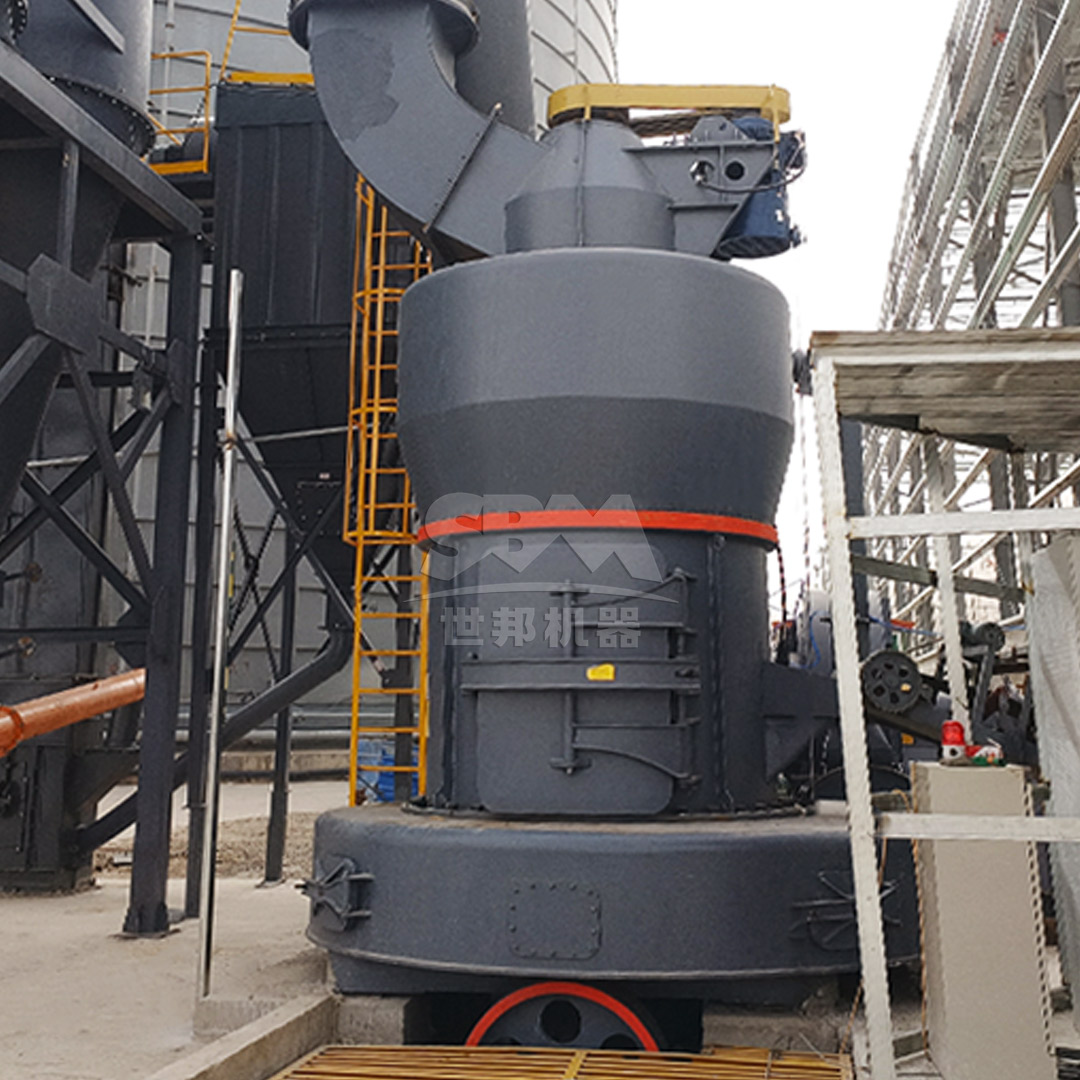
- Primary Crusher: A hammer mill, such as our PC4012-90 model (Capacity: 15-40 t/h), is ideal for reducing run-of-mine kaolin to below 30mm. Its high capacity and wear-resistant design ensure continuous feed to the dryer.
- Rotary Dryer: A single-pass or three-pass rotary dryer with a capacity of 15-20 t/h is recommended. The dryer should be sized to reduce moisture from a natural 15-20% down to 1-2%.
2.2 Calcination & Cooling Stage
- Rotary Kiln: The core of the thermal process. A kiln with an internal diameter of 3.2-3.8 meters and a length of 50-60 meters, equipped with advanced burners and temperature control systems, is suitable for this output.
- Cooler: A rotary cooler or air quenching system to bring the material temperature down to below 100°C for safe handling and grinding.
3. The Critical Grinding Circuit: Equipment Selection
The choice of grinding mill is paramount. Calcined kaolin is abrasive, and the required product fineness dictates the technology. For high-volume production targeting a broad range of fineness (from 325 to 2500 mesh), a multi-stage or highly flexible system is optimal.
3.1 Primary/Intermediate Grinding Solution
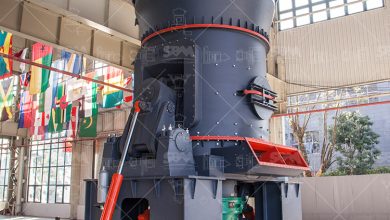
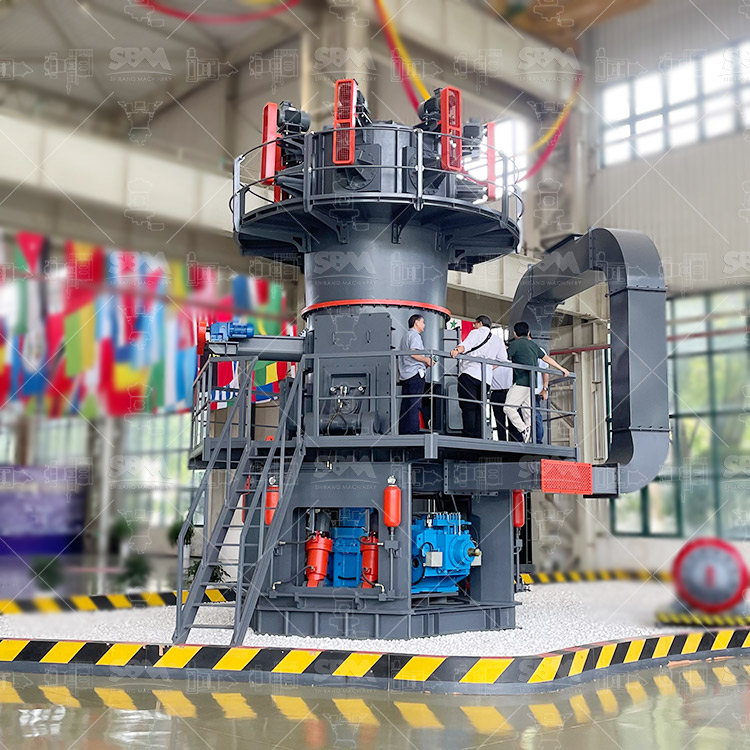
For initial size reduction from calciner output (several mm) down to a base powder of 100-325 mesh, a high-capacity, energy-efficient vertical roller mill is the industry benchmark. We highly recommend our LM Series Vertical Roller Mill, specifically the LM190K or LM220K model.
- Rationale: The LM series offers an integrated design that combines crushing, grinding, drying, and classifying in a single unit, drastically reducing footprint. For a 100,000 TPY line, the LM190K (23-68 t/h) or LM220K (36-105 t/h) provides ample capacity with significant buffer.
- Advantages for Calcined Kaolin:
- Low Operating Cost: Its bed-grinding principle consumes 30-40% less energy than traditional ball mills, a critical factor for long-term profitability.
- Durability: The non-contact design between rollers and table, coupled with wear-resistant materials, extends service life, reducing downtime and maintenance costs associated with abrasive kaolin.
- Stable Product Quality: The integrated dynamic classifier ensures consistent particle size distribution for the intermediate product.
3.2 Final Ultra-fine Grinding Solution
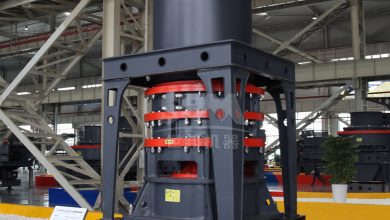
To produce high-value, ultra-fine calcined kaolin (800-2500 mesh), a dedicated ultra-fine grinding mill is essential. Our flagship product for this application is the SCM Series Ultrafine Mill.
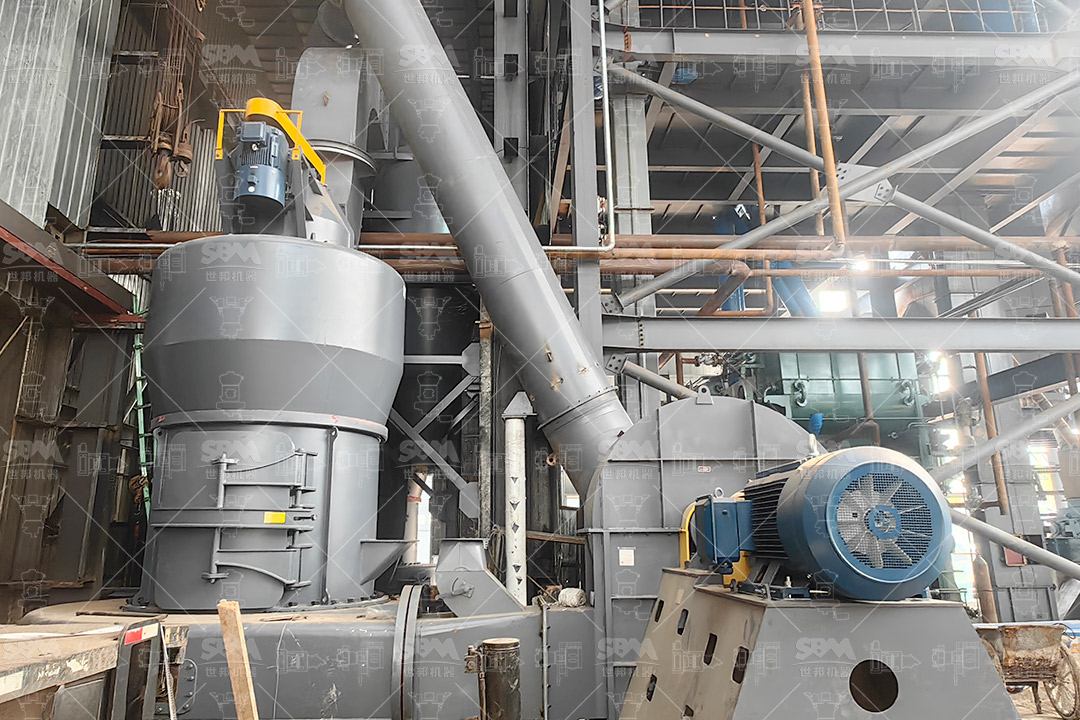
- Rationale: To achieve the target annual output, multiple units of the larger SCM models would be configured in parallel. For instance, two SCM1680 mills (5-25 t/h each) operating in tandem can reliably deliver the required ultra-fine powder output.
- Advantages for Ultra-fine Kaolin:
- High-Precision Classification: Its vertical turbine classifier achieves precise particle size cutting with no coarse powder mixing, which is critical for coating-grade kaolin where top-cut size is strictly controlled.
- High Efficiency: It offers twice the capacity of jet mills with 30% lower energy consumption, making it the most cost-effective solution for large-scale ultra-fine production.
- Eco-friendly Operation: The pulse dust collection system ensures dust emission meets the strictest international standards, a key consideration for modern plants.
4. Auxiliary System Configuration
A robust production line relies on its support systems:
- Material Handling: Belt conveyors, bucket elevators, and screw feeders sized for 15-20 t/h capacity.
- Dust Collection: A plant-wide baghouse dust collection system, potentially integrating the mills’ built-in collectors, to maintain a clean environment.
- Electrical & Control: A centralized PLC/SCADA control system for monitoring and automating the entire process, especially the grinding mills’ expert-level auto-control systems for stable fineness and output.
- Compressed Air: For instrument air and pulse-jet cleaning of bag filters.
5. Layout and Investment Considerations
The plant layout should facilitate a smooth material flow with minimal cross-traffic. The vertical design of the LM and SCM mills significantly reduces the required building height and footprint compared to traditional ball mill systems. Major capital investment will be in the calciner, grinding mills, and dust collection systems. The operational cost will be dominated by energy (calcination and grinding) and maintenance (wear parts for abrasive processing).
Conclusion
Configuring a 100,000-ton annual production line for calcined kaolin demands a holistic approach focused on process efficiency, product quality, and long-term operational economics. The selection of the grinding circuit is the most critical decision. A configuration utilizing an LM Series Vertical Roller Mill for efficient primary/intermediate grinding, coupled with parallel SCM Series Ultrafine Mills for high-value ultra-fine production, represents a state-of-the-art, energy-optimized solution. This combination leverages high capacity, low wear, precise classification, and intelligent control to ensure the plant meets its production targets reliably while maintaining superior product quality and competitive operating costs for years to come.