What is the Best Mill for Grinding Limestone into Powder?
Introduction: The Critical Role of Limestone Powder
Limestone powder is a cornerstone material in modern industry, finding essential applications in construction (as a filler in asphalt, concrete, and mortar), agriculture (soil conditioner), environmental protection (flue gas desulfurization), and manufacturing (paper, plastics, paints, and coatings). The quality, fineness, and particle size distribution of the powder directly impact the performance and cost-effectiveness of the final product. Consequently, selecting the optimal grinding mill is not merely an equipment choice but a strategic decision affecting production efficiency, product quality, and overall operational profitability. This article provides a comprehensive analysis of the key factors in mill selection and explores the most suitable technologies for processing limestone into powder.
Key Factors in Selecting a Limestone Grinding Mill
Choosing the right mill requires a careful evaluation of several interconnected parameters:
1. Desired Output Fineness (Mesh/Microns)
This is the primary driver of mill selection. Different applications demand different fineness levels:
- Coarse Powder (30-100 mesh / 600-150μm): Used in agriculture, road base, and some construction fillers.
- Medium-Fine Powder (100-325 mesh / 150-45μm): Common for plastics, rubber fillers, and feed additives.
- Fine & Ultrafine Powder (325-2500 mesh / 45-5μm and below): Critical for high-value applications like high-grade paper coatings, premium paints, advanced plastics, and pharmaceuticals.
2. Required Production Capacity (Tons per Hour)
The scale of operation dictates the size and power of the mill. Pilot plants, small-scale specialty chemical producers, and large-scale building material manufacturers have vastly different throughput requirements, ranging from less than 1 t/h to over 100 t/h.
3. Raw Material Characteristics
The hardness (Mohs scale, typically 2-3 for limestone), moisture content, feed size (≤20mm, ≤50mm, etc.), and abrasiveness of the limestone must be considered. Mills must be robust enough to handle the material without excessive wear.
4. Energy Efficiency & Operating Costs
Grinding is an energy-intensive process. The specific energy consumption (kWh/ton) of the mill is a major determinant of long-term operational expenses. Advanced designs focus on maximizing grinding efficiency with minimal energy waste.
5. Environmental & Space Considerations
Modern mills must operate with low dust emissions, controlled noise levels, and a compact footprint. Integrated systems with efficient dust collectors are now a standard requirement.
Overview of Common Grinding Mill Technologies for Limestone
Various mill types are employed in the industry, each with its own strengths and optimal application range.
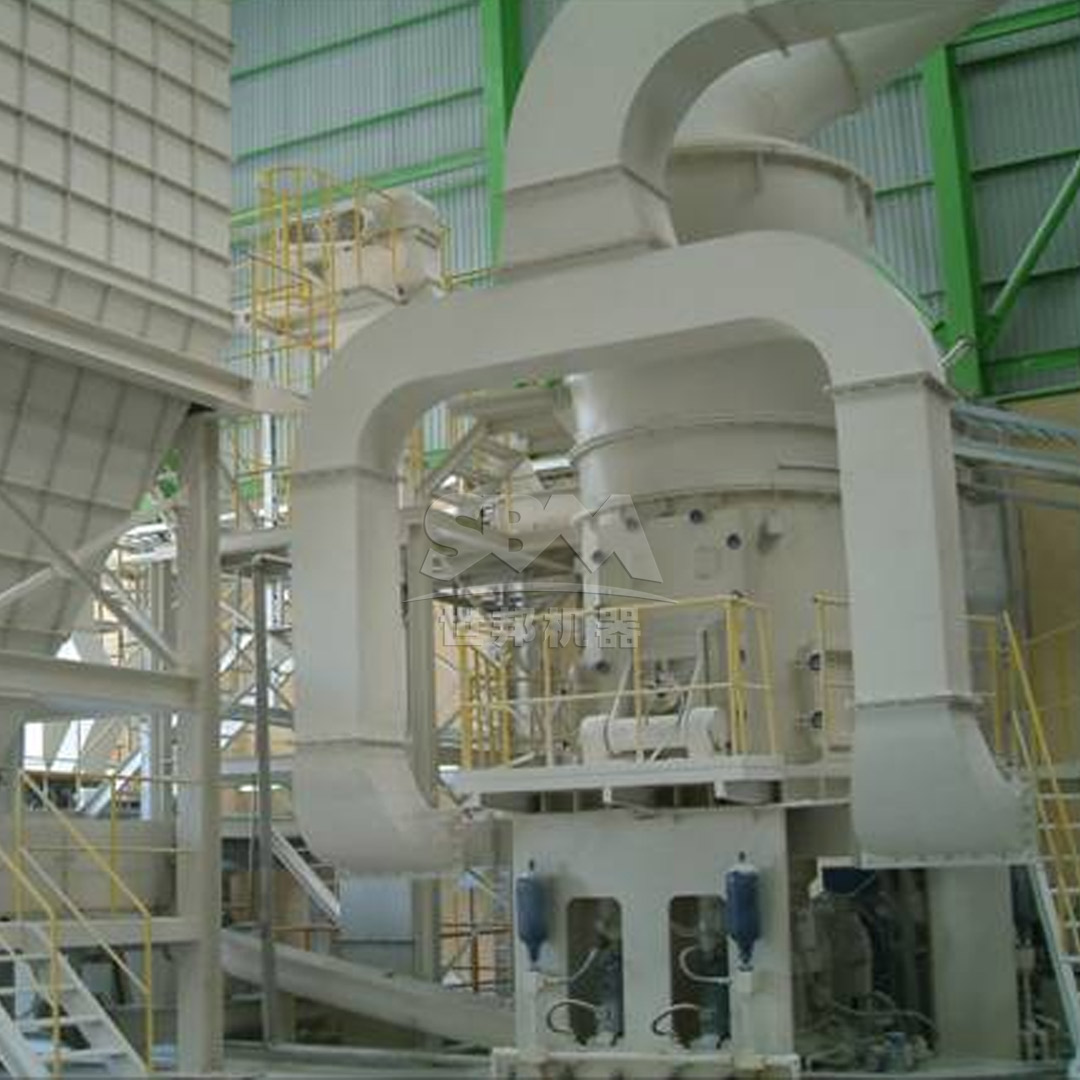
Ball Mill
A traditional and versatile workhorse, ball mills operate on the principle of impact and attrition as grinding media (steel balls) cascade inside a rotating cylinder. They are capable of both dry and wet grinding and can produce powder in the range of 0.074-0.8mm (approximately 200-20 mesh). Their advantages include simplicity, reliability, and a wide application range. However, for limestone grinding, they are often less energy-efficient compared to newer technologies, especially for medium and fine grinding, and they have a larger footprint and higher noise levels.
Raymond Mill (or Pendulum Roller Mill)
This has been a standard for decades for producing powder in the 30-325 mesh range. It uses spring-loaded rollers that rotate against a stationary ring to crush the material. While reliable for medium-fine powder, traditional designs can struggle with achieving consistent ultrafine fineness and may have higher wear rates on certain components.
Hammer Mill
Best suited for primary and secondary crushing of limestone to a relatively coarse size (0-3mm). It uses high-speed rotating hammers to shatter the material against liners. It is not typically used for producing fine commercial powders but is excellent as a pre-crusher ahead of a fine grinding mill.
Advanced Mill Technologies: The Optimal Choices for Modern Limestone Processing
For most contemporary industrial applications demanding high efficiency, precise fineness control, and lower operational costs, advanced mill designs offer superior solutions.
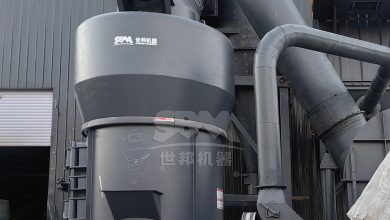
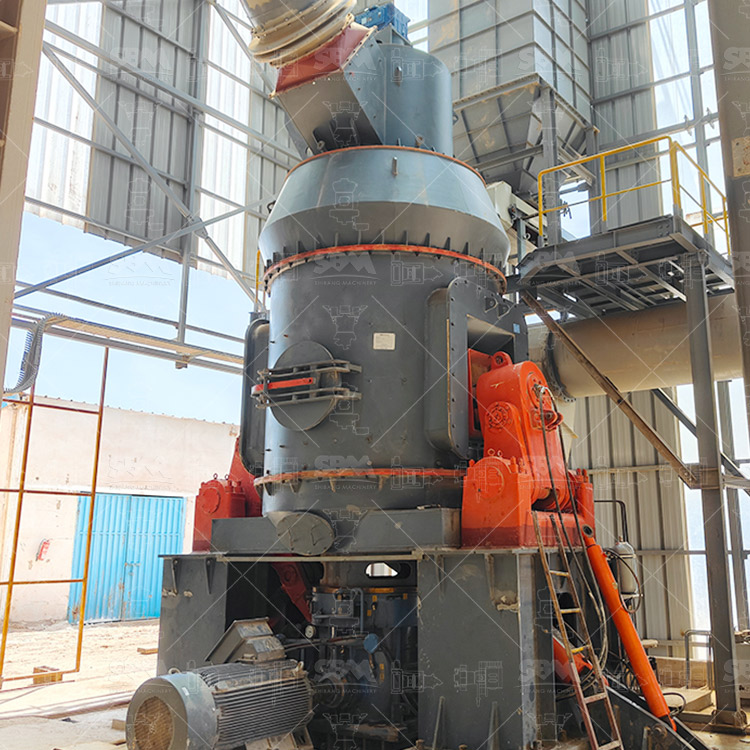
Vertical Roller Mill (VRM)
The Vertical Roller Mill represents a leap in grinding technology. Material is fed onto a rotating table and is ground under pressure by hydraulically loaded rollers. A key stream of air carries the ground material to an integrated classifier.
Advantages for Limestone:
- High Energy Efficiency: Direct grinding on the table consumes 30-40% less energy than a ball mill for the same output.
- Excellent Drying Capacity: Hot air can be introduced to simultaneously dry and grind limestone with moderate moisture.
- Compact Design: Integrates crushing, grinding, drying, and classification in one unit, significantly saving floor space.
- Precise Particle Size Control: Dynamic classifiers allow for tight control over the product fineness, typically from 30 to 325 mesh.
For large to medium-scale production of limestone powder in the coarse to medium-fine range (e.g., for cement raw meal, desulfurization, or construction fillers), the VRM is often the most economical and efficient choice.
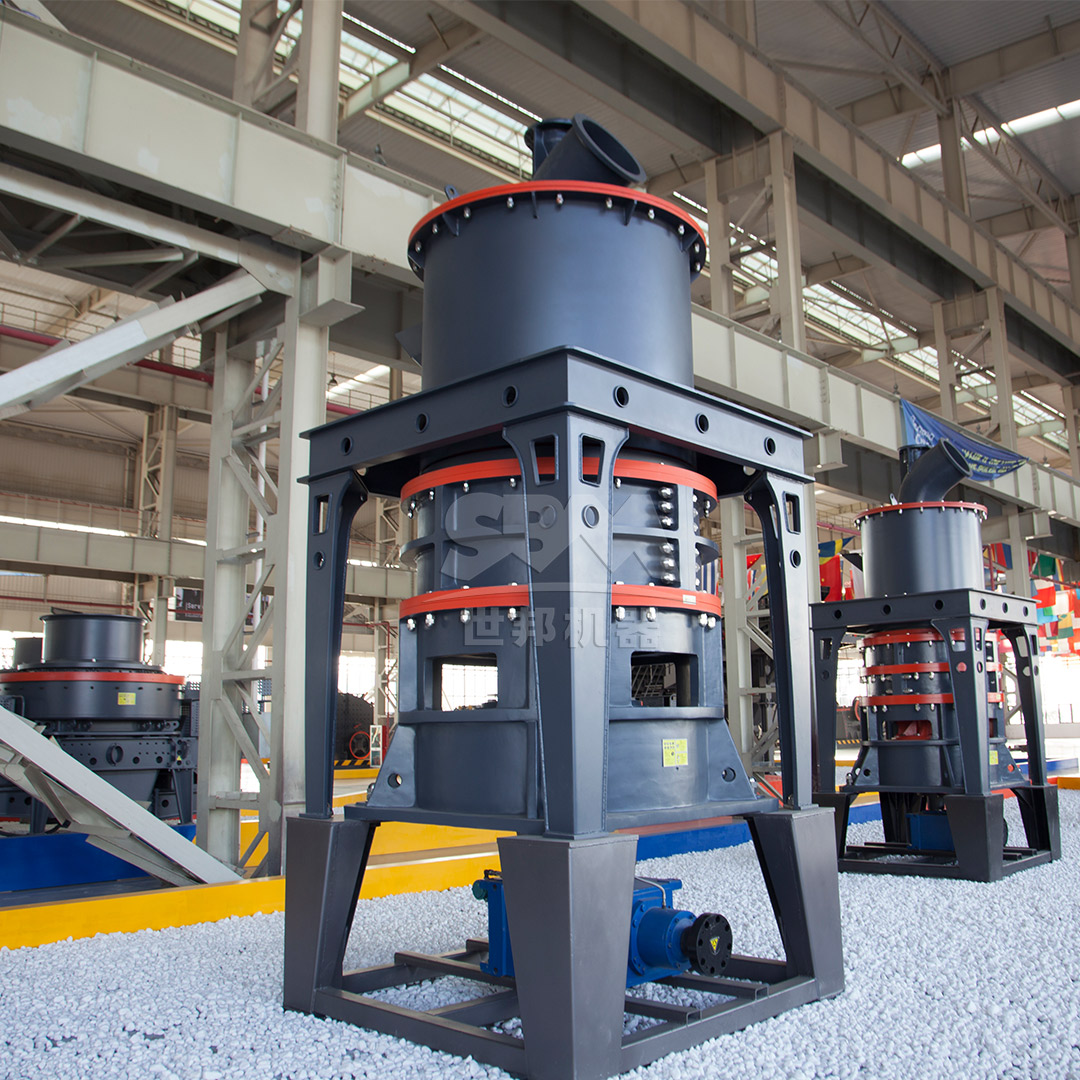
Ultrafine Grinding Mill
When the target product is a premium fine or ultrafine powder (325 mesh and above), specialized ultrafine mills are required. These mills combine intense mechanical grinding forces with highly precise air classification.
Advantages for Ultrafine Limestone:
- Exceptional Fineness: Capable of producing powder from 325 mesh (45μm) down to 2500 mesh (5μm) and beyond.
- Narrow Particle Size Distribution: Advanced classifiers ensure a uniform product with minimal coarse particles, which is critical for coatings and high-end fillers.
- High Efficiency for Target Range: While energy-intensive in absolute terms, they are the most efficient technology for achieving ultrafine fineness.
Recommended Solutions: SBM’s Engineered Mills for Limestone
Based on the critical factors outlined above, we recommend two of our flagship mill series, each excelling in a specific segment of the limestone powder market.
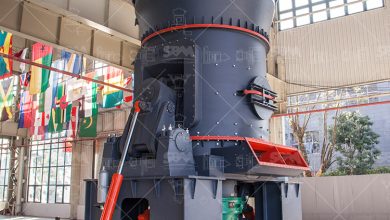
1. For High-Capacity, Coarse to Medium-Fine Grinding: MTW Series European Trapezium Mill
When your project requires robust, high-volume production of limestone powder in the 30-325 mesh range (e.g., for industrial fillers, desulfurization, or feed additives), the MTW Series European Trapezium Mill is an outstanding choice. This next-generation pendulum roller mill incorporates numerous patented improvements.
Why it excels for limestone:
- High Capacity & Efficiency: With capacities from 3 to 45 TPH, it handles large-scale projects. Its integral bevel gear transmission achieves up to 98% efficiency, saving energy.
- Enhanced Durability: The anti-wear shovel design and wear-resistant volute structure are specifically engineered to handle abrasive materials like limestone, reducing maintenance frequency and cost.
- Superior Product Shape: The grinding principle produces more cubic-shaped particles, which can be beneficial for certain filler applications.
- Eco-Friendly Operation: The system is designed for integration with high-efficiency pulse dust collectors, ensuring clean operation.
Models like the MTW215G, with an input size of ≤50mm and a capacity of 15-45 TPH, are perfectly suited for building large, modern limestone powder production lines.
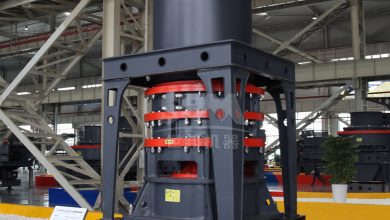
2. For Premium Fine & Ultrafine Powder Production: SCM Series Ultrafine Mill
For producers targeting the high-value-added market of ultrafine limestone powder (325-2500 mesh) for applications in paints, plastics, paper, and advanced composites, the SCM Series Ultrafine Mill is the definitive technological solution.
Why it is the best for ultrafine limestone:
- Unmatched Fineness & Uniformity: Its high-precision vertical turbine classifier guarantees precise particle size cutting, delivering a consistent product with no coarse powder mixing.
- Energy-Saving Design: Despite its ultrafine capabilities, it offers a capacity 2x that of some jet mills while consuming 30% less energy, thanks to its optimized grinding chamber and intelligent control system.
- Exceptional Wear Resistance: The grinding rollers and rings are made from special materials, extending service life several times over when processing moderately abrasive limestone.
- Turnkey System: It operates as a complete system with integrated crushing, grinding, classification, and dust collection (exceeding 99.9% efficiency), ensuring a dust-free and low-noise environment.
Whether you need a smaller unit like the SCM800 (0.5-4.5 TPH) for specialized production or a large-scale model like the SCM1680 (5-25 TPH), this series provides a reliable and efficient path to premium-grade limestone powder.
Conclusion: Making the Informed Choice
There is no single “best” mill for all limestone grinding applications. The optimal selection is a direct function of your target product specifications, required capacity, and economic parameters.
- Choose a Vertical Roller Mill (like our LM Series) or an advanced MTW European Trapezium Mill for high-tonnage production of coarse to medium-fine powder (30-325 mesh) where overall efficiency and low operating cost are paramount.
- Choose an Ultrafine Mill (like our SCM Series) when your business demands entry into the high-value market of superfine powders (325-2500 mesh), where product uniformity and fineness are non-negotiable quality metrics.
Investing in the right grinding technology is an investment in product quality, market competitiveness, and long-term operational sustainability. We recommend a thorough analysis of your needs followed by consultation with our technical experts to tailor the perfect milling solution for your specific limestone processing goals.