How to Choose the Right Limestone Grinding System Solution
Introduction
Limestone, a cornerstone material for industries ranging from construction and agriculture to chemicals and environmental protection, requires precise processing to meet diverse application specifications. The selection of an appropriate grinding system is not merely a procurement decision; it is a strategic investment that directly impacts product quality, operational efficiency, energy consumption, and overall profitability. This guide provides a comprehensive framework for evaluating and selecting the optimal limestone grinding solution, ensuring your investment aligns perfectly with your production goals.
Key Factors in Selecting a Limestone Grinding System
1. Desired Product Fineness and Particle Size Distribution
The required fineness is the primary driver of equipment selection. Limestone products span a vast spectrum:
- Coarse Powder (30-80 mesh / 0.6mm-0.18mm): Used in agriculture (soil conditioner), construction aggregates, and flue gas desulfurization (FGD).
- Fine Powder (80-325 mesh / 0.18mm-0.045mm): Essential for plastics, paints, rubber fillers, and animal feed.
- Ultrafine Powder (325-2500 mesh / 45-5μm): Critical for high-value applications like high-grade paper coatings, advanced polymers, pharmaceuticals, and adhesives.
The particle size distribution (PSD) is equally important. A narrow, consistent PSD ensures product uniformity and performance in downstream processes.
2. Required Production Capacity (Tons per Hour)
Your target throughput dictates the scale and model of the grinding mill. Systems range from small, batch-oriented units to large, continuous production lines exceeding 250 t/h. Accurately projecting both current and future capacity needs is crucial to avoid bottlenecks or underutilized capital.
3. Raw Material Characteristics
- Feed Size: The maximum size of limestone chunks fed into the mill.
- Hardness & Abrasiveness: Measured by Mohs scale or Bond Work Index. Harder, more abrasive limestone increases wear on grinding elements.
- Moisture Content: High moisture can lead to clogging in some mill types, potentially requiring a pre-drying stage.
4. Energy Efficiency and Operating Costs
Grinding is an energy-intensive process. The specific energy consumption (kWh/ton) is a key metric for operational economics. Modern mills with advanced grinding principles and efficient classifiers can offer savings of 30-50% compared to traditional technologies like ball mills.
5. System Footprint and Installation Requirements
Consider available plant space. Some systems, like vertical roller mills, offer integrated crushing, grinding, and classification in a compact footprint, reducing civil engineering costs. Others may require more horizontal space and complex ancillary equipment layouts.
6. Environmental and Noise Considerations
Modern plants must adhere to strict environmental standards. Key factors include:
- Dust Emission Control: A fully sealed negative pressure system with high-efficiency pulse bag dust collectors is essential.
- Noise Levels: Mills should operate within acceptable decibel ranges, often requiring integrated soundproofing designs.
Overview of Common Limestone Grinding Technologies
Ball Mill
A traditional and versatile workhorse, suitable for both wet and dry grinding to a medium fineness (0.074-0.8mm). It offers high reliability but tends to have higher energy consumption, a larger footprint, and generates more heat and noise compared to newer technologies.
Raymond Mill (Pendulum Roller Mill)
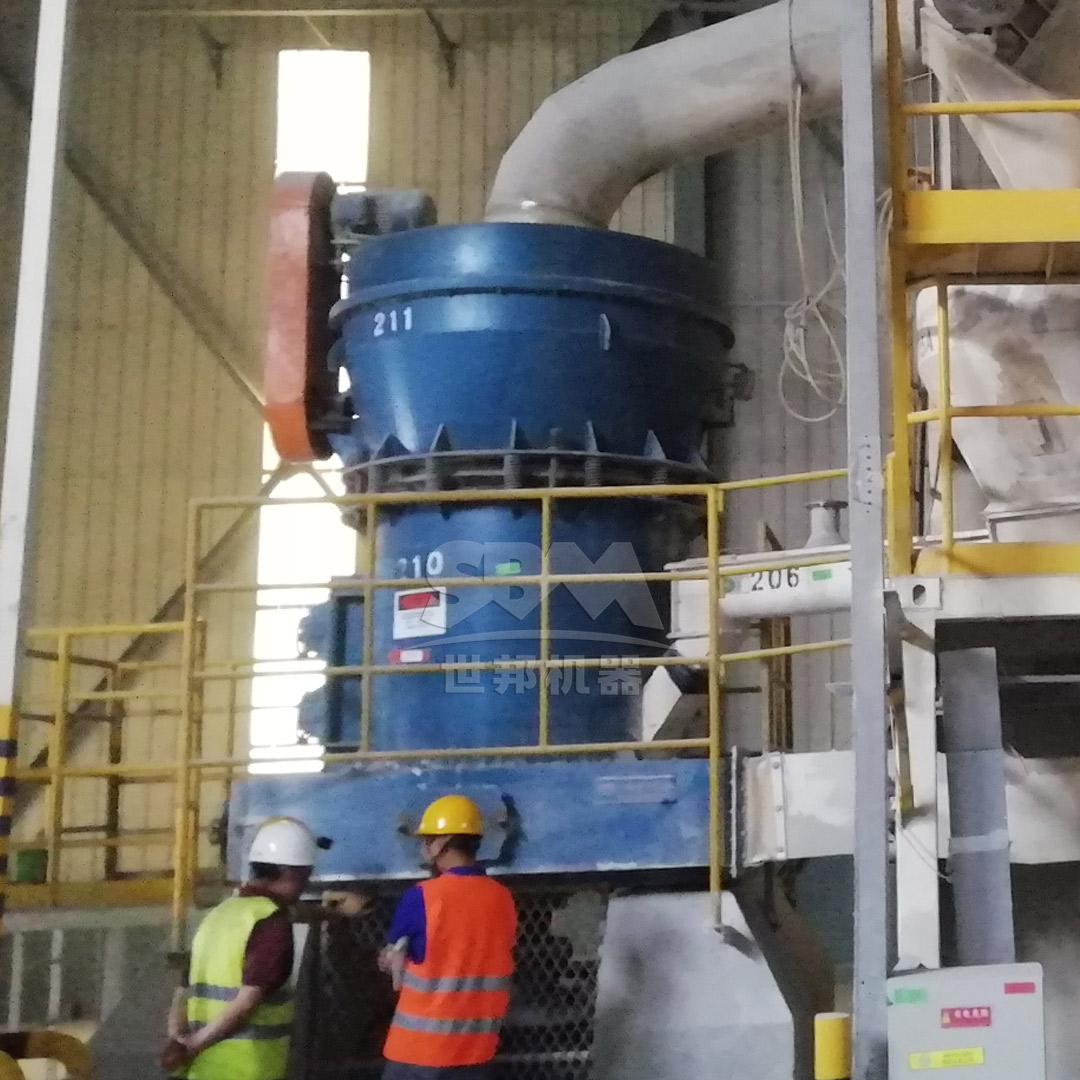
Excellent for producing fine powder in the range of 30-325 mesh. Known for its stable operation and relatively low capital cost. Modern versions like the MTW Series European Trapezium Mill have significantly improved efficiency and wear resistance. For instance, our MTW215G model can process up to 45 t/h of limestone down to 325 mesh, featuring an integral bevel gear drive with 98% transmission efficiency and wear-resistant components that reduce maintenance costs by 30%.
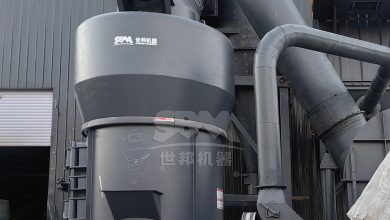
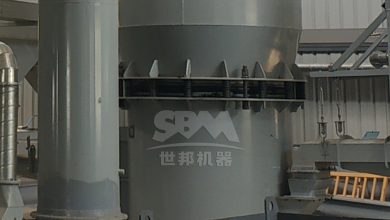
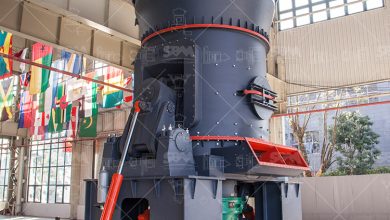
Vertical Roller Mill (VRM)
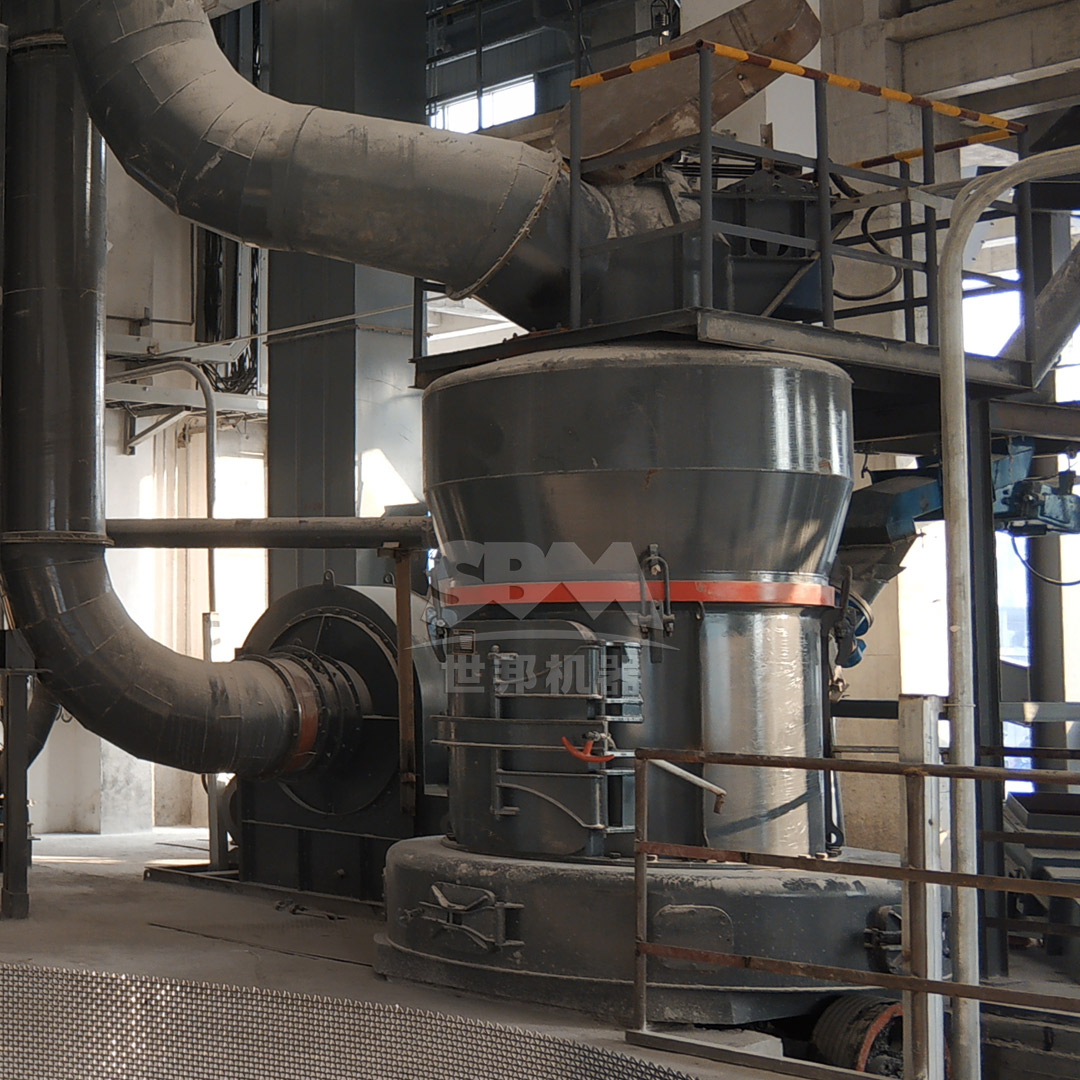
The premier choice for large-scale production of medium to fine limestone powder (30-325 mesh, up to 600 mesh). VRMs dominate in cement raw meal preparation and are ideal for dedicated limestone powder lines. Their core advantages are unmatched energy efficiency (30-40% lower than ball mills), integrated drying capability for slightly moist materials, and a very compact design. Our LM Series Vertical Roller Mill, for example, integrates crushing, grinding, and classification, reducing floor space by 50% and infrastructure costs by 40%. Its intelligent control system allows for remote monitoring and stable, low-intervention operation.
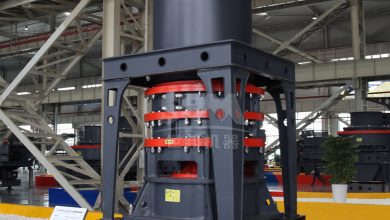
Ultrafine Grinding Mill
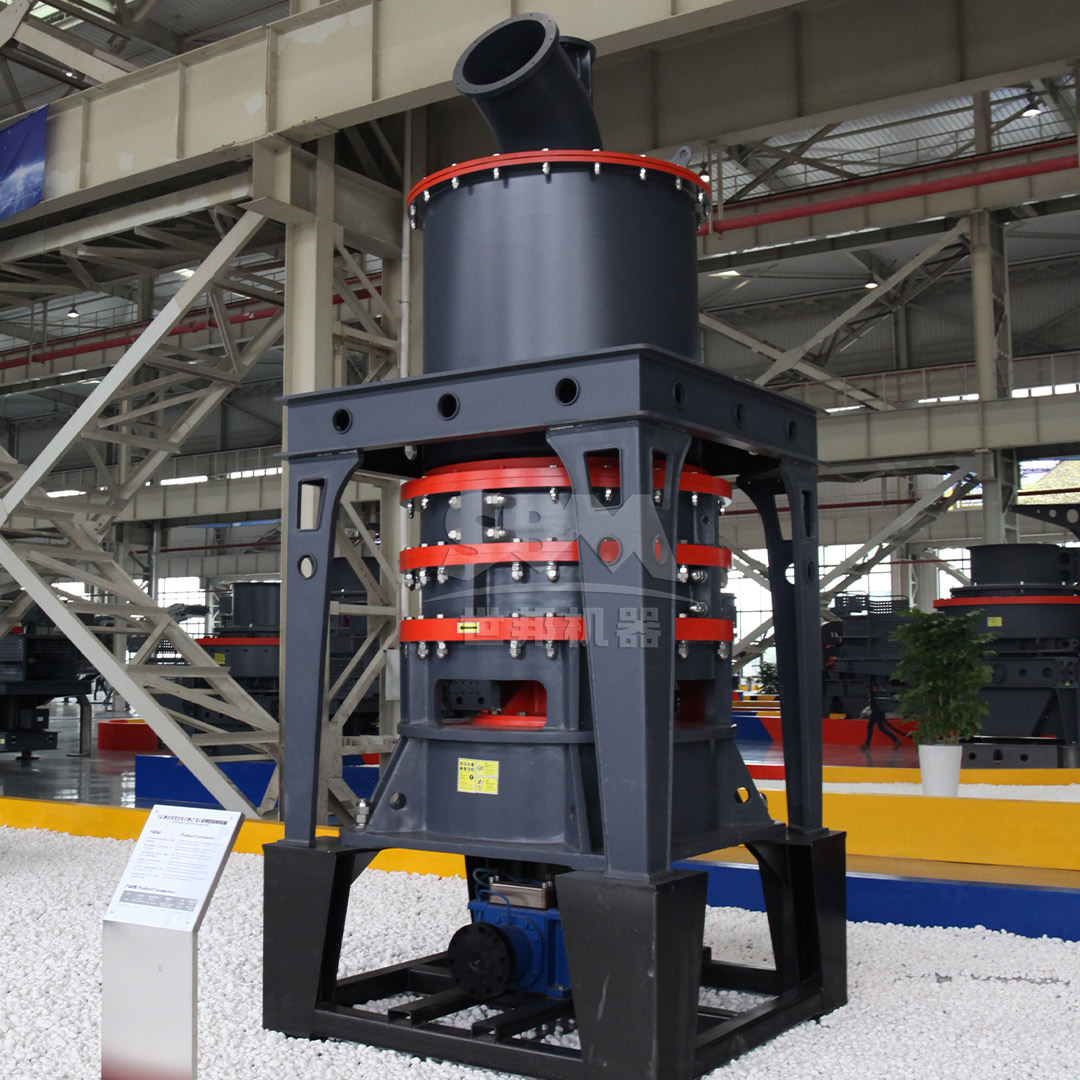
Specialized equipment is required to achieve fineness beyond 325 mesh and into the micron and sub-micron range. These mills combine intense mechanical force with precise air classification. For producing high-value ultrafine limestone powder (325-2500 mesh), our SCM Series Ultrafine Mill is an industry-leading solution. It utilizes a high-precision vertical turbine classifier to ensure no coarse powder mixing, resulting in a uniform, high-quality product. With a capacity 2x that of jet mills and 30% lower energy consumption, the SCM series, such as the SCM1680 model capable of 25 t/h, offers exceptional efficiency and durability for demanding ultrafine applications.
Decision-Making Framework: Matching Your Needs to the Technology
| Your Primary Requirement | Recommended Technology | Key Considerations |
|---|---|---|
| High Capacity (>50 t/h), 30-325 mesh | Vertical Roller Mill (e.g., LM Series) | Lowest operating cost, integrated drying, large footprint savings. |
| Medium Capacity (5-45 t/h), 30-325 mesh | European Trapezium Mill (e.g., MTW Series) | Excellent balance of cost, efficiency, and product quality, robust construction. |
| Ultrafine Powder (325-2500 mesh) | Ultrafine Mill (e.g., SCM Series) | High-precision classification, energy-efficient design for fine grinding. |
| Coarse to Medium Powder, Wet/Dry Process | Ball Mill | Proven technology, high flexibility, but higher energy use. |
| Pre-grinding for Cement/Sand Making | Vertical Pre-grinding Mill (e.g., LM-Y Series) | Significant energy savings (30-50%) in combined grinding systems. |
Beyond the Mill: The Importance of a Complete System
A grinding solution is more than just a mill. A holistic system approach ensures optimal performance:
- Feeding System: Ensures stable and controlled material input.
- Classification System: The heart of product fineness control; dynamic classifiers are key for tight PSD.
- Dust Collection System: Mandatory for environmental compliance and product recovery.
- Process Control & Automation: Modern PLC systems optimize mill loading, fineness, and throughput, maximizing consistency and efficiency.
Conclusion
Choosing the right limestone grinding system is a multi-faceted decision that requires careful analysis of technical requirements, economic factors, and long-term operational strategy. There is no one-size-fits-all answer. By systematically evaluating your fineness, capacity, raw material properties, and sustainability goals against the capabilities of modern grinding technologies—from the high-capacity efficiency of Vertical Roller Mills and the robust reliability of European Trapezium Mills to the precision of Ultrafine Grinding Mills—you can make an informed investment that will serve as a reliable and profitable foundation for your limestone processing operations for years to come.