How to Grind Aluminum Powder: Methods and Safety Tips
Introduction
Aluminum powder is a versatile material with applications ranging from pyrotechnics and explosives to paints, coatings, and advanced manufacturing processes like additive manufacturing. The properties of the final aluminum powder, such as particle size distribution, morphology, and purity, are critically dependent on the grinding method employed. Producing high-quality aluminum powder requires not only the right equipment but also a deep understanding of the material’s behavior and stringent safety protocols due to its combustible nature. This guide provides a comprehensive overview of industrial methods for grinding aluminum, essential safety considerations, and insights into selecting the optimal machinery for your production needs.
Understanding Aluminum for Grinding
Aluminum is a ductile, malleable metal with relatively low hardness. This presents unique challenges in comminution. Unlike brittle materials that fracture easily, aluminum tends to deform plastically under stress, which can lead to agglomeration, cold welding of particles, and excessive heat generation during grinding. The target fineness dictates the choice of technology:
- Coarse to Medium Grinding (600 – 45μm / 30 – 325 mesh): Suitable for applications like refractory materials, certain chemical processes, and metallurgical uses.
- Fine to Ultrafine Grinding (45 – 5μm / 325 – 2500 mesh): Required for high-grade pigments, conductive pastes, rocket propellants, and specialized 3D printing powders.
The grinding process must be designed to overcome aluminum’s ductility, often through a combination of impact, shear, and compression forces, while effectively managing heat and oxidation.
Primary Industrial Grinding Methods for Aluminum
1. Ball Milling
Ball milling is a traditional and widely used method for producing aluminum powder. It involves a rotating cylindrical chamber (shell) partially filled with grinding media, typically hardened steel balls. The aluminum feedstock is fed into the chamber, and as the shell rotates, the balls are lifted and then cascade down, impacting and attriting the material.
Advantages: Proven technology, capable of both dry and wet grinding, high capacity, and relatively simple operation.
Considerations for Aluminum: Can generate significant heat, requiring effective cooling systems. There is a risk of iron contamination from wear of steel balls and liners, which may be unacceptable for high-purity applications. It is generally more suitable for coarser grinds.
2. Hammer Milling
Hammer mills are impact mills that use rapidly rotating hammers to shatter and disintegrate material against a hardened liner or screen. They are excellent for preliminary size reduction of aluminum scrap or larger chunks.
Advantages: High throughput, good for initial crushing, and simple design.
Considerations for Aluminum: Primarily produces flake-like particles rather than spherical or granular powder. Limited ability to achieve fine or uniform particle sizes. Heat generation can be high.
3. Vertical Roller Milling (for Fine to Medium Grinds)
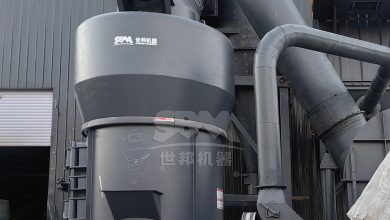
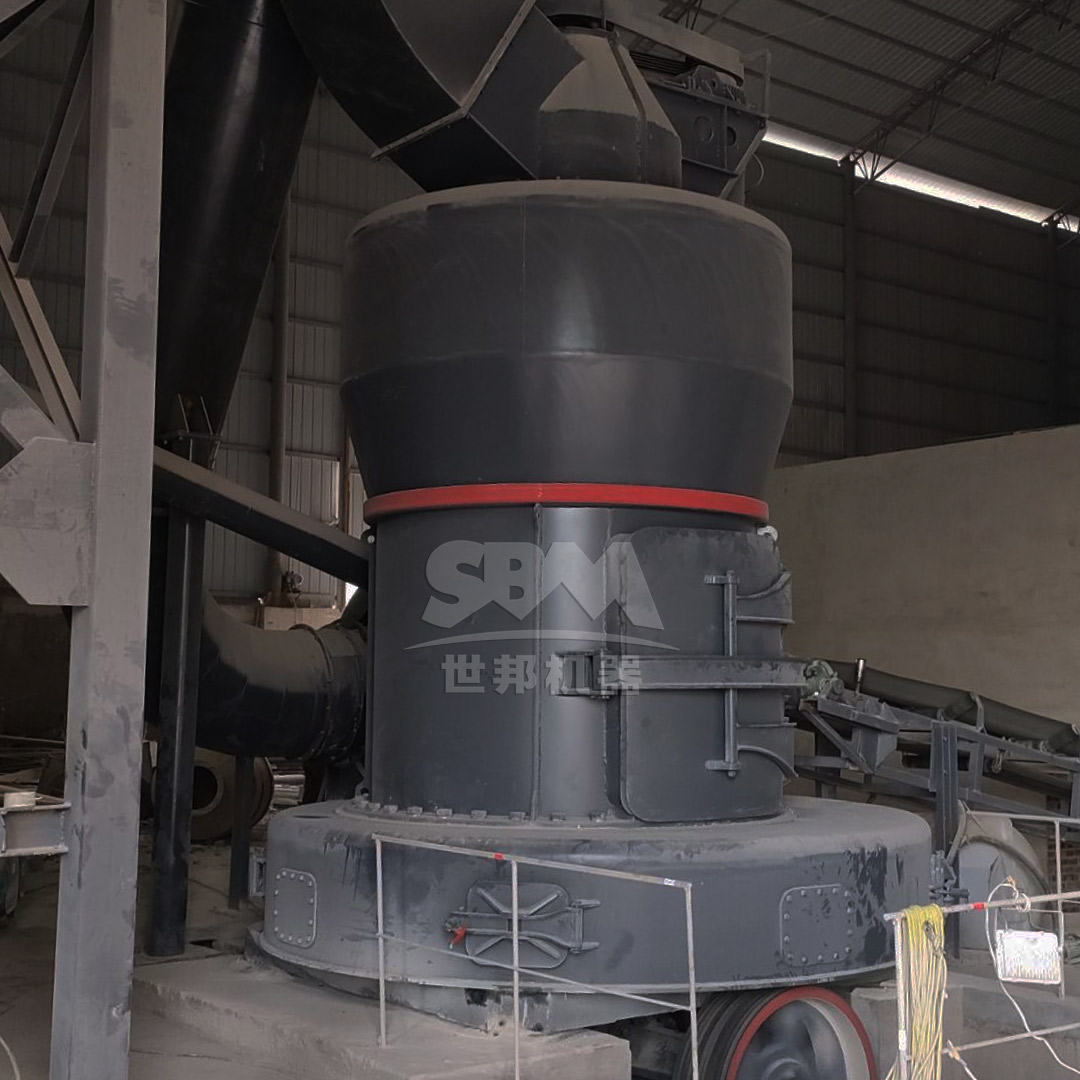
This method is highly efficient for producing fine aluminum powders. Material is fed onto a rotating grinding table and is ground under multiple rollers. A stream of air carries the fine particles to an integrated classifier, while coarse material falls back for regrinding.
Advantages: High energy efficiency, integrated drying and classifying, excellent particle size control, and lower noise levels compared to ball mills.
Considerations: The initial investment is higher, and the system is best suited for continuous, large-scale production.
4. Jet Milling (Fluid Energy Milling)
Jet milling is the premier method for producing ultra-fine, high-purity aluminum powders with controlled particle size distributions. It uses high-pressure gas (often nitrogen or argon for aluminum) to accelerate particles into collisions with each other in a grinding chamber.
Advantages: No moving parts in the grinding zone, minimizing contamination. Excellent for heat-sensitive materials as the expanding gas cools the process. Can produce very fine, spherical particles.
Considerations: High energy consumption, lower capacity compared to mechanical mills, and requires a clean, dry gas supply.
Selecting the Right Equipment: A Focus on Efficiency and Safety
Choosing the correct mill is paramount for productivity, product quality, and operational safety. For most industrial applications involving fine to ultrafine aluminum powder, advanced mechanical mills offer the best balance of performance and control.
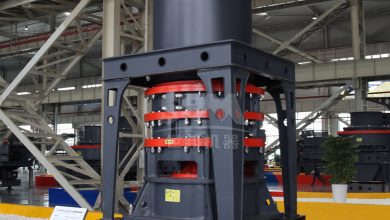
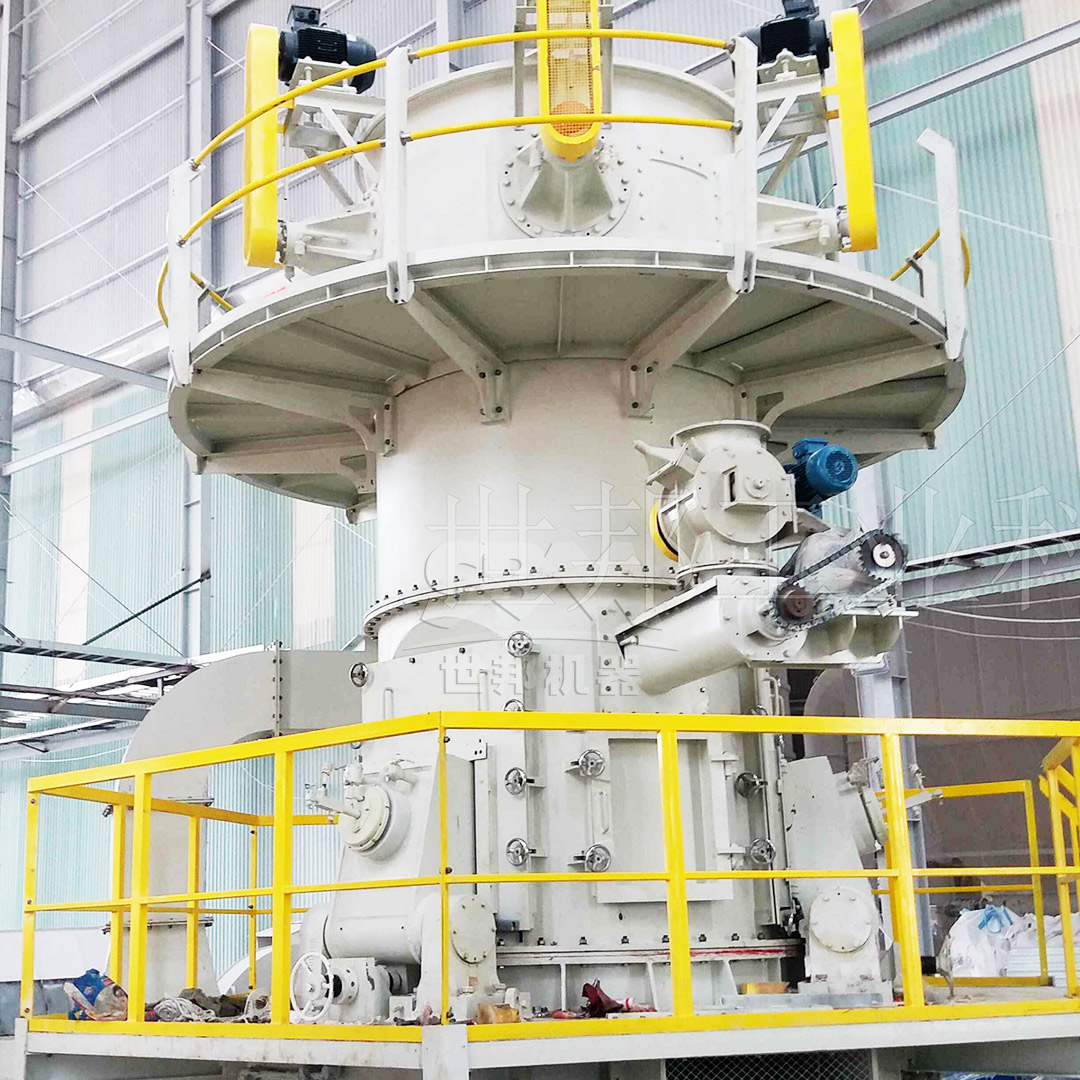
For operations targeting ultrafine aluminum powder (325-2500 mesh), the SCM Series Ultrafine Mill is an exceptional choice. Its core advantages directly address the challenges of grinding ductile metals:
- High Efficiency & Energy Saving: With a capacity double that of jet mills and 30% lower energy consumption, it significantly reduces operational costs. Its intelligent control system with automatic granularity feedback ensures consistent product quality.
- High-Precision Classification: The vertical turbine classifier provides precise particle size cuts, eliminating coarse powder mixing and delivering a uniform finished product—a critical factor for applications like pyrotechnics or additive manufacturing.
- Durable & Stable Design: Special material rollers and rings offer extended service life, while the shaftless screw grinding chamber design ensures stable operation crucial for continuous aluminum processing.
- Eco-friendly & Safe: The pulse dust collection system exceeds international standards, effectively containing combustible aluminum dust. The soundproof room design also contributes to a safer and more controlled working environment.
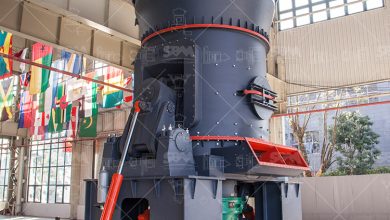
For projects requiring high-capacity production of fine aluminum powder (30-325 mesh), the MTW Series European Trapezium Mill stands out. Its robust construction and advanced features make it ideal for this range:
- Anti-wear & Optimized Design: The curved shovel blade and wear-resistant volute structure reduce maintenance costs and downtime, ensuring long-term reliability when processing abrasive aluminum oxides that form during grinding.
- High Transmission Efficiency: The integral bevel gear drive achieves up to 98% efficiency, translating to lower power consumption for large-scale operations.
- Precise Air Classification: The optimized arc air duct and efficient classifier work together to provide excellent control over the final product fineness, from 30 to 325 mesh.
Paramount Safety Protocols for Grinding Aluminum
Aluminum powder is a combustible dust. When finely divided and suspended in air at certain concentrations, it can form explosive mixtures. Ignition sources include sparks, heat, static electricity, and friction. A comprehensive safety strategy is non-negotiable.
- Explosion Prevention and Protection:
- Inerting: Use inert gases like nitrogen or argon in closed grinding and conveying systems to reduce oxygen concentration below the Minimum Oxygen Concentration (MOC).
- Dust Containment: Employ fully sealed mill designs (like the negative pressure operation in the SCM and MTW mills) coupled with high-efficiency pulse jet dust collectors.
- Explosion Venting/Suppression: Install explosion vents on equipment and ducts to safely release pressure in case of an event, or use rapid suppression systems.
- Ignition Source Control:
- Use anti-spark tools and non-ferrous materials in contact areas to prevent mechanical sparks.
- Implement a comprehensive static electricity control program, including bonding and grounding of all equipment.
- Ensure all electrical equipment is rated for use in Class II, Division 1 or 2, Group E atmospheres (as per NEC/CEC).
- Monitor bearing temperatures and implement strict preventative maintenance to prevent overheating.
- Operational Hygiene:
- Establish a rigorous housekeeping program to prevent dust accumulation on floors, beams, and equipment surfaces.
- Use properly designed dust extraction at transfer points and bagging stations.
- Prohibit open flames, smoking, and other potential ignition sources in processing areas.
Conclusion
Successfully grinding aluminum powder into a consistent, high-quality product requires a synergistic approach that combines the right technology with unwavering safety discipline. From traditional ball mills for coarse grades to advanced vertical roller and jet mills for fine and ultrafine specifications, the choice of equipment dictates efficiency and product characteristics. Machinery like the SCM Series Ultrafine Mill and the MTW Series European Trapezium Mill offer modern solutions that integrate precise classification, energy efficiency, and built-in safety features such as superior dust containment. Ultimately, a deep respect for the material’s hazards—implemented through engineering controls, administrative procedures, and continuous operator training—is the foundation of any safe and productive aluminum powder grinding operation.