How Does a Vertical Roller Mill Work in Coal Pulverizing Process?
Introduction to Coal Pulverization
In modern thermal power generation and industrial kiln operations, the efficient combustion of coal is paramount. The foundation of this efficiency lies in the pulverization process, where raw coal is ground into a fine powder to maximize its surface area for rapid and complete combustion. Among the various technologies available, the Vertical Roller Mill (VRM) has emerged as a dominant force due to its superior energy efficiency, compact design, and operational flexibility. This article delves into the intricate working principles of a Vertical Roller Mill within the coal pulverizing circuit, highlighting its critical components and process flow.
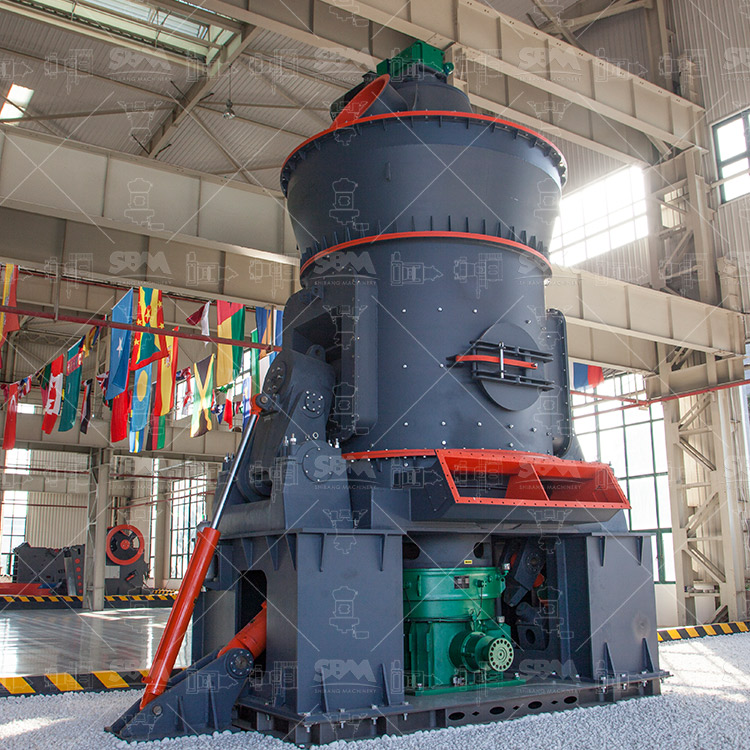
Core Components and System Layout
A Vertical Roller Mill system for coal grinding is an integrated unit comprising several key subsystems:
- Feed System: A belt conveyor or screw feeder introduces raw coal (typically sized ≤50mm) into the mill through a central feed pipe.
- Grinding Table (Rotating Table): Driven by a planetary gearbox and main motor, this rotating table is the heart of the grinding action.
- Grinding Rollers: Typically two to four hydraulically loaded rollers press against the coal bed on the rotating table. These rollers can swing out for maintenance.
- Classifier: Located at the top of the mill, this dynamic separator uses rotating blades to reject coarse particles, allowing only fine, qualified powder to pass.
- Hot Gas Generator/Duct: Provides hot primary air (typically 250-300°C) which serves multiple purposes: drying wet coal, transporting ground powder upwards, and providing inert atmosphere for safety.
- Drive System: Includes the main motor, reduction gearbox, and lubrication system.
- Reject System: Heavier, ungrindable material (pyrites, rocks) is swept by scrapers to a reject chute.
The Step-by-Step Pulverizing Process
The operation of a VRM in coal service is a continuous and dynamic process:
Step 1: Feeding and Drying
Raw coal is fed onto the center of the rotating grinding table. Simultaneously, hot primary air is introduced through the nozzle ring surrounding the table. This hot gas immediately begins drying the coal, which is crucial for handling coal with surface moisture, ensuring it remains free-flowing and grindable.
Step 2: Bed Formation and Grinding
As the table rotates, centrifugal force throws the coal outward towards the grinding track. Before reaching the rollers, the material forms a stable, uniform bed or layer. The grinding rollers, pressed down by a hydraulic system, roll over this coal bed. The primary comminution mechanism is interparticle compression grinding, where coal particles are crushed against each other between the roller and the table. This method is significantly more efficient than the impact-dominated crushing in ball mills.
Step 3: Material Transport and Classification
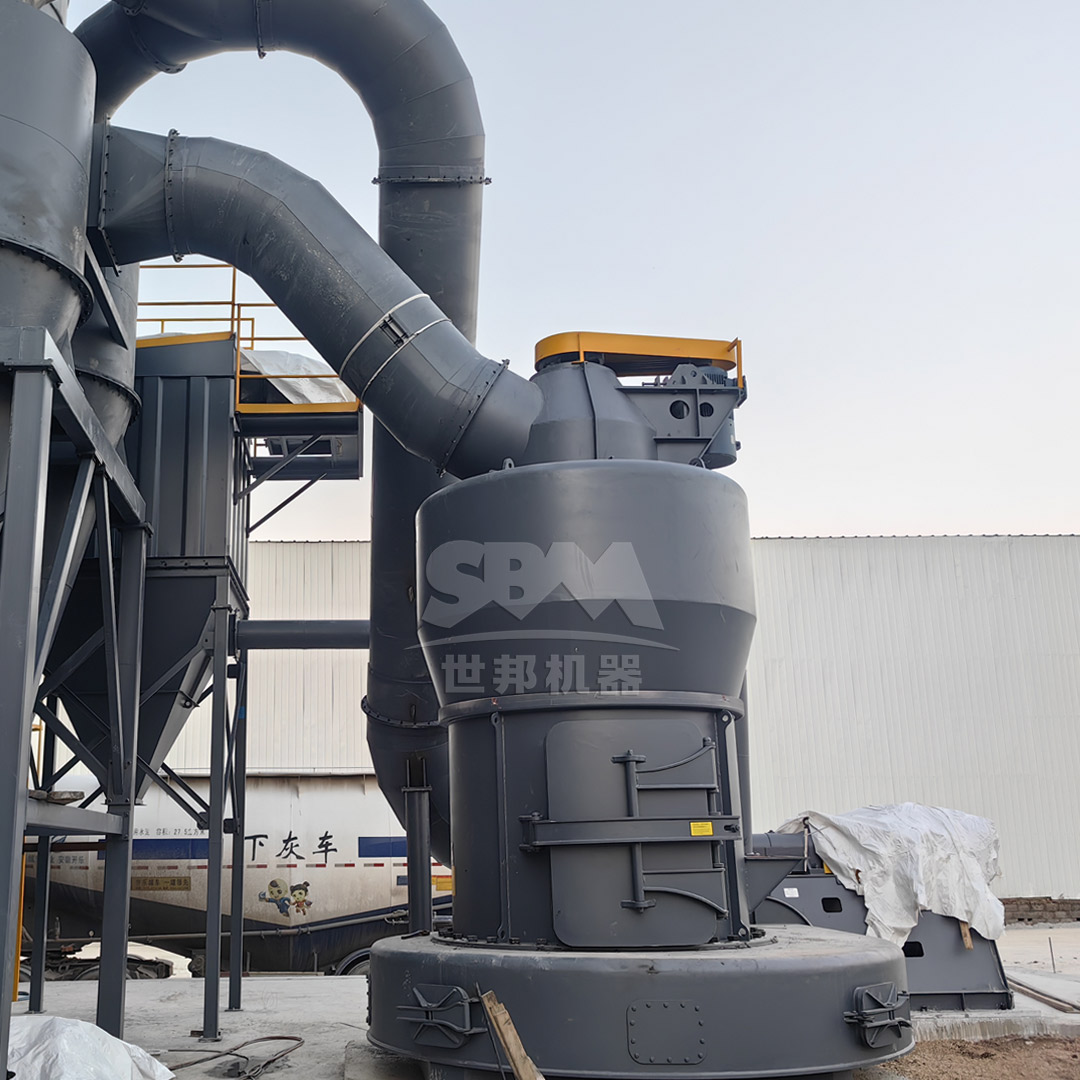
The hot gas, flowing upwards through the nozzle ring, fluidizes and picks up the fine coal particles ground by the rollers. This air-powder mixture is carried vertically up the mill housing towards the integrated dynamic classifier. The classifier rotor, spinning at adjustable speeds, creates a centrifugal force field. Particles fine enough for combustion (typically with 70-80% passing 75 microns/200 mesh) follow the air stream through the classifier blades and exit the mill. Coarser particles are rejected by the classifier, fall back onto the grinding table, and are reground. This internal circulation ensures a consistent final product fineness.
Step 4: Product Discharge and Reject Removal
The fine pulverized coal (PF) exiting the classifier is transported by the air stream to downstream cyclone collectors or baghouse filters for separation from the gas. The cleaned PF is then stored in silos ready for firing. Meanwhile, heavy, dense impurities (tramp metal, hard rock) that cannot be fluidized by the air are swept by scraper plows into a reject chamber for periodic removal, protecting the grinding elements from excessive wear.
Technical Advantages in Coal Applications
The VRM design offers distinct benefits specifically for coal pulverization:
- High Grinding Efficiency & Low Energy Consumption: The direct grinding of material on the table with focused pressure consumes far less energy than tumbling a mass of steel balls. VRMs typically offer 30-50% lower specific power consumption compared to traditional tube ball mills.
- Effective Drying Capability: The direct contact of large volumes of hot gas with the thinly spread material bed provides excellent heat transfer, allowing the mill to handle coal with higher moisture content.
- Compact Footprint & Integrated Design: The vertical arrangement and integration of grinding, drying, and classification into a single housing result in a significantly smaller footprint—about 50-70% less than a ball mill system.
- Quick Response to Load Changes: The small volume of coal held inside the mill at any time (low residence time) allows for rapid adjustment of output to match boiler demand.
- Reduced Noise Levels: Enclosed grinding and the absence of cascading steel balls make VRMs much quieter in operation.
Introducing Our LM Series Vertical Roller Mill for Coal
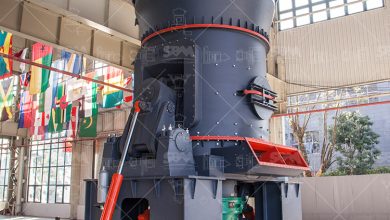
For operations seeking to maximize efficiency and reliability in coal pulverization, our LM Series Vertical Coal Mill (LM-M Series) is engineered to excel. Designed specifically for producing pulverized coal with fineness adjustable between 5-20% residue on 90μm sieve, this mill series embodies the advanced principles discussed.
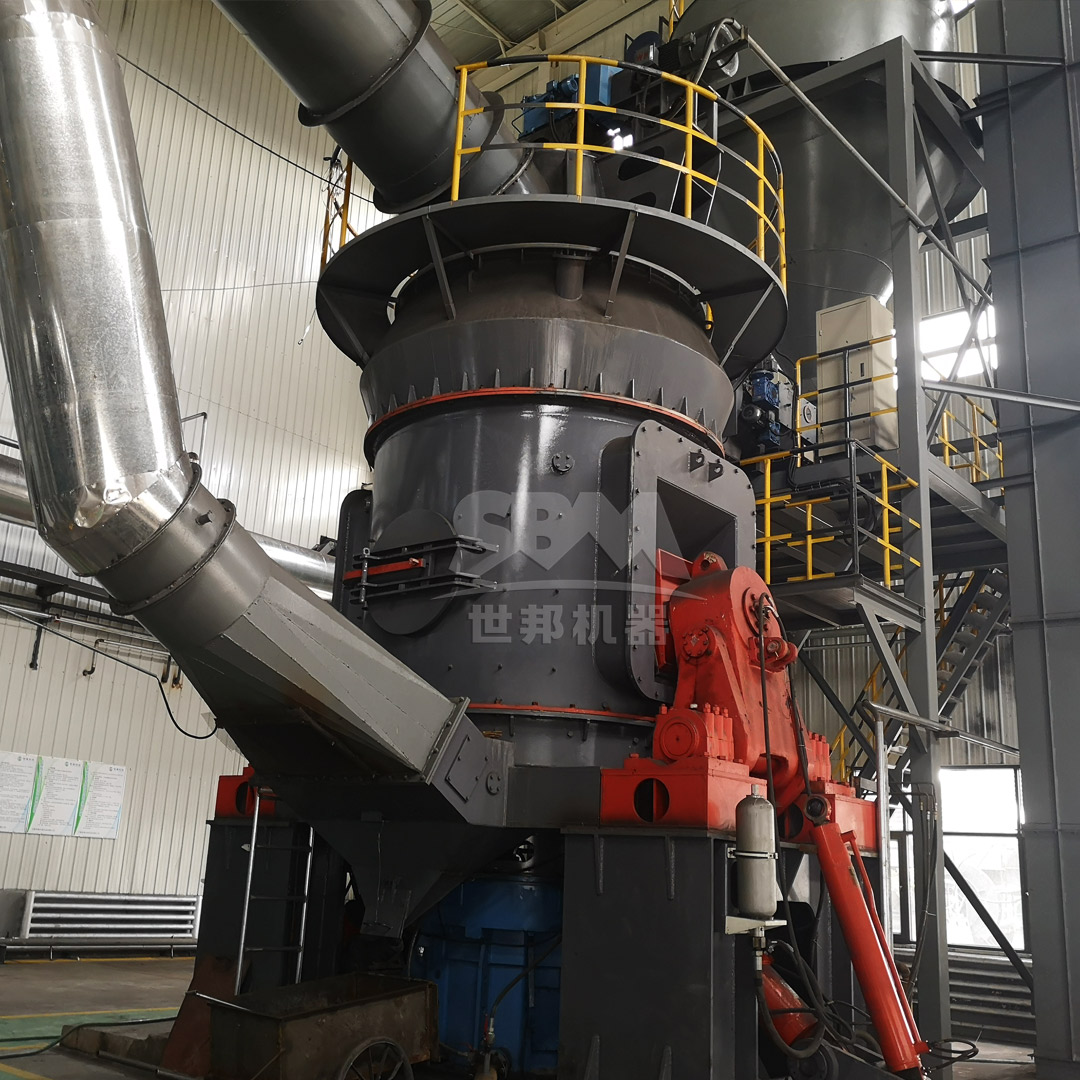
Our LM Coal Mill features an integrated design that reduces plant floor space by 50% and can be installed outdoors, cutting civil engineering costs. Its non-contact design between rollers and table minimizes wear, extending component life. Most importantly, it delivers 30-40% lower energy consumption compared to ball mill systems, offering substantial operational savings. The mill operates under fully sealed negative pressure, ensuring dust emissions meet the strictest environmental standards. With models like the LM190M and LM280M offering capacities from 3 to over 90 tons per hour, we provide a scalable solution for any power plant or industrial kiln requirement.
Conclusion
The Vertical Roller Mill represents a sophisticated and highly efficient solution for coal pulverization. Its working principle—centered on centrifugal bed grinding, simultaneous drying, and internal dynamic classification—provides unparalleled control over product fineness and system responsiveness. For new projects or modernization of existing coal grinding circuits, adopting VRM technology, such as our robust and efficient LM Series, is a strategic investment that pays dividends through lower energy costs, reduced maintenance, and reliable, clean operation, ultimately contributing to more sustainable and economical power generation.