Application of Vertical Slag Mill in Modern Industrial Processing
Introduction: The Rise of Vertical Slag Mills in Industrial Byproduct Valorization
The modern industrial landscape is characterized by an ever-increasing emphasis on sustainability, resource efficiency, and cost optimization. Within this context, the processing of industrial byproducts, particularly metallurgical slag, has transitioned from a disposal challenge to a significant opportunity for value creation. Slag, a non-metallic byproduct from steelmaking and other metallurgical processes, possesses latent hydraulic properties that make it an excellent supplementary cementitious material (SCM) when finely ground. The evolution from traditional ball mills to advanced vertical roller mills (VRMs) has been pivotal in unlocking this potential. Vertical slag mills, with their superior grinding efficiency, lower energy footprint, and integrated system design, have become the cornerstone of modern slag processing plants, transforming waste into high-value products for the construction industry.
Technical Advantages of Vertical Slag Mills
The dominance of vertical slag mills is rooted in a suite of technical advantages that directly address the economic and environmental demands of contemporary industry.
1. Exceptional Energy Efficiency
Compared to conventional ball mill systems, vertical slag mills operate on the principle of bed comminution, where material is ground between rollers and a rotating table under pressure. This method is inherently more energy-efficient than the impact and attrition-dominated process in ball mills. Energy savings of 30% to 40% are commonly achieved, representing a massive reduction in operational costs and carbon emissions over the lifespan of the equipment.
2. Integrated System and Compact Footprint
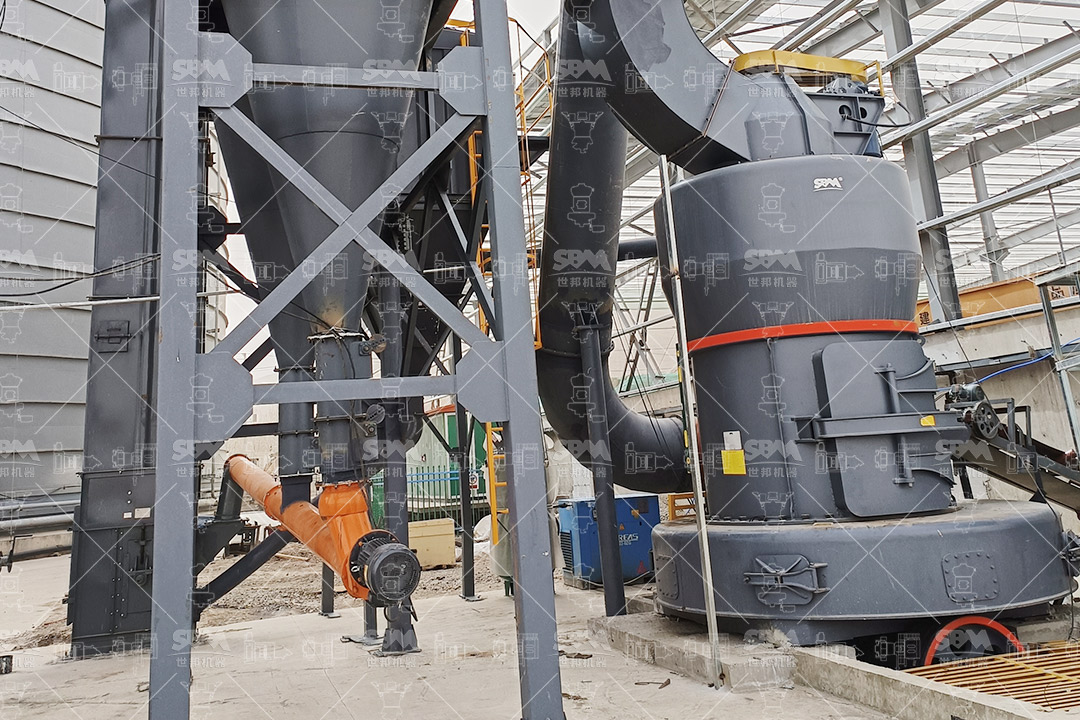
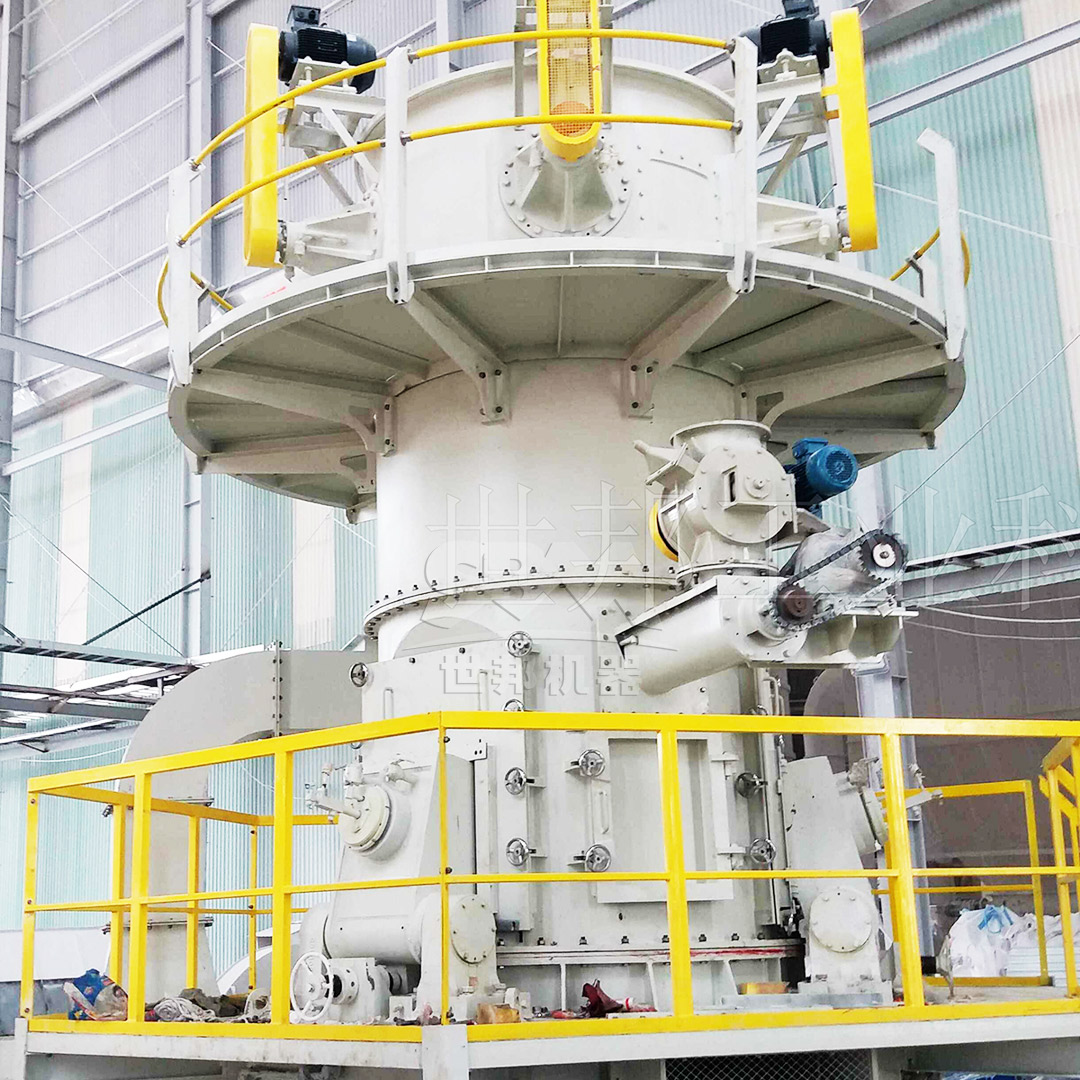
A vertical slag mill is not merely a grinding unit; it is an integrated processing system. It combines the functions of drying (with optional hot gas intake), grinding, classification, and conveying within a single, compact structure. This integrated design reduces the plant’s overall footprint by up to 50% and significantly lowers civil engineering and installation costs. The possibility of outdoor installation further enhances its flexibility and reduces infrastructure investment.
3. Superior Product Quality and Precise Control
The heart of a modern vertical slag mill is its high-efficiency dynamic classifier. This component allows for precise control over the particle size distribution (PSD) of the final product. A narrow and consistent PSD is critical for optimizing the reactivity and performance of ground granulated blast-furnace slag (GGBS) in concrete. The closed-circuit grinding system ensures that only particles meeting the fineness target leave the mill, while coarse material is efficiently recirculated for further grinding.
4. Enhanced Reliability and Low Maintenance
Advanced design features such as non-contact grinding rollers (which hover over the material bed), modular roller assemblies, and wear-resistant materials for grinding elements dramatically extend service intervals. The use of automated hydraulic systems for roller positioning and maintenance tasks reduces downtime and manual labor, ensuring higher operational availability and plant throughput.
Key Application Areas in Modern Industry
The processed slag finds critical applications that drive its demand:
- Concrete Production: As a high-performance SCM, GGBS improves concrete durability (resistance to sulfate attack, alkali-silica reaction), reduces heat of hydration, and enhances long-term strength. It can replace 30-70% of Portland cement, drastically reducing the carbon footprint of concrete.
- Cement Blending: Slag is interground with clinker or blended post-grinding to produce Portland-slag cement (CEM II) or blast-furnace cement (CEM III), meeting various international standards.
- Raw Material for Clinker Production: In some processes, slag can be used as a corrective component in the raw meal for cement clinker manufacturing.
- Other Construction Materials: Fine slag powder is also used in mortars, grouts, and as a filler in various building products.
Introducing Our Advanced Vertical Slag Mill Solution: The LM Series
To meet the rigorous demands of high-capacity, efficient slag grinding, we proudly recommend our flagship LM Series Vertical Roller Mill. Engineered for performance and reliability, the LM series is specifically designed to handle the abrasive and hard characteristics of granulated slag.
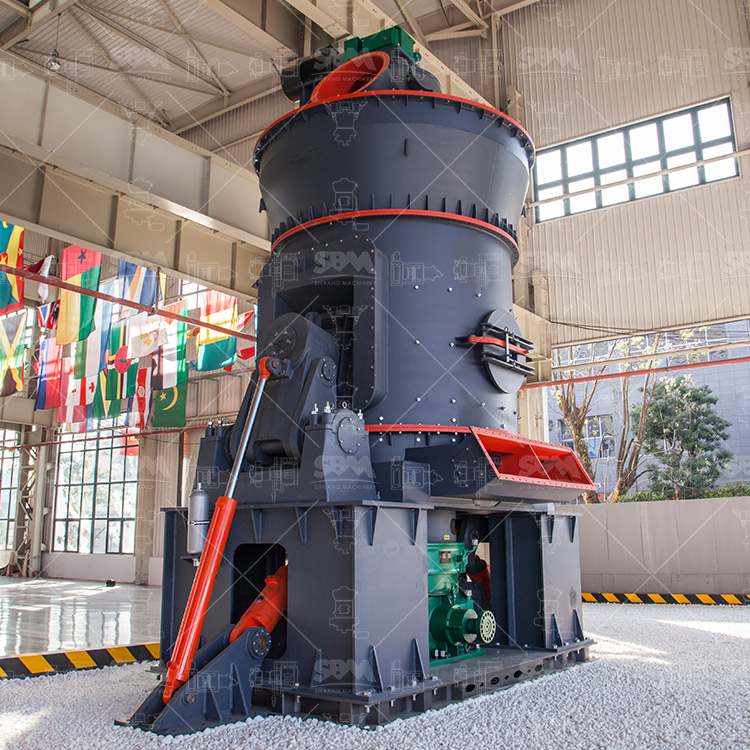
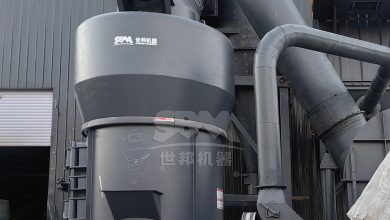
The LM Series Vertical Slag Mill incorporates all the advantages discussed. Its integrated design crushes, dries, grinds, and classifies slag in one unit. Key features include a robust grinding table and roller system made from special alloy materials for extended life, an intelligent automatic control system for optimal and stable operation, and a fully sealed negative pressure system that ensures dust emissions are kept far below environmental standards. With models like the LM370N offering capacities exceeding 110 t/h, it is the ideal solution for large-scale slag valorization projects seeking maximum return on investment through operational excellence.
Optimizing Fine Powder Production: The SCM Series Ultrafine Mill
For applications requiring ultra-fine slag powder (exceeding 600 mesh) for high-performance concrete or specialty markets, the grinding requirements shift. Here, the SCM Series Ultrafine Mill demonstrates unparalleled capability. While vertical roller mills like the LM series excel in the coarse to medium-fine range, the SCM mill is designed for the most demanding fineness targets.
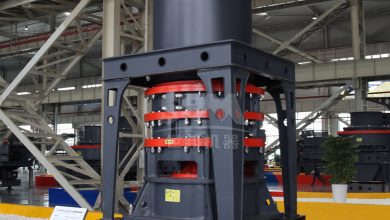
This mill utilizes a unique grinding chamber design and a high-precision vertical turbine classifier to produce powders in the range of 325 to 2500 mesh (45-5μm). Its high efficiency and energy-saving design result in a capacity twice that of jet mills while consuming 30% less energy. For projects aiming to produce premium, ultra-fine slag products with exceptional uniformity and reactivity, the SCM Series, particularly the high-capacity SCM1680 model, provides a technologically advanced and economically viable grinding solution.
Conclusion: A Strategic Asset for Sustainable Industry
The application of vertical slag mills is a definitive step towards a more circular and efficient industrial economy. By enabling the efficient transformation of slag from a liability into a valuable resource, these mills deliver direct economic benefits through reduced energy and processing costs, while simultaneously contributing to significant environmental gains by lowering cement’s carbon footprint and minimizing industrial waste. The choice of grinding technology is therefore strategic. Investing in advanced, reliable systems like our LM Series Vertical Slag Mill or the SCM Series Ultrafine Mill is an investment in long-term profitability, operational resilience, and environmental stewardship, solidifying a company’s position as a leader in modern, sustainable industrial processing.