
How Is Anode Powder Produced? A Complete Manufacturing Process Guide
Introduction: The Critical Role of Anode Powder in Modern Industry
Anode powder, a finely processed material, serves as the foundational component in numerous high-tech applications, most notably in lithium-ion batteries that power everything from electric vehicles to portable electronics. The quality, particle size distribution, morphology, and purity of the anode powder directly dictate the performance, energy density, cycle life, and safety of the final battery. Producing high-quality anode powder is a sophisticated, multi-stage process that transforms raw materials into a precisely engineered product. This guide provides a comprehensive overview of the complete manufacturing process, from raw material preparation to final packaging, highlighting the critical role of advanced milling and classification technology at each step.
Stage 1: Raw Material Selection and Pre-Treatment
The journey begins with the selection of raw materials. For lithium-ion battery anodes, the primary material is typically natural or synthetic graphite, though silicon-based materials are gaining traction for higher capacity. Other industrial anode powders may use metals like zinc or carbon-based materials. The raw feedstock, often in the form of large flakes or chunks, must first undergo primary crushing to reduce its size to a manageable range for further processing. This is typically achieved using jaw crushers or hammer mills, which break down the material to a size below 50mm.
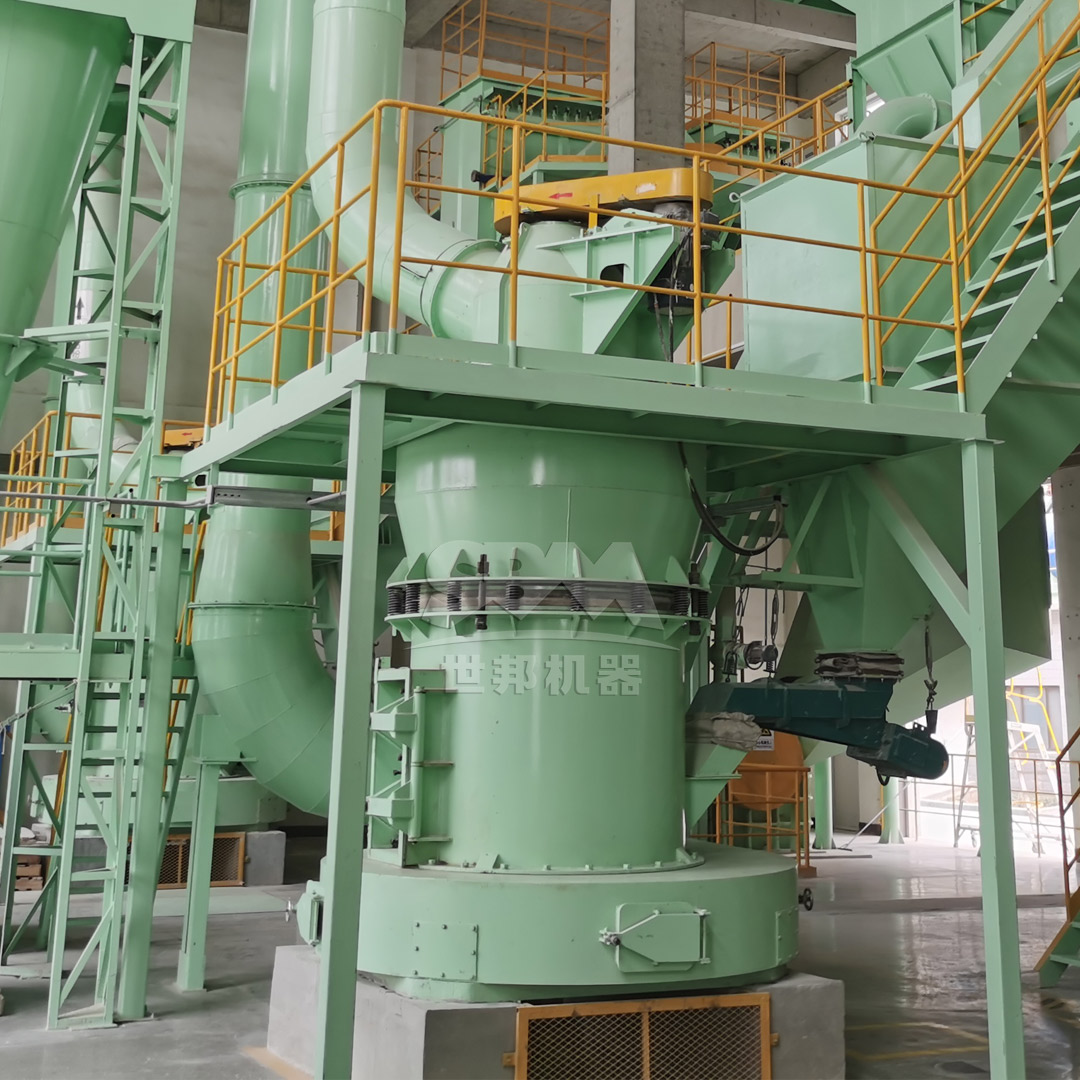
Following primary crushing, the material may undergo drying if its moisture content is too high for efficient grinding. Controlled drying ensures that the subsequent milling processes are effective and prevents issues like clogging or inefficient energy use.
Stage 2: Intermediate Grinding and Refinement
Once the raw material is pre-crushed and dried, it enters the intermediate grinding phase. The goal here is to further reduce the particle size to a coarse powder, typically in the range of several hundred microns to a few millimeters. This stage prepares the material for the final, ultra-fine grinding process.
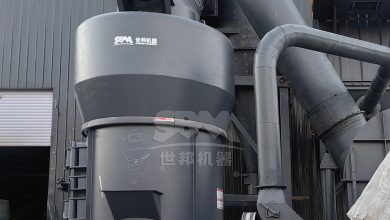
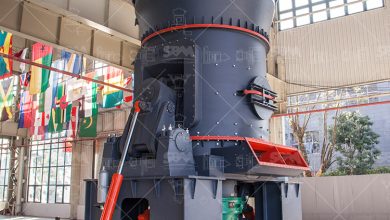
Equipment like the MTW Series European Trapezium Mill is exceptionally well-suited for this intermediate stage. With an input size capability of up to 50mm and an output fineness range of 30-325 mesh (600-45μm), it efficiently bridges the gap between crushing and ultra-fine grinding. Its technical advantages are crucial here: the anti-wear shovel design and optimized arc air duct ensure high throughput (3-45 TPH depending on model) with reduced maintenance costs and energy loss. The integral bevel gear drive offers high transmission efficiency, making this a robust and reliable workhorse in the anode powder production line, capable of handling the volume required for large-scale battery material manufacturing.
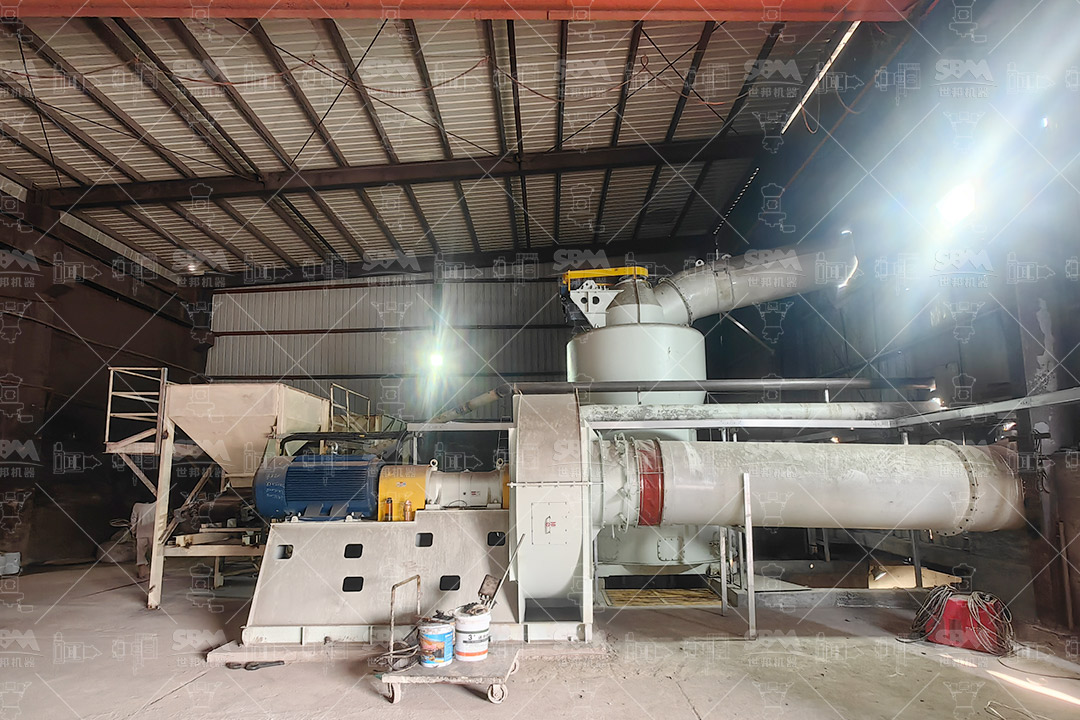
Stage 3: Ultra-Fine Grinding and Classification – The Heart of the Process
This is the most critical stage in anode powder manufacturing. The intermediate powder must be ground down to its final target fineness, which for advanced battery-grade graphite is typically in the range of 10-20 microns (D50), with a tight particle size distribution. Simultaneously, the process must carefully control particle shape (often aiming for spherical or potato-shaped particles to improve packing density and battery performance) and avoid introducing impurities or excessive heat that could damage the material’s structure.
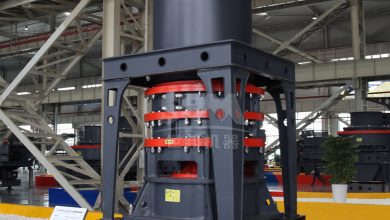
This demands technology that combines high grinding efficiency with precise classification. The SCM Series Ultrafine Mill is engineered specifically for this application. It can produce powder in the range of 325-2500 mesh (45-5μm), perfectly aligning with the requirements for premium anode materials. Its high-precision vertical turbine classifier is key, ensuring precise particle size cutting and eliminating coarse powder mixing for a uniform final product. The grinding mechanism, utilizing special material rollers and rings, applies layer-by-layer grinding pressure, which is gentler on the particle morphology compared to high-impact methods. Furthermore, its high efficiency and energy-saving design—offering 2x the capacity of jet mills with 30% lower energy consumption—makes it a cost-effective and sustainable choice for producing the ultra-fine powders essential for high-performance anodes.
Stage 4: Surface Modification and Coating (Optional but Critical for Batteries)
For battery applications, the milled anode powder often undergoes surface modification. This can involve:
- Carbon Coating: A thin, amorphous carbon layer is applied to the graphite particles via a chemical vapor deposition (CVD) or solid-state process. This coating enhances electrical conductivity, protects the graphite from electrolyte decomposition, and improves cycle life.
- Surface Purification: Thermal treatment at high temperatures in inert atmospheres to remove impurities and improve crystallinity.
- Particle Spheroidization: Further processing to make particles more spherical, increasing tap density and improving electrode coating uniformity.
These processes require specialized furnaces and reactors and are tightly controlled to achieve the exact surface properties needed.
Stage 5: Final Classification, Purification, and Packaging
After grinding and any surface treatment, the powder undergoes final classification to ensure it meets the exact particle size distribution (PSD) specification. Advanced air classifiers or sieve systems are used to remove any over-sized or under-sized fractions. For high-purity applications, the powder may also pass through magnetic separators to remove metallic impurities introduced during milling.
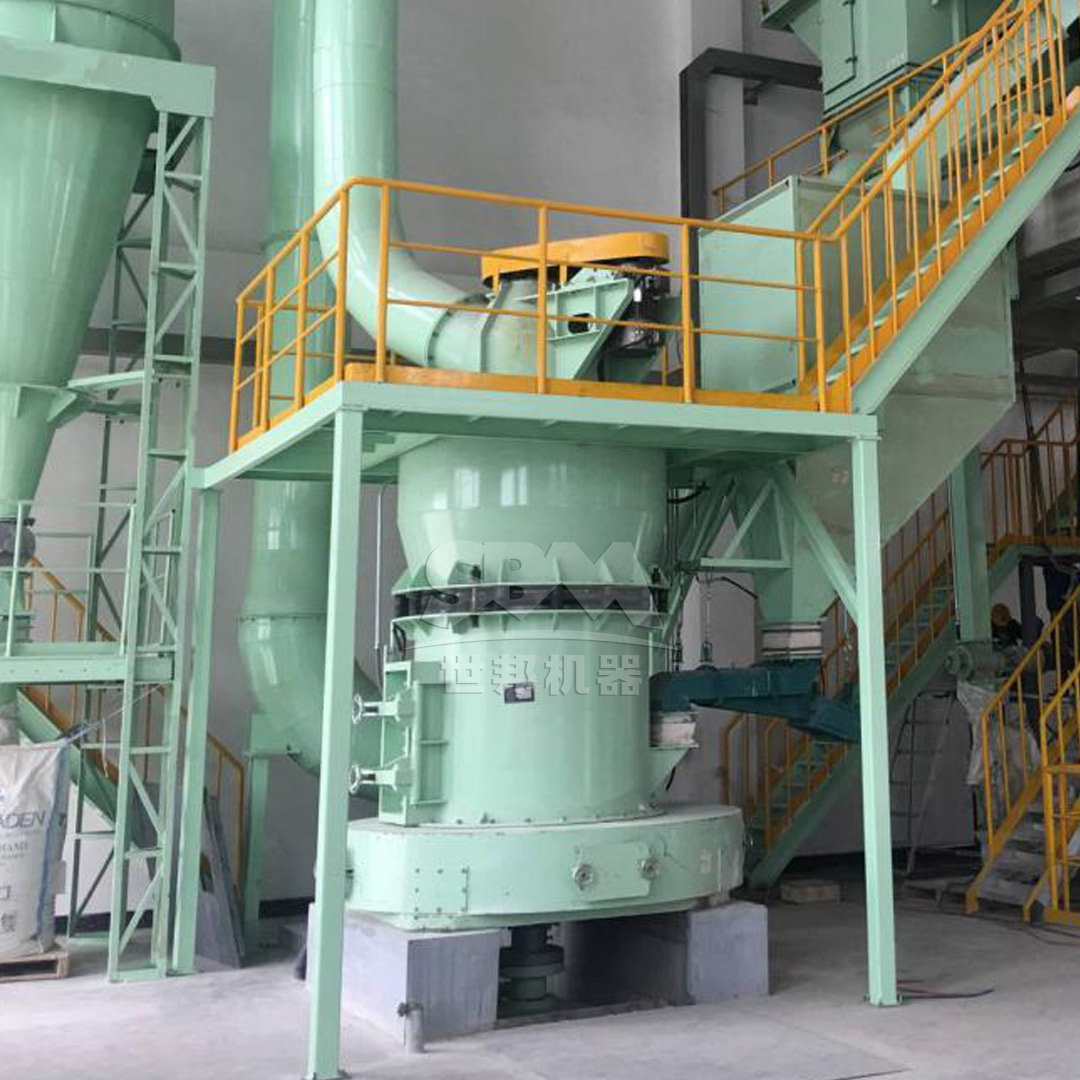
The finished anode powder is then packaged in moisture-proof, sealed containers—often under an inert gas atmosphere like argon or nitrogen—to prevent oxidation or moisture absorption during storage and transportation. The entire production environment for battery-grade materials is typically a dry room with controlled humidity and temperature.
Conclusion: The Synergy of Process and Technology
The production of high-quality anode powder is a testament to precision engineering and process control. Each stage, from coarse crushing to ultra-fine milling and surface refinement, must be optimized to achieve the stringent specifications required by modern industries, especially the battery sector. The selection of grinding equipment is not merely a choice of machinery but a strategic decision impacting product quality, production cost, and operational efficiency.
Investing in advanced, reliable milling solutions like the SCM Series Ultrafine Mill for final micronization and the MTW Series Mill for intermediate grinding provides a production line with the robustness, precision, and energy efficiency needed to compete in the high-stakes market of advanced materials. By understanding and mastering this complete manufacturing process, producers can ensure a consistent supply of superior anode powder, powering the next generation of technological innovation.