Vertical Mill vs Raymond Mill: Which is Better and What’s the Difference?
Introduction: Navigating the Grinding Technology Landscape
In the world of industrial mineral processing and powder production, selecting the right grinding equipment is paramount to achieving operational efficiency, product quality, and cost-effectiveness. Two prominent names that often dominate this conversation are the Vertical Roller Mill (VRM) and the Raymond Mill (or Pendulum Roller Mill). While both are designed for size reduction, their underlying principles, capabilities, and optimal applications differ significantly. This article provides a comprehensive, professional comparison to help you understand the key differences and determine which technology is better suited for your specific needs.
Fundamental Working Principles: A Tale of Two Mechanisms
Raymond Mill (Pendulum Roller Mill) Operation
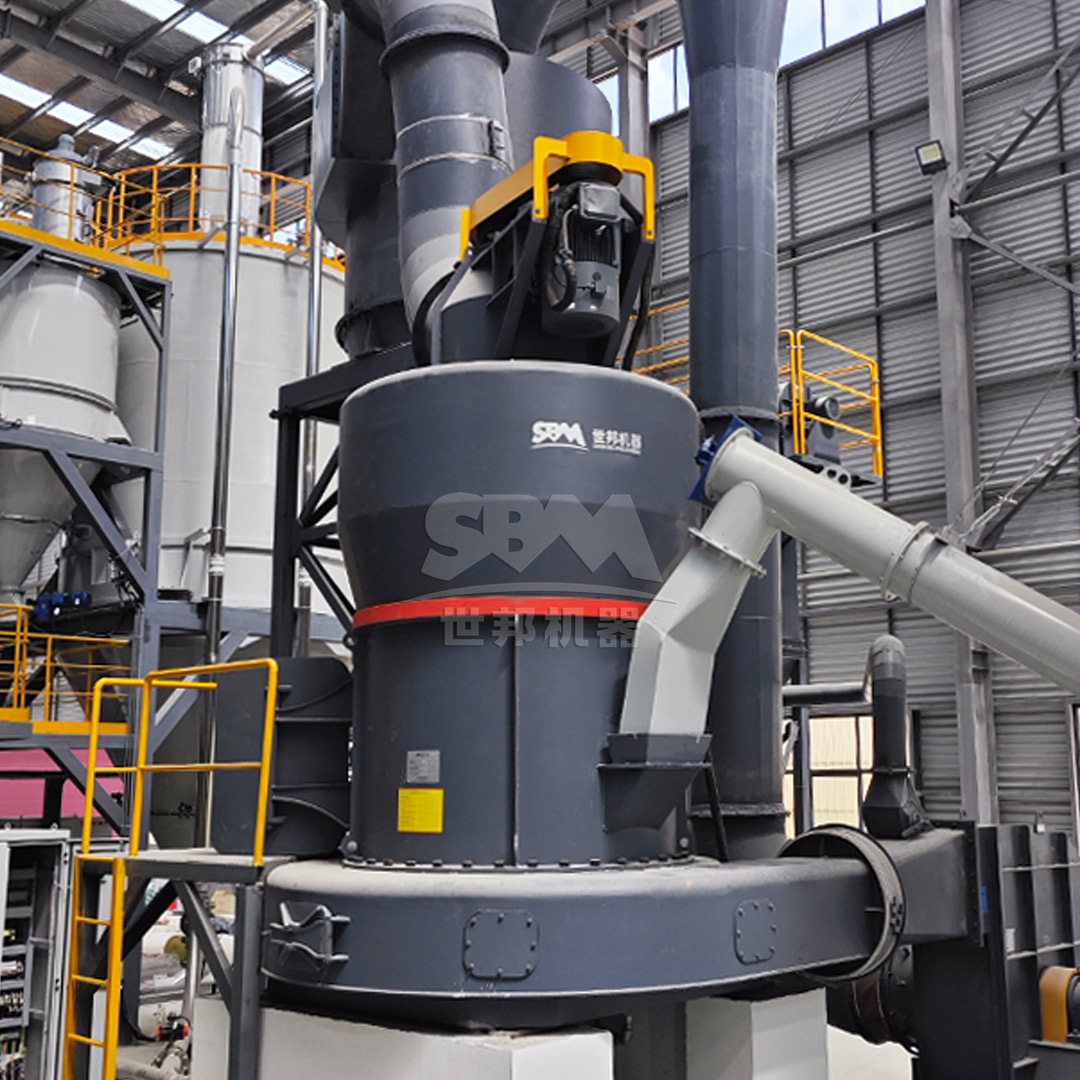
The Raymond Mill, a classic design dating back decades, operates on a pendulum principle. The central shaft drives an assembly (the “plum blossom frame”) from which grinding rollers are suspended. These rollers swing outward due to centrifugal force and roll against a stationary grinding ring. Material is fed into the grinding zone by a shovel and is crushed between the rollers and the ring. A built-in classifier (often a static or dynamic separator) allows air to carry fine particles out of the mill, while coarse particles fall back for regrinding.
Vertical Roller Mill (VRM) Operation
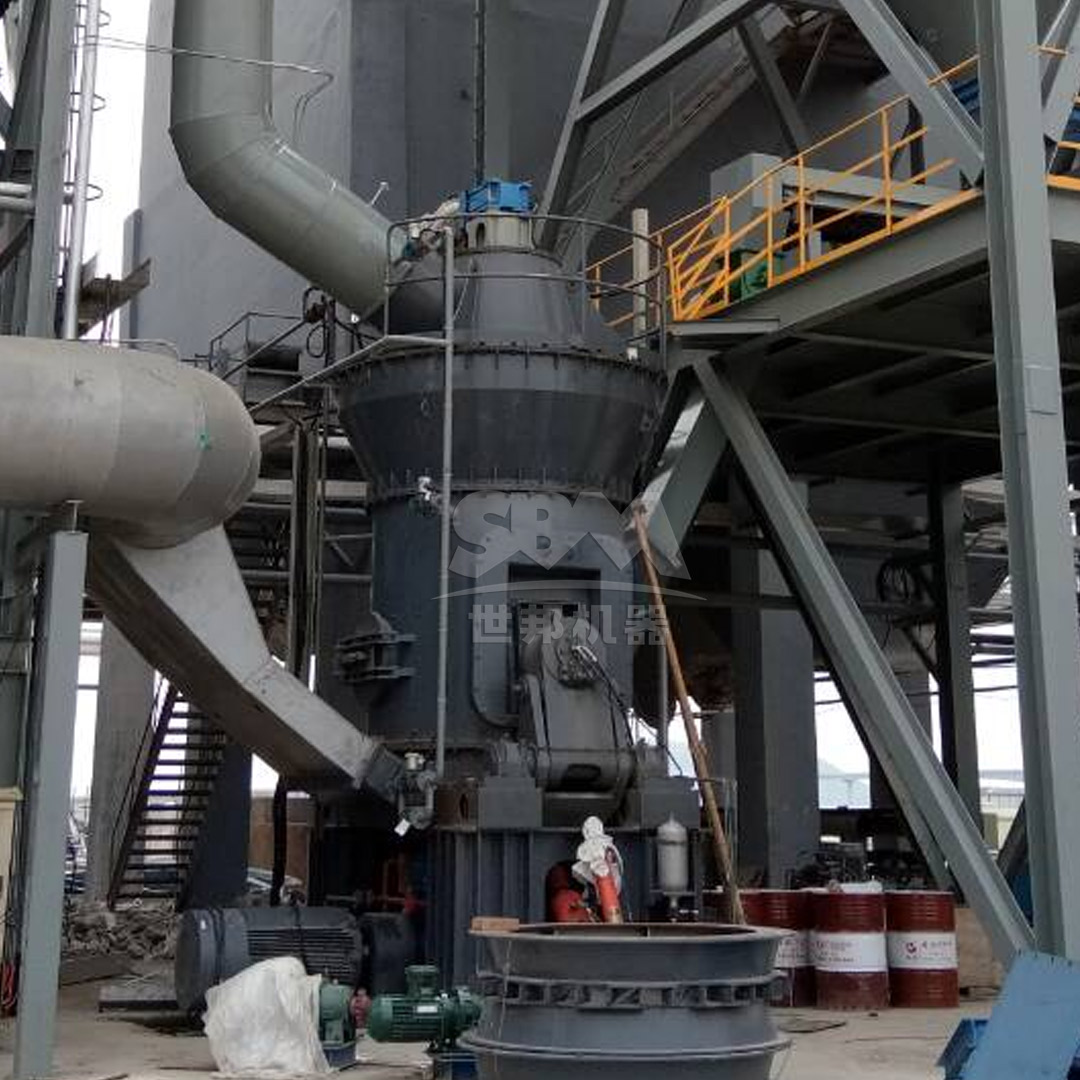
The Vertical Roller Mill represents a more modern, integrated approach. The core of the system is a rotating grinding table driven by a gearbox. Hydraulically loaded grinding rollers press down onto the material bed on the table. Feed material falls onto the center of the table and is dispersed outward by centrifugal force, forming a uniform layer. The “bed grinding” principle—crushing material between the rollers and the table—is highly efficient. Ground material is transported by hot air or gas to an integrated, high-efficiency classifier at the top of the mill. Fines exit the system, while coarse material falls back onto the table.
Head-to-Head Comparison: Key Technical Differences
| Feature | Raymond Mill (Traditional Pendulum Mill) | Vertical Roller Mill (Modern VRM) |
|---|---|---|
| Grinding Mechanism | Pendulum roller swinging against a fixed ring (point-to-surface contact). | Hydraulic/pneumatic rollers pressing on a rotating table (bed grinding, surface-to-surface contact). |
| Energy Efficiency | Lower. Higher specific energy consumption per ton due to friction-based grinding and less efficient air systems. | Significantly higher. Can be 30-50% more efficient than ball mills and traditional Raymond mills due to bed grinding and integrated drying. |
| Feed Size & Capacity | Moderate feed size (typically ≤30-35mm). Lower to medium capacity range. | Larger feed size (up to ≤50mm). Very high capacity range, suitable for large-scale production lines. |
| Product Fineness | Widely adjustable, typically from 30 mesh to 325 mesh (45-600μm). | Widely adjustable, from coarse (600μm) to fine (45μm/325 mesh), with special models achieving ultrafine ranges. |
| Drying Capability | Limited. Can handle materials with some moisture using hot air, but less effective. | Excellent. Integrated hot air system can dry materials with moisture content up to 15-20% simultaneously during grinding. |
| Footprint & Installation | Relatively compact but often requires separate ancillary equipment (blower, cyclone, etc.). | Highly integrated design (crushing, grinding, drying, classification). Floor space can be 50% less than a ball mill system. |
| Noise Level | Moderate to high, primarily from the direct contact of metal rollers and ring. | Lower. Enclosed design and bed grinding principle contribute to quieter operation. |
| Maintenance & Wear | Direct metal-to-metal contact leads to higher wear on rollers and rings, requiring frequent replacement. | Lower wear rate. Non-contact design between roller and table in some models, and easier maintenance via hydraulic systems. |
Which is Better? The Application-Driven Answer
The question of “which is better” has no universal answer; it depends entirely on the application.
Choose a Raymond Mill (Modern Pendulum Mill) when:
- Your required product fineness is in the medium range (30-325 mesh).
- Production capacity requirements are small to medium scale.
- The material is dry and not highly abrasive.
- Capital investment budget is a primary constraint, as initial costs for smaller models can be lower.
- You need a reliable, proven technology for non-metallic minerals like barite, calcite, or limestone where ultra-fineness is not critical.
Choose a Vertical Roller Mill when:
- High capacity and production efficiency are top priorities.
- You need to grind and dry moist materials (e.g., slag, raw cement meal, coal) in one step.
- Energy consumption is a major operational cost concern.
- Your project demands a high degree of automation and process control.
- Floor space is limited, and you seek an integrated system solution.
- You are processing abrasive materials and require longer wear part life.
Our Recommended Solutions: Bridging the Spectrum
Understanding that needs vary, our company offers advanced solutions that embody the strengths of both evolutionary paths in grinding technology.
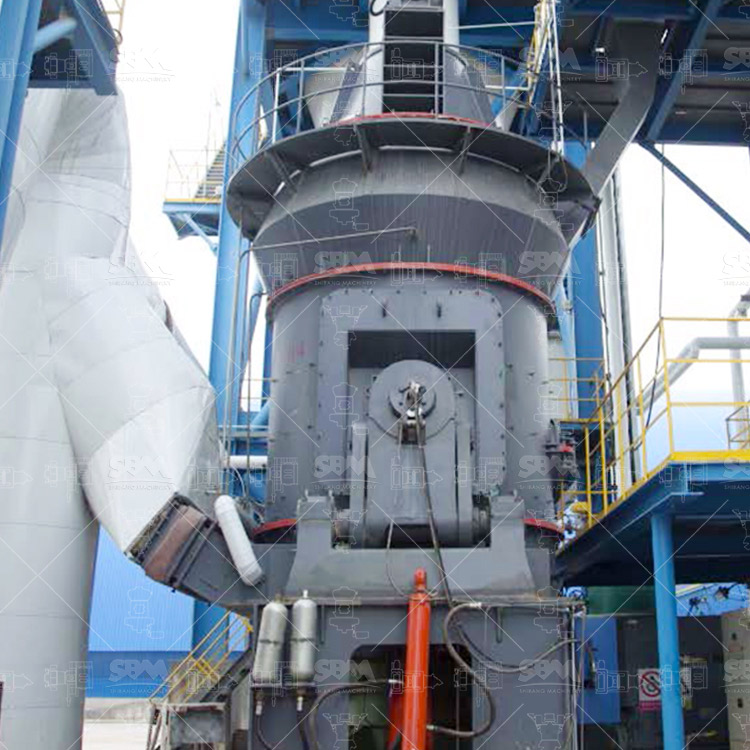
For High-Capacity, Integrated & Efficient Grinding: The LM Series Vertical Roller Mill
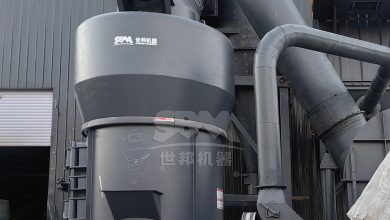
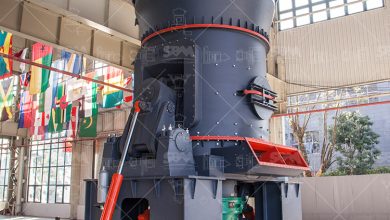
When your project demands large-scale production with maximum efficiency, our LM Series Vertical Roller Mill is the definitive choice. Engineered for integrated crushing, grinding, drying, classification, and conveying, it excels in applications from cement raw meal and slag to coal and non-metallic minerals.
Why it stands out:
- Unmatched Efficiency: Its bed grinding principle and integrated high-efficiency classifier result in energy savings of 30-40% compared to traditional ball mill systems.
- Large Capacity & Feed Size: With capacities ranging from 3 to over 250 tons per hour and handling feed sizes up to 50mm, it is built for major industrial operations.
- Simultaneous Drying: The robust hot air system allows it to grind materials with significant moisture content, eliminating the need for a separate dryer.
- Intelligent & Eco-friendly: Featuring expert-level automatic control and fully sealed negative pressure operation, it ensures low dust emission and reduced noise, meeting stringent environmental standards.
Models like the LM190K (23-68 t/h) or the high-capacity LM220K (36-105 t/h) demonstrate the scalability and power of modern VRM technology for demanding projects.
For Precision Fine & Ultrafine Grinding: The SCM Series Ultrafine Mill
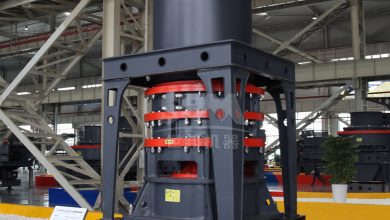
For applications requiring products in the fine to ultrafine spectrum (325-2500 mesh / 45-5μm), where traditional Raymond mills reach their limit and jet mills become expensive, our SCM Series Ultrafine Mill provides the perfect advanced alternative.
Why it excels:
- Superior Fineness & Classification: Equipped with a high-precision vertical turbine classifier, it achieves precise particle size cuts without coarse powder mixing, ensuring a uniform and high-quality product.
- High Efficiency: It offers twice the capacity of a jet mill with approximately 30% lower energy consumption, making ultrafine production more economical.
- Durable & Stable: Featuring special material rollers and rings for extended service life and a shaftless screw grinding chamber design for stable operation.
- Eco-friendly Operation: A high-efficiency pulse dust collection system and soundproof room design ensure clean and quiet operation.
Whether you need the mid-range capacity of the SCM1000 (1.0-8.5 t/h) or the high-output SCM1680 (5.0-25 t/h), this mill delivers exceptional performance for industries like plastics, coatings, and advanced fillers.
Conclusion: Making an Informed Decision
The evolution from the traditional Raymond Mill to the modern Vertical Roller Mill marks a significant leap in grinding technology, focusing on integration, energy savings, and large-scale capability. The “better” machine is the one that aligns perfectly with your specific material characteristics, target fineness, required capacity, and overall operational goals.
For robust, high-tonnage processing with integrated drying, the Vertical Roller Mill (exemplified by our LM Series) is the industry benchmark. For specialized, high-value production of fine and ultrafine powders, advanced mills like our SCM Series offer a more efficient and precise solution than older technologies. We recommend a thorough analysis of your process requirements to select the technology that will optimize your productivity and profitability for years to come.