Utilization of Iron Tailings in Building Material Production: Technology and Methods
1. Introduction: The Challenge and Opportunity of Iron Tailings
The global mining industry generates billions of tons of iron tailings annually, the fine-grained waste material left after the extraction of valuable iron ore. Historically relegated to tailings dams, these vast stockpiles represent significant environmental liabilities, including land occupation, dust pollution, and risks of dam failure. However, a paradigm shift is underway, viewing these tailings not as waste but as a valuable secondary resource. The construction industry, a major consumer of natural aggregates and cementitious materials, presents a compelling avenue for the large-scale, value-added utilization of iron tailings. This article explores the advanced technologies and methods for transforming iron tailings into high-quality building materials, focusing on the critical role of modern grinding and processing equipment in achieving the necessary material properties.
2. Properties of Iron Tailings and Suitability for Construction
Iron tailings are primarily composed of fine silicate and oxide minerals, such as quartz, feldspar, and residual iron oxides. Their chemical composition is often similar to natural pozzolans or supplementary cementitious materials (SCMs). Key characteristics include:
- Particle Size: Typically very fine, often below 0.1mm, requiring further processing for optimal reactivity or particle packing.
- Chemical Composition: High silica (SiO₂) and alumina (Al₂O₃) content, which can contribute to pozzolanic activity when finely ground.
- Physical Properties: Generally inert, with good stability and potential for use as fine aggregate or micro-filler.
The successful incorporation of tailings into building products hinges on precise control over these properties, particularly fineness and particle size distribution (PSD), which directly influence strength, workability, and durability.
3. Key Processing Technologies for Iron Tailings Valorization
The transformation of raw iron tailings into a consistent, high-performance building material requires a suite of advanced processing technologies.
3.1. Drying and Pre-processing
Tailings are often discharged with high moisture content. Efficient drying systems are essential first step to prepare the material for subsequent grinding and classification.
3.2. The Core Stage: Fine and Ultrafine Grinding
This is the most critical technological step. Grinding liberates locked particles, increases specific surface area, and activates the pozzolanic potential of the tailings. The choice of grinding mill is paramount and depends on the target fineness and application.
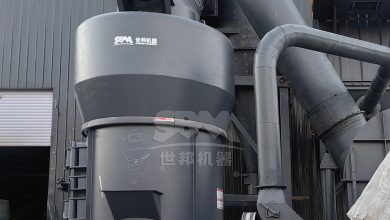
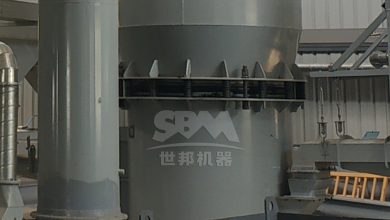
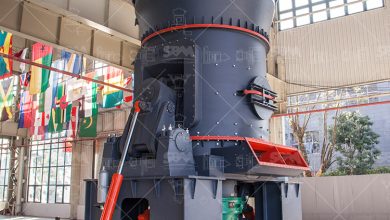
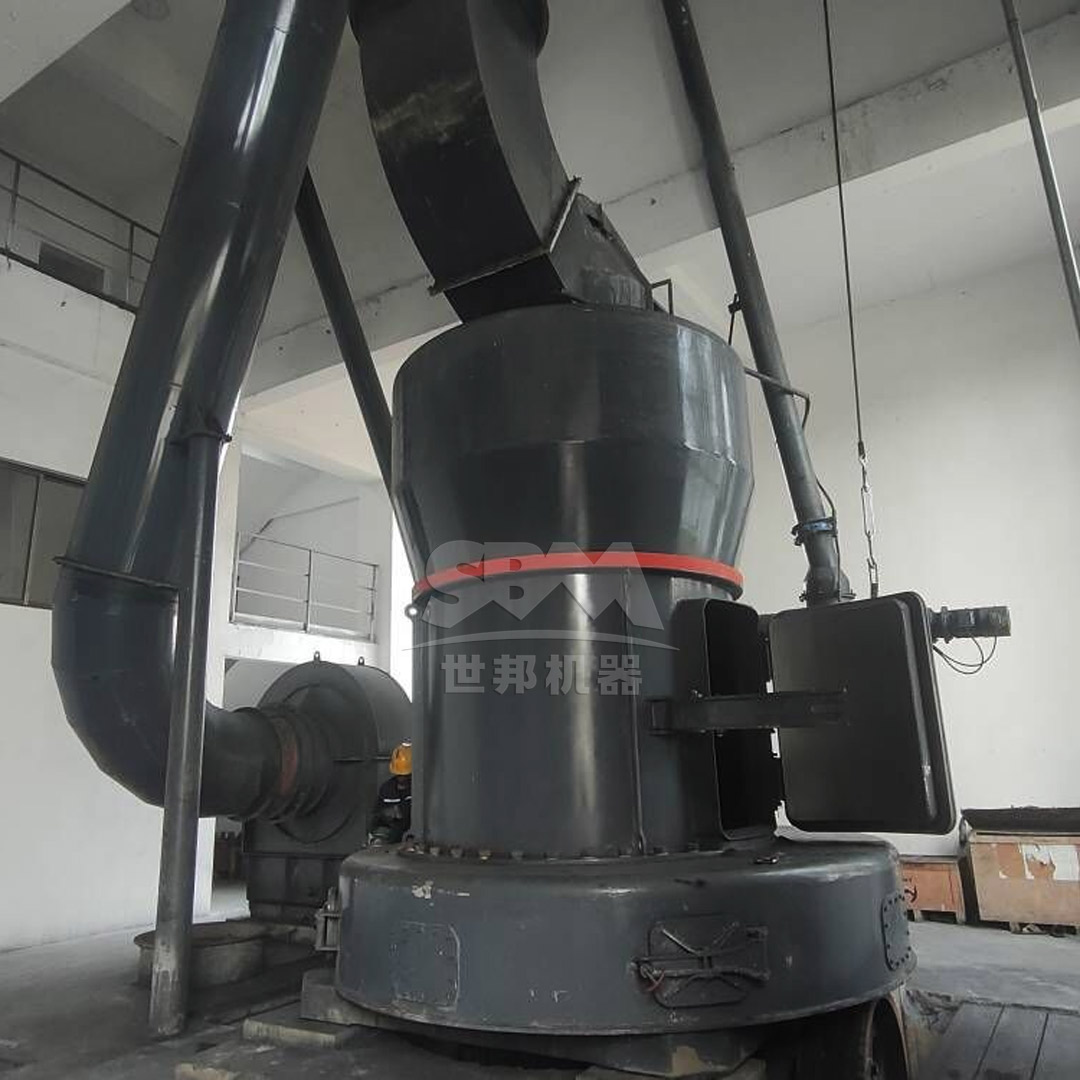
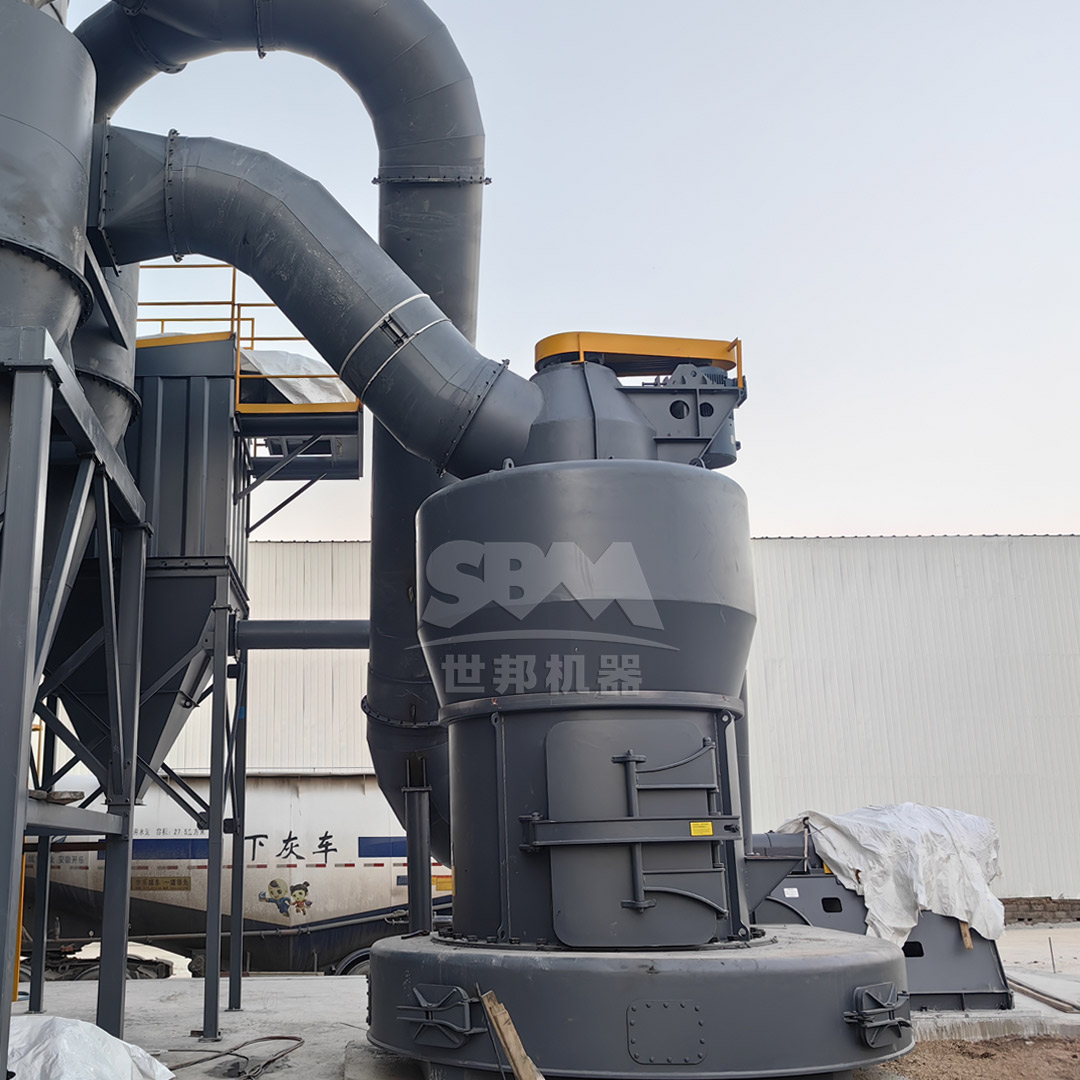
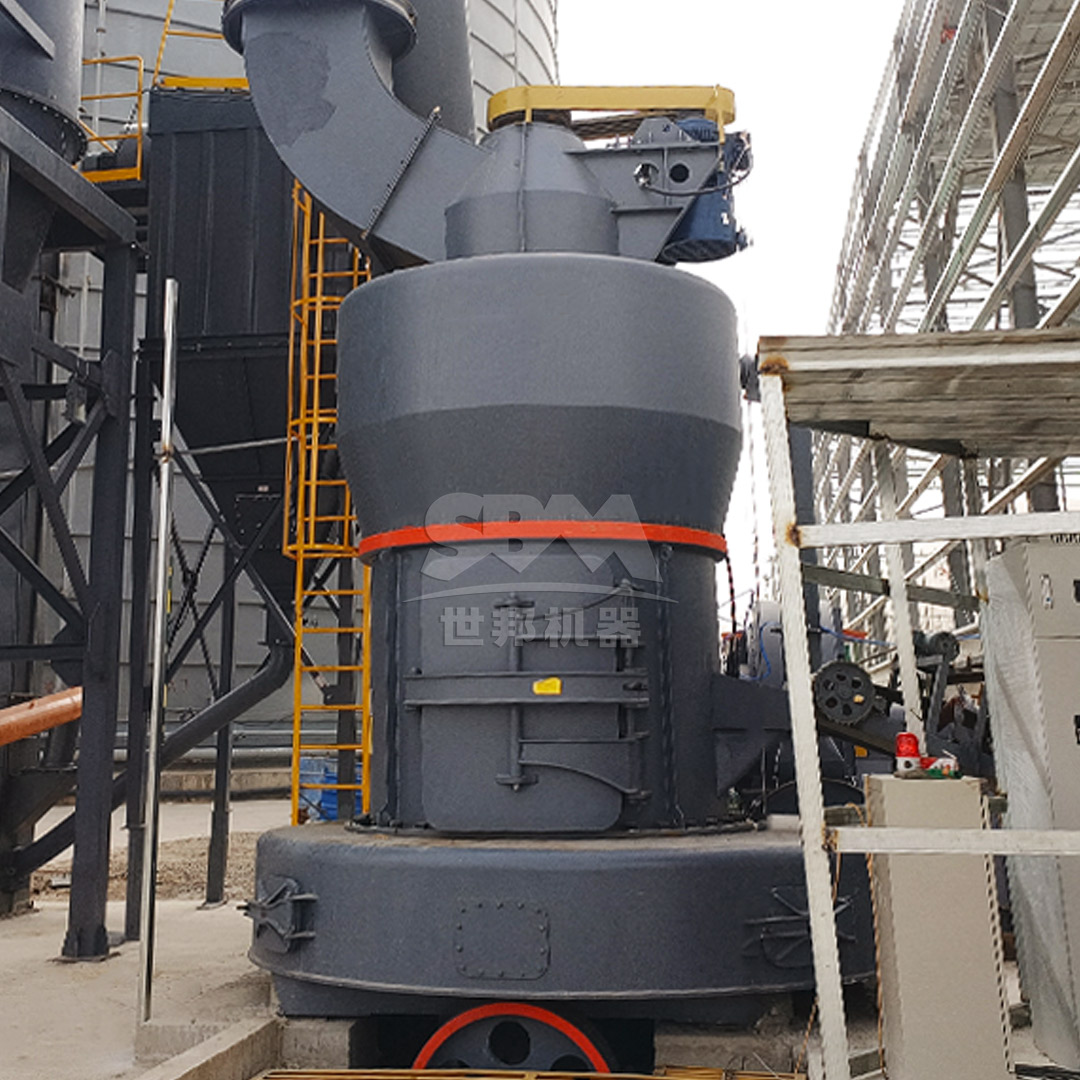
- For Coarse to Medium Fineness (30-325 mesh / 600-45μm): Robust grinding systems like the MTW Series European Trapezium Mill or the LM Series Vertical Roller Mill are ideal. For instance, the MTW series, with its anti-wear shovel design and optimized arc air duct, offers high-capacity processing (3-45 t/h) with excellent energy efficiency. Its integral bevel gear drive ensures stable, reliable operation for producing tailings powder suitable for partial cement replacement or as a fine aggregate.
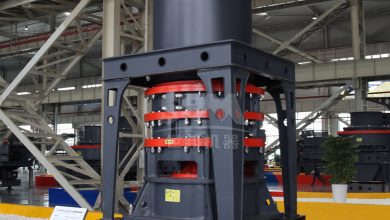
- For Ultrafine and High-Value Applications (325-2500 mesh / 45-5μm): To unlock the full pozzolanic activity or produce specialized micro-fillers, ultrafine grinding is necessary. The SCM Series Ultrafine Mill excels in this domain. With its high-precision vertical turbine classifier, it can produce tailings powder with exceptional fineness control and uniformity, ensuring no coarse particles are mixed in. Its high-efficiency design consumes 30% less energy than traditional jet mills while offering double the capacity, making the production of high-value SCM from tailings both technically superior and economically viable.
3.3. Classification and Separation
Integrated or standalone classifiers are used to precisely control the PSD of the ground product, separating oversize material for regrinding and ensuring a consistent final product.
3.4. Batching and Mixing Technology
Advanced automated batching systems are required to accurately incorporate the processed tailings powder into concrete, mortar, or brick mixtures, ensuring optimal performance and repeatability.
4. Applications in Building Material Production
Processed iron tailings can be utilized in several innovative ways:
4.1. Supplementary Cementitious Material (SCM)
Ultrafine iron tailings powder, produced by equipment like the SCM Series Ultrafine Mill, can partially replace Portland cement (typically 10-30%). This reduces the carbon footprint of concrete, improves long-term strength and durability through pozzolanic reactions, and lowers material costs.
4.2. Fine Aggregate in Concrete and Mortar
Properly graded tailings sand can replace natural river sand in concrete and mortar production, conserving natural resources and providing a consistent material supply.
4.3. Production of Autoclaved Aerated Concrete (AAC) Blocks
The fine, silica-rich nature of tailings makes them an excellent raw material for AAC blocks, where they react with lime under high-pressure steam to form strong, lightweight building elements.
4.4. Fabrication of Ceramic Tiles and Bricks
Tailings can be used as a primary component in the body mix for tiles and bricks, reducing firing temperatures and yielding products with good mechanical properties.
4.5. Road Base and Sub-base Materials
Stabilized iron tailings can be used in road construction layers, offering a sustainable alternative to quarried aggregates.
5. Economic and Environmental Benefits
The utilization of iron tailings in construction offers a compelling triple-bottom-line benefit:
- Environmental: Reduces the need for new tailings dams, minimizes dust pollution from stockpiles, conserves natural sand and limestone resources, and lowers CO₂ emissions from cement production.
- Economic: Transforms a liability into a revenue stream. Reduces raw material costs for construction companies and creates new business models for mining companies.
- Social: Promotes a circular economy, enhances the sustainability profile of both mining and construction sectors, and mitigates long-term environmental risks for communities.
6. Conclusion and Future Outlook
The large-scale utilization of iron tailings in building materials is a technically feasible and economically attractive pathway towards sustainable industrial development. Its success is intrinsically linked to the adoption of advanced, efficient, and reliable processing technology. Modern grinding mills, such as the high-capacity MTW Series for general applications and the precision-focused SCM Series Ultrafine Mill for high-value products, are indispensable tools in this transformation. By enabling precise control over material fineness and quality, this equipment ensures that iron tailings can meet the stringent performance standards required by the modern construction industry. As research continues to optimize mix designs and processing parameters, and as environmental regulations tighten, the synergy between advanced mineral processing technology and construction material science will undoubtedly turn the challenge of iron tailings into a cornerstone of the circular economy.