Coal Gangue Processing Technology for Building Materials Production
1. Introduction: Transforming Waste into Resource
Coal gangue, a solid waste discharged during coal mining and washing, has long been a significant environmental and economic burden for the mining industry. Traditionally treated as refuse, its accumulation occupies vast land areas, leads to spontaneous combustion risks, and causes soil and water pollution. However, with advancements in processing technology, coal gangue is now recognized as a valuable secondary resource, particularly for the building materials industry. Its primary chemical components—silica, alumina, and various oxides—make it an excellent raw material for producing cement, bricks, lightweight aggregates, and other construction products. This article explores the comprehensive processing technology for converting coal gangue into high-value building materials, highlighting key equipment solutions that ensure efficiency, quality, and environmental compliance.
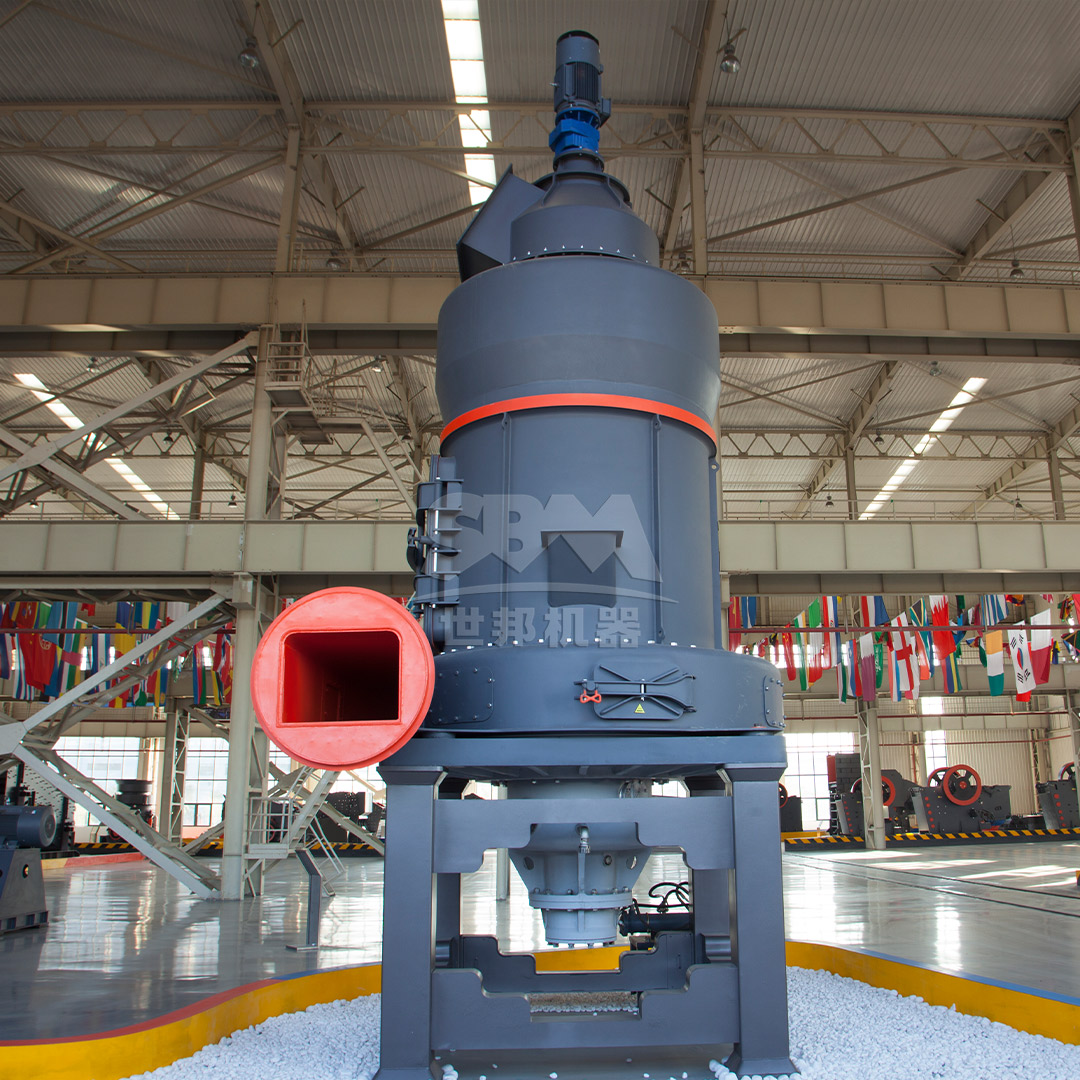
2. Coal Gangue Characteristics and Pre-Treatment
Effective utilization begins with understanding the material. Coal gangue is heterogeneous, with variable composition, hardness, and calorific value. The initial processing stage involves:
- Crushing & Screening: Raw gangue with a size up to several hundred millimeters must be reduced. Primary and secondary crushing stages break it down to a manageable size (typically below 50mm). Screening separates material into different size fractions for downstream processes. For initial size reduction to below 40mm, a Hammer Mill is highly effective due to its high crushing ratio, stable operation, and compact structure. Its wear-resistant high manganese steel liners ensure longevity when processing abrasive gangue.
- Removal of Residual Coal & Pyrite: Techniques like gravity separation or flotation can recover remaining coal for energy use, improving the gangue’s purity for material production.
- Drying: Reducing moisture content is crucial for subsequent grinding and thermal processes like calcination.
3. Core Processing: Grinding Technology
Fine grinding is the heart of gangue processing, determining the reactivity and performance of the final product. The choice of grinding mill depends on the target fineness and production scale for different building material applications.
3.1 For High-Surface-Area Pozzolanic Materials (Cement Blends)
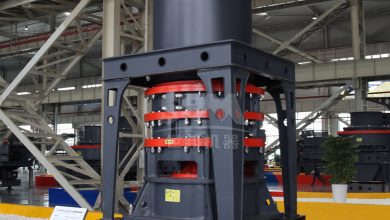
When producing ultra-fine coal gangue powder as a supplementary cementitious material (SCM), a fineness of 325-2500 mesh (5-45μm) is required to achieve high pozzolanic activity. For this demanding application, the SCM Series Ultrafine Mill is the optimal solution.
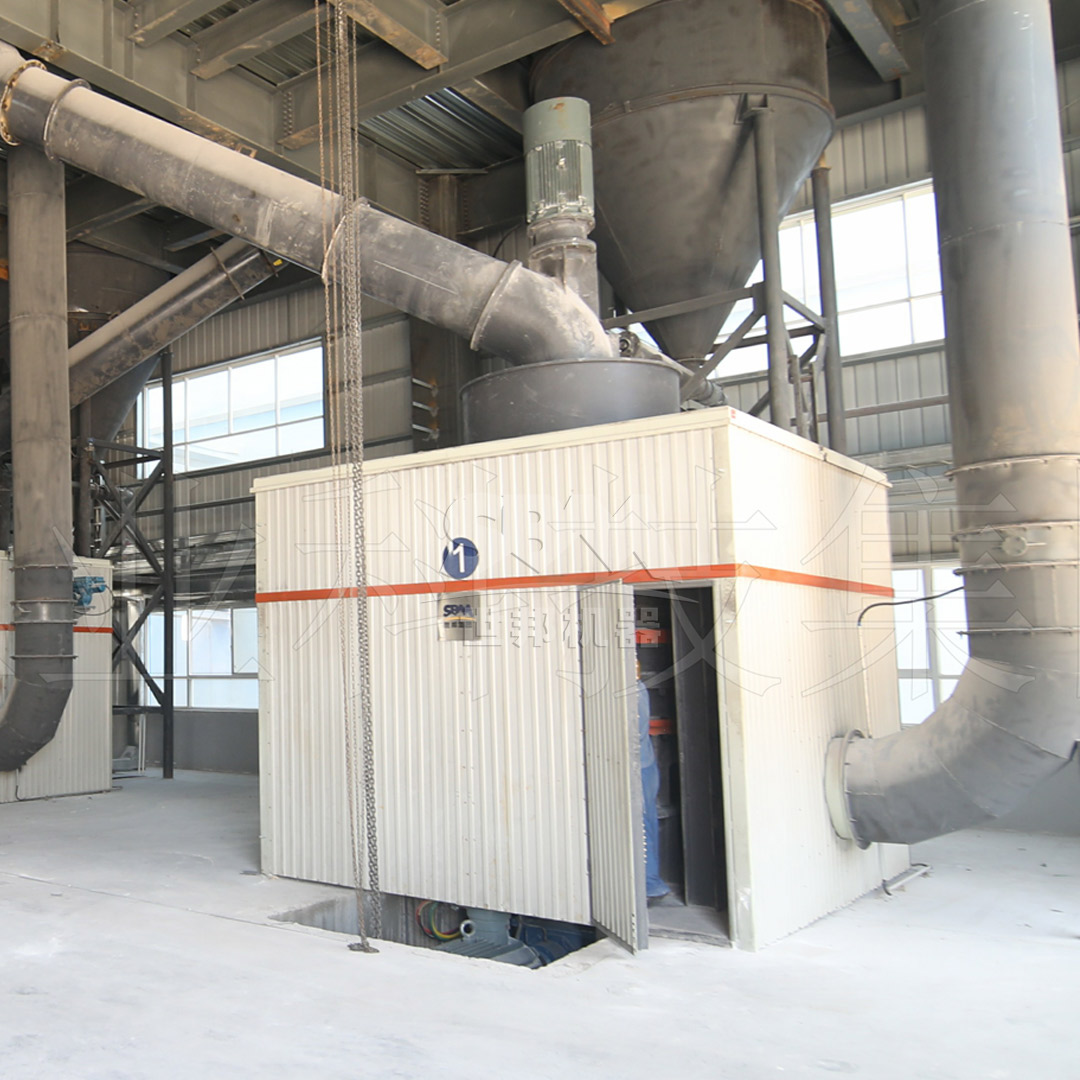
This mill excels in producing superfine powders with high efficiency. Its vertical turbine classifier guarantees precise particle size cutting, ensuring a uniform product without coarse particles—a critical factor for enhancing concrete strength and durability. With a capacity ranging from 0.5 to 25 tons per hour and energy consumption 30% lower than traditional jet mills, it offers both economic and technical advantages for high-value additive production.
3.2 For Bulk Raw Meal in Cement or Brick Production
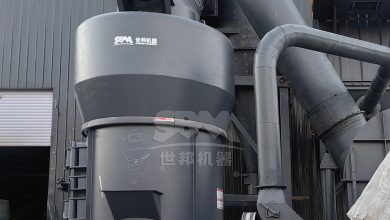
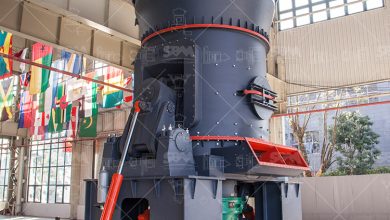
For applications where gangue is used as a primary raw material in cement clinker production or for manufacturing sintered bricks, a fineness of 30-325 mesh (45-600μm) is typically sufficient. Here, large-scale, stable, and energy-efficient grinding is paramount. The MTW Series European Trapezium Mill is ideally suited for this role.
With an input size of up to 50mm and a capacity ranging from 3 to 45 tons per hour, the MTW mill can handle significant volumes. Its integrated bevel gear drive boasts 98% transmission efficiency, while its anti-wear shovel and optimized arc air duct designs significantly reduce maintenance costs and energy loss. This mill provides the reliable, high-capacity grinding needed for the main feedstock in large-scale building material plants.
4. Building Materials Production Pathways
Processed coal gangue powder finds multiple applications:
- Cement and Concrete: Ultra-fine gangue powder (from the SCM mill) acts as a pozzolan, partially replacing cement clinker. This reduces CO2 emissions and improves concrete’s long-term strength and chemical resistance. Coarser powder (from the MTW mill) can be blended into the raw meal for cement kilns, utilizing its alumina and silica content.
- Sintered Bricks and Blocks: Ground gangue is mixed with a small amount of clay or other binders, shaped, and then sintered in a tunnel kiln. The residual carbon in the gangue can provide part of the fuel, making the process more energy-efficient.
- Lightweight Aggregates: Granulated gangue powder can be fed into a rotary kiln or sintering machine at high temperatures (1100-1300°C). The material bloats to form lightweight, porous aggregates used in concrete and horticulture.
- Geopolymer Materials: Activated gangue powder can be mixed with an alkaline solution to form a geopolymer binder, a promising low-carbon alternative to Portland cement.
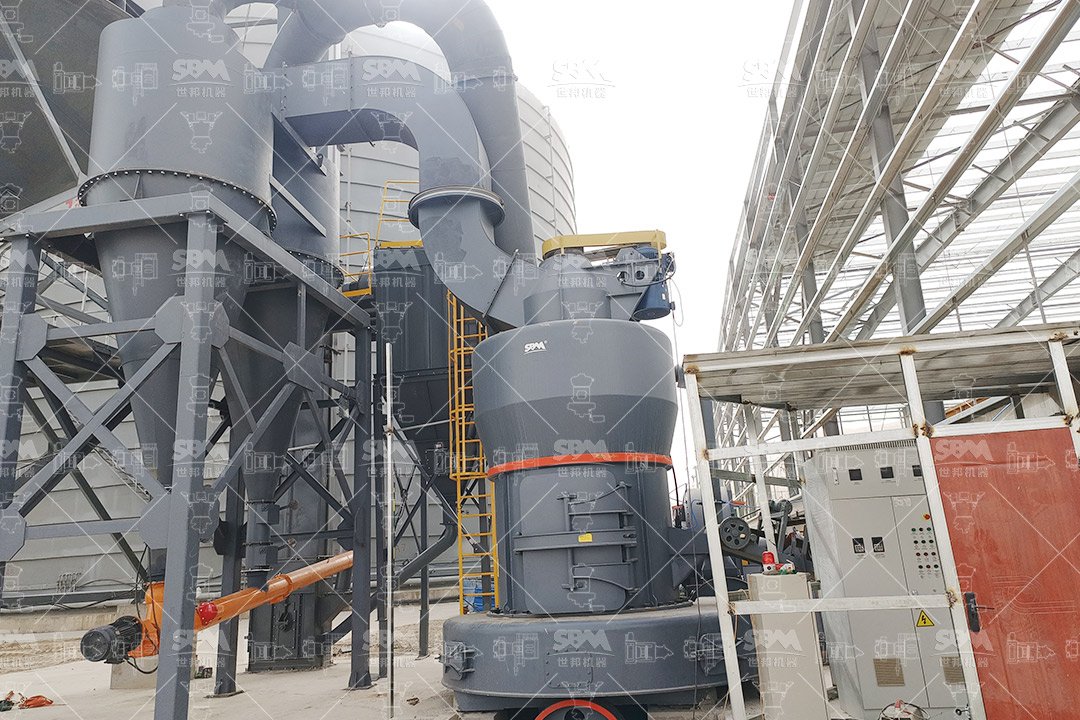
5. System Integration and Environmental Considerations
A modern coal gangue processing plant is more than just a series of machines; it’s an integrated system. Key to this is the dust collection and noise control technology built into advanced mills. Both the SCM and MTW series feature high-efficiency pulse dust collectors that exceed international emission standards, ensuring a clean workshop. Furthermore, intelligent control systems allow for remote monitoring and automatic adjustment of grinding parameters, optimizing quality and yield while minimizing manual intervention and energy waste. The successful transformation of coal gangue hinges on this combination of high-performance equipment and holistic system design.
6. Conclusion
The processing of coal gangue for building materials represents a perfect synergy of environmental stewardship and economic innovation. By adopting advanced grinding technologies like the SCM Series Ultrafine Mill for high-end applications and the MTW Series European Trapezium Mill for large-scale raw material preparation, producers can unlock the full potential of this abundant waste stream. This not only mitigates the environmental hazards associated with gangue piles but also creates sustainable, high-performance construction materials, contributing to the circular economy and the green future of the building industry.