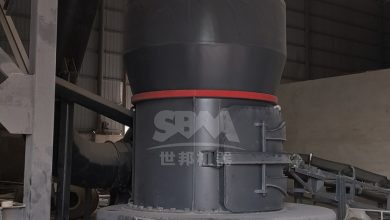
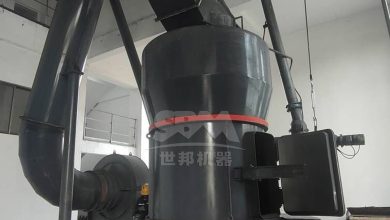
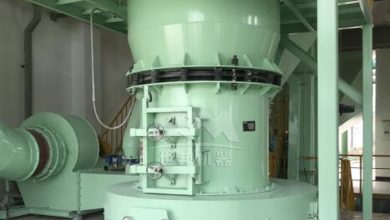
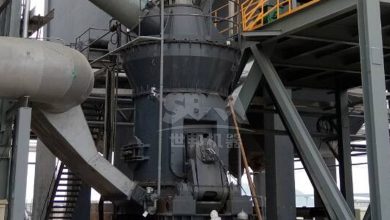
Customer Case Study: On-Site Photos of Pyrophyllite Vertical Roller Mill Production Line
Introduction: The Pyrophyllite Processing Challenge
Pyrophyllite, a versatile aluminosilicate mineral prized for its applications in ceramics, refractories, paints, and plastics, presents a unique challenge for industrial processing. Its inherent softness and layered structure demand a grinding solution that can achieve ultra-fine particle sizes (often down to 325-2500 mesh) while maintaining high throughput, low energy consumption, and strict environmental controls. Traditional ball mills or Raymond mills often fall short, struggling with high wear rates, inconsistent product fineness, and excessive operational costs. This case study examines a successful installation of a dedicated pyrophyllite grinding line, highlighting the technological solutions that delivered exceptional results.
Project Overview and Requirements
The customer, a leading industrial minerals producer in Asia, aimed to establish a new production line to process raw pyrophyllite ore into high-value, ultra-fine powder for the premium ceramics market. Their key requirements were stringent:
- Final Product Fineness: A consistent output of 800-1250 mesh (approximately 15-10μm).
- Production Capacity: A stable throughput of 8-10 tons per hour.
- Energy Efficiency: Significant reduction in power consumption per ton compared to their existing system.
- System Stability & Automation: Minimal operator intervention, low maintenance downtime, and stable, continuous operation.
- Environmental Compliance: Full dust containment and low noise emission to meet local regulations.
The Solution: A Tailored Vertical Roller Mill System
After a thorough analysis of the material characteristics and production goals, our engineering team recommended a system centered on our advanced LM Series Vertical Roller Mill, specifically configured for fine powder production. The decision was based on the LM mill’s core advantages for soft, non-metallic minerals like pyrophyllite.
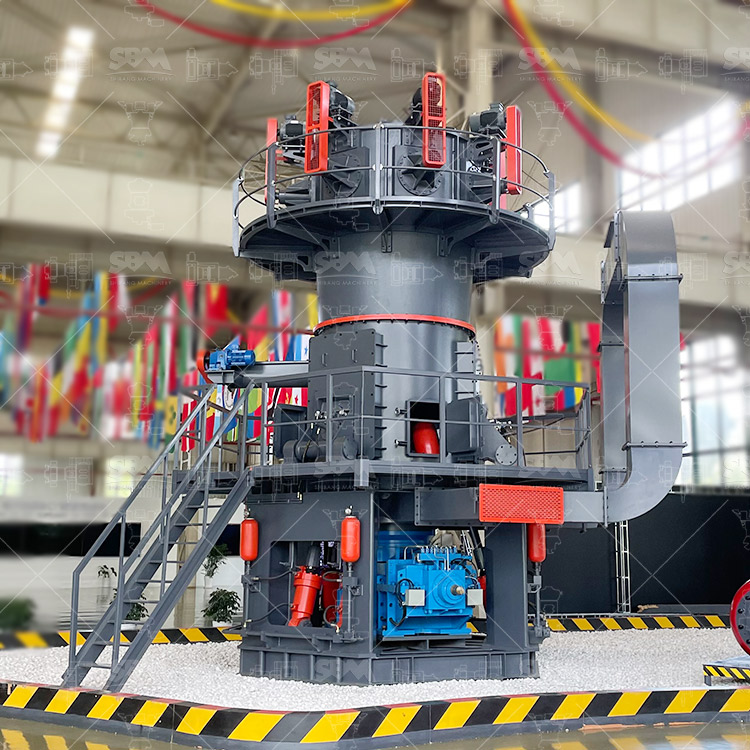
The selected model was an LM190K Vertical Roller Mill, optimized with a high-efficiency dynamic classifier. Its integrated design—combining drying, grinding, classification, and conveying into a single unit—was a perfect fit, reducing the plant’s footprint by over 50% compared to a traditional ball mill circuit.
Why the LM Vertical Roller Mill Was Ideal:
- Integrated & Compact Design: The system’s ability to handle crushing, grinding, and selection in one machine drastically simplified the layout and reduced civil engineering costs by an estimated 40%.
- Low Operating Cost: The principle of material bed grinding between rollers and a rotating table is inherently more energy-efficient than the impact/attrition of ball mills. The project achieved energy savings of 30-40% per ton of product. Furthermore, the non-contact design between rollers and table and the use of special wear-resistant materials extended the lifecycle of grinding components significantly.
- Intelligent Control: The mill was equipped with an expert-level automatic control system. This system allows for remote monitoring and operation, maintaining optimal grinding pressure, feed rate, and classifier speed in real-time to ensure consistent fineness with minimal manual intervention.
- Environmental Excellence: The fully sealed negative pressure operation ensured no dust leakage during processing. Coupled with a high-efficiency pulse jet bag filter, dust emissions were kept well below international standards. The mill’s soundproof design also maintained low noise levels around the equipment.
Production Line Configuration and Key Components
The complete production line was designed as follows:
- Raw Material Pre-Homogenization & Feeding: Crushed pyrophyllite (≤50mm) is fed via a belt conveyor to a surge bin, with a vibrating feeder ensuring a steady, controlled supply to the mill.
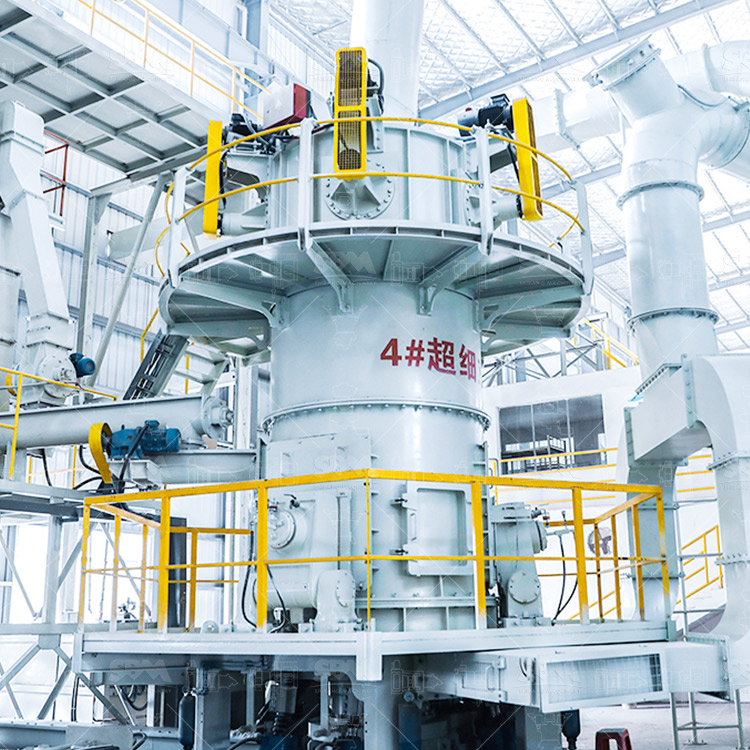
- Grinding & Drying Core: The heart of the line is the LM190K Vertical Roller Mill. Material enters the center of the rotating grinding table, is flung outwards by centrifugal force, and forms a uniform material bed. Two hydropneumatic grinding rollers apply precise pressure, crushing the pyrophyllite via a bed-compaction mechanism. Simultaneously, hot air from a dedicated hot air generator enters the mill chamber, drying the material during grinding—a critical step for subsequent fine classification.
- Precision Classification: The ground and dried powder is carried by the airflow to the integrated dynamic classifier at the top of the mill. This high-precision turbine classifier performs the crucial task of particle size separation. Fine particles meeting the target fineness pass through, while coarse particles are rejected and returned to the grinding table for further size reduction. This closed-loop classification is key to achieving the narrow particle size distribution required.
- Product Collection & Dedusting: The fine powder-laden air stream exits the mill and enters a high-efficiency cyclone collector, where the majority of the product is separated. The air then passes through a final pulse jet bag filter to capture any residual fines, ensuring 99.9%+ collection efficiency and clean gas emission. The collected ultra-fine pyrophyllite powder is then conveyed to silos for packaging.
Performance Results and Customer Benefits
Since commissioning, the production line has exceeded performance expectations:
- Output & Quality: The line consistently produces 9.5 tons per hour of pyrophyllite powder with a fineness of 1000 mesh (D97). The product uniformity is excellent, with no coarse particle contamination, directly enhancing the quality of the customer’s downstream ceramic products.
- Economic Impact: The 35% reduction in specific energy consumption has translated into substantial annual cost savings. The extended wear life of grinding rollers and table liners has reduced maintenance frequency and spare parts costs.
- Operational Excellence: The automated control system has stabilized the process, reduced the need for skilled operators, and provided valuable production data for optimization. The compact and clean plant layout has been praised for its ease of management.
- Environmental Stewardship: The plant operates as a clean, dust-free facility, easily passing all environmental audits and contributing to the company’s sustainable development goals.
Conclusion and Technology Recommendation
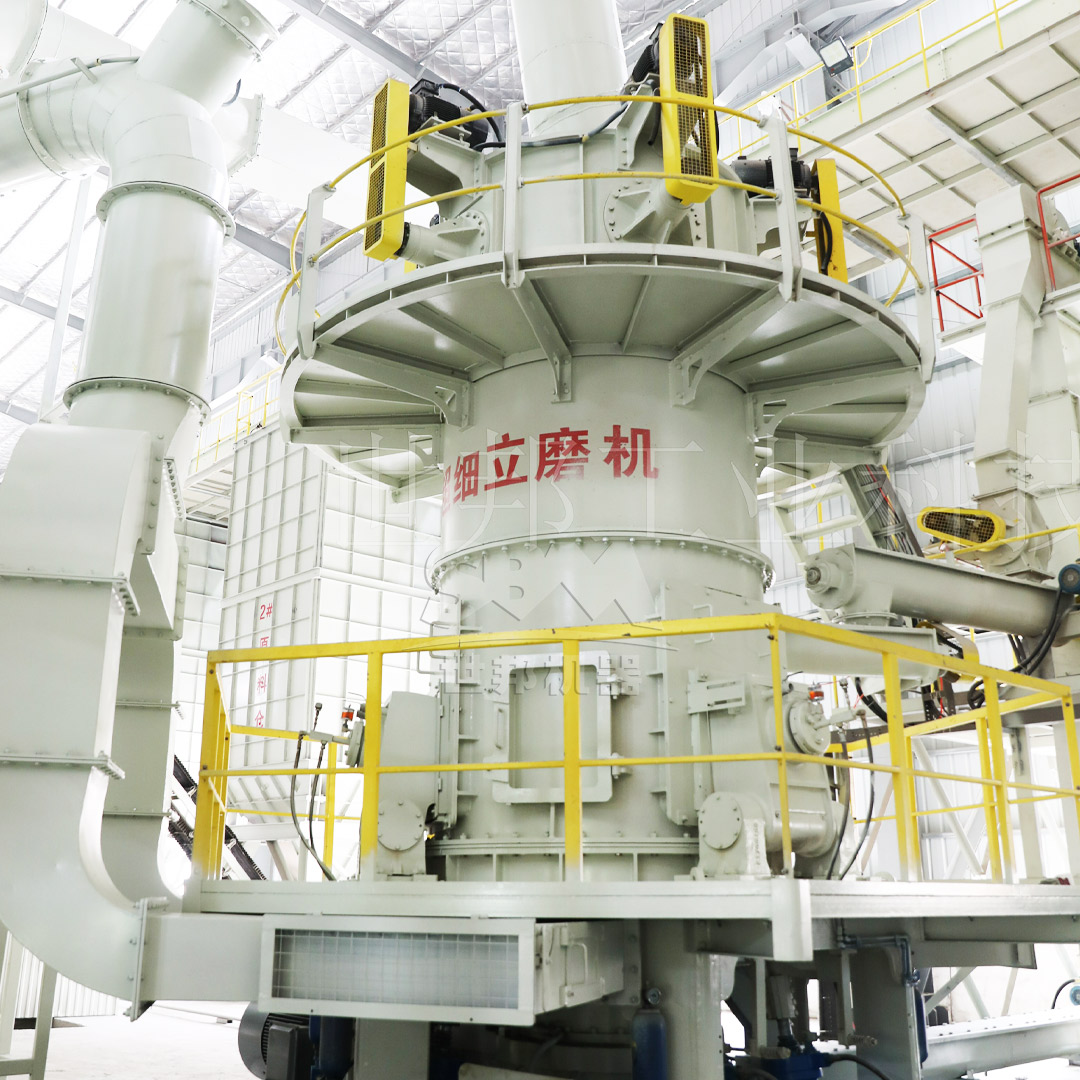
This pyrophyllite project stands as a testament to how modern grinding technology can transform mineral processing operations. The success was built on the selection of the right core equipment—the LM Series Vertical Roller Mill—whose design philosophy aligns perfectly with the needs of fine and ultra-fine grinding of non-abrasive, soft to medium-hard materials.
For projects targeting even finer product ranges (e.g., 2500 mesh or 5μm) or requiring processing of smaller feed sizes, we would recommend considering our SCM Series Ultrafine Mill. This mill is engineered specifically for the 325-2500 mesh range, featuring a unique three-layer grinding ring design and a high-precision vertical turbine classifier. It offers exceptional energy efficiency—twice the capacity of jet mills with 30% lower consumption—and is ideal for producing high-value superfine powders where absolute particle size control is paramount. Whether it’s the robust, high-capacity LM series for fine grinding or the ultra-precise SCM series for superfine applications, our portfolio offers a tailored, efficient, and sustainable solution for the evolving demands of the industrial minerals sector.