Comparison of Calcium Hydroxide Grinding Equipment: Which Mill is Best?
Introduction
Calcium hydroxide (Ca(OH)2), also known as hydrated lime or slaked lime, is a crucial industrial chemical with applications spanning construction, water treatment, chemical synthesis, and environmental remediation. Its effectiveness in these roles is heavily dependent on particle size and fineness. Therefore, selecting the optimal grinding equipment is paramount for achieving the desired product quality, maximizing production efficiency, and controlling operational costs. This article provides a comprehensive comparison of the primary milling technologies available for calcium hydroxide processing, analyzing their principles, advantages, limitations, and suitability for different production scales and fineness requirements.
Key Considerations for Calcium Hydroxide Grinding
Before delving into specific equipment, it is essential to understand the material’s characteristics and the critical parameters for grinding:
- Material Properties: Calcium hydroxide is a soft to medium-hard material (Mohs hardness ~2-3) but can be abrasive. It is also hygroscopic, which can pose challenges in handling and fine grinding.
- Desired Fineness: Applications vary widely. Construction mortars may require 100-200 mesh, while high-purity chemical processes or advanced fillers demand ultrafine powders from 325 mesh (45μm) down to 2500 mesh (5μm) or finer.
- Production Capacity: Ranges from small-scale, batch-oriented production to large, continuous industrial output exceeding 25 tons per hour.
- Energy Efficiency: Grinding is an energy-intensive process. The specific energy consumption (kWh/ton) is a major factor in long-term operational economics.
- System Integration & Environmental Control: A complete milling system must include efficient classification, dust collection, and often drying capabilities, all while meeting stringent noise and emission standards.
- Advantages: Proven technology, robust construction, capable of both dry and wet grinding, suitable for a wide feed size.
- Disadvantages for Ca(OH)2: Relatively high energy consumption, especially for fine grinding. Particle size distribution can be broad, and achieving ultrafine fineness (<45μm) is inefficient. Heat generation can be an issue, potentially affecting the material.
- Best For: Coarse to medium grinding where extreme fineness is not critical, or in integrated circuits where a ball mill is used for primary size reduction before a finer grinding stage.
- Advantages: Reliable, lower initial investment for medium-fine grinding, good for materials with moderate hardness and moisture.
- Disadvantages for Ca(OH)2: Limited ability to produce very fine powder efficiently. The mechanical spring system has limitations in applying optimal grinding pressure, and wear on rollers and rings can affect fineness stability over time.
- Best For: Producing calcium hydroxide in the range of 80 to 325 mesh for standard industrial applications.
- Advantages: Excellent energy efficiency (30-50% less than ball mills), integrated drying/grinding/classification, compact footprint, stable product quality with narrow particle distribution, lower noise levels.
- Disadvantages: Higher initial capital cost, more complex operation and maintenance, may be over-specified for very small-scale production.
- Best For: Medium to large-scale production of calcium hydroxide from coarse feed, especially when a fineness range of 30-325 mesh is required. Ideal for modern, high-capacity plants prioritizing efficiency and environmental controls.
- Advantages: Capable of producing the finest powders (down to 1-2μm), no moving parts in contact with material (jet mills), very narrow size distribution.
- Disadvantages: Very high energy consumption per ton, low single-machine capacity, high operational costs (especially gas for jet mills), sensitive to feed size and moisture.
- Best For: Specialized, low-volume production of ultra-high-value, superfine calcium hydroxide where fineness is the absolute priority over throughput and cost.
- Unmatched Efficiency: Its layered grinding principle delivers a capacity approximately twice that of a jet mill of comparable power while reducing energy consumption by about 30%. This makes ultrafine production economically viable on a larger scale.
- Precision Classification: The integrated vertical turbine classifier ensures precise particle size cuts, eliminating coarse powder contamination and guaranteeing a uniform, high-quality product essential for specialty applications.
- Robust & Eco-Friendly: Designed with special wear-resistant materials for rollers and rings, it offers exceptional durability. The fully sealed system with pulse dust collection ensures dust emission and noise levels meet the strictest international environmental standards.
- Ideal Fit: The SCM series, with models like the SCM1000 (1.0-8.5t/h) or the high-capacity SCM1680 (5.0-25t/h), is perfect for dedicated calcium hydroxide lines producing filler-grade, chemical-grade, or high-purity reactive powders.
- Advanced Engineering: It features an anti-wear shovel design, optimized arc air duct for minimal energy loss, and an integral bevel gear drive with 98% transmission efficiency. This translates directly to lower wear costs and higher operational uptime.
- High Capacity & Stability: Models like the MTW175G (9.5-25 t/h) and MTW215G (15-45 t/h) are engineered for large-scale, continuous production. The curved roller and ring design provides a larger grinding area and more stable operation compared to traditional pendulum mills.
- Superior Product Quality: The efficient centrifugal classifier allows for easy and precise adjustment of finished product fineness, ensuring consistent quality for construction, water treatment, and standard chemical uses.
- Best For: This mill is the ideal all-rounder for major calcium hydroxide producers and processors who need reliability, high throughput, and excellent energy efficiency for products in the common industrial fineness spectrum.
- For ultrafine applications (325-2500 mesh) where product value is high, the SCM Ultrafine Mill offers an unbeatable combination of fineness, capacity, and energy savings, making it the clear technological leader.
- For high-volume production of fine to medium-fine powder (30-325 mesh), the MTW European Trapezium Mill provides superior efficiency, durability, and operational stability, ensuring low cost per ton and maximum productivity.
- While ball mills and Raymond mills have their place in legacy systems or specific niches, modern operations focused on competitiveness and sustainability will find advanced solutions like the SCM and MTW series deliver a faster return on investment through significantly lower operating costs and higher-quality output.
Overview of Common Grinding Technologies
1. Ball Mill
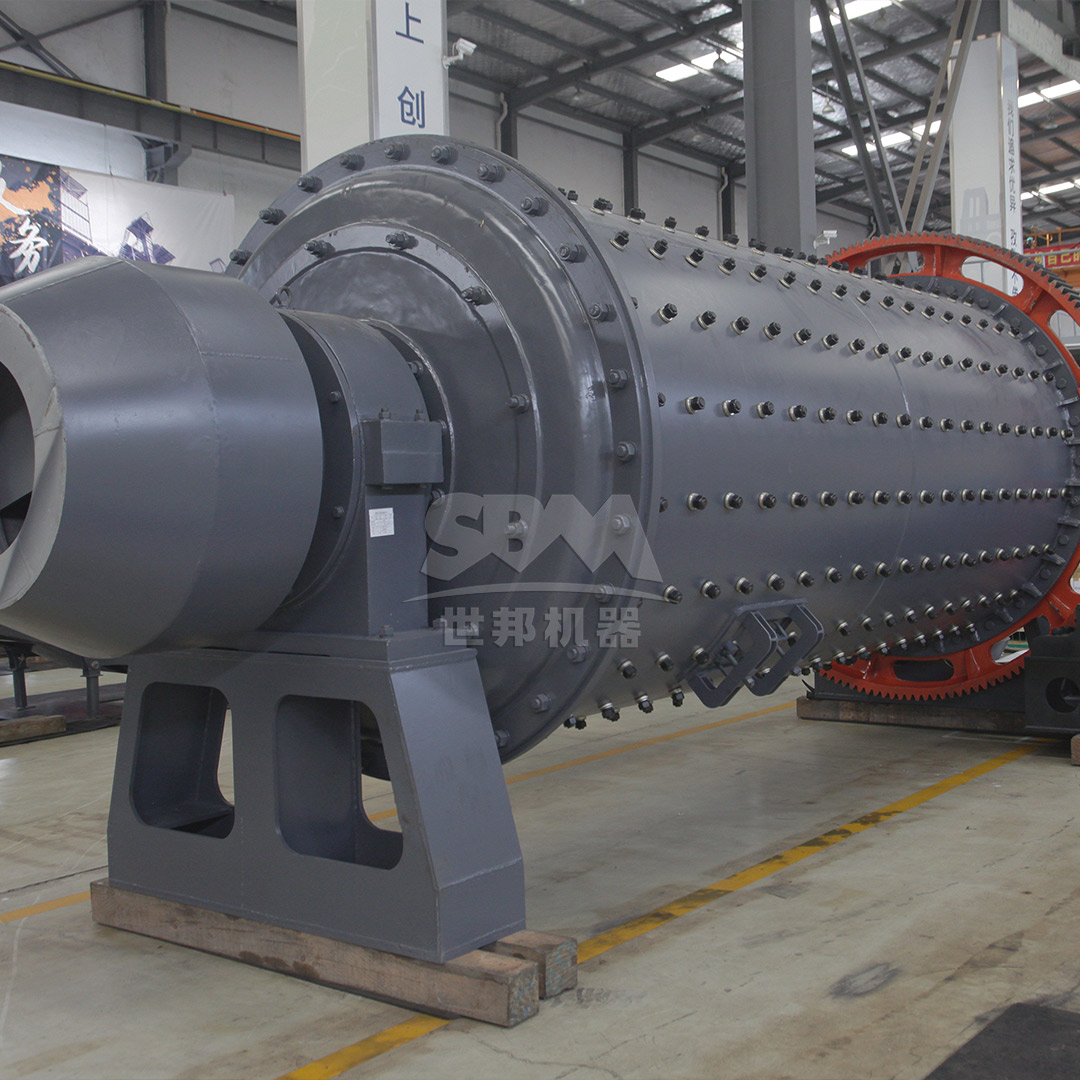
The traditional workhorse for mineral processing, ball mills operate on the principle of impact and attrition as grinding media (steel balls) cascade inside a rotating cylinder.
2. Raymond Mill (Pendulum Roller Mill)
This classic design uses spring-loaded rollers that swing outward due to centrifugal force, grinding material against a stationary ring.
3. Vertical Roller Mill (VRM)
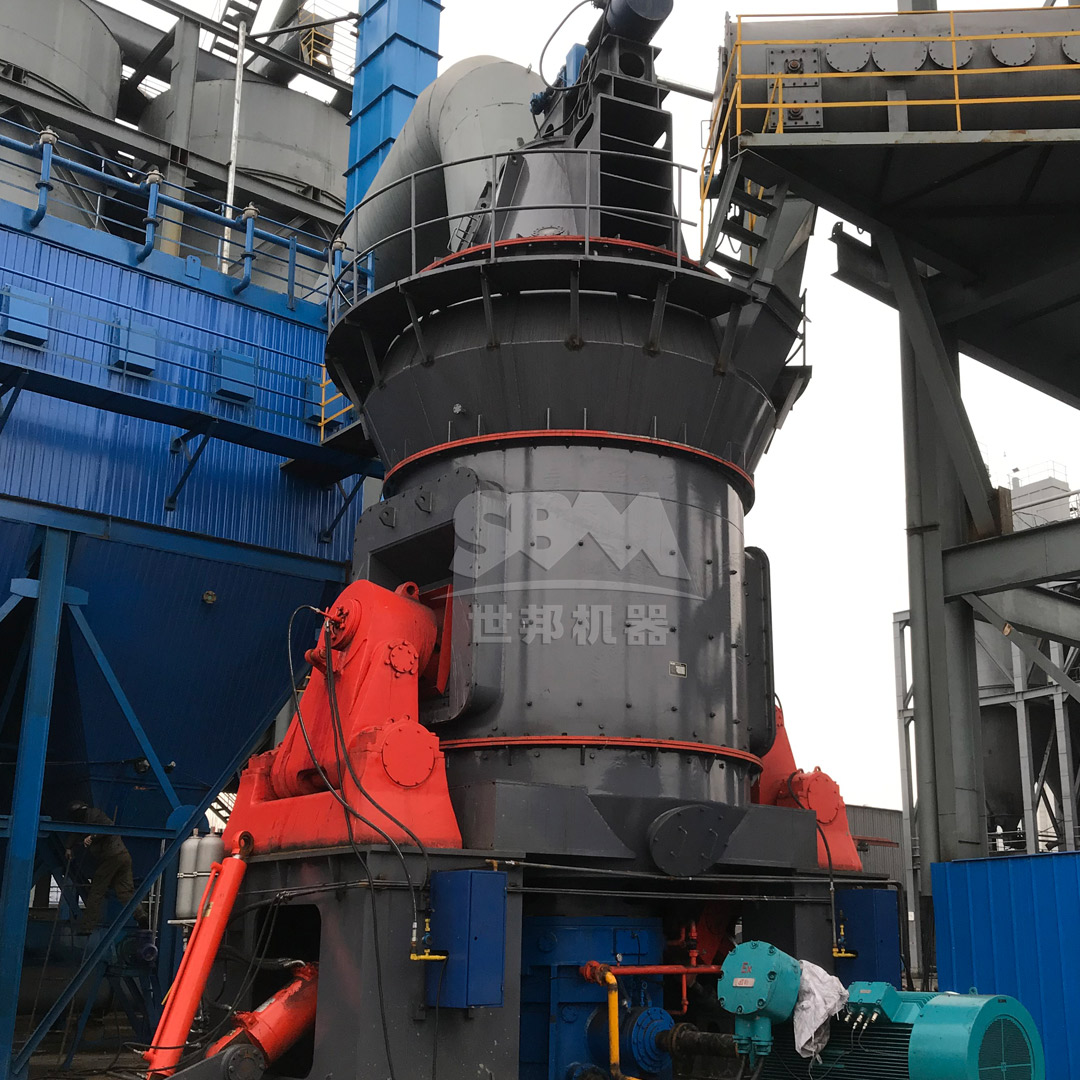
VRMs represent a significant technological leap. Material is ground between a rotating table and two or more hydraulically pressurized rollers. Integrated classification occurs in a high-efficiency separator.
4. Ultrafine Grinding Mills (Jet Mills, Stirred Media Mills)
These mills use kinetic energy from high-speed gas jets or mechanical agitation of fine media to achieve particle-on-particle attrition.
Recommended Solutions for Calcium Hydroxide
Based on the spectrum of requirements for calcium hydroxide processing, two of our mill series stand out as optimal solutions for the majority of industrial scenarios, balancing performance, efficiency, and cost-effectiveness.
Primary Recommendation for High-Capacity, Fine to Ultrafine Grinding: SCM Series Ultrafine Mill
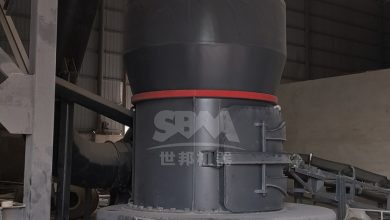
For producers targeting the high-value, fine-powder markets for calcium hydroxide (325-2500 mesh), our SCM Series Ultrafine Mill is the superior choice. It effectively bridges the gap between traditional roller mills and inefficient jet mills.
Primary Recommendation for Versatile, High-Efficiency Grinding: MTW Series European Trapezium Mill
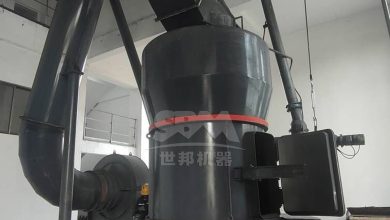
For operations requiring a robust, high-output solution for calcium hydroxide in the fine to medium-fine range (30-325 mesh), our MTW Series European Trapezium Mill is the industry benchmark.
Conclusion: Making the Right Choice
Selecting the best mill for calcium hydroxide is not a one-size-fits-all decision. It requires a careful analysis of your specific end-product requirements, desired capacity, and total cost of ownership.
We recommend consulting with our technical engineering team to review your specific calcium hydroxide feedstock, capacity goals, and product specifications. We can provide detailed test reports and system layouts to ensure you invest in the milling technology that optimally aligns with your business objectives.