Lithium Spodumene Grinding Mill Price and Images – Complete Equipment Guide
Introduction: The Critical Role of Grinding in Lithium Extraction
The global transition to clean energy has placed lithium, the cornerstone of lithium-ion batteries, at the forefront of strategic minerals. Spodumene, a primary hard-rock lithium source, requires extensive processing to liberate its valuable lithium content. The grinding stage is arguably the most critical and energy-intensive step in this journey, transforming raw ore into a fine powder suitable for downstream chemical processing. Selecting the right grinding equipment directly impacts production costs, recovery rates, and overall project viability. This comprehensive guide explores the technological and economic considerations for spodumene grinding and highlights advanced solutions to optimize your operation.
Understanding Spodumene Grinding Requirements
Spodumene ore is notoriously hard and abrasive, presenting unique challenges for grinding equipment. The target particle size after grinding is typically in the range of 150 to 200 mesh (75-106 μm) for conventional flotation, and even finer (325 mesh/45 μm or less) for direct leaching processes. This demands mills with exceptional wear resistance, high classification efficiency, and energy-conscious design. The key parameters to evaluate include:
- Feed Size: After primary crushing, feed size is usually ≤20mm.
- Product Fineness: Ranging from 30 mesh to 2500 mesh, depending on the process route.
- Abrasion Resistance: Equipment must withstand the highly abrasive nature of spodumene.
- Energy Efficiency: Grinding can consume over 50% of a plant’s total energy.
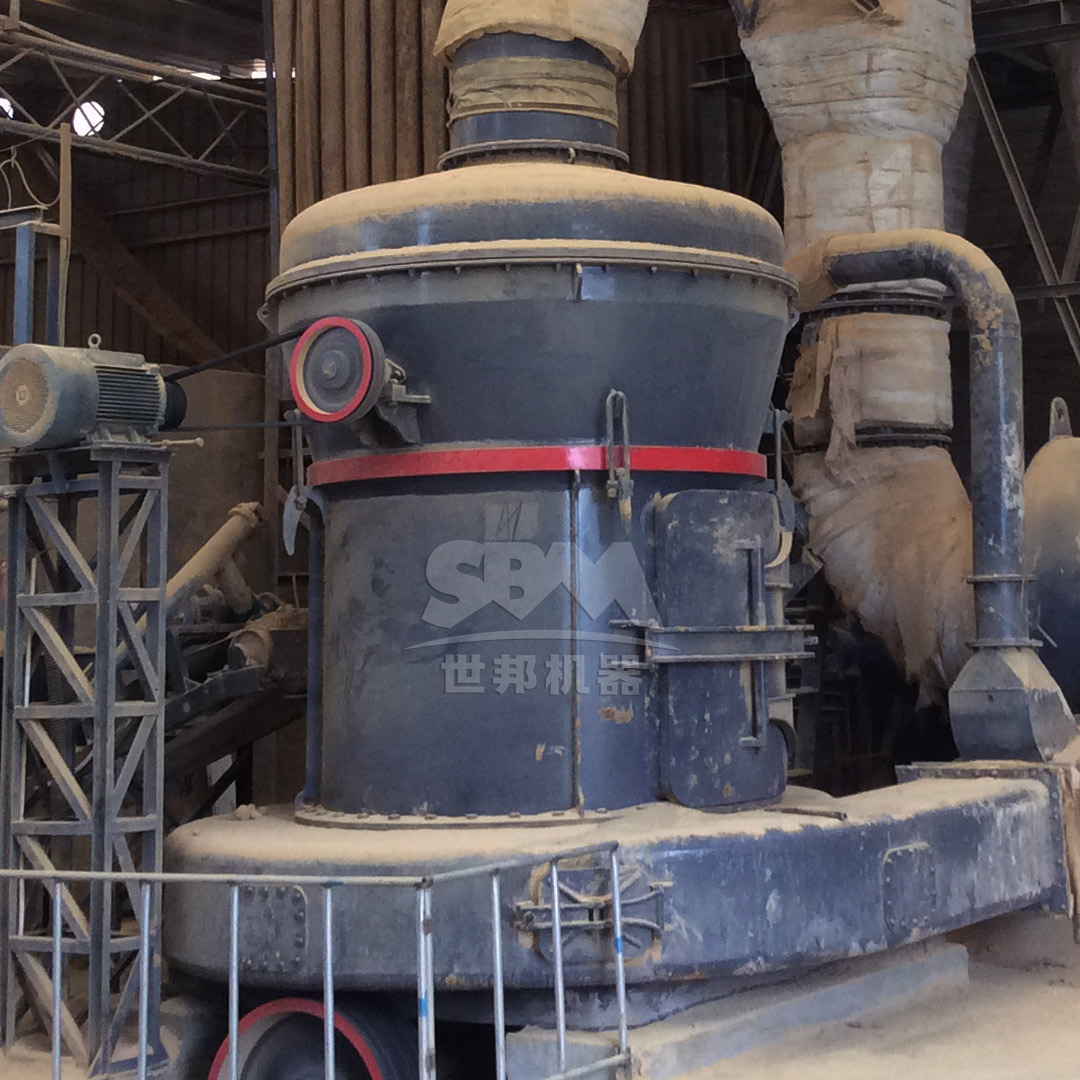
Types of Grinding Mills for Spodumene Processing
1. Ball Mills
The traditional workhorse for mineral grinding. Ball mills operate by tumbling steel balls inside a rotating cylinder, impacting and abrading the ore. They are robust and capable of handling large capacities. However, for spodumene, their relatively low energy efficiency and higher wear rates on liners and media can lead to significant operational costs. They are best suited for primary grinding to a coarser size.
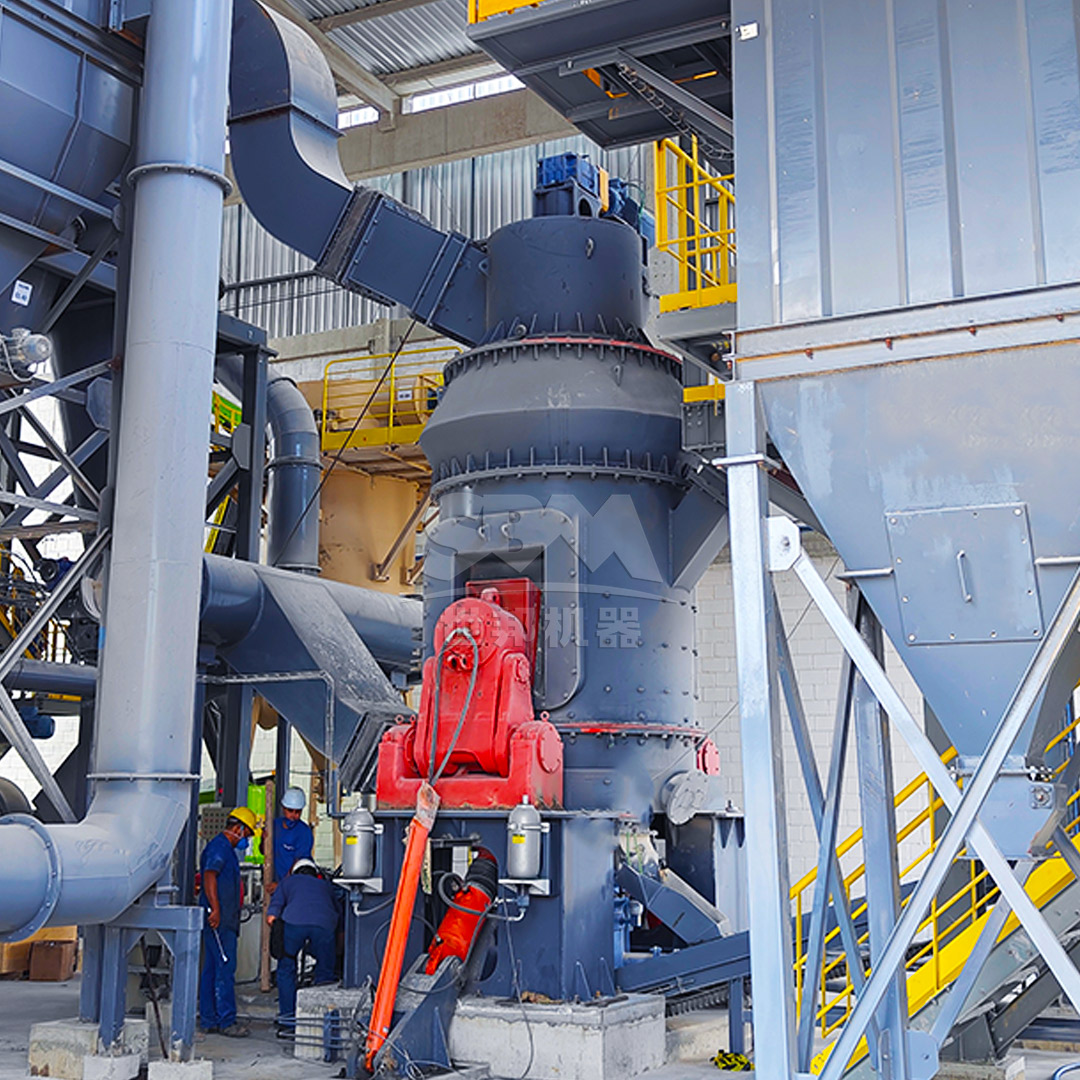
2. Vertical Roller Mills (VRM)
VRMs have gained tremendous popularity in the mining sector for their superior efficiency. Material is ground between a rotating table and rollers under pressure. This bed-compression grinding mechanism is more efficient than the impact/attrition of ball mills.
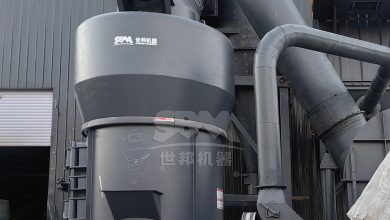
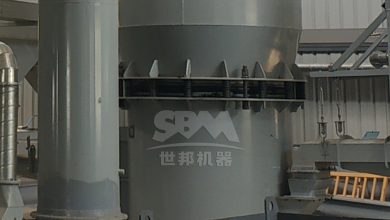
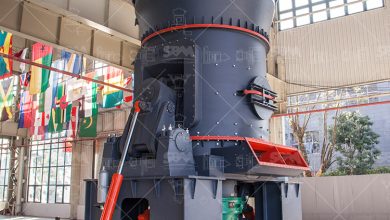
For spodumene applications, we highly recommend our LM Series Vertical Roller Mill. Its integrated design combines crushing, grinding, drying, and classifying in a single unit, reducing footprint by 50%. Crucially, its non-contact design between rollers and table and the use of special wear-resistant materials extend component life several times over, directly combating spodumene’s abrasiveness. With energy consumption 30-40% lower than traditional ball mill systems and intelligent control for stable product fineness, the LM series represents a leap forward in efficient spodumene comminution. Models like the LM190K (23-68 t/h) or LM220K (36-105 t/h) are ideal for large-scale spodumene processing lines.
3. Ultrafine Grinding Mills
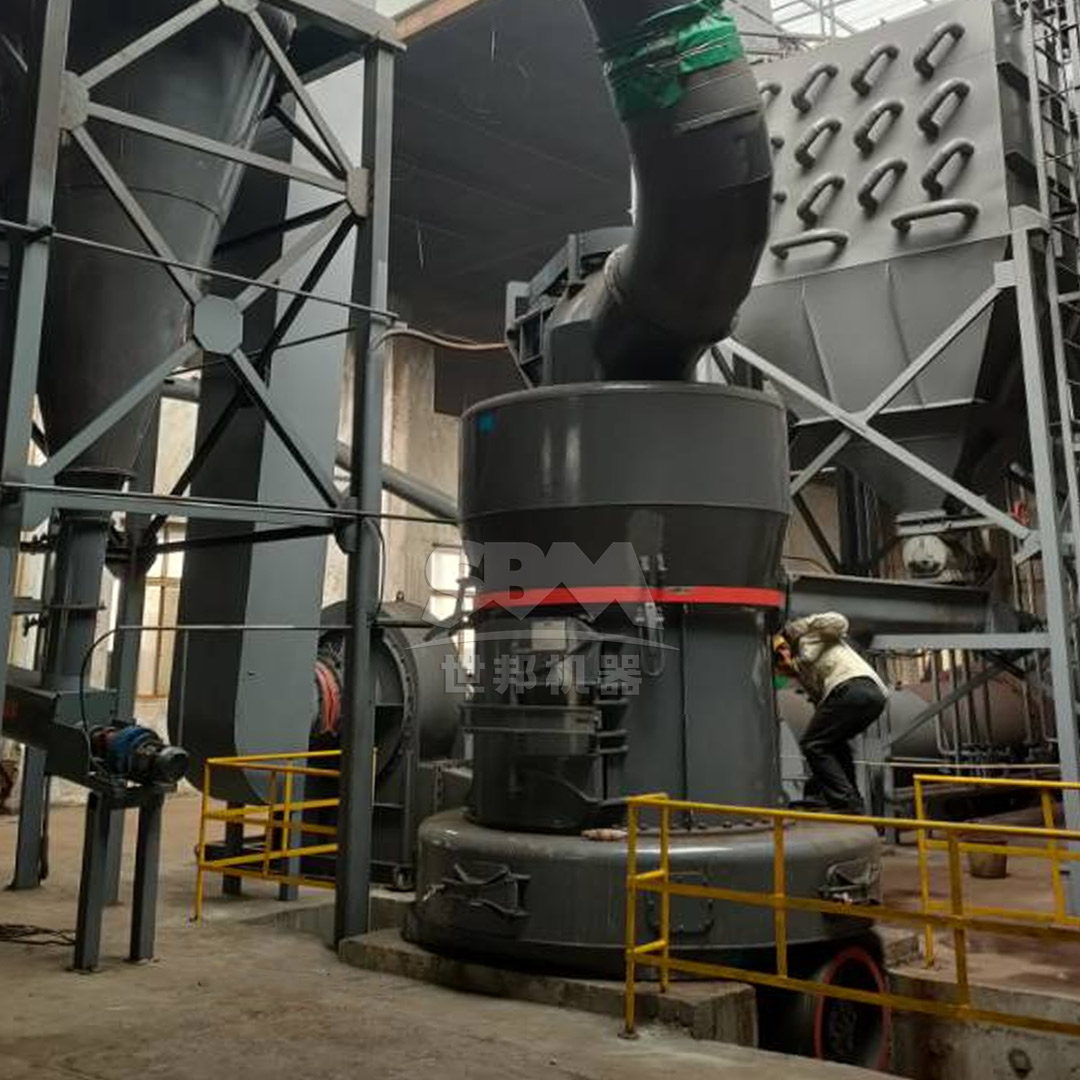
For advanced direct lithium extraction (DLE) processes that require ultra-fine or even micronized spodumene powder, specialized ultrafine mills are essential. These mills achieve particle sizes down to 5μm (2500 mesh) with precise classification.
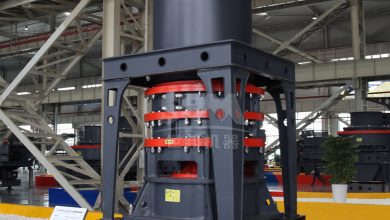
Our flagship solution for this demanding application is the SCM Series Ultrafine Mill. Engineered for high efficiency and precision, it features a vertical turbine classifier that ensures sharp particle size cuts with no coarse powder mixing, yielding a uniform product critical for chemical reactivity. Its capacity is twice that of jet mills while consuming 30% less energy. For spodumene projects aiming for ultra-fine concentrates, models such as the SCM1000 (1.0-8.5 t/h, up to 2500 mesh) provide the perfect balance of high output and exceptional fineness control, all within an eco-friendly, low-noise operation.
Key Factors Influencing Grinding Mill Price
The capital cost of a spodumene grinding mill is not a single figure but a reflection of multiple factors:
- Mill Type & Technology: Advanced VRMs or ultrafine mills command a higher initial price than standard ball mills but offer lower lifetime costs.
- Capacity & Model Size: Prices scale significantly with throughput, from pilot-scale (tons per hour) to large production lines (hundreds of tons per hour).
- Material of Construction: The premium for high-chrome, nickel, or ceramic wear parts to combat abrasion is a major cost component but a necessary investment.
- Level of Automation: Mills equipped with PLC control systems, automatic product feedback, and remote monitoring increase initial cost but drastically reduce labor and improve consistency.
- Auxiliary Systems: The total package price includes classifiers, feeders, dust collectors (like high-efficiency pulse systems), and electrical controls.
Optimizing Your Grinding Circuit for Cost and Performance
Beyond selecting the right mill, circuit design is paramount. Consider a staged approach: use a robust, efficient VRM like our LM series for primary grinding to a medium fineness, followed by an ultrafine mill like the SCM series for final polishing if required. This optimizes energy use across the size reduction spectrum. Furthermore, integrating advanced classification ensures particles are not over-ground, saving energy and minimizing slimes generation.
Conclusion: Investing in the Right Technology
In the competitive landscape of lithium production, the choice of grinding equipment is a strategic decision that affects both capex and long-term opex. While the upfront price of advanced mills like Vertical Roller Mills or Ultrafine Mills is higher, their superior energy efficiency, lower wear rates, and higher product quality deliver a faster return on investment and a more sustainable operation. Partnering with a technology provider that offers robust, application-tested solutions—such as our LM Series for high-capacity grinding and SCM Series for ultrafine requirements—is key to building a cost-effective and reliable spodumene processing plant. We recommend a detailed ore test and pilot study to match the perfect mill model to your specific ore characteristics and production goals.