Lithium Mica Crushing and Grinding Mill Processing Plant Workflow
Introduction
The processing of lithium mica, a crucial source of lithium for batteries and ceramics, demands a precise and efficient workflow to liberate the valuable mineral and achieve the required fineness for downstream applications. A well-designed crushing and grinding plant is paramount for maximizing recovery, ensuring product quality, and optimizing operational costs. This article outlines a professional workflow for a lithium mica processing plant, from raw ore to fine powder, and highlights key equipment considerations.
1. Raw Ore Reception and Pre-Treatment
The process begins with the delivery of raw lithium mica ore. The ore is first subjected to quality control checks to determine its moisture content, lithium oxide (Li₂O) grade, and gangue mineral composition. Depending on the initial size, the ore may undergo primary crushing using a jaw crusher to reduce it to a manageable size (typically below 200mm). Pre-screening may be employed to remove oversized material for recirculation.
2. Primary and Secondary Crushing
The primary crushed ore is then conveyed to a secondary crushing stage. A cone crusher or an impact crusher is typically used here to further reduce the particle size to below 50mm. This stage is critical for achieving a uniform feed size for the subsequent grinding circuit, which improves grinding efficiency and stability. Dust suppression systems are essential at all crushing stages to maintain a clean working environment and minimize material loss.
3. Grinding: The Heart of the Process
Grinding is the most critical and energy-intensive stage in lithium mica processing. The goal is to achieve sufficient liberation of lithium-bearing micas from the gangue while producing a powder with the desired particle size distribution. The choice of grinding mill depends heavily on the target fineness, required capacity, and energy efficiency goals.
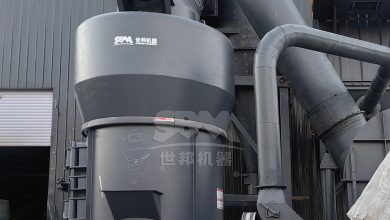
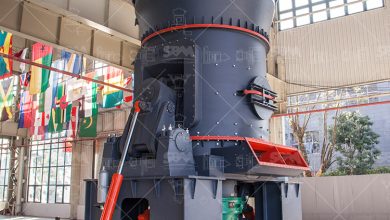
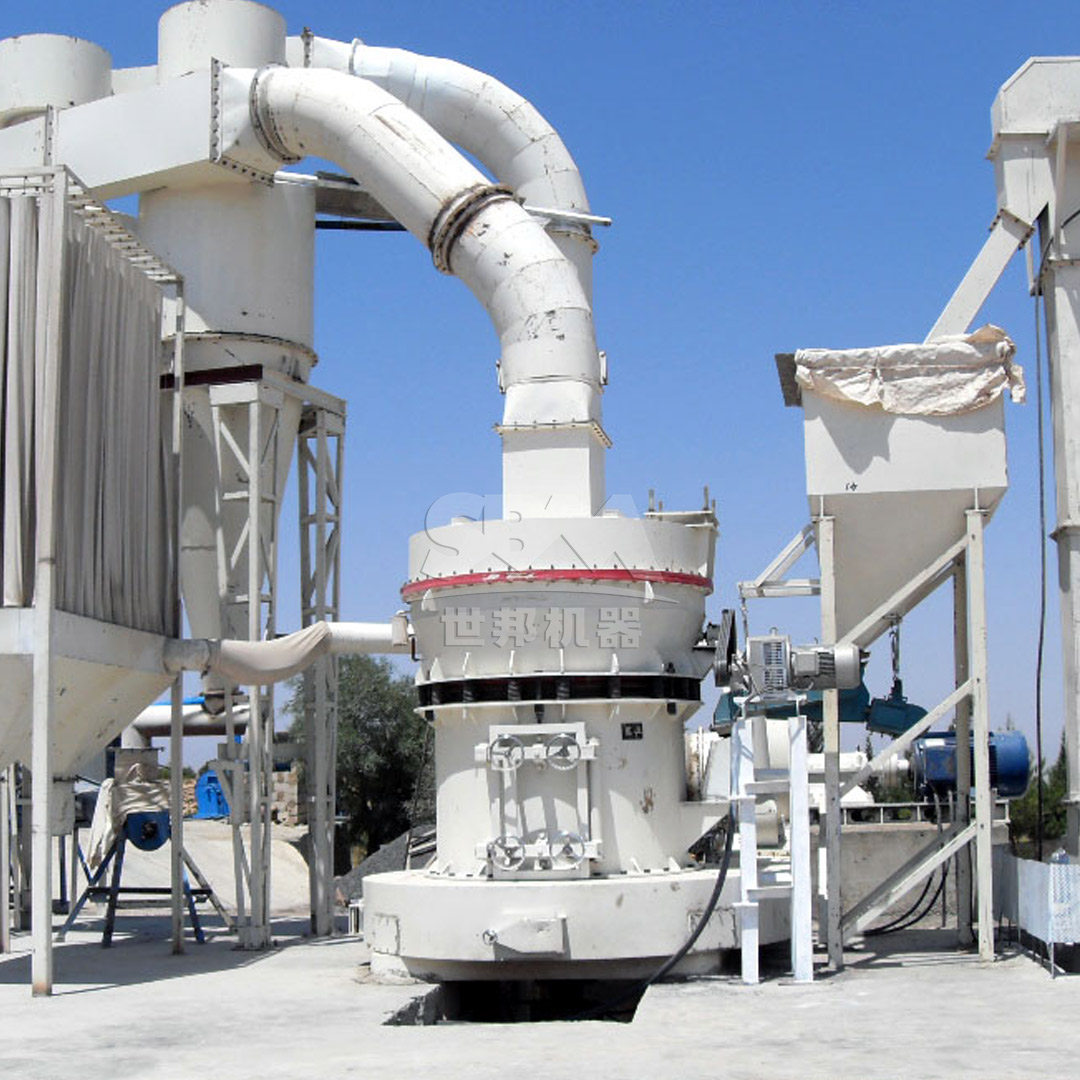
For coarse to medium-fine grinding requirements (e.g., producing a product in the range of 30 to 325 mesh/45-600μm for preliminary beneficiation or certain ceramic applications), robust and high-capacity mills are ideal. Our MTW Series Trapezium Mill is exceptionally well-suited for this stage. With an input size of up to 50mm and a processing capacity ranging from 3 to 45 tons per hour, it can handle the output from the secondary crusher directly. Its advanced features, such as the curved air duct for reduced energy loss, the integral transmission with bevel gears achieving 98% efficiency, and the wear-resistant volute structure, ensure reliable, low-maintenance, and cost-effective operation. The precise classification system allows for excellent control over the final product fineness within the 30-325 mesh range.
4. Ultra-Fine Grinding for High-Value Applications
Many advanced applications, such as lithium battery cathode materials, high-performance ceramics, and specialty coatings, demand lithium mica powder with a much finer particle size, often reaching the micron and sub-micron level (e.g., 325-2500 mesh/45-5μm). This requires specialized ultra-fine grinding technology.
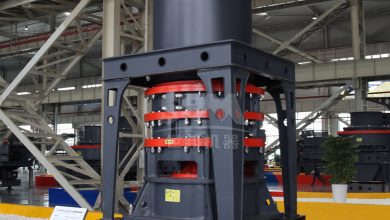
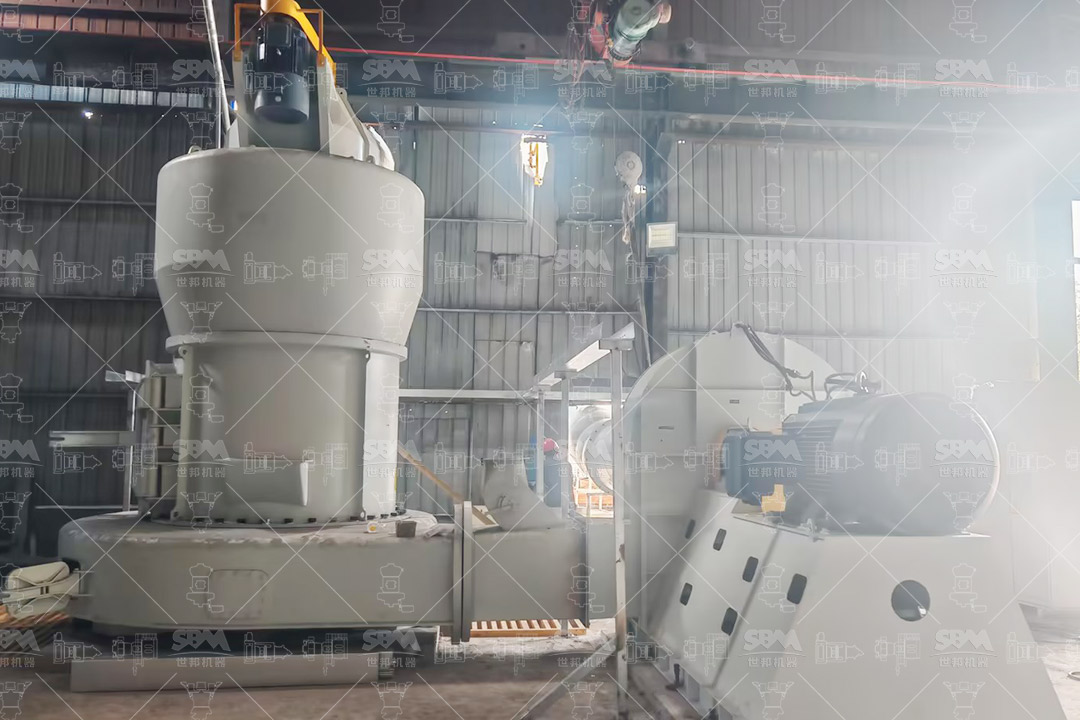
For this demanding task, we highly recommend our flagship SCM Ultrafine Mill. Engineered specifically for producing fine and ultra-fine powders, the SCM mill excels in processing lithium mica to a fineness of 325-2500 mesh (D97 ≤ 5μm). Its high-efficiency, energy-saving design offers up to twice the capacity of jet mills while reducing energy consumption by 30%. The core of its precision lies in the vertical turbine classifier, which ensures sharp particle size cuts and a uniform product without coarse grit contamination. Furthermore, its durable construction with special material rollers and grinding rings, coupled with an environmentally friendly pulse dust collector and noise insulation design (≤75dB), makes it the perfect solution for modern, high-value lithium mica processing lines requiring superior product quality and operational sustainability.
5. Classification and Collection
Following the grinding stages, efficient powder classification and collection are vital. Integrated or standalone air classifiers are used to separate the fine product from oversize material. The oversize is typically returned to the mill for further grinding (closed-circuit operation), ensuring optimal efficiency. The fine powder is then transported by airflow to a collection system. A combination of high-efficiency cyclone separators and pulse-jet baghouse dust collectors is standard. Our mills, such as the SCM and MTW series, come with integrated high-efficiency collection systems that achieve dust emission levels well below international standards, ensuring a clean plant and maximizing product yield.
6. Drying (If Required) and Packaging
Depending on the moisture content after processing and the customer’s specification, a drying stage may be incorporated. Flash dryers or rotary dryers can be integrated into the airflow system. The final, dry lithium mica powder is then conveyed to silos for storage or directly to automated packaging systems for bagging (25kg, 50kg, 1-ton bags) or for bulk loading.
7. Process Control and Automation
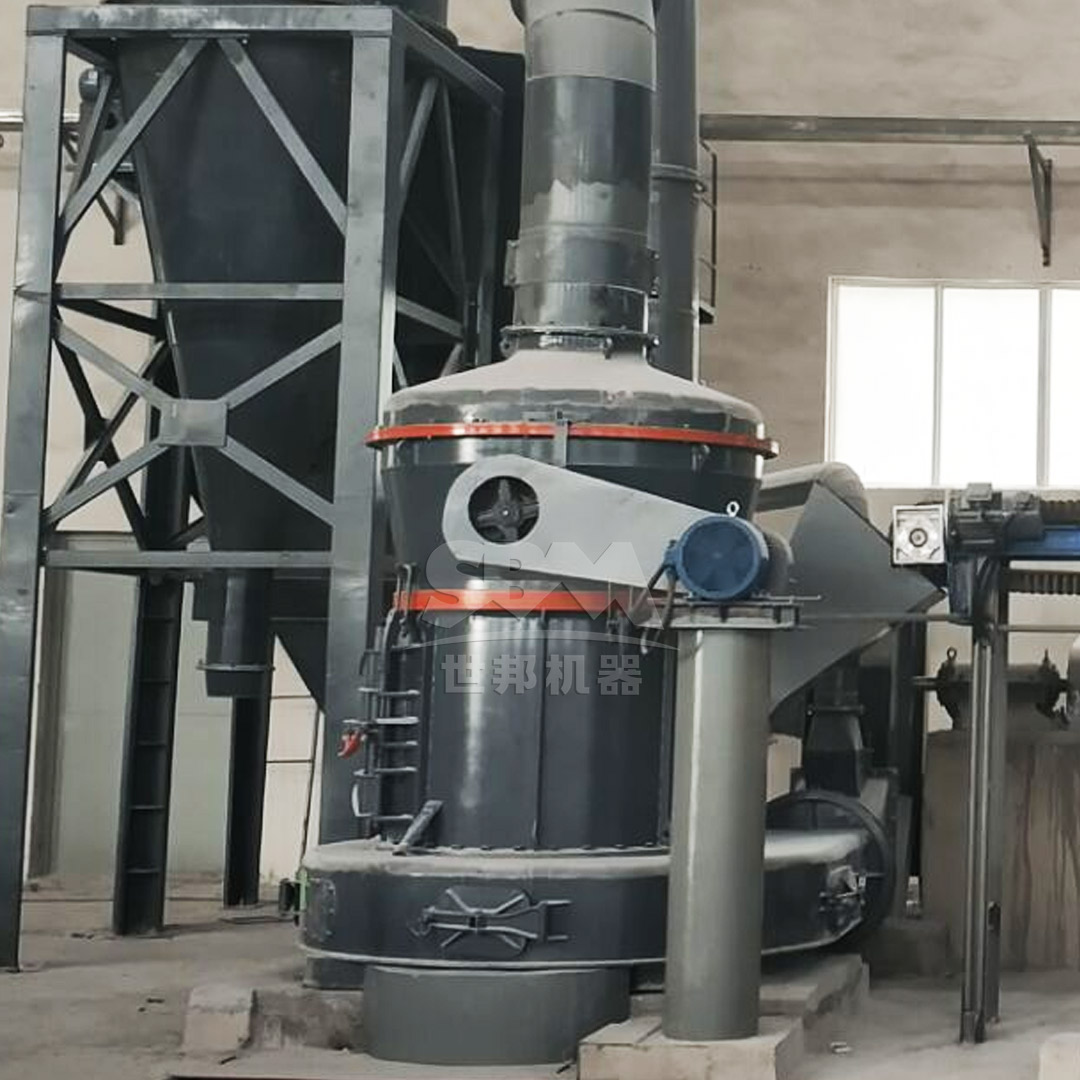
A modern lithium mica plant is governed by a centralized Programmable Logic Controller (PLC) system. This system monitors and controls key parameters such as feed rate, mill load, classifier speed, fan airflow, and temperature. Automation ensures consistent product quality, optimizes energy usage, reduces manpower requirements, and provides comprehensive data logging for process analysis and improvement.
Conclusion
The successful processing of lithium mica hinges on a coherent workflow that integrates appropriate crushing, efficient grinding, precise classification, and reliable collection. Selecting the right grinding equipment is the cornerstone of this process. For high-capacity, medium-fine grinding, the MTW Series Trapezium Mill offers unparalleled reliability and efficiency. For producing high-value ultra-fine powders, the SCM Ultrafine Mill stands out with its precision, energy savings, and environmental performance. By leveraging such advanced technologies within a well-planned workflow, processors can maximize the economic potential of lithium mica resources while meeting the stringent quality demands of the global market.