How Vertical Iron Concentrate Mill Improves Pellet Quality in Iron Ore Processing
The Critical Role of Grinding in Iron Ore Pelletization
The journey of iron ore from mine to steel is a complex process of beneficiation and agglomeration. Among these stages, pelletization stands out as a crucial step for producing a high-quality, uniform feed material for blast furnaces and direct reduction plants. The quality of the final iron ore pellets – their strength, porosity, reducibility, and chemical uniformity – is profoundly influenced by the characteristics of the iron concentrate powder fed into the pelletizing disc or drum. This is where the grinding technology, specifically vertical roller mills (VRMs), becomes a game-changer.
The Pellet Quality Imperative
Superior pellet quality translates directly to operational efficiency and cost savings in downstream steelmaking. Key quality parameters include:
- Cold Compression Strength (CCS): Pellets must withstand handling and transportation without breaking.
- Porosity and Reducibility: Controlled porosity allows reducing gases to penetrate the pellet efficiently.
- Uniform Size Distribution: Consistent pellet size ensures even gas flow in the furnace.
- Chemical Homogeneity: Uniform distribution of iron content and additives (like bentonite or limestone) is vital.
The foundation for achieving these properties is laid during the grinding of the iron concentrate. The particle size distribution (PSD), particle shape, and specific surface area of the powder are the primary determinants of how well the green pellets will form and how they will behave during induration (firing).
Vertical Roller Mills: A Technological Leap for Concentrate Preparation
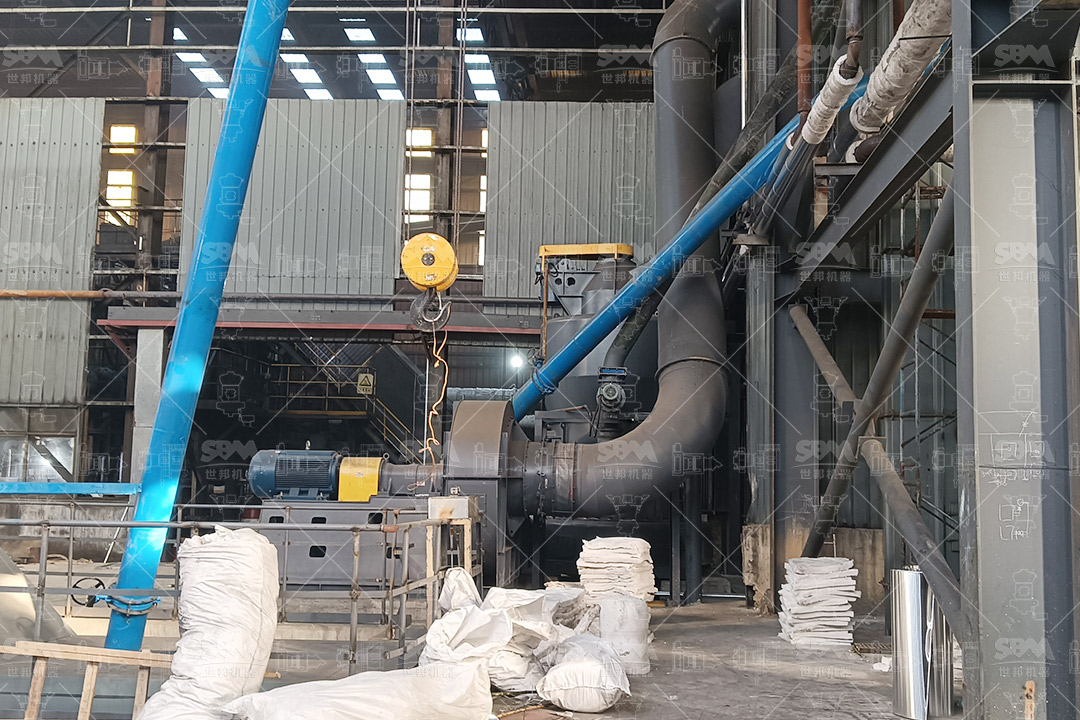
Traditionally, ball mills have been used for grinding iron concentrate. However, the advent and refinement of Vertical Roller Mill technology have introduced significant advantages that directly address the needs of modern pellet plants.
How VRMs Enhance Powder Characteristics for Pelletizing
- Superior Particle Size Distribution (PSD): VRMs, equipped with integrated dynamic classifiers, offer exceptional control over the top size and fineness of the product. A steeper PSD curve with a controlled proportion of ultra-fines and minimal oversize particles is achievable. This precise PSD leads to better packing density in the green pellet, resulting in higher green strength and more uniform shrinkage during firing.
- Optimized Particle Morphology: The inter-particle bed grinding principle of a VRM produces particles with more rounded shapes and fewer sharp edges compared to the impact-dominated breakage in ball mills. These less angular particles compact more efficiently, reducing voids and creating stronger green pellets.
- Higher and More Consistent Specific Surface Area (Blaine): The efficient grinding mechanism of VRMs can generate a higher specific surface area for the same energy input. A higher Blaine value increases the reactivity of the concentrate, improves binder (e.g., bentonite) efficiency, and enhances the diffusion bonding during induration, leading to stronger fired pellets.
- Excellent Homogeneity and Additive Mixing: The drying-grinding-classification process in a VRM is continuous and highly turbulent, ensuring thorough mixing of the iron concentrate with small but critical additives like bentonite or limestone. This intimate mixing is crucial for achieving uniform pellet chemistry and consistent quality.
Introducing the Ideal Solution: The LM Series Vertical Roller Mill
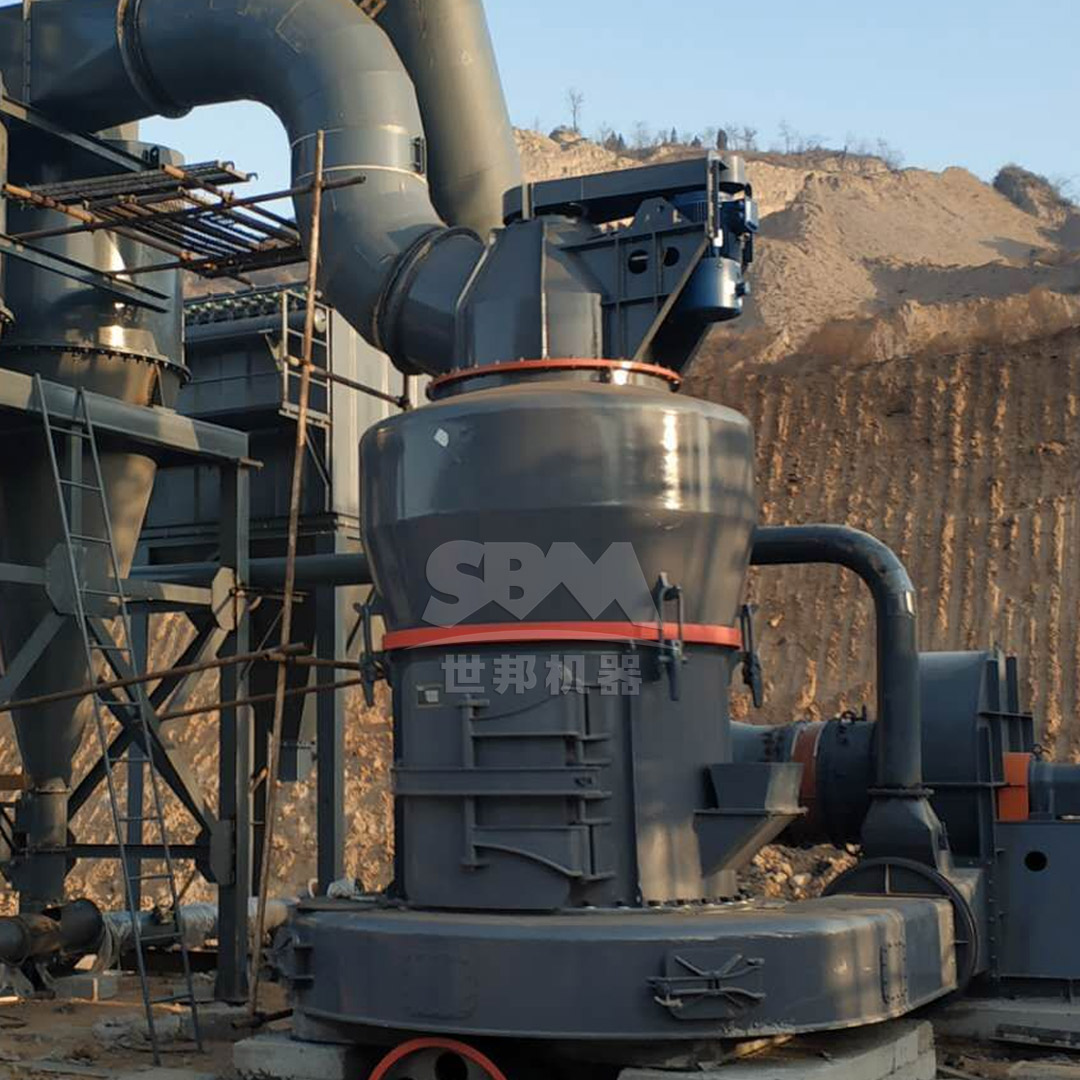
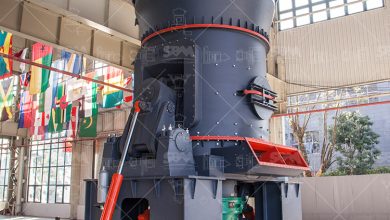
For iron concentrate grinding applications aiming for pellet quality excellence, our LM Series Vertical Roller Mill stands as the benchmark technology. Engineered specifically for mineral processing, it encapsulates all the advantages of vertical milling while addressing the abrasive nature of iron ores.
Key Advantages of the LM Series for Iron Concentrate
- Integrated & Compact Design: The LM mill integrates crushing, grinding, drying, and classification into a single unit. This集约化设计 reduces the plant footprint by up to 50% and lowers civil engineering costs by 40%, making it an ideal choice for both greenfield and brownfield projects.
- Unmatched Energy Efficiency: By utilizing the efficient料床粉碎原理 (material bed grinding principle), the LM mill consumes 30-40% less energy compared to traditional ball mill systems. This translates to dramatically lower operating costs, a critical factor in energy-intensive industries.
- Precision Particle Control: The mill features an advanced智能控制 (intelligent control) system with an expert-level automatic operation package. It allows for real-time monitoring and adjustment of key parameters like grinding pressure, classifier speed, and feed rate to maintain the exact target fineness (typically in the range of 80-90% passing 45 microns for pellet feed) and PSD.
- Durability for Abrasive Materials: Designed with磨辊与磨盘非接触设计 (non-contact grinding roller and disc design) and specially hardened耐磨件 (wear parts), the LM mill offers a service life several times longer than conventional mills when processing abrasive iron concentrates, minimizing maintenance downtime.
- Environmental Leadership: Operating under full密封负压运行 (sealed negative pressure), the system ensures粉尘排放 <20mg/m³ (dust emissions <20mg/m³), far exceeding international standards. Its low-noise design keeps operational sounds below 80dB(A).
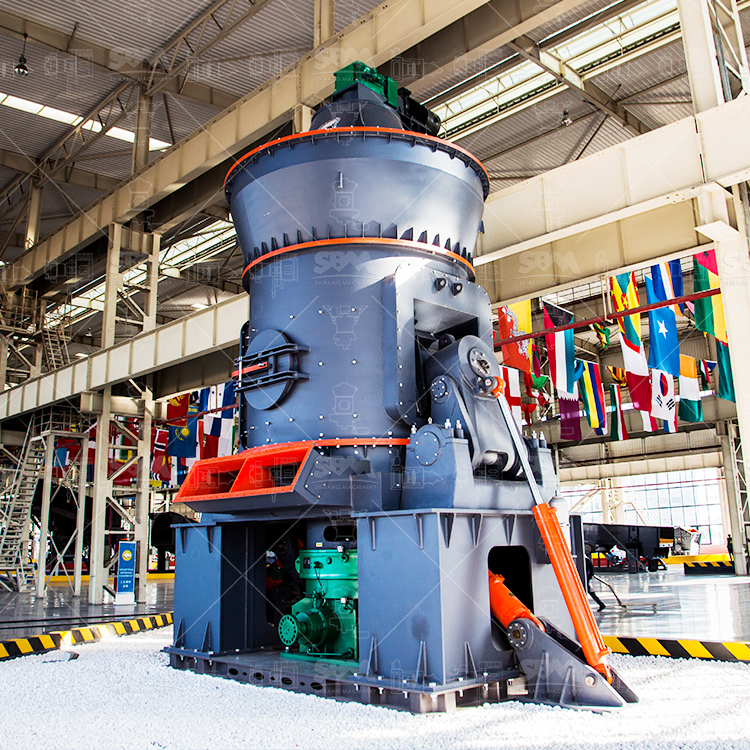
For large-scale pellet plants, models like the LM220K (output: 36-105 t/h) or the LM280K (output: 50-170 t/h) provide the perfect balance of high capacity, precise control, and operational economy. Their ability to handle feed sizes up to 50mm and produce fineness from 170 to 45 microns (80-325 mesh) makes them exceptionally versatile for various iron ore concentrate specifications.
Complementary Fine Grinding with the SCM Ultrafine Mill
In some advanced pelletizing processes, particularly where maximizing specific surface area or incorporating ultra-fine additives is required, a secondary fine-grinding stage can be beneficial. For this purpose, our SCM Series Ultrafine Mill is the ideal complementary equipment.
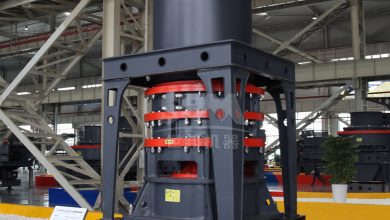
The SCM mill is capable of producing powders with a fineness of 325-2500 mesh (D97 ≤ 5μm). Its高精度分级 (high-precision classification) system, featuring a vertical turbine classifier, ensures a narrow and consistent particle size distribution with no coarse grain contamination. While not typically the primary grinder for bulk concentrate, it can be used to process a side stream or additives, introducing ultra-fine particles that act as excellent fillers and flux carriers in the pellet mix, further enhancing density and strength. Its高效节能 (high efficiency and energy saving) design, offering twice the output of jet mills with 30% lower energy consumption, makes such advanced processing economically viable.
Conclusion: A Strategic Investment in Pellet Quality
The shift from traditional grinding systems to advanced vertical roller mill technology represents a strategic upgrade for any iron ore pellet plant. By delivering a superior iron concentrate powder with optimized particle size distribution, morphology, and homogeneity, VRMs directly and significantly improve the key quality metrics of the finished pellets: strength, reducibility, and uniformity.
Our LM Series Vertical Roller Mill, with its proven track record in mineral processing, offers a compelling package of quality enhancement, dramatic energy savings, lower maintenance costs, and a smaller environmental footprint. It is not merely a piece of grinding equipment but a core technology for building a more efficient, cost-effective, and high-quality iron ore pelletizing operation. For processors aiming to lead the market in pellet quality, investing in vertical grinding technology is no longer an option but a necessity.