Method for Producing Pyrophyllite from Lithium Slag: A Comprehensive Utilization Approach
Introduction
The rapid expansion of the lithium-ion battery industry has generated substantial amounts of lithium slag as a byproduct, presenting significant environmental challenges and waste management concerns. This comprehensive study presents an innovative method for converting lithium slag into high-value pyrophyllite, demonstrating a sustainable approach to industrial waste utilization. Pyrophyllite, a hydrous aluminum silicate mineral, finds extensive applications in ceramics, refractories, paints, and plastics industries due to its unique thermal and chemical properties.
Chemical Composition and Characterization of Lithium Slag
Lithium slag typically contains 45-60% SiO₂, 20-35% Al₂O₃, 5-15% CaO, and trace amounts of lithium compounds. The transformation process leverages the aluminosilicate matrix present in the slag, which shares structural similarities with natural pyrophyllite. Through controlled thermal and chemical treatments, we can reconfigure the crystalline structure to achieve the desired pyrophyllite characteristics.
Processing Methodology
Pre-treatment and Conditioning
The initial stage involves drying and conditioning the raw lithium slag to achieve optimal moisture content (typically 8-12%). This is followed by primary crushing to reduce particle size to below 50mm, preparing the material for subsequent grinding operations. The conditioning process includes the addition of specific mineral modifiers that facilitate the structural transformation during thermal treatment.
Critical Grinding Stage
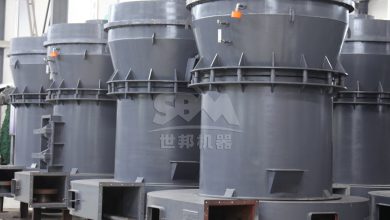
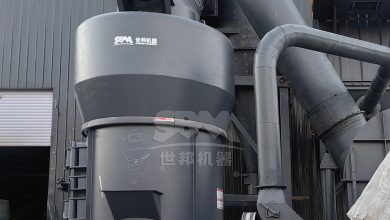
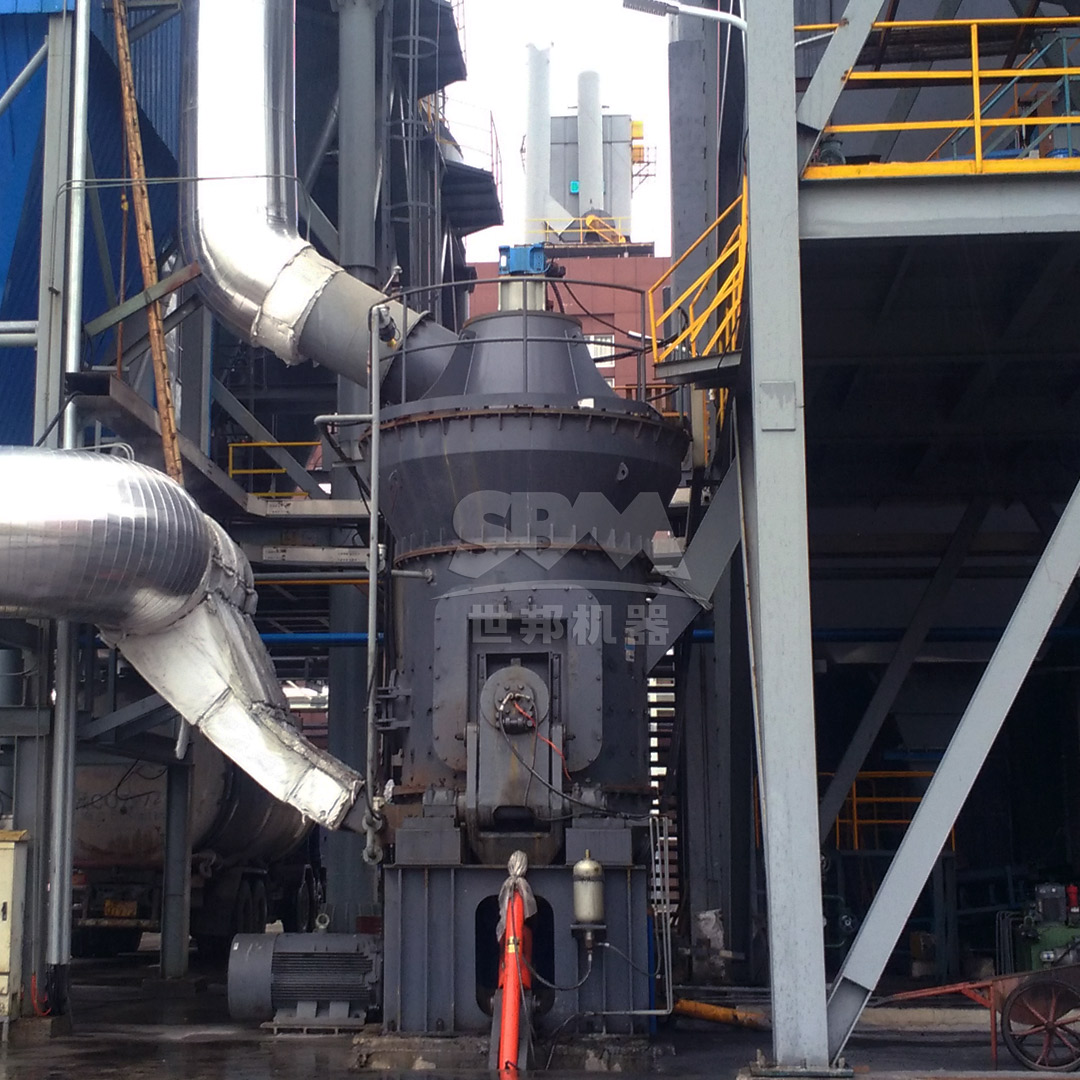
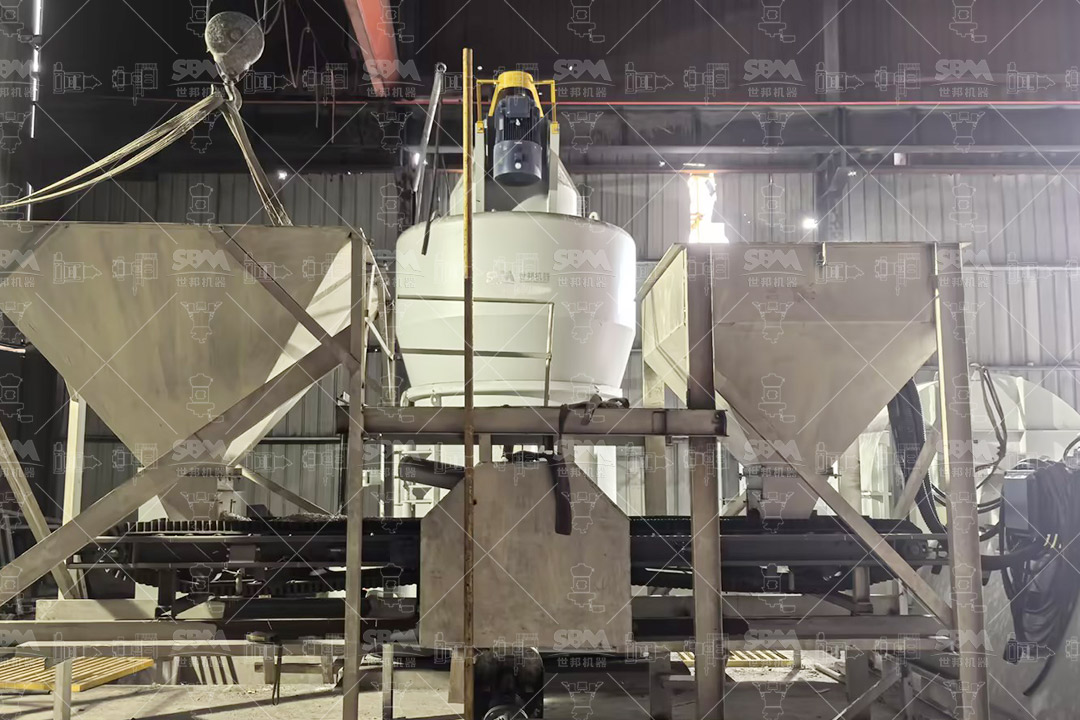
The grinding process represents the most crucial step in pyrophyllite production from lithium slag. Achieving the precise particle size distribution is essential for the subsequent thermal transformation and final product quality. For this application, we strongly recommend our SCM Series Ultrafine Mill, which offers exceptional performance characteristics specifically suited for this demanding process.
The SCM Ultrafine Mill operates with an input size of ≤20mm and produces output fineness ranging from 325-2500 mesh (D97≤5μm), with processing capacities from 0.5 to 25 tons per hour depending on the specific model. Its technological advantages include:
- High energy efficiency with 30% lower energy consumption compared to jet mills
- Intelligent control system with automatic feedback for consistent product granularity
- Precision vertical turbine classifier ensuring uniform particle size distribution
- Durable construction with special material rollers and grinding rings
- Environmental compliance with pulse dust collection efficiency exceeding international standards
The working principle involves main motor-driven three-layer grinding rings rotating to disperse material into the grinding path by centrifugal force, followed by roller pressing and layered grinding, ultimately collecting the powder through cyclone collectors and pulse dust removal systems.
Thermal Transformation Process
The ground material undergoes controlled thermal treatment at temperatures between 650-850°C in rotary kilns. This stage facilitates the structural reorganization of the aluminosilicate compounds into the characteristic pyrophyllite crystal structure. The precise temperature profile and residence time are critical parameters that determine the final product quality and properties.
Final Processing and Classification
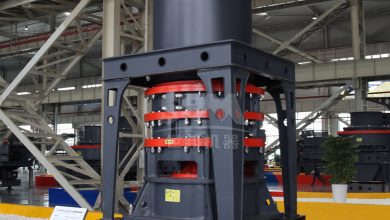
Following thermal treatment, the material requires additional processing to achieve the specific product specifications demanded by various industrial applications. For this final grinding stage, particularly when dealing with larger production volumes, our MTW Series Trapezium Mill provides an optimal solution.
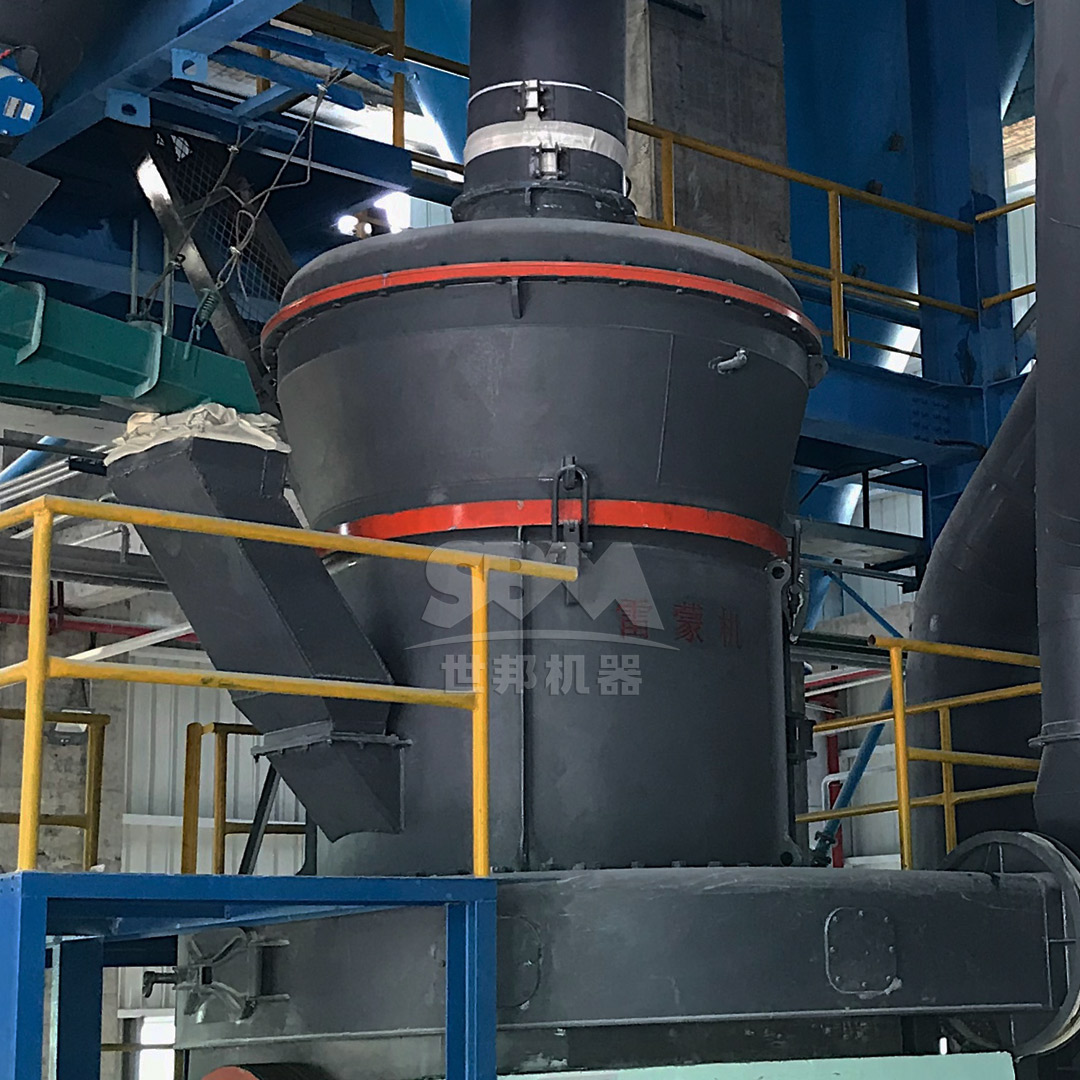
The MTW Series Trapezium Mill handles input sizes up to ≤50mm and delivers output fineness from 30-325 mesh (down to 0.038mm), with processing capacities ranging from 3 to 45 tons per hour. Key technical advantages include:
- Anti-wear shovel blade design with combined shovel pieces reducing maintenance costs
- Optimized curved air duct minimizing energy loss and improving transmission efficiency
- Bevel gear integral transmission with 98% transmission efficiency
- Wear-resistant volute structure with non-blocking design enhancing air classification efficiency
The operational principle involves the main motor driving grinding rollers to revolve around the central axis while rotating themselves to generate centrifugal force. Shovel blades throw materials between the grinding ring and rollers to form material layers, achieving efficient crushing through extrusion, with the classification system precisely controlling final product granularity.
Quality Control and Product Specifications
The produced pyrophyllite must meet stringent quality standards to ensure commercial viability. Key quality parameters include chemical composition (Al₂O₃ content ≥25%, SiO₂ content ≥65%), loss on ignition (4-7%), specific gravity (2.8-2.9), and pH (6.5-7.5). The particle size distribution is particularly critical, with the SCM Ultrafine Mill ensuring D97 values below 5μm for premium applications.
Economic and Environmental Benefits
This comprehensive utilization approach offers substantial economic advantages by transforming waste material into a valuable industrial mineral. The process reduces landfill requirements, minimizes environmental impact, and creates new revenue streams from what was previously considered industrial waste. The energy-efficient grinding technology provided by our SCM and MTW series mills further enhances the economic viability through reduced operational costs.
Applications of Synthetic Pyrophyllite
The pyrophyllite produced from lithium slag finds applications across multiple industries:
- Ceramics Industry: As a filler and strengthening agent in sanitaryware, tiles, and technical ceramics
- Refractories: Providing thermal stability and resistance to thermal shock in furnace linings
- Paints and Coatings: Acting as an extender and flatting agent
- Plastics and Rubber: Serving as a reinforcing filler and fire retardant
- Construction Materials: Enhancing properties of cementitious composites and mortars
Conclusion
The method for producing pyrophyllite from lithium slag represents a significant advancement in industrial waste valorization. By implementing this comprehensive utilization approach, lithium producers can effectively address environmental concerns while generating additional value from process byproducts. The successful implementation of this technology relies heavily on advanced grinding equipment, with our SCM Series Ultrafine Mill and MTW Series Trapezium Mill providing the technological foundation for efficient and economically viable operations. This approach not only contributes to sustainable industrial practices but also expands the availability of pyrophyllite for various industrial applications without the environmental impact associated with traditional mining operations.