How much does a 60 ton per day Raymond mill cost?
Understanding the Investment: 60 Ton Per Day Raymond Mill Cost Analysis
The question of how much a 60 ton per day Raymond mill costs is one that requires careful consideration of multiple factors. While the term “Raymond mill” has become somewhat generic for pendulum roller mills in the mineral processing industry, modern grinding technology has evolved significantly beyond traditional designs. A 60 ton per day capacity translates to approximately 2.5 tons per hour (assuming 24-hour operation), placing it in the medium-capacity range for industrial grinding applications.
Key Factors Influencing Raymond Mill Pricing
Before discussing specific cost figures, it’s essential to understand what drives the price of industrial grinding equipment. The final investment depends on several critical factors:
Technical Specifications and Capacity Requirements
The 60 ton per day capacity requirement immediately narrows down suitable equipment options. Traditional Raymond mill designs might struggle to consistently achieve this output while maintaining product quality. Modern equivalents with enhanced efficiency typically command higher prices due to their advanced engineering and superior performance characteristics.
Material Characteristics and Grinding Fineness
The hardness, moisture content, and abrasiveness of the material being processed significantly impact mill selection and pricing. Materials with higher Mohs hardness ratings require more robust construction and specialized wear components, increasing both initial cost and long-term maintenance expenses. Similarly, finer output requirements (below 200 mesh) may necessitate additional classification systems.
Configuration and Auxiliary Equipment
A complete grinding system includes much more than just the main mill unit. Factors such as:
- Feeding system design and automation level
- Collection system efficiency (cyclone vs. baghouse)
- Dust control and environmental compliance features
- Electrical control system sophistication
- Installation and commissioning requirements
All contribute to the total project cost, which can be 1.5 to 2.5 times the base equipment price.
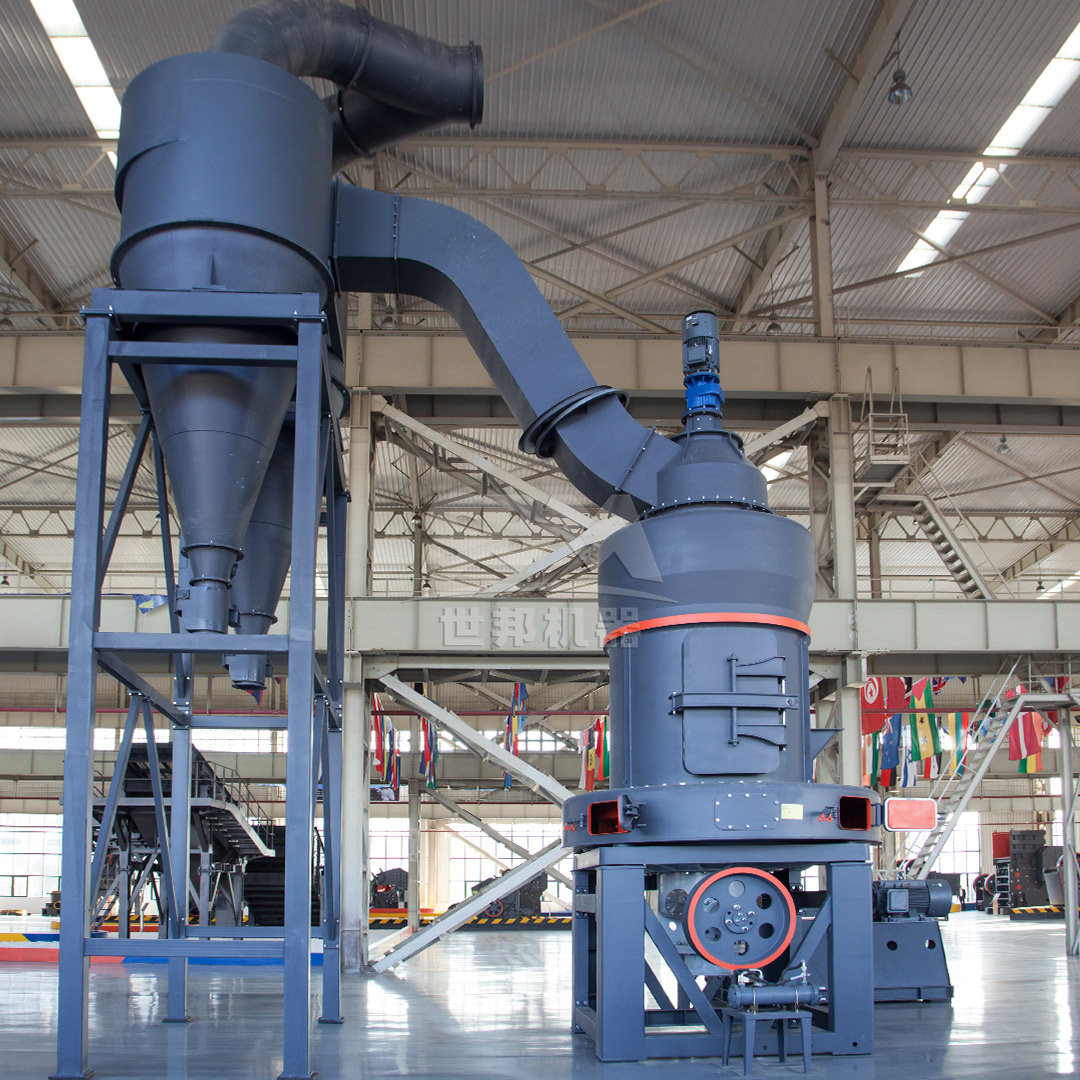
Modern Alternatives to Traditional Raymond Mills
For operations requiring 60 tons per day capacity, several modern grinding technologies offer advantages over traditional Raymond mill designs in terms of efficiency, maintenance costs, and product quality consistency.
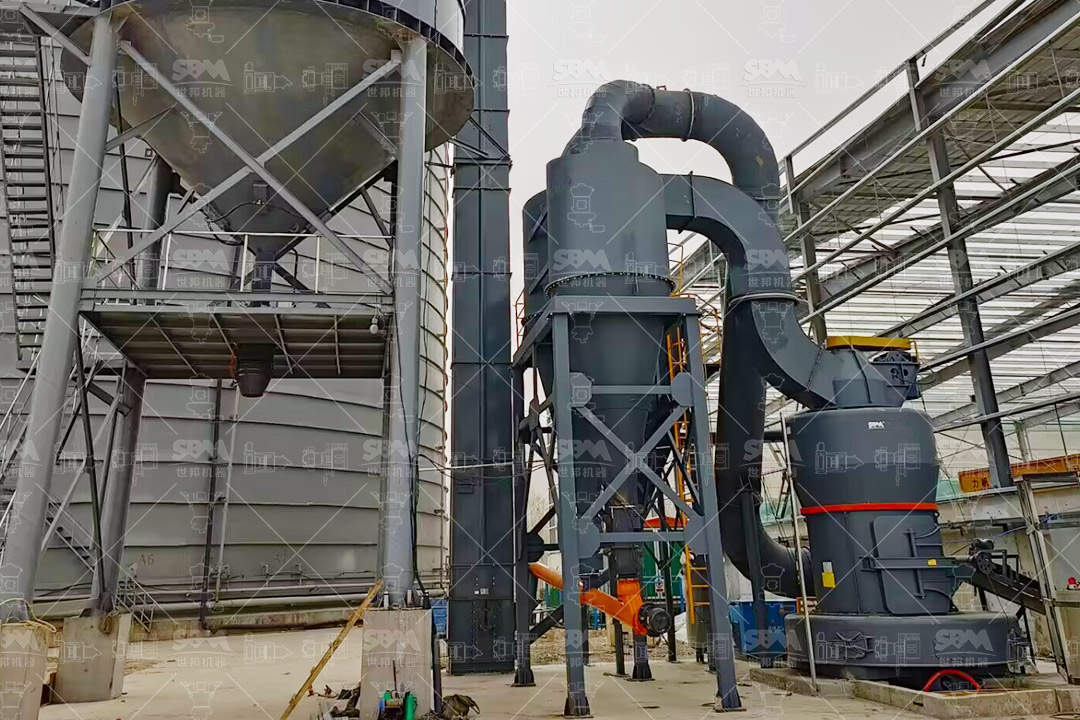
MTW Series Trapezium Mill: The Advanced Successor
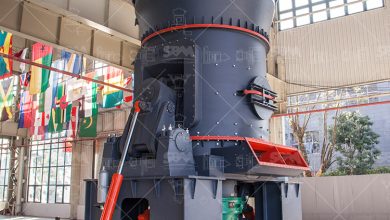
Our MTW Series Trapezium Mill represents the evolution of traditional Raymond mill technology with significant improvements in efficiency and reliability. With capacity ranges from 3-45 tons per hour, this equipment comfortably handles your 60 ton per day requirement while offering several technological advantages:
- Advanced Wear Protection: The combination of curved blade design and special material磨辊significantly extends component life, reducing long-term operating costs
- Efficient Transmission System: Cone gear integral transmission achieves 98% efficiency while saving installation space
- Optimized Airflow Path: Curved air duct design reduces energy consumption and improves material conveying efficiency
- Comprehensive Capacity Range: Multiple models available to match your exact production needs
The MTW215G model, with its 15-45 ton per hour capacity and 280kW main motor power, represents an ideal solution for your 60 ton per day requirement with room for future expansion.
SCM Ultrafine Mill for Specialized Applications
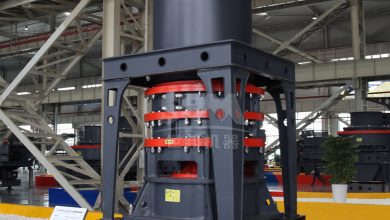
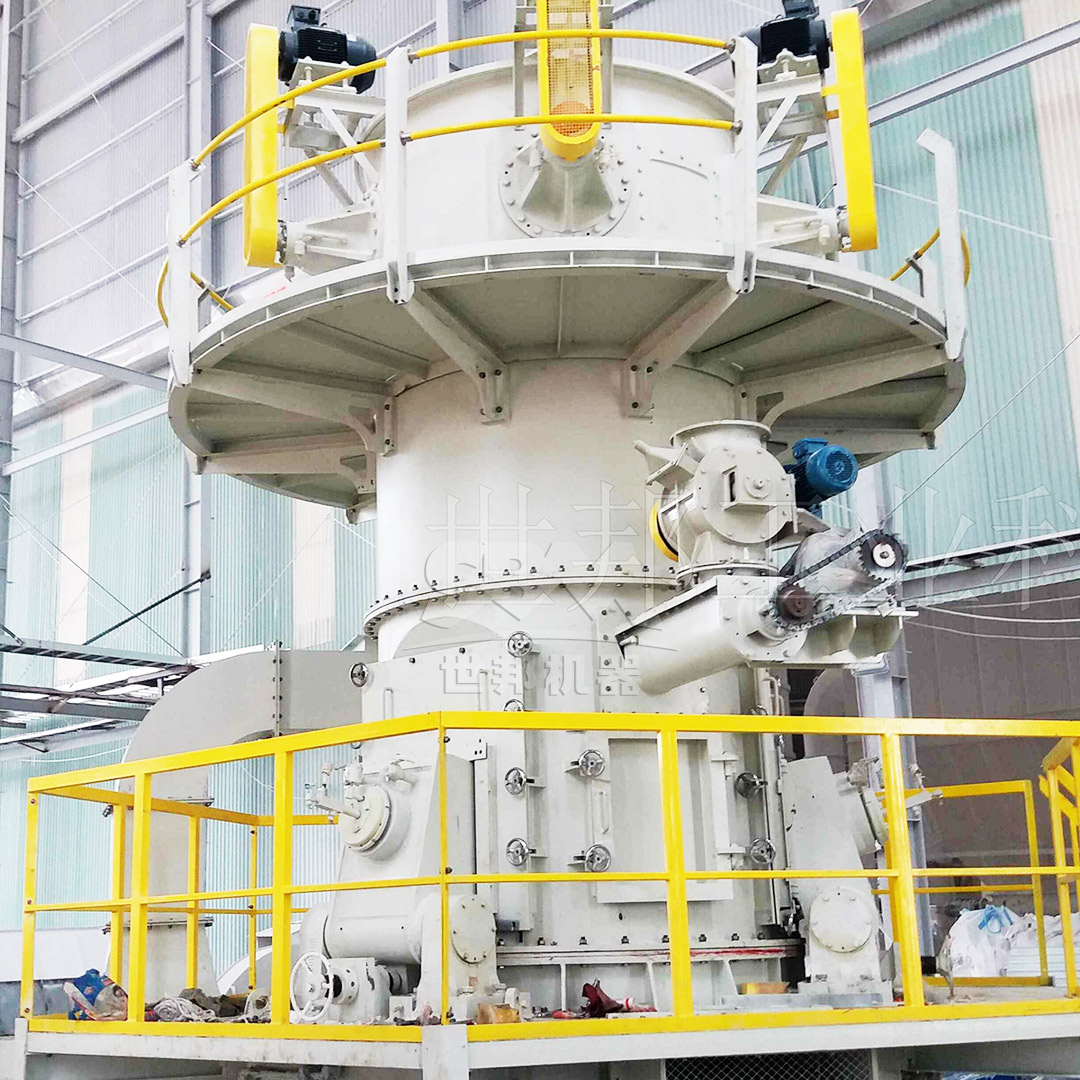
For operations requiring finer output or processing of special materials, our SCM Ultrafine Mill offers exceptional performance in the 0.5-25 ton per hour range. While its maximum capacity slightly exceeds your stated requirement, the SCM1680 model provides:
- High-Precision Classification: Vertical turbine classifier ensures precise particle size control from 325-2500 mesh
- Energy Efficiency: 30% lower energy consumption compared to jet mills with twice the output capacity
- Durable Construction: Special material rollers and grinding rings extend service life multiple times
- Environmental Compliance: Pulse dust collection system exceeds international standards with noise levels below 75dB
Cost Range Estimation for 60 Ton Per Day Grinding Systems
Providing an exact price without detailed project specifications is challenging, but we can outline realistic investment ranges based on recent projects with similar capacity requirements:
Base Equipment Cost
The main mill unit for a 60 ton per day system typically ranges from $150,000 to $350,000 depending on the technology selected. Traditional Raymond mill designs generally fall toward the lower end of this range, while advanced systems like the MTW Series command premium pricing justified by their operational advantages.
Complete System Investment
A fully operational grinding plant with all auxiliary equipment, installation, and commissioning typically requires $400,000 to $800,000 total investment. This comprehensive approach ensures optimal performance and minimizes future operational issues.
Operational Cost Considerations
Beyond the initial equipment investment, wise buyers consider long-term operational expenses:
- Power Consumption: Advanced designs can reduce energy costs by 20-30% compared to older technology
- Wear Part Replacement: Superior materials and design can extend maintenance intervals by 40-60%
- Labor Requirements: Automated systems reduce operational staffing needs
- Production Quality: Consistent product specification reduces waste and improves downstream process efficiency
Making the Right Investment Decision
Selecting grinding equipment based solely on initial purchase price often leads to higher long-term costs and operational challenges. For a 60 ton per day operation, we recommend:
Comprehensive Technical Evaluation
Before making any purchase decision, conduct thorough testing with your specific material to verify performance claims. Most reputable manufacturers offer test facilities to ensure equipment suitability.
Lifecycle Cost Analysis
Evaluate equipment options based on total cost of ownership over a 5-10 year period, considering energy consumption, maintenance requirements, and production efficiency.
Supplier Capability Assessment
Choose manufacturers with proven experience in your industry and material type, with comprehensive after-sales support and spare parts availability.
Conclusion: Value Beyond Initial Price
The question “How much does a 60 ton per day Raymond mill cost?” ultimately has a multifaceted answer. While basic equipment might start around $150,000, a properly engineered solution that delivers reliable, efficient operation typically requires a $400,000-$600,000 total investment. The advanced technology in our MTW Series Trapezium Mill and SCM Ultrafine Mill represents the current state of the art in grinding technology, offering superior performance that justifies the investment through reduced operating costs and enhanced product quality.
We recommend contacting our technical team for a detailed proposal based on your specific material characteristics and operational requirements. With proper equipment selection and system design, your 60 ton per day grinding operation can become a profitable, efficient component of your production process for years to come.