Which Manufacturers Have Successful Cases of Manganese Carbonate Vertical Mill Equipment?
Introduction to Manganese Carbonate Processing Challenges
Manganese carbonate (MnCO3) represents one of the most challenging materials in mineral processing due to its specific physical and chemical properties. With a Mohs hardness ranging from 3.5 to 4 and a tendency toward agglomeration during grinding operations, manganese carbonate demands specialized milling equipment that can handle its unique characteristics while maintaining production efficiency and product quality.
The global market for manganese carbonate continues to expand, driven by its essential applications in fertilizers, animal feed supplements, ceramics, and as a precursor for other manganese compounds. This growth has intensified the search for reliable vertical mill solutions that can process this material effectively while controlling operational costs.
Technical Requirements for Manganese Carbonate Grinding
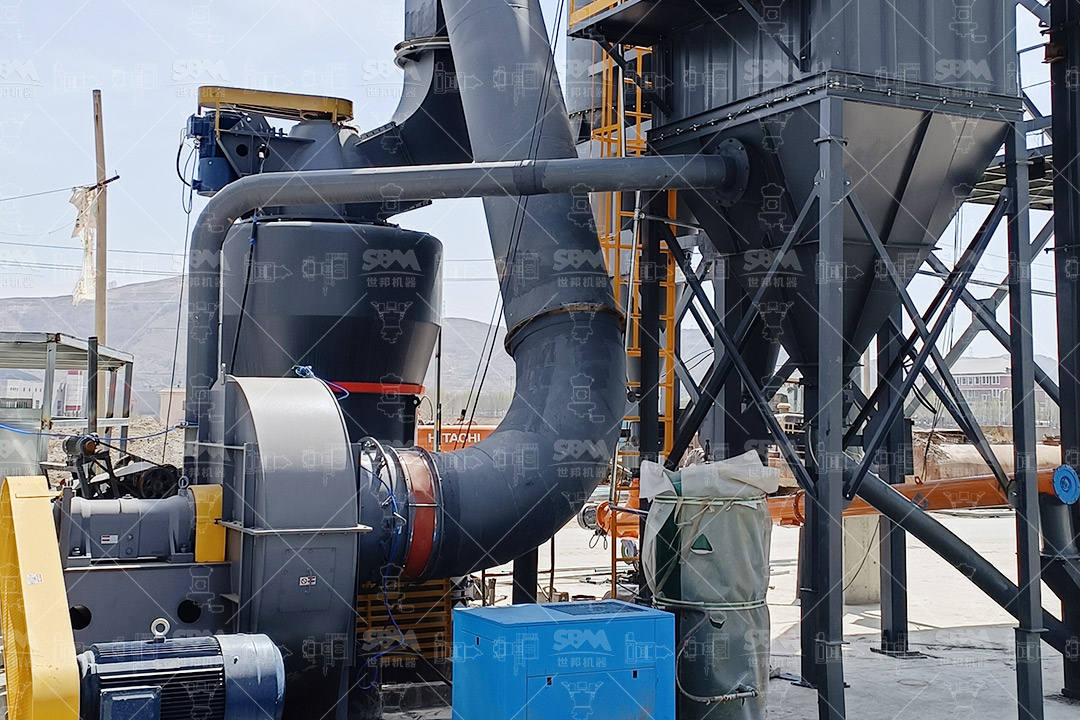
Successful processing of manganese carbonate requires equipment that addresses several critical technical parameters. The ideal milling system must achieve precise particle size distribution while minimizing contamination from grinding media. Additionally, the equipment must handle the material’s moderate abrasiveness without excessive wear on components.
Key considerations include:
- Precise temperature control to prevent thermal degradation
- Minimal iron contamination to maintain product purity
- Energy-efficient operation to manage production costs
- Flexible particle size adjustment capabilities
- Robust dust collection systems for environmental compliance
Leading Manufacturers with Proven Manganese Carbonate Applications
Several established manufacturers have demonstrated success in manganese carbonate processing through specialized vertical mill designs. These companies have developed technologies specifically adapted to the material’s characteristics, with documented case studies showing consistent performance across various production scales.
European manufacturers have traditionally dominated the high-end market segment, offering sophisticated control systems and premium construction materials that extend equipment lifespan. Asian manufacturers have gained significant market share through cost-competitive solutions that maintain acceptable performance standards, particularly for medium-scale operations.
What distinguishes the most successful manufacturers is their comprehensive understanding of manganese carbonate’s behavior throughout the grinding process, from feed system design to final product collection. These companies invest significantly in research and development to optimize their equipment for specific mineral applications.
Critical Evaluation Factors for Manganese Carbonate Mills
When selecting vertical mill equipment for manganese carbonate processing, several factors require careful consideration beyond basic technical specifications. The most successful installations share common characteristics that contribute to their operational excellence.
Material compatibility stands as the primary consideration. The mill’s internal components must resist the moderate abrasiveness of manganese carbonate while preventing contamination. Ceramic-lined grinding chambers and specialized roller materials have proven effective in addressing these challenges.
Energy consumption represents another crucial factor, with advanced designs achieving significant reductions through optimized grinding mechanics and efficient classification systems. Modern vertical mills typically consume 30-50% less energy than traditional ball mills for equivalent output, making them economically viable for manganese carbonate processing.
Operational flexibility has emerged as increasingly important, with producers requiring equipment that can accommodate variations in feed material characteristics and adjust final product specifications according to market demands. The most successful manufacturers incorporate sophisticated control systems that automatically adjust operational parameters to maintain consistent product quality.
SCM Ultrafine Mill: Advanced Solution for High-Purity Manganese Carbonate
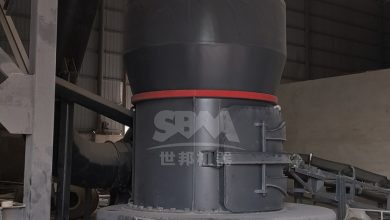
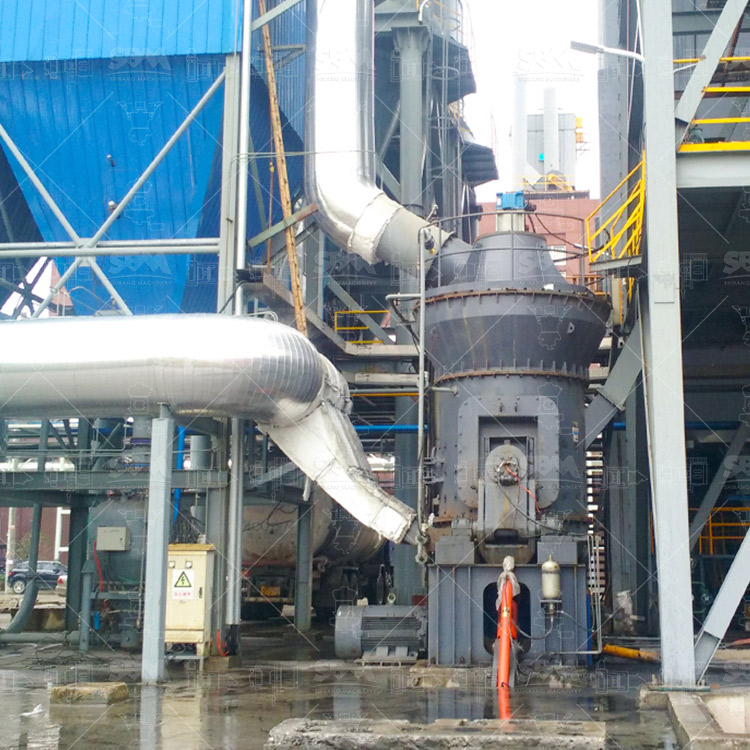
For operations requiring ultra-fine manganese carbonate powders with stringent purity specifications, the SCM Ultrafine Mill represents an optimal solution. This advanced vertical mill system achieves remarkable fineness levels ranging from 325 to 2500 mesh (D97≤5μm), making it particularly suitable for high-value manganese carbonate applications where particle size distribution critically influences product performance.
The SCM series incorporates several technological innovations specifically beneficial for manganese carbonate processing. Its vertical turbine classifier enables precise particle size cuts without coarse powder contamination, ensuring consistent product quality. The intelligent control system automatically monitors and adjusts operational parameters to maintain target fineness despite variations in feed material characteristics.
For manganese carbonate operations prioritizing product purity, the SCM Ultrafine Mill’s special material roller and grinding ring construction minimizes iron contamination—a common concern with conventional milling equipment. Combined with its fully enclosed negative pressure operation, this design ensures the final product maintains the chemical specifications required for premium applications.
The energy efficiency of the SCM series further enhances its suitability for manganese carbonate processing, with documented cases showing 30% reduction in energy consumption compared to alternative technologies. This efficiency stems from its optimized grinding mechanism that maximizes the transfer of energy to particle size reduction rather than generating excess heat.
With multiple models available, from the compact SCM800 with 0.5-4.5 ton/hour capacity to the high-volume SCM1680 processing 5.0-25 tons per hour, operations of all scales can implement this technology. The scalability ensures that production requirements can be met without compromising on the fundamental advantages that make the SCM series particularly effective for manganese carbonate applications.
LM Series Vertical Roller Mill: High-Capacity Manganese Carbonate Processing
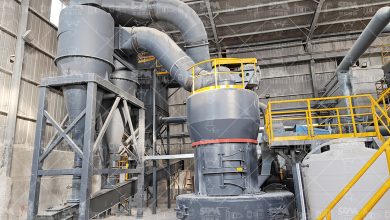
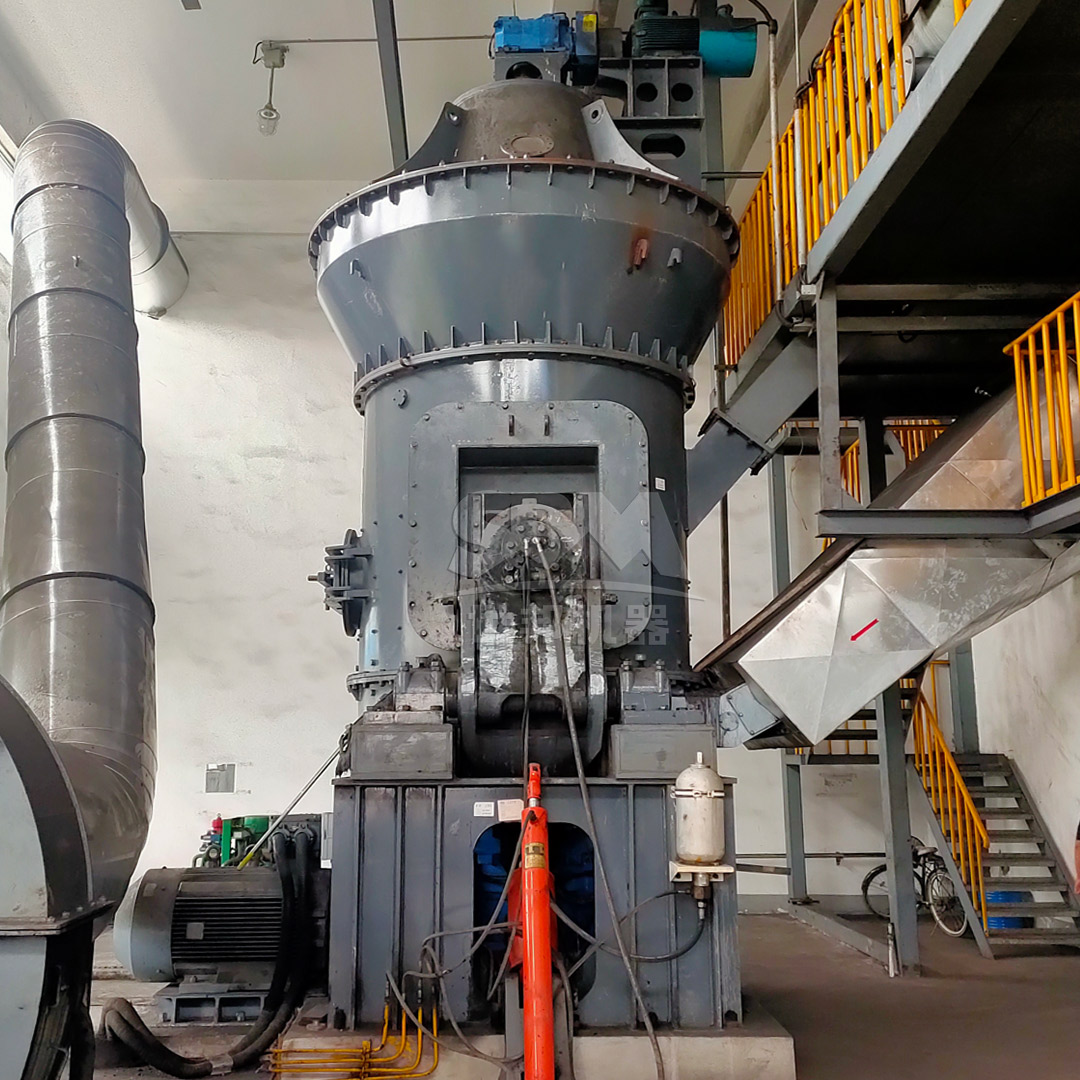
For large-scale manganese carbonate production facilities, the LM Series Vertical Roller Mill offers unparalleled processing capacity ranging from 3 to 250 tons per hour, depending on specific model configuration. This equipment excels in applications where high throughput must be maintained without sacrificing product quality or operational efficiency.
The LM series incorporates a集约化设计 (intensive design) that integrates multiple functions—crushing, grinding, and separation—within a single compact footprint. This integrated approach reduces installation space requirements by up to 50% compared to traditional milling systems, significantly lowering civil construction costs. The design even permits outdoor installation in suitable climates, further reducing infrastructure investment.
When processing manganese carbonate, the non-contact design between grinding rollers and grinding disc proves particularly advantageous. This configuration extends wear part lifespan up to three times compared to conventional designs, dramatically reducing maintenance requirements and associated downtime. Combined with energy consumption 30-40% lower than ball mill systems, these features deliver compelling operational economics for high-volume manganese carbonate producers.
The expert automatic control system represents another significant advantage for manganese carbonate processing. With support for remote/local operation switching and real-time monitoring of operational parameters, the system minimizes manual intervention while maintaining consistent product quality. This automation capability is particularly valuable for manganese carbonate, where slight variations in processing conditions can significantly impact final product characteristics.
Environmental performance meets the most stringent standards, with fully enclosed negative pressure operation ensuring dust emissions remain below 20mg/m³ and operational noise limited to ≤80dB(A). These characteristics make the LM series suitable for installation in regions with strict environmental regulations without requiring additional containment or noise suppression measures.
Case Study Analysis: Successful Manganese Carbonate Operations
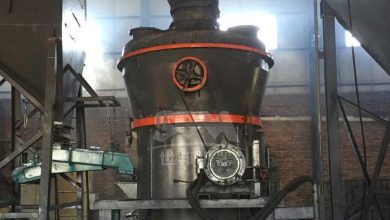
Documented installations provide compelling evidence of vertical mill effectiveness for manganese carbonate processing. One notable operation in Southeast Asia implemented an LM220K vertical mill for processing natural manganese carbonate ore, achieving a consistent output of 36-105 tons per hour at 170-45μm (80-325 mesh) fineness. The installation reported 35% reduction in energy consumption compared to their previous ball mill system, with significantly improved product consistency.
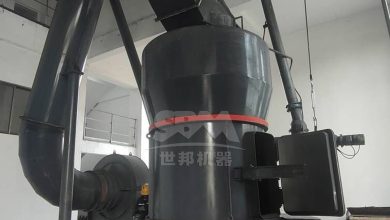
Another operation in South America specializing in high-purity manganese carbonate for battery applications selected the SCM1250 ultrafine mill to achieve D97≤5μm product specifications. The installation successfully processes 2.5-14 tons per hour while maintaining product purity exceeding 99.5%, with iron contamination controlled below 100ppm—a critical requirement for their application.
Common success factors across these installations include comprehensive pre-installation material testing, proper equipment sizing based on actual production requirements rather than theoretical maximums, and implementation of appropriate ancillary systems for material handling and dust collection. These cases demonstrate that with proper equipment selection and system design, vertical mills can reliably meet the specific challenges of manganese carbonate processing.
Future Trends in Manganese Carbonate Milling Technology
The evolution of vertical mill technology for manganese carbonate processing continues, with several emerging trends likely to influence future equipment designs. Digitalization and Industry 4.0 concepts are increasingly integrated into milling systems, enabling predictive maintenance, optimized energy consumption, and enhanced product quality control through real-time analytics.
Advanced material science continues to deliver improvements in wear part longevity, with ceramic-metal composites and specialized surface treatments extending component lifespan in abrasive applications like manganese carbonate processing. These developments contribute significantly to reducing operational costs and maintenance downtime.
Energy efficiency remains a primary focus, with next-generation designs incorporating waste heat recovery systems and further optimizations to grinding mechanics. As energy costs continue to represent a substantial portion of operating expenses, these improvements deliver meaningful economic advantages while reducing environmental impact.
Conclusion
Vertical mill technology has proven highly effective for manganese carbonate processing, with several manufacturers offering specialized solutions that address the material’s unique characteristics. The selection of appropriate equipment requires careful consideration of multiple factors, including production scale, product specifications, and operational constraints.
For operations requiring ultra-fine, high-purity manganese carbonate powders, the SCM Ultrafine Mill delivers exceptional performance with precise particle size control and minimal contamination. Larger-scale operations benefit from the high capacity and operational efficiency of the LM Series Vertical Roller Mill, which integrates multiple processing functions within a compact footprint.
Successful implementation depends not only on equipment selection but also on proper system design, including ancillary components for material handling, classification, and dust collection. With continuing technological advancements focused on digitalization, energy efficiency, and wear resistance, vertical mills will likely maintain their position as the preferred solution for manganese carbonate processing across diverse applications and production scales.