What Raw Materials Are Used in Dry-Mix Mortar and Which Grinding Mills Are Best for Production?
Dry-mix mortar, also known as dry mortar or ready-mix mortar, is a modern building material widely used in construction applications such as masonry, plastering, tiling, and flooring. Its popularity stems from its convenience, consistent quality, and reduced environmental impact compared to traditional on-site mixing. Understanding the raw materials that constitute dry-mix mortar and the appropriate grinding technologies for their production is crucial for manufacturers aiming for efficiency, cost-effectiveness, and product excellence. This article provides a comprehensive overview of the key raw materials, their required fineness, and the optimal grinding mills tailored for this industry.
Key Raw Materials in Dry-Mix Mortar
The composition of dry-mix mortar is a carefully balanced blend of aggregates, binders, and chemical additives. The specific formulation depends on the intended application—whether for wall rendering, floor screeding, tile fixing, or joint filling. The primary raw materials include:
- Cement: As the primary binder, Portland cement (usually Ordinary Portland Cement OPC) provides the necessary strength and cohesion. Occasionally, white cement is used for aesthetic purposes.
- Sand (Aggregates): This is the largest component by volume, typically constituting 60-80% of the mix. The sand must be clean, well-graded (from fine to coarse), and dry to prevent premature hydration. Silica sand is most common, but limestone powder, dolomite, or crushed marble can be used for specific properties.
- Mineral Fillers and Additives:
- Limestone Powder (GCC): Enhances workability, reduces shrinkage, and improves water retention. It is often finely ground to a specific particle size.
- Fly Ash or Slag: These supplementary cementitious materials (SCMs) improve long-term strength, reduce heat of hydration, and lower material costs.
- Hydrated Lime: Improves plasticity and water retention, particularly in plastering mortars.
- Chemical Admixtures (Powdered): These are critical for performance and include:
- Redispersible Polymer Powders (RDPs): Enhance adhesion, flexibility, and water resistance.
- Cellulose Ethers (e.g., HPMC, HEMC): Act as thickeners and water-retention agents.
- Starch Ethers: Improve workability and anti-sagging properties.
- Fibers (Polypropylene or Cellulose): Reduce plastic shrinkage cracking.
The economic and physical goal is to combine these materials precisely. Fine grinding of sand and fillers is a critical step to ensure a uniform mix, optimal particle size distribution, and consistent performance in the final mortar.
Grinding Technology for Mortar Production
The production of high-quality dry-mix mortar requires specialized grinding equipment to process raw materials like quartz, limestone, and slag into a fine, consistent powder. The grinding mill must be able to handle abrasive materials, achieve precise particle size distribution (PSD), and operate with high energy efficiency. Based on extensive field experience and product development, the following mills are considered best-in-class for this application.
1. MTW Series European Trapezium Mill (For Medium-to-Coarse Aggregates)
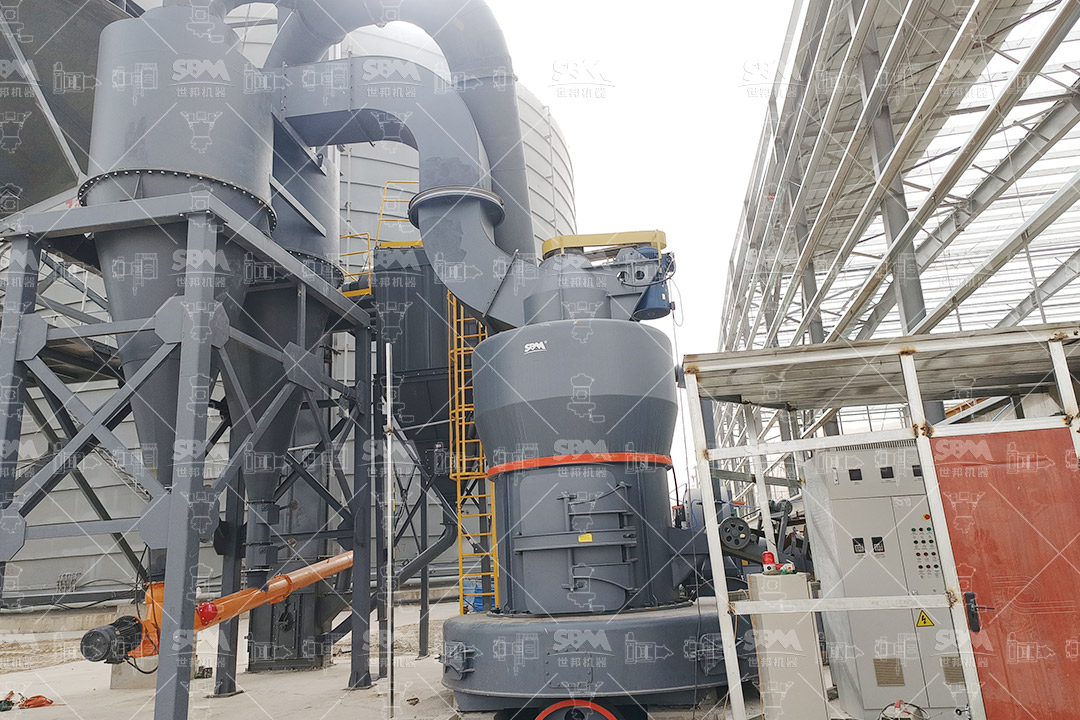
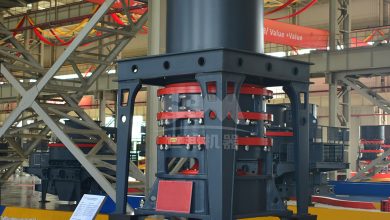
For the primary grinding of aggregates like quartz sand or limestone, the MTW Series European Trapezium Mill is an ideal choice. With an output fineness range of 30-325 mesh (600-45μm) and a capacity of 3 to 45 tons per hour, it excels in processing materials with an input size of up to 50mm. This mill is particularly suited for the coarse-to-medium grinding of filler materials used in standard mortar formulations.
Why choose MTW for Mortar?
- Anti-wear Shovel Design: Combined shovel blades and curved rollers significantly extend service life, reducing downtime for maintenance—a critical factor in continuous production.
- Optimized Arc Air Duct: Reduces airflow resistance and energy loss, leading to lower operational costs while maintaining high throughput.
- Integral Bevel Gear Drive: With a transmission efficiency of up to 98%, this system saves space and ensures smooth, reliable operation.
For a standard dry-mix mortar plant requiring consistent output of -200 mesh (74μm) aggregate, the MTW138Z or MTW175G models are popular choices. They provide the robust build quality and process reliability needed for 24/7 production.
2. SCM Series Ultrafine Mill (For Fine Fillers and High-Performance Mortar)
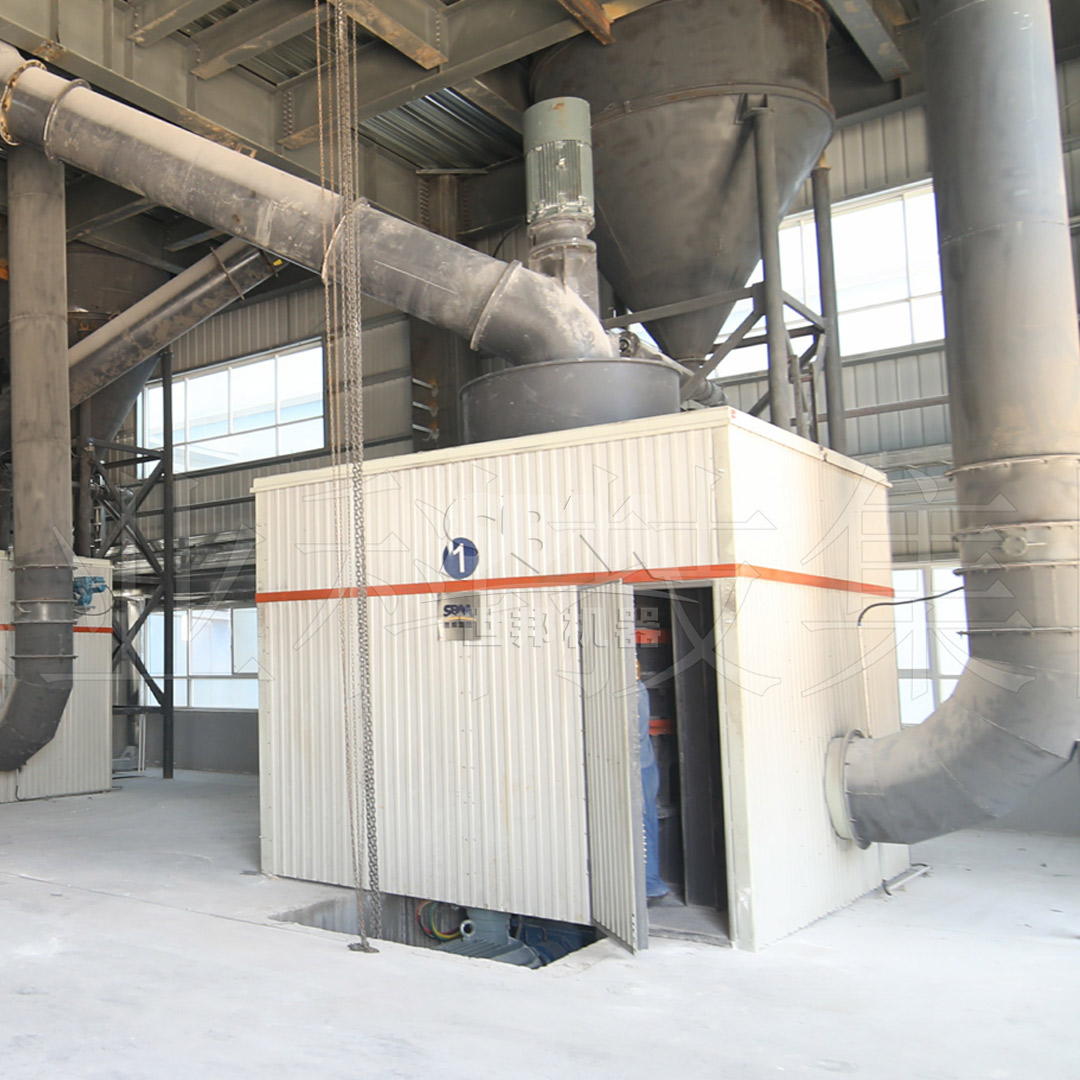
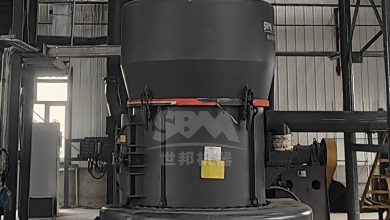
When the application demands ultrafine powders—such as fine limestone filler for self-leveling compounds or highly filled polymer-modified mortars—the SCM Series Ultrafine Mill is the premier solution. This mill achieves an output fineness of 325-2500 mesh (45-5μm) with a capacity ranging from 0.5 to 25 ton/h, depending on the model. Its ability to produce particles at the micron level makes it indispensable for producing high-value specialty mortars.
Why choose SCM for Mortar?
- High Efficiency & Energy Saving: The SCM mill offers twice the capacity of a jet mill with 30% lower energy consumption. This is achieved through its unique layered grinding principle and intelligent control system, which automatically adjusts the granularity of the finished product.
- High-Precision Classification: The vertical turbine classifier ensures sharp particle size cuts with no coarse powder mixing. This results in a uniform finished product, essential for consistent setting time and workability in high-performance mortar.
- Durable Design: Special material rollers and rings extend service life multiple times over traditional mills, making it a cost-effective solution for processing highly abrasive raw materials like quartz and slag.
For manufacturers looking to produce premium dry-mix products, the SCM1000 or SCM1250 models offer the ideal balance of throughput and fineness. They transform standard limestone from d50 ~ 100mm into a high-performance filler with d97 < 45μm.
3. LM Vertical Roller Mill (For Large-Scale, Integrated Production)
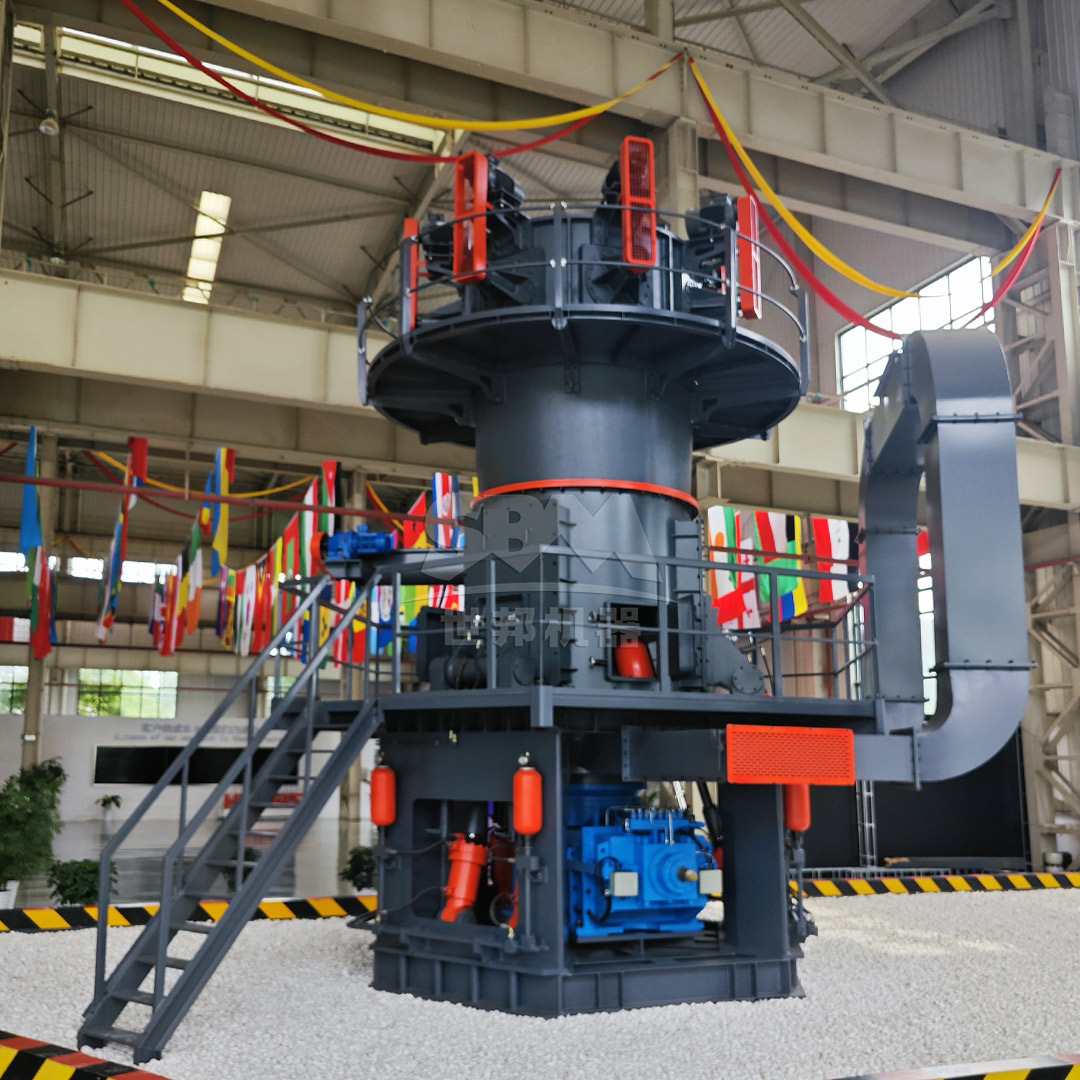
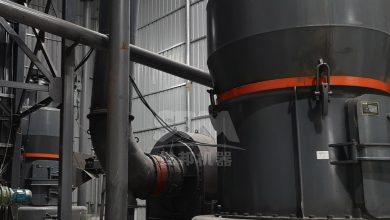
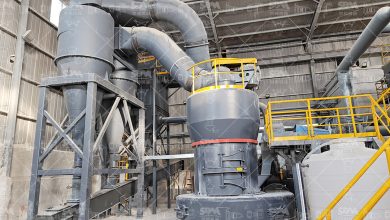
For large industrial dry-mix mortar plants that require massive throughput and the integration of multiple processes (crushing, grinding, and classifying), the LM Series Vertical Roller Mill stands out. With a capacity range of 3 to 250 tons per hour and a fineness output of 30-325 mesh (up to 600 mesh for special models like the LM130X-GX), it is designed for heavy-duty applications such as grinding slag, clinker, and limestone on an industrial scale.
Why choose LM for Mortar?
- Integrated Design: It combines crushing, grinding, and selection in one unit. Floor space is reduced by 50%, and infrastructure costs can be lowered by 40% thanks to its ability to be installed outdoors.
- Low Operating Cost: The non-contact design between rollers and the grinding table means wear parts last three times longer. Overall system energy consumption is 30-40% lower than that of a traditional ball mill system.
- Intelligent Control: The expert-level auto-control system allows for remote/local switching and real-time monitoring, reducing manual intervention and ensuring consistent product quality even when processing variable feed materials like slag.
The LM170K or the LM220K models are frequently selected for central grinding stations that supply pre-ground filler to multiple dry-mix mortar production lines. The LM130X-GX fine-powder variant is specifically designed to produce high-value 400-600 mesh products.
Conclusion: Matching the Mill to the Material
Selecting the optimal grinding mill for dry-mix mortar production depends on the target particle size, the throughput required, and the type of raw material being processed. For standard production involving medium-to-coarse grinding of sand and limestone, the MTW European Trapezium Mill provides a reliable, energy-efficient solution. For high-performance mortars requiring ultra-fine fillers (e.g., 800-1250 mesh limestone powder), the SCM Ultrafine Mill is unmatched in its efficiency and precision. Finally, for massive, integrated operations handling a variety of materials like slag and clinker, the LM Vertical Roller Mill offers unparalleled capacity and low operational costs.
By understanding the specific role of each mill in the process chain, dry-mix mortar manufacturers can optimize their production lines to achieve higher product quality, lower energy consumption, and greater profitability.