What Are the Uses of Vanadium-Titanium Slag Ultrafine Powder? Can a Vanadium-Titanium Slag Vertical Mill Grind It to 100 Mesh?
Introduction
Vanadium-titanium slag is a byproduct of the smelting process in the iron and steel industry, particularly when processing vanadium-titanium magnetite. Historically considered a waste material, modern technology has transformed this slag into a valuable resource. The key to unlocking its value lies in fine grinding. Vanadium-titanium slag ultrafine powder has emerged as a high-value raw material with a wide range of industrial applications. A common question from processors is whether a vertical mill can grind this material to 100 mesh. The answer is a definitive yes, and the specific equipment required depends on the target fineness and capacity. This article will explore the diverse uses of vanadium-titanium slag powder and explain how advanced milling technology, such as that offered in our product line, can efficiently achieve the desired particle size.
The Multifaceted Uses of Vanadium-Titanium Slag Ultrafine Powder
The value of vanadium-titanium slag is directly linked to its chemical composition, which is rich in valuable elements like titanium dioxide (TiO2), vanadium pentoxide (V2O5), iron oxides, and silicon dioxide. After being ground into an ultrafine powder, this material finds application across several high-tech and heavy industries.
1. Production of Titanium Dioxide (TiO2) Pigments
One of the most significant uses of vanadium-titanium slag is as a feedstock for producing titanium dioxide, a widely used white pigment found in paints, plastics, paper, and cosmetics. The slag is processed through the sulfate or chloride process to extract high-purity TiO2. Grinding the slag to a fine, uniform powder is critical to maximize the surface area for chemical reactions, thereby increasing the extraction efficiency and reducing processing time.
2. Manufacturing of Titanium Tetrachloride (TiCl4)
TiCl4 is an intermediate chemical used in the production of titanium metal, titanium sponge, and certain catalysts. Vanadium-titanium slag is an excellent source of titanium for the chlorination process. The ultra-fine powder ensures a high reaction rate in the fluidized bed chlorinator, leading to higher yields and lower energy consumption.
3. Value-Added Construction Materials
The high hardness and wear resistance of vanadium-titanium slag make it an excellent aggregate for producing high-performance concrete and asphalt. When ground to a fine powder, it can also be used as a supplementary cementitious material (SCM), similar to ground granulated blast-furnace slag (GGBS). It improves the concrete’s durability, resistance to chemical attack, and overall strength. Furthermore, it can be utilized in the production of wear-resistant floor hardeners and ceramic tiles.
4. Extraction of Vanadium and Iron
Beyond titanium, the slag contains significant amounts of vanadium and iron. Through processes like roasting and leaching, vanadium can be extracted to produce vanadium pentoxide (V2O5), a critical ingredient in high-strength steel alloys and vanadium redox flow batteries (VRFBs) for energy storage. The iron content can also be recovered through magnetic separation or smelting. The fineness of the feed material is critical for the efficiency of these extraction processes.
5. Environmental Applications
Due to its high surface area and specific chemical properties, vanadium-titanium slag ultrafine powder is being researched for use as an adsorbent for removing heavy metals and pollutants from industrial wastewater. Its potential in catalytic applications for environmental remediation is also a growing field of study.
Grinding Vanadium-Titanium Slag: Can a Vertical Mill Achieve 100 Mesh?
A 100-mesh screen has an opening of approximately 149 microns. This is a relatively coarse grind in the world of powder processing. Virtually any industrial mill capable of fine grinding can achieve 100 mesh. The question is not if it can be done, but how efficiently it can be done.
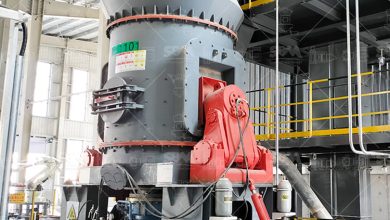
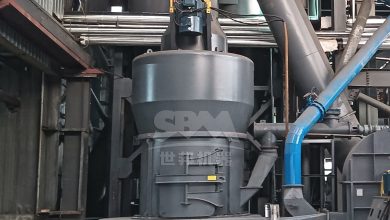
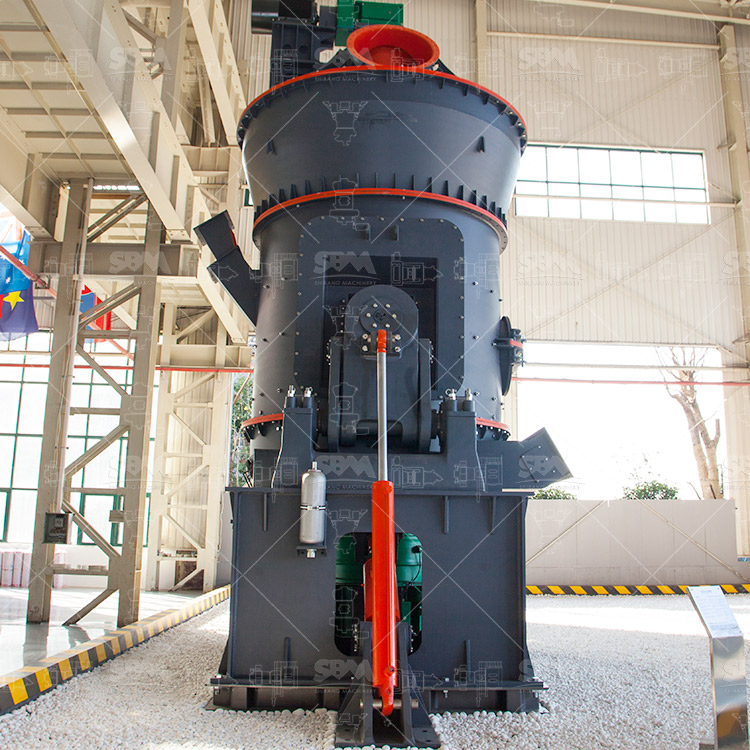
For grinding to 100 mesh (which is at the coarser end of the fineness spectrum for advanced mills), a vertical roller mill is an excellent choice. The LM Series Vertical Roller Mill is specifically designed for high-capacity grinding of materials like slag, cement clinker, and minerals. It integrates crushing, grinding, drying, and classification into a single unit. With an output fineness range of 30-325 mesh, the LM mill can readily produce a 100-mesh powder with high throughput and low energy consumption.
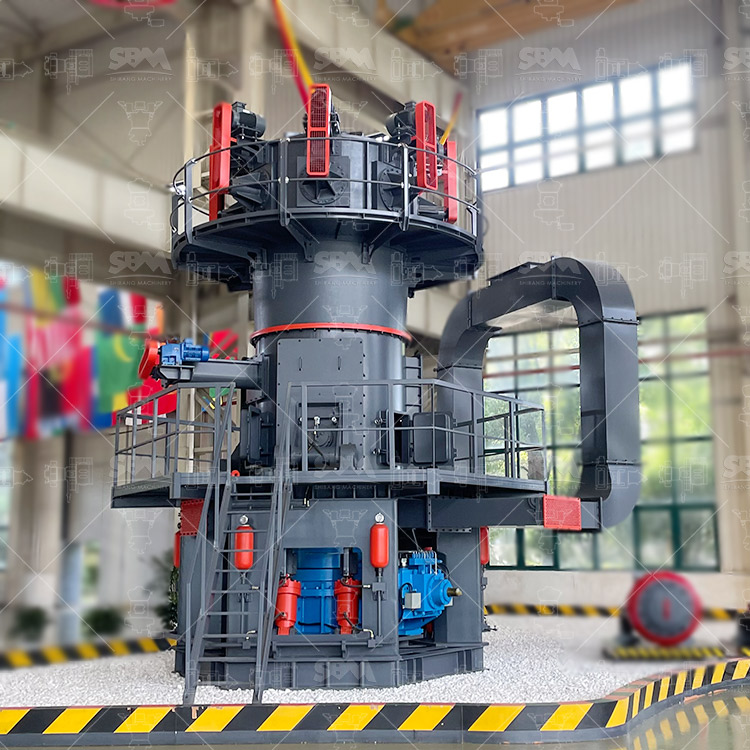
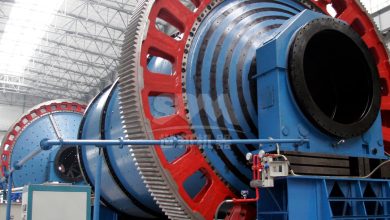
We recommend the LM Series Vertical Roller Mill for this application. It features an integrated design that reduces floor space by up to 50% and infrastructure costs by 40%. The non-contact design between the rollers and the grinding table significantly extends the life of wear parts—by up to 3 times compared to traditional ball mills. Its energy consumption is 30-40% lower than that of a ball mill system, making it a very cost-effective solution for processing vanadium-titanium slag. For example, the LM190K model, with a table diameter of 1900mm, can process 23-68 tons per hour to a fineness of 170-40μm (easily covering the 100-mesh requirement). For even larger operations, the LM280K offers capacities up to 170 tons per hour.
Going Beyond 100 Mesh: The Need for Ultrafine Powder
While 100 mesh is a common requirement for applications like construction aggregates or basic feedstock, many high-value applications, such as premium TiO2 pigment production, high-performance ceramics, and advanced extraction processes, require a much finer powder. These applications often demand a fineness of 325 mesh (45 microns) or even 2500 mesh (5 microns).
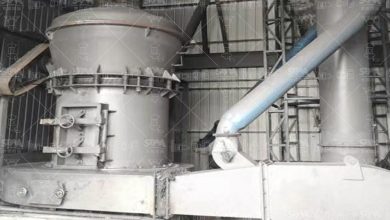
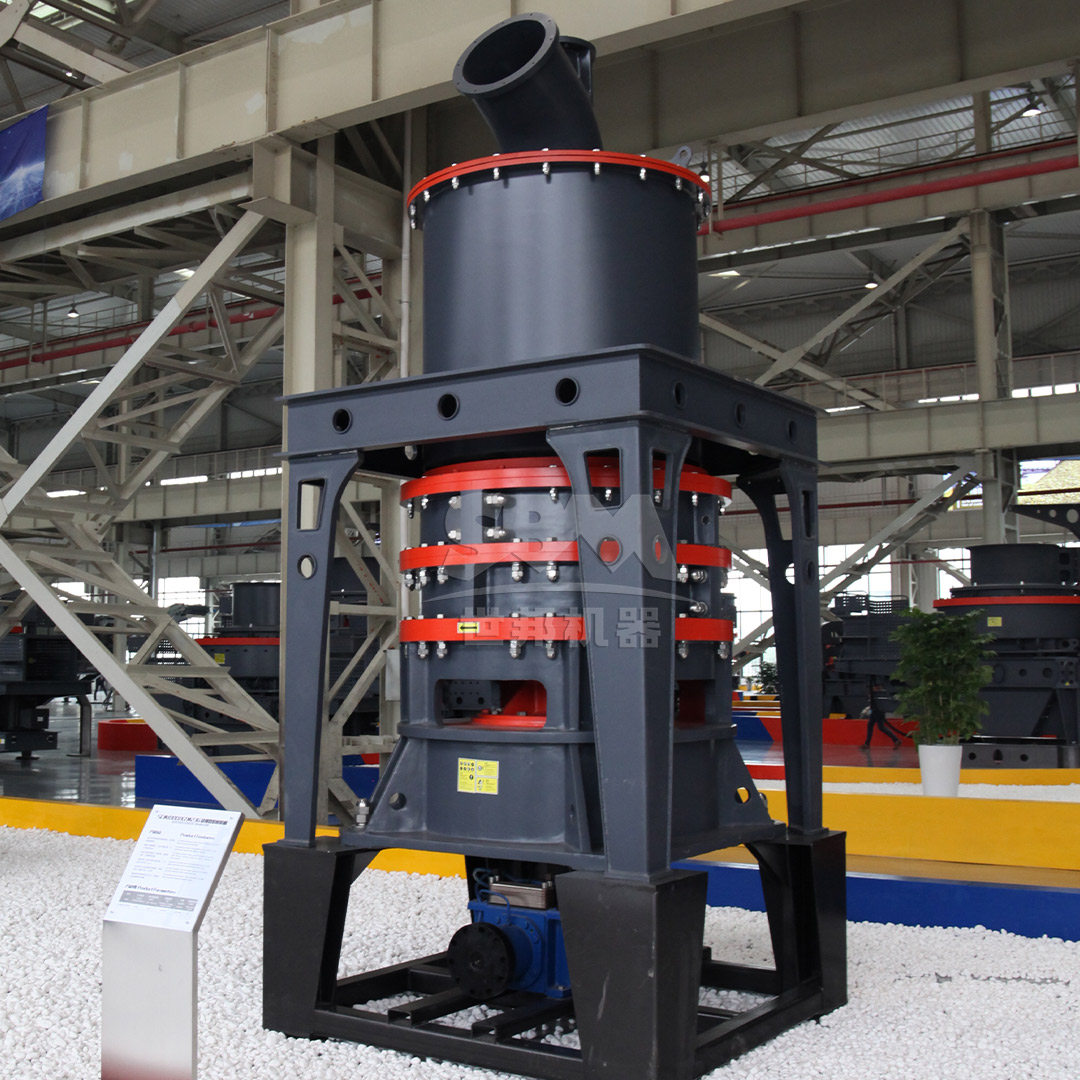
For achieving these ultrafine particle sizes, standard vertical mills may reach their limit. This is where specialized ultrafine grinding equipment is necessary. The SCM Series Ultrafine Mill is purpose-built for this exact task. It can produce powders from 325 mesh down to an ultra-fine 2500 mesh (5 μm). Its unique three-layer grinding ring and roller design ensure high efficiency and precise classification with no coarse powder mixing.
For ultrafine grinding of vanadium-titanium slag, we highly recommend the SCM Series Ultrafine Mill. Its capacity is up to 2 times that of traditional jet mills for the same fineness, while consuming 30% less energy. The SCM1250 model, for instance, can produce 2.5-14 tons per hour of ultra-fine powder with a main power of just 185kW.
Conclusion
Vanadium-titanium slag is no longer a waste product but a valuable resource with diverse applications ranging from construction materials to high-tech chemical production. The ability to grind it to the required fineness is the key to unlocking this value. While a 100-mesh grind is easily achievable with high-efficiency equipment like the LM Series Vertical Roller Mill, the true potential of this material is realized with ultrafine grinding, which is the specialty of the SCM Series Ultrafine Mill. By choosing the correct grinding technology, processors can convert this industrial byproduct into a profitable and sustainable resource.