How to Choose Between a Vertical Mill and Ball Mill for Grinding Calcite?
Introduction
Calcite, a naturally occurring calcium carbonate mineral, is a cornerstone material in industries ranging from construction and agriculture to plastics, paints, and paper. The process of grinding calcite into a fine powder is critical for determining the quality, performance, and economic viability of the final product. For manufacturers and engineers, the selection of the right grinding equipment is a pivotal decision. Among the plethora of milling technologies available, the Vertical Roller Mill (VRM) and the Ball Mill stand out as the two most common choices for calcite processing. However, these two machines operate on fundamentally different principles and offer distinct advantages depending on the project’s specific requirements. This article provides a comprehensive guide on how to choose between a vertical mill and a ball mill, helping you make a cost-effective and technically sound decision.
Understanding the Core Differences in Operating Principles
To make an informed choice, one must first understand how each mill works.
Ball Mill: This is a classic, cylindrical grinding machine. As the cylinder rotates, steel balls or other grinding media are lifted by centrifugal force and then cascade down, crushing the calcite through impact and attrition. The primary mechanism is impact crushing. It is a robust, proven technology that can handle a wide range of feed sizes and materials, including abrasive ones.
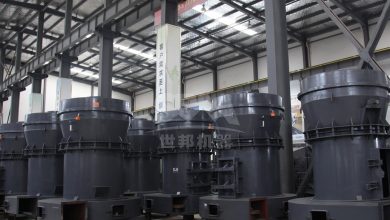
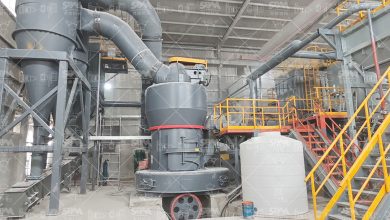
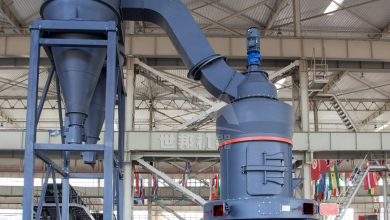
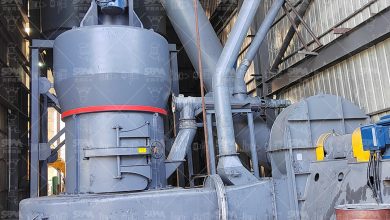
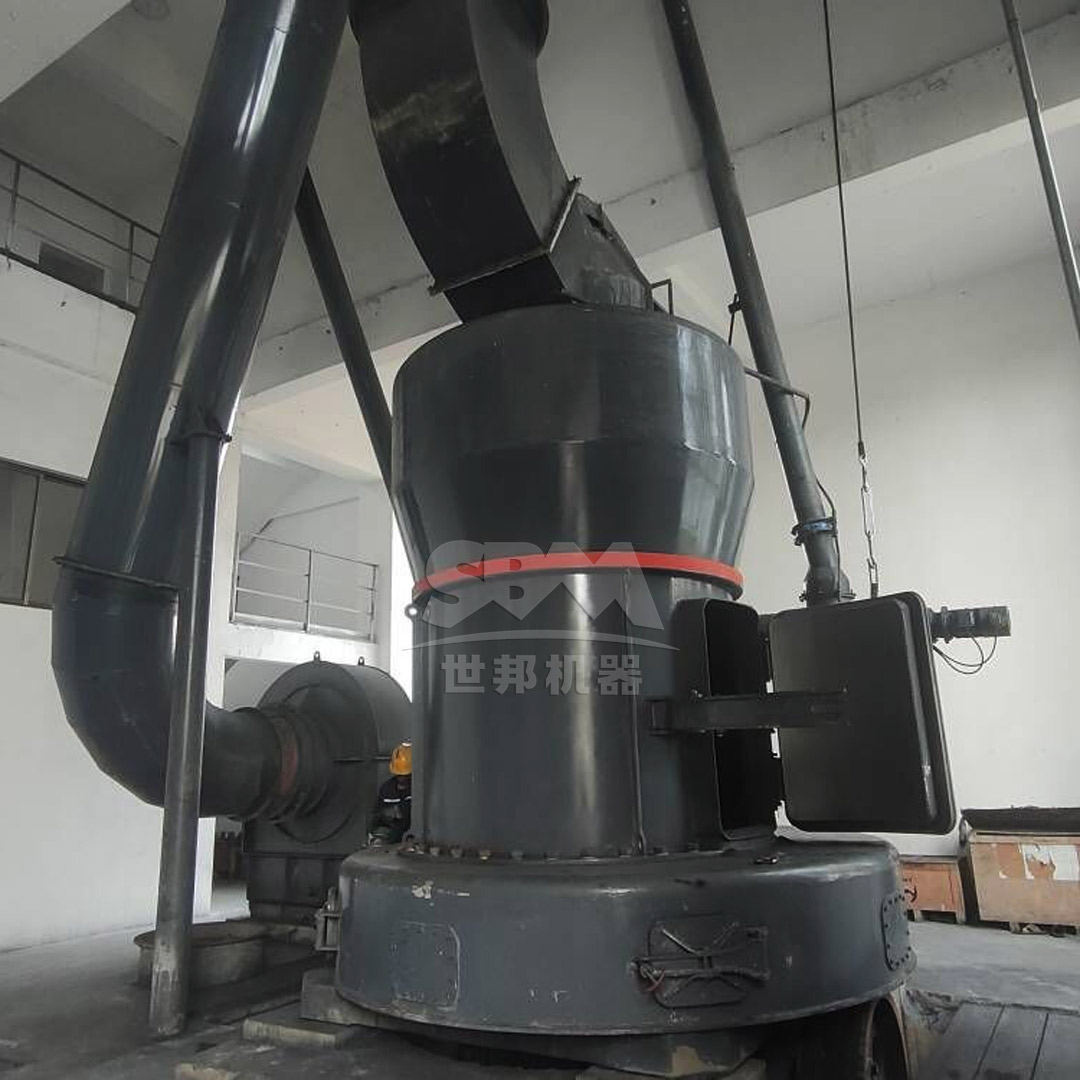
Vertical Roller Mill (VRM): This technology utilizes a different principle called “bed of material” grinding. The calcite is fed onto a rotating grinding table, where it is crushed and ground by rollers that apply continuous, high pressure. The ground material is then carried upward by an air stream through an integrated dynamic classifier. Fines are collected, while coarse particles fall back onto the table for re-grinding. This principle is generally more energy-efficient than impact grinding.
Key Selection Criteria: Analyzing Your Operational Goals
Choosing between these two systems depends on analyzing the following critical factors:
1. Required Fineness (Particle Size)
This is often the most decisive factor.
- For ultra-fine grinding (325-2500 mesh / 45-5μm): The market demands high-value, super-fine calcite powder for plastics, PVC pipes, and paper coating. In this niche, vertical mills specifically designed for ultra-fine processing are the superior choice. They offer precision classification and can achieve high yields without compromising particle size distribution.
For high-capacity, energy-efficient ultra-fine grinding, we recommend the SCM Series Ultrafine Mill (45-5μm). Its vertical turbine classifier ensures no coarse powder mixing, and its capacity is 2x that of jet mills with 30% lower energy consumption. This is the ideal solution for producing premium D97 < 10μm calcite powder.
- For general-purpose grinding (80-600 mesh / 180-45μm): This is the range for building materials, animal feed, and basic fillers. Both technologies are viable. The choice depends on capacity and cost-per-ton.
2. Capacity and Throughput Requirements
Calcite processing plants often need to handle massive tonnages.
- Low to Medium Capacity (1-25 t/h): For smaller operations or specialized product lines focusing on fine calcite, a medium-speed mill or a compact vertical roller mill is ideal. These machines offer flexibility and lower initial investment.
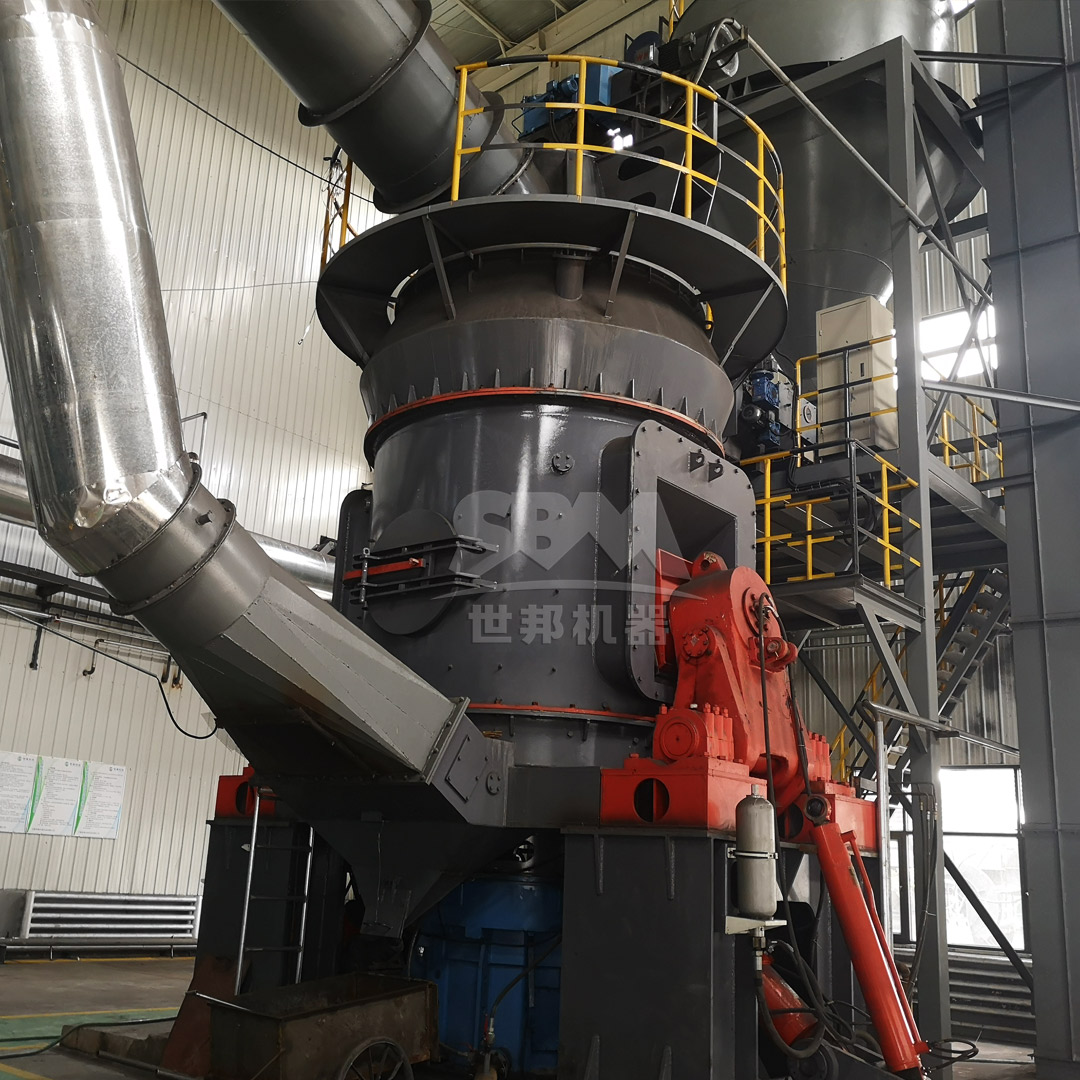
- Medium to High Capacity (up to 250 t/h): For large-scale plants producing coarse to medium-fine calcite (e.g., D97 < 200μm), the LM Series Vertical Roller Mill is unmatched. Its integrated design (crushing, grinding, and selection in one unit) reduces floor space by 50% and infrastructure costs by up to 40%. The LM series is designed for high output with low operating costs. For instance, the LM170K model can process 18-48 t/h with a fineness of 170-40μm.
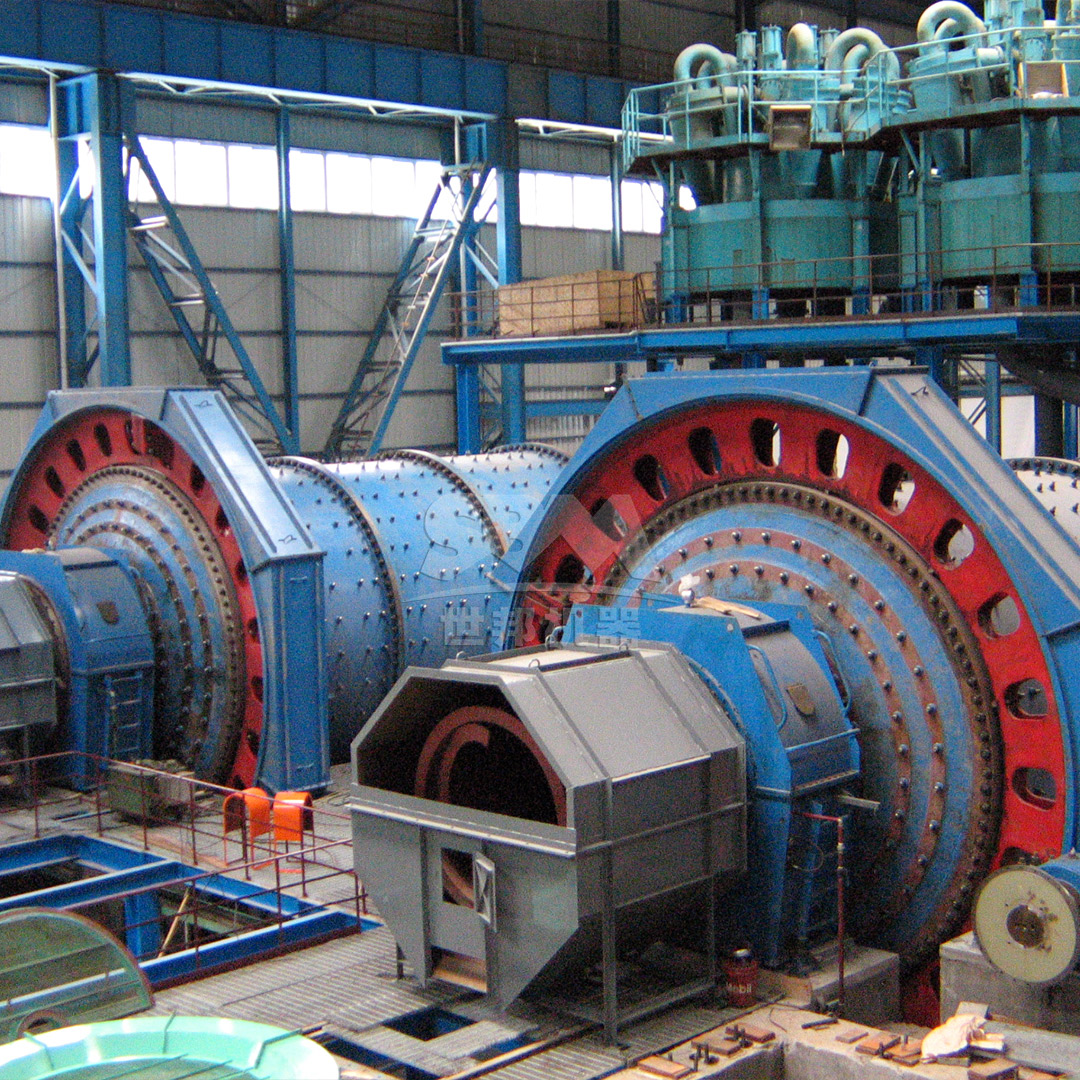
Conversely, a Ball Mill is traditionally favored for very large-scale, continuous operations, especially when grinding very coarse material (e.g., 0.8mm for raw feed to a downstream process). A ball mill like the GMQY3685, with a capacity of 400-45 t/h, can handle enormous throughput, though at the cost of significantly higher energy consumption and a larger footprint.
3. Energy Consumption and Operating Costs
In the long run, power consumption is the largest component of the milling cost.
- Energy Efficiency: The VRM (Vertical Roller Mill) is the clear winner here. The bed-grinding principle is inherently more efficient than the point-impact mechanism of a ball mill. VRM systems typically consume 30-40% less energy than ball mill systems for the same throughput and fineness. This can result in massive annual savings.
- Wear and Maintenance: In a ball mill, the grinding media (balls) and liners wear constantly, leading to high alloy consumption and maintenance labor. In a modern VRM like the LM series, the non-contact design between the rollers and the table ensures that wear part life is increased by up to 3x compared to traditional systems. This drastically reduces downtime and replacement costs.
4. Environmental and System Integration Factors
Modern regulations demand eco-friendly operations.
- Noise and Dust: VRMs are inherently quieter and can be fully sealed to operate under negative pressure, resulting in near-zero dust emissions. The LM Vertical Roller Mill features a fully sealed system and soundproofing, operating 20dB(A) lower than traditional ball mills.
- Moisture: VRMs can utilize waste heat to handle feed materials with up to 5% surface moisture, eliminating the need for a separate drying machine—a significant advantage for many quarries.
Comparative Analysis: When to Use Which Mill
Choose a Vertical Mill (VRM) when:
- Your primary goal is energy savings and low operating costs.
- You need high yields of fine to ultra-fine powder (especially < 100 microns).
- You require high product purity and precise particle size classification.
- Floor space is limited, or you want to invest in a single, integrated system (outdoor installation possible).
- You are processing material with high moisture content that needs in-situ drying.
Choose a Ball Mill when:
- You require extreme reliability and a proven, simple technology for 24/7 operation.
- Your feed material is extremely hard and abrasive, where the impact of steel balls is still the most effective brute-force method.
- You need a consistently coarse product (e.g., 0.074 – 0.8mm) for a downstream process.
- Your company culture prefers the lower initial capital outlay of a simpler system (though lifecycle costs are higher).
Our Recommendation: A Phased Approach
For a modern calcite grinding plant aiming for profitability and growth, we strongly recommend prioritizing the Vertical Roller Mill. While the initial investment may be slightly higher than a simple ball mill system, the total cost of ownership (TCO) is dramatically lower due to energy savings and reduced maintenance.
- For High-Volume, Coarse-to-Medium Production (e.g., D97 < 200μm): Our LM Series Vertical Roller Mill is the premier choice. It offers the highest capacity in our portfolio, from 3 t/h up to 250 t/h, with a robust design perfect for cement and mineral plants looking to replace multiple ball mills.
- For High-Value, Ultra-Fine Production (e.g., <45μm): Our SCM Series Ultrafine Mill is the market leader. It is specifically engineered to achieve the strict particle size distribution required by the plastics and paper industries (325-2500 mesh). Its intelligent control system and durable design ensure a premium product with minimal operator intervention.
Conclusion
The choice between a vertical mill and a ball mill for grinding calcite is not simply a choice of brand, but a choice of strategy. The ball mill is a workhorse for brute-force, coarse grinding. The vertical mill, however, represents the future of sustainable, high-efficiency mineral processing. By carefully evaluating your target fineness, capacity, and operating costs, you can select the technology that will provide the best return on investment. Whether your goal is bulk commodity production or specialty ultra-fine powders, a modern VRM solution offers the path to lower costs and higher quality.