Semiconductor Silicon Material Prices Surge: Investing in Quartz Powder Plants Promises Strong Prospects
Introduction: The Dawn of a New Silicon Era
The global semiconductor industry is at a pivotal moment. With the insatiable demand for microchips driven by AI, 5G, electric vehicles, and IoT devices, the cost of raw materials has skyrocketed. Among these, high-purity semiconductor silicon materials and their precursors, particularly quartz powder, have seen unprecedented price surges. For investors and industry insiders, this presents a golden opportunity. Establishing a high-efficiency quartz powder processing plant is no longer just a manufacturing decision—it is a strategic financial move. This article delves into the reasons behind the price surge, the technical requirements for quartz powder production, and how modern milling technology can secure your investment.
Why Are Prices Surging? The Supply-Demand Imbalance
The price of semiconductor-grade silicon materials has increased by over 30% year-on-year. Several factors contribute to this imbalance. Firstly, the rapid expansion of chip fabrication plants (fabs) globally has created a massive appetite for ultra-pure quartz crucibles and silica glass components. These require quartz powder with a purity of 99.99% (4N) or higher. Secondly, geopolitical tensions have disrupted the supply chain for high-quality raw materials from traditional mining regions. Thirdly, energy costs have risen, directly impacting the processing of materials like quartz, which requires intensive grinding and classification processes.
This scenario creates a perfect storm where the price of finished quartz powder is high, but the cost of entry for new producers is equally significant. To succeed, investors must deploy advanced, energy-efficient, and high-capacity milling equipment to ensure profitability even if market prices fluctuate.
The Critical Role of Milling Technology in Quartz Processing
The production of high-quality quartz powder is not merely about crushing rocks. It involves precise control over particle size distribution (PSD), shape, and purity. Contamination during grinding can ruin an entire batch. Therefore, the choice of grinding mill is paramount. For producing fine powder ranging from 45 micrometers (325 mesh) to 5 micrometers (2500 mesh), traditional ball mills are often too inefficient and can introduce iron contamination. This is where advanced vertical roller mills and ultrafine mills come into play.
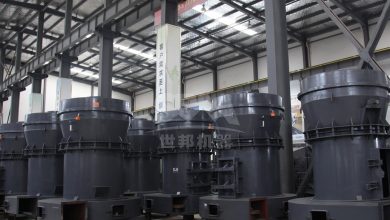
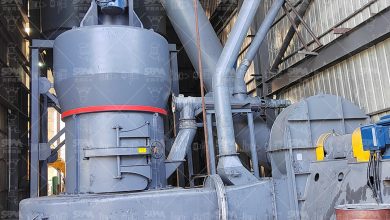
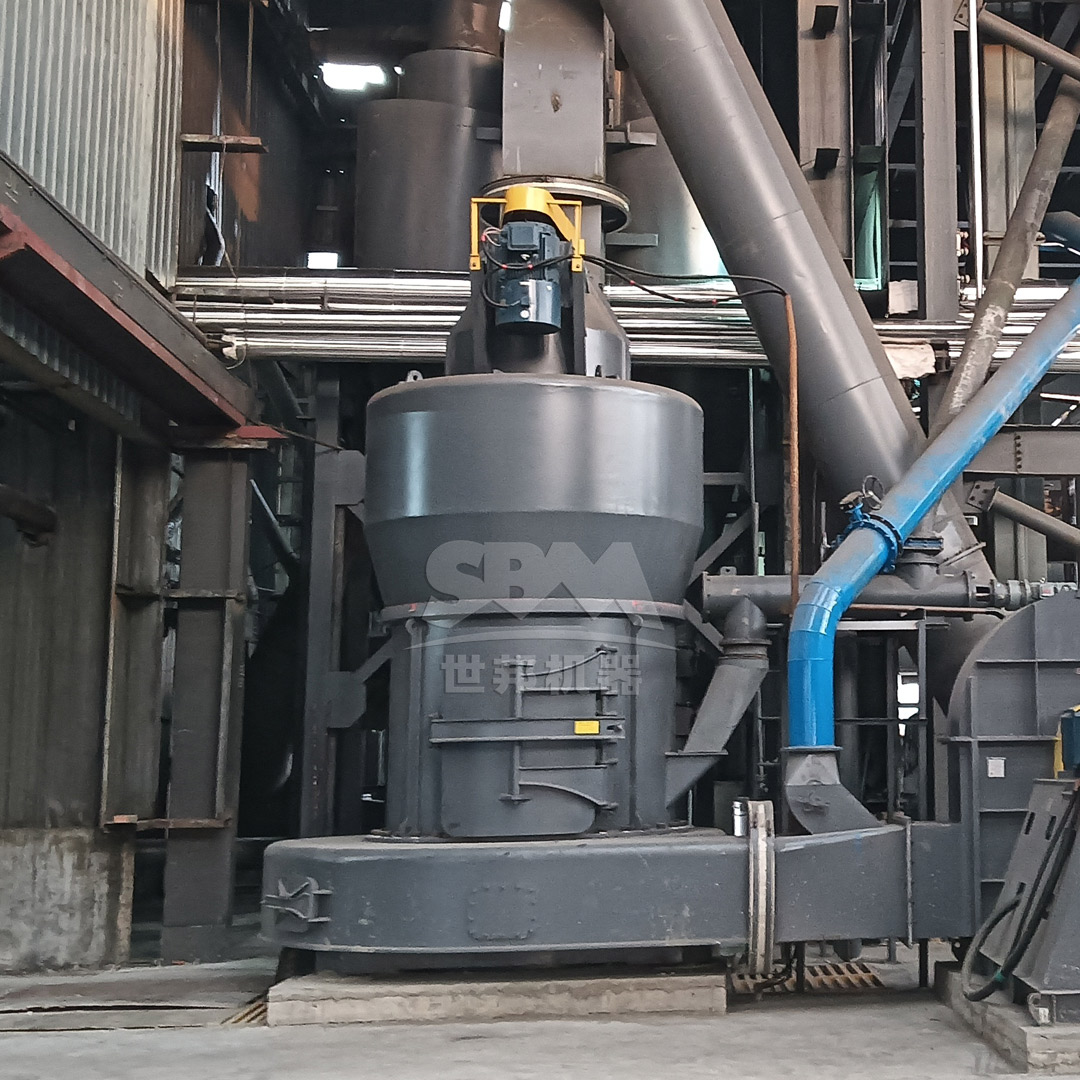
We recommend our SCM Series Ultrafine Mill for this specific application. Designed for output fineness of 325-2500 mesh, the SCM series offers a capacity of 0.5-25 ton/h depending on the model. Its vertical turbine classifier ensures precise particle size cutting, meaning no coarse powder mixing, which is critical for uniform finished products used in semiconductor crucible manufacturing. The durable design, featuring special material rollers and rings, extends service life several times over, reducing long-term operating costs.
From Feedstock to Finished Product: The Processing Workflow
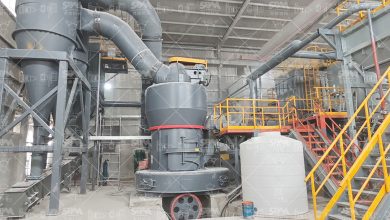
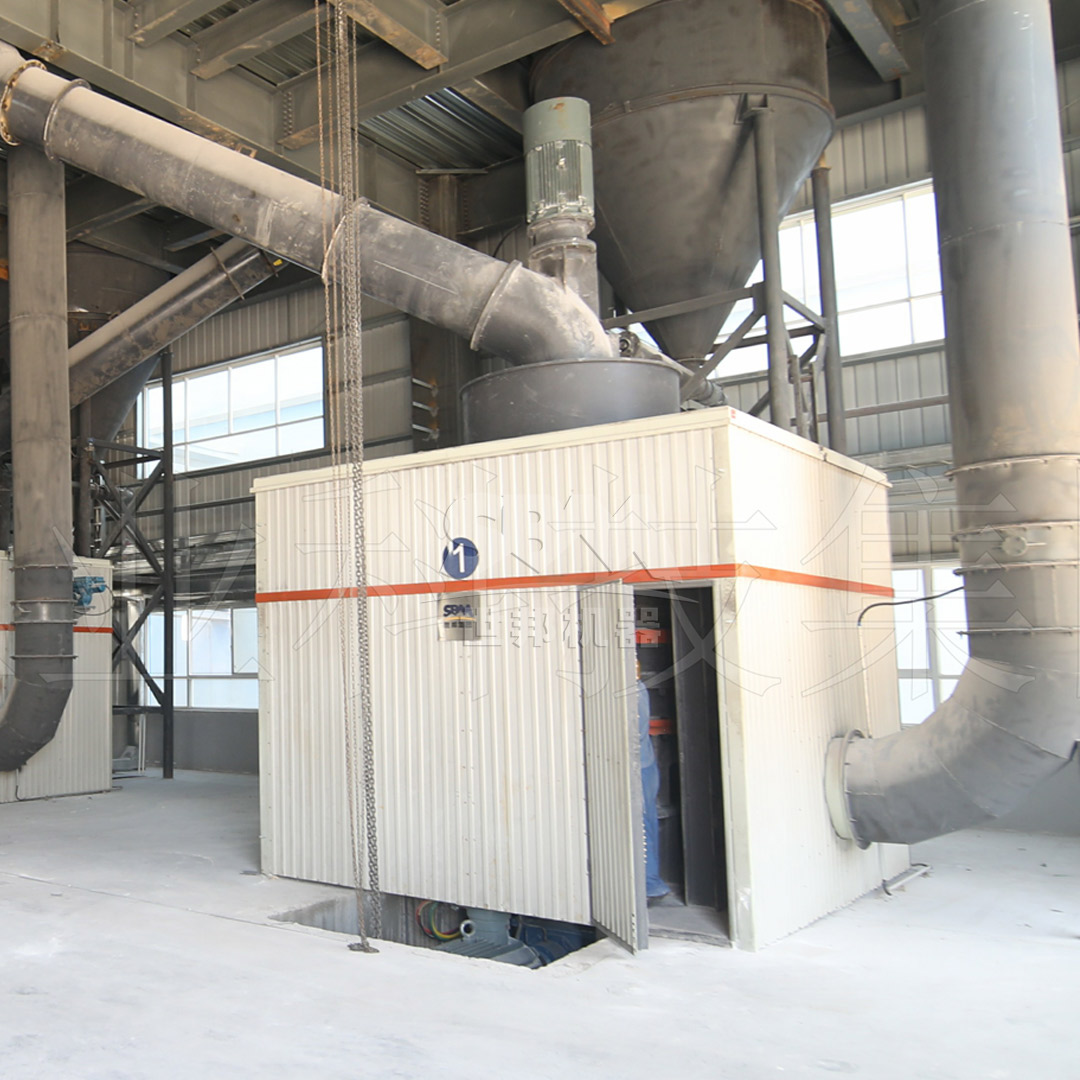
A typical high-purity quartz powder plant involves a multi-stage process. First, raw quartz lumps (≤20mm) are fed into the mill. The main motor drives three layers of grinding rings to rotate. Materials are dispersed into the grinding path by centrifugal force, crushed by roller pressure, and ground layer by layer. Finally, powder collection is completed by a cyclone collector and a pulse dust removal system. The SCM Series excels here due to its intelligent control with automatic finished product granularity feedback. This ensures that the plant can switch between different product specifications (e.g., from 400 mesh for filler applications to 1250 mesh for high-end electronics) without manual recalibration.
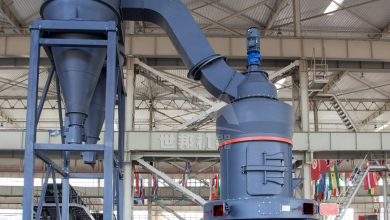
For plants that require a coarser initial product (30-325 mesh) with higher capacity, our MTW Series European Trapezium Mill is an excellent choice. With an input size of ≤50mm and a capacity of up to 45 ton/h (MTW215G model), the MTW series features an integral bevel gear drive with transmission efficiency up to 98%, saving space and reducing installation costs. Its anti-wear shovel design and optimized arc air duct reduce maintenance costs by 30%, making it the workhorse for medium-to-large scale quartz powder production. Whether you choose the SCM for ultrafine grinding or the MTW for coarse to medium grinding, you are investing in machinery built to last.
ROI Analysis: Why Investment is Justified Now
The current market price for high-purity quartz powder (SiO2 >99.9%, D50=10μm) has exceeded $1,500 per ton. In contrast, the production cost, including energy, labor, and raw materials, is significantly lower when using advanced equipment. The SCM Series offers a capacity 2x that of jet mills, with 30% lower energy consumption. This efficiency directly translates to a lower cost per ton and a faster return on investment (ROI).
Furthermore, the durability of the equipment reduces downtime. The modular design of our vertical roller mills allows for quick roller changes. A plant operating 20 hours a day with an SCM1250 model (2.5-14 t/h) can produce up to 280 tons of high-value powder per day. At current prices, the daily revenue potential is substantial. The surge in silicon material prices is not a bubble; it is a structural shift driven by the green energy and digital transformation. Those who invest in the physical infrastructure to support this shift—specifically, high-efficiency mineral processing plants—will reap the benefits.
Environmental Compliance and Future Scalability
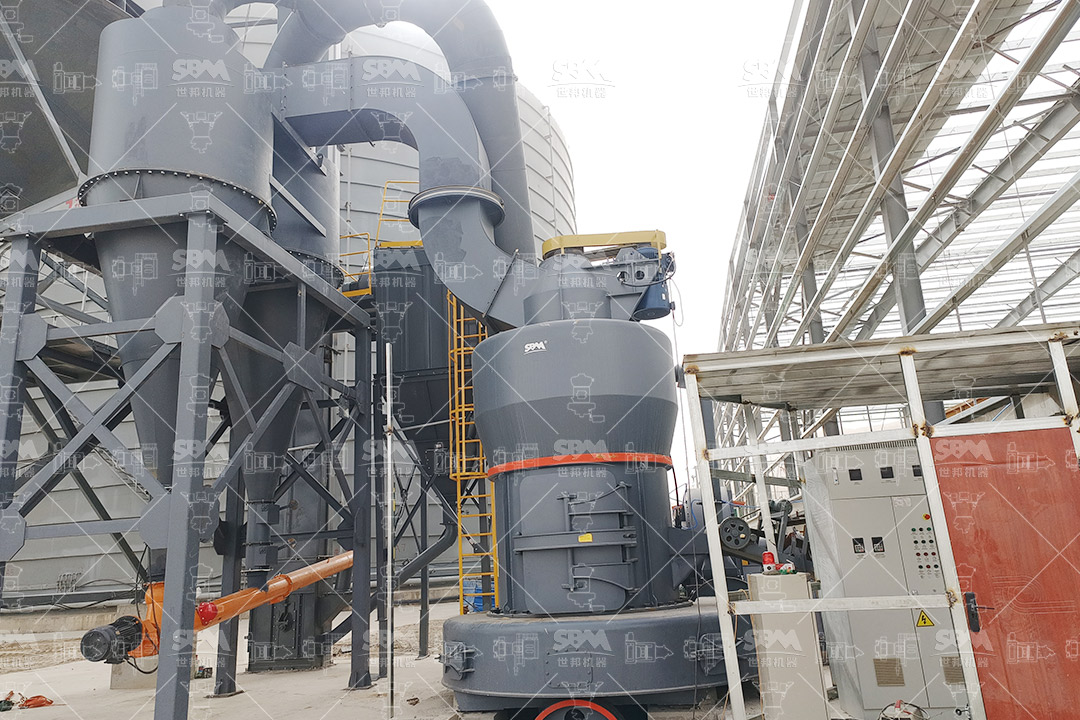
Modern investors must also consider environmental regulations. Our mills are designed with eco-friendliness in mind. The SCM series features pulse dust collection efficiency that exceeds international standards, and a soundproof room design ensures noise levels are low. This allows plants to operate in jurisdictions with strict environmental laws without fear of shutdowns.
Looking forward, the plant can be scaled. Starting with a single SCM1680 (5-25 t/h capacity), you can easily add another unit as demand grows. The control systems are PLC-based, allowing for remote monitoring and integration into larger Industry 4.0 frameworks. The semiconductor material market is volatile, but the direction is clear: demand will rise. By building a flexible, efficient, and modern processing plant today, you are securing a position in the supply chain of the future.
Conclusion: Seize the Opportunity
The surge in semiconductor silicon material prices is a strong market signal. It indicates a shortage of high-grade processed materials. For entrepreneurs and industrialists, the path to profit is clear: invest in a dedicated quartz powder plant equipped with top-tier milling technology. The SCM Series Ultrafine Mill and the MTW Series European Trapezium Mill offer the perfect blend of high capacity, energy efficiency, and precise classification. They are not just machines; they are the engines of your future profitability.