How to Choose the Right Zircon Sand Grinding Mill Equipment?
Introduction
Zircon sand, primarily composed of zirconium silicate (ZrSiO₄), is a crucial industrial mineral used in the production of ceramics, refractories, foundry molds, and zirconium chemicals. The grinding process is a critical step that significantly influences the quality and market value of the final product. Selecting the right grinding mill equipment is therefore paramount for efficiency, product quality, and operational cost. This article provides a comprehensive guide on the key factors to consider when choosing a zircon sand grinding mill, drawing on advanced industrial solutions.
Key Considerations for Zircon Sand Grinding
1. Feed Size and Material Characteristics
The particle size distribution and hardness of the incoming zircon sand dictate the choice of mill. Zircon is a relatively hard mineral (Mohs hardness of 7.5), so the equipment must be built for abrasion resistance. A mill with a larger feed size capability, like a jaw crusher or hammer mill, may be needed for pre-processing before fine grinding begins.
2. Required Output Fineness
This is the most decisive factor. Zircon sand applications vary widely:
- Coarse Grinding: For foundry sands or certain ceramic bodies, a fineness of 30-100 mesh may be sufficient.
- Fine Grinding: For opacifiers in glazes and high-end ceramics, a fineness of 325-600 mesh (20-45μm) is standard.
- Ultrafine Grinding: For specialized applications like advanced ceramics or zirconium chemicals, powders finer than 10μm (1250 mesh) are required.
Matching the mill technology to the target particle size is essential for economic efficiency.
3. Capacity Requirements
Throughput is a primary economic driver. Does your operation require a laboratory-scale unit, or a large-scale industrial plant processing tens of tons per hour? Selecting a mill sized correctly for your production goals prevents bottlenecks and ensures capital is deployed effectively.
4. Energy Consumption and Operating Cost
Grinding is an energy-intensive process. Mills with intelligent control systems, high-precision classifiers, and optimized grinding paths can significantly reduce power consumption per ton of product. Energy efficiency directly impacts profitability, especially when processing abrasive materials like zircon.
5. Wear Resistance and Maintenance
The abrasive nature of zircon sand makes wear part life a critical cost factor. Mills with rollers and rings made from special hardened alloys or use a “bed of material” grinding principle tend to have longer service intervals. Easy access for maintenance and replacement of parts is also a major consideration.
6. Classification Efficiency
An efficient classifier ensures that only particles of the desired size exit the mill, while oversize particles are returned for further grinding. This prevents over-grinding, saves energy, and ensures a uniform, high-quality finished product with no coarse powder contamination.
Selecting the Appropriate Mill Technology
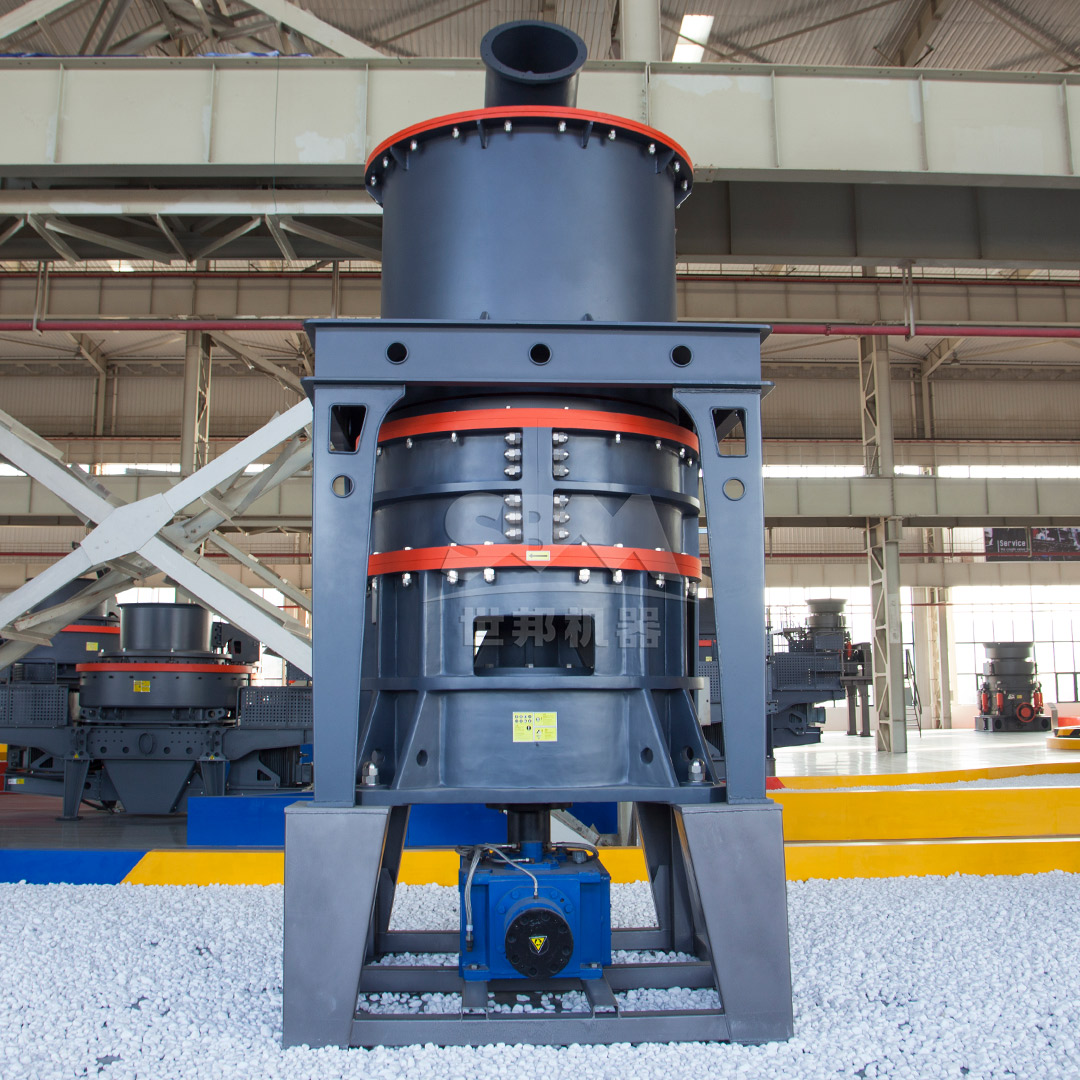
Based on the above factors, several mill technologies can be considered for zircon sand. For ultrafine grinding and high-precision classification, our SCM Series Ultrafine Mill is the ideal solution.
Recommended Solution for Ultrafine Zircon Grinding
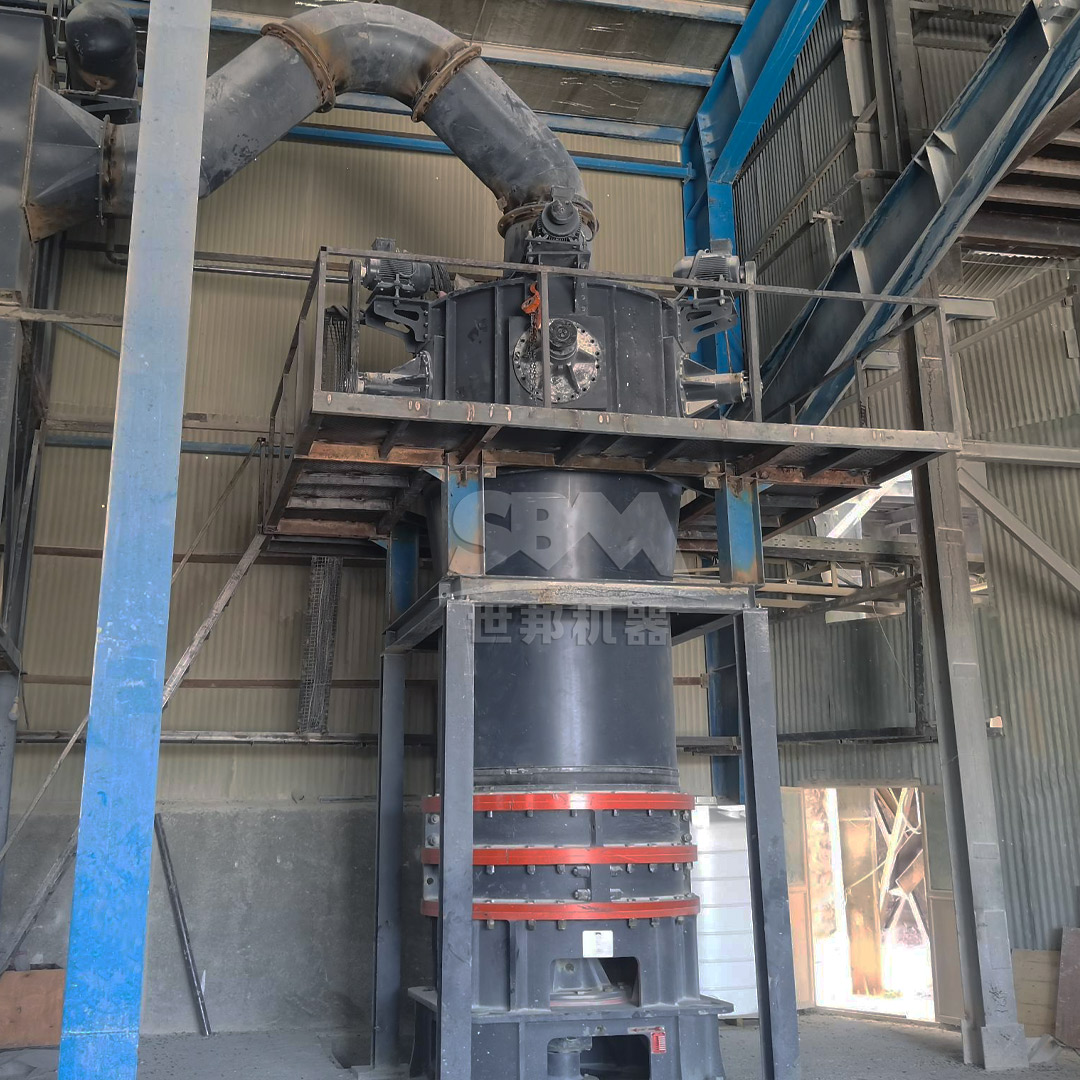
SCM Series Ultrafine Mill (45-5μm)
For operations requiring a high-grade, ultra-fine zircon powder, the SCM series stands out. Its design is specifically engineered to handle demanding applications.
- High Efficiency & Energy Saving: Its capacity is up to twice that of traditional jet mills, while its energy consumption is reduced by 30%. An intelligent control system provides automatic feedback on finished product granularity, optimizing performance in real-time.
- High-Precision Classification: The vertical turbine classifier enables precise particle size cutting, ensuring no coarse powder is mixed into the final product. This is critical for applications where consistency is paramount.
- Durable Design: The mill features special material rollers and rings that extend service life significantly compared to standard mills. Its shaftless screw grinding chamber ensures stable, vibration-free operation even under heavy loads.
- Eco-friendly & Low Noise: The built-in pulse dust collection system exceeds international environmental standards, and the soundproof room design ensures comfortable working conditions.
Model Recommendation for Zircon Sand: The SCM1250 is a popular choice for many zircon processors. It has a feed size capacity of 0-20mm, can produce a fineness from 325 to 2500 mesh, and offers a capacity of 2.5-14 tons per hour, powered by a 185kW main motor. For larger operations, the SCM1680, with a capacity of 5-25 tons per hour, provides a robust high-volume solution.
Alternative Solutions for Different Needs
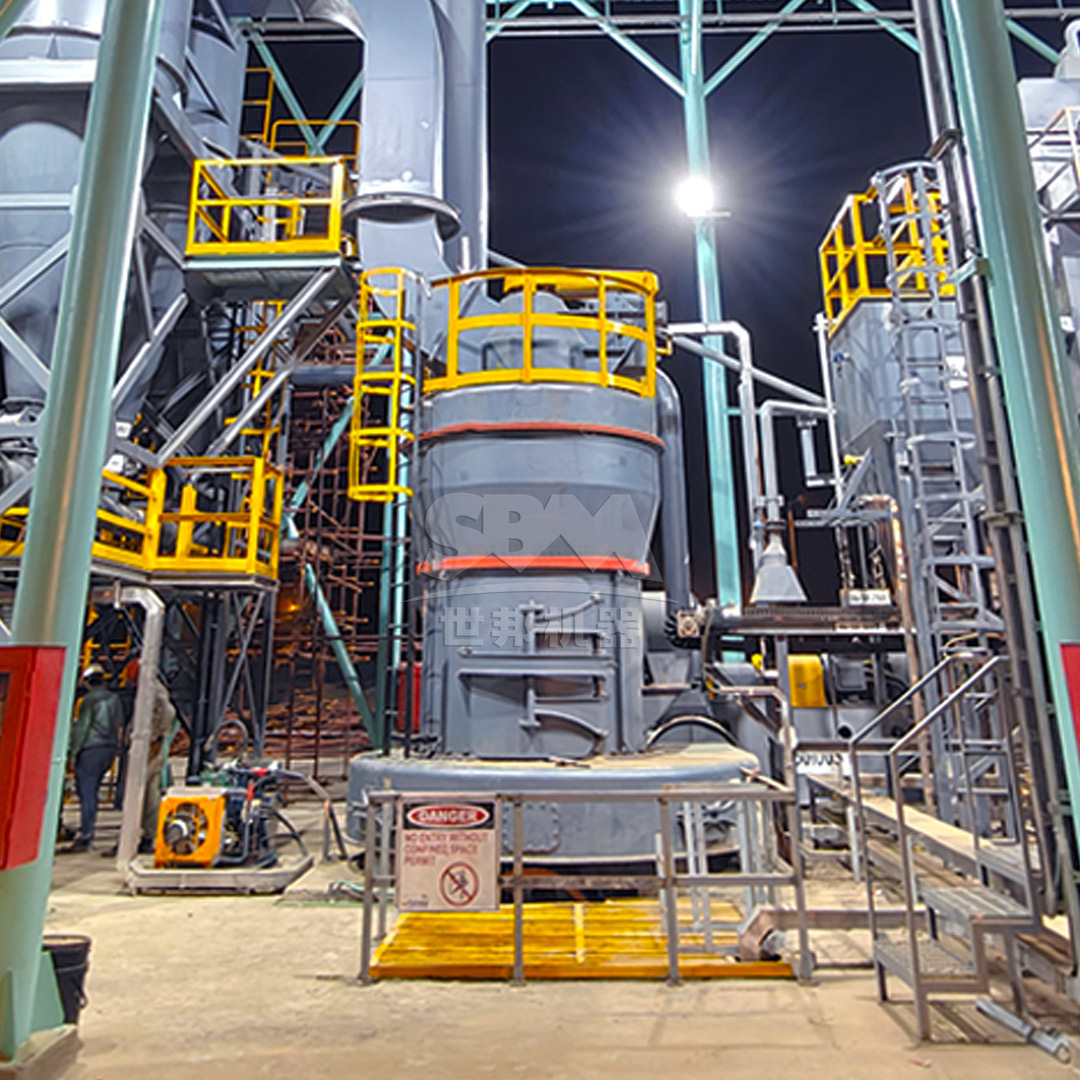
LM Series Vertical Roller Mill (600-45μm)
For medium to large-scale production requiring a fineness of 30-325 mesh, the LM series is an excellent choice. Its key advantage is its integrated design, which combines crushing, grinding, drying, and classifying into one system, reducing floor space by 50% and infrastructure costs by 40%. Furthermore, its operating costs are significantly lower due to the non-contact design between the rollers and the grinding table, which can increase wear part life by up to three times compared to ball mill systems.
MTW Series European Trapezium Mill (600-45μm)
For operations prioritizing a high-capacity, medium-fine product, the MTW series offers robust performance. Its integral bevel gear drive boasts a transmission efficiency of up to 98%, saving both space and installation costs. The anti-wear shovel design and optimized arc air duct reduce maintenance and energy loss, making it a cost-effective workhorse for standard zircon sand grinding.
Conclusion
Choosing the right zircon sand grinding mill is a strategic decision that impacts product quality, operational efficiency, and long-term profitability. By carefully evaluating your feed characteristics, target fineness, capacity needs, and operating costs, you can select the optimal technology. For customers targeting high-value, ultra-fine zircon products, the SCM Series Ultrafine Mill offers unparalleled efficiency and precision. For medium and large-scale standard grinding, the LM Vertical Roller Mill and the MTW European Trapezium Mill provide proven, reliable solutions. We invite you to contact our team to discuss your specific requirements and receive a customized equipment recommendation.