
How to Choose the Right Equipment for Grinding Silica Stone to 120 Mesh: A Complete Buyer’s Guide
Introduction
Silica stone, also known as quartz, is a hard and abrasive mineral widely used in industries such as glass, ceramics, construction, and electronics. Grinding silica stone to 120 mesh (approximately 0.125 mm) is a common requirement for many applications, including filler materials, refractory products, and specialty coatings. However, selecting the right grinding equipment for this task is not straightforward. The high hardness of silica (Mohs 7) and its abrasive nature demand robust, efficient, and durable machinery. This guide will walk you through the key factors to consider when choosing a grinding mill for silica stone to 120 mesh, and we will highlight two of our company’s products that are particularly well-suited for this application: the MTW Series European Trapezium Mill and the SCM Series Ultrafine Mill.
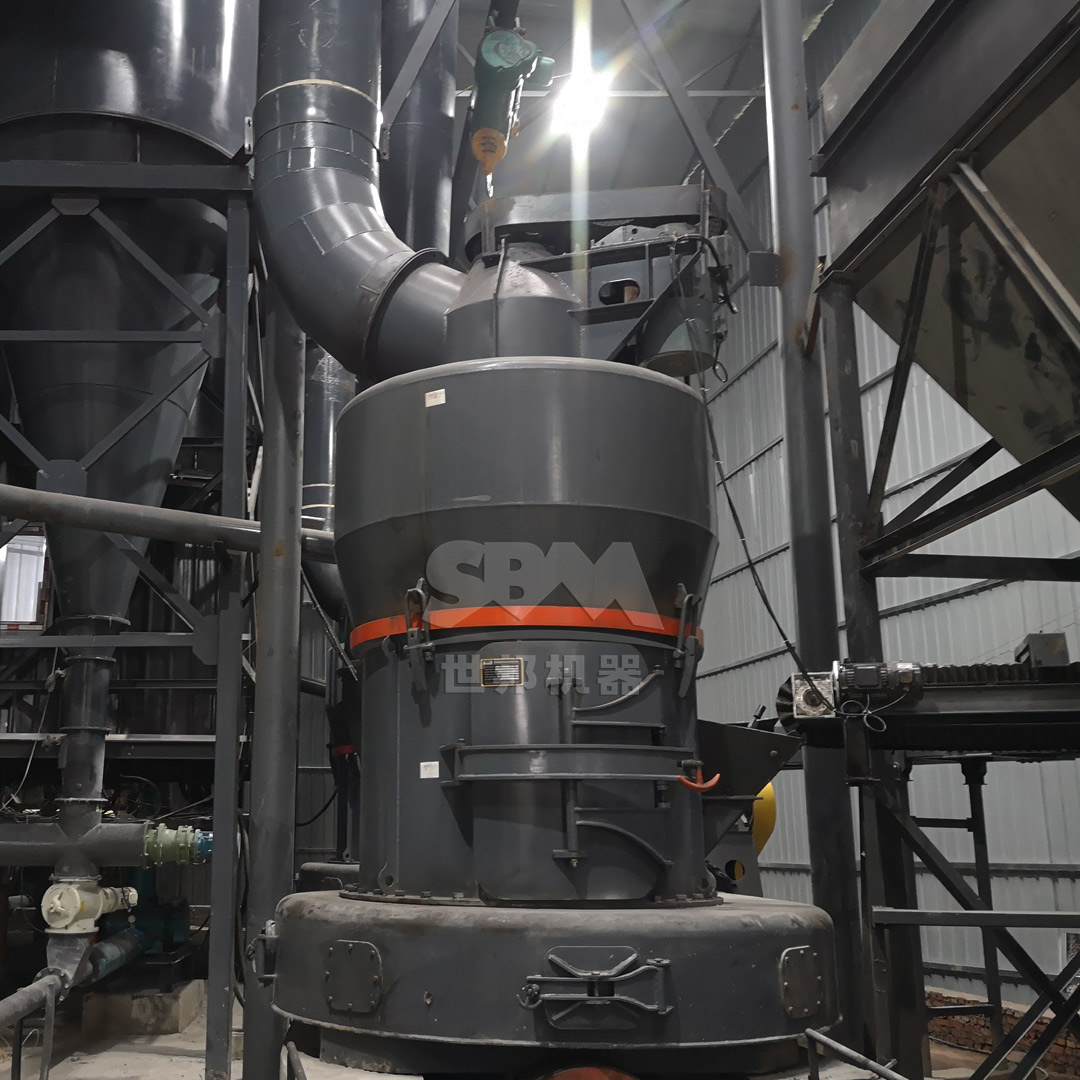
Understanding 120 Mesh and Its Applications
Mesh size refers to the number of openings per linear inch in a screen. A 120-mesh screen has 120 openings per inch, corresponding to a particle size of about 125 micrometers. Silica ground to 120 mesh is commonly used in:
- Glass manufacturing as a raw material
- Ceramic glazes and bodies
- Foundry sands
- Construction fillers and aggregates
- Paints and coatings as extenders
- Plastics and rubber as reinforcing fillers
Because these applications require consistent particle size distribution and minimal contamination, the grinding equipment must deliver precise fineness control and reliable operation.
Key Factors in Choosing a Grinding Mill for Silica Stone
1. Hardness and Abrasiveness of Silica
Silica is highly abrasive, which means that wear parts such as rollers, rings, and liners will experience significant wear. The grinding mill must be constructed with wear-resistant materials, and the design should minimize abrasive wear. Look for mills with special alloy rollers and rings, or those that use a material bed grinding principle to reduce direct metal-to-metal contact.
2. Required Fineness and Adjustability
120 mesh is a relatively coarse to medium fineness. However, you may need to adjust the fineness for different product grades. The mill should have an efficient classifier that can be easily adjusted to produce 120 mesh consistently, without coarse particles. A dynamic classifier with variable speed control is ideal.
3. Capacity and Scalability
Your production capacity requirements will dictate the size of the mill. Consider both current and future needs. Mills with a wide range of model sizes allow you to scale up without changing technology. For small to medium capacities, a trapezium mill might be sufficient; for larger capacities, a vertical roller mill could be more appropriate.
4. Energy Efficiency and Operating Costs
Grinding is an energy-intensive process. The mill’s energy consumption per ton of product is a critical cost factor. Advanced mills with optimized grinding mechanisms, such as those using centrifugal force and layered grinding, can reduce energy consumption by 30-40% compared to traditional ball mills. Additionally, low maintenance and long wear part life contribute to lower operating costs.
5. Dust Control and Environmental Compliance
Silica dust is a health hazard and environmental concern. The grinding system must be equipped with effective dust collection, such as pulse jet dust collectors, and operate under negative pressure to prevent dust leakage. Compliance with local emission regulations is mandatory.
6. Automation and Control
Modern mills come with PLC control systems that monitor and adjust parameters in real time, ensuring stable product quality and reducing manual intervention. Automatic control also improves safety and efficiency.
Recommended Equipment from Our Company
Based on the factors above, we recommend two of our products that excel in grinding silica stone to 120 mesh:
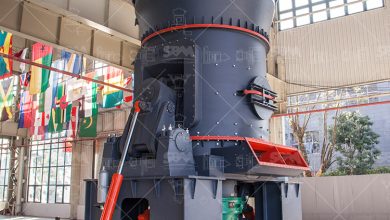
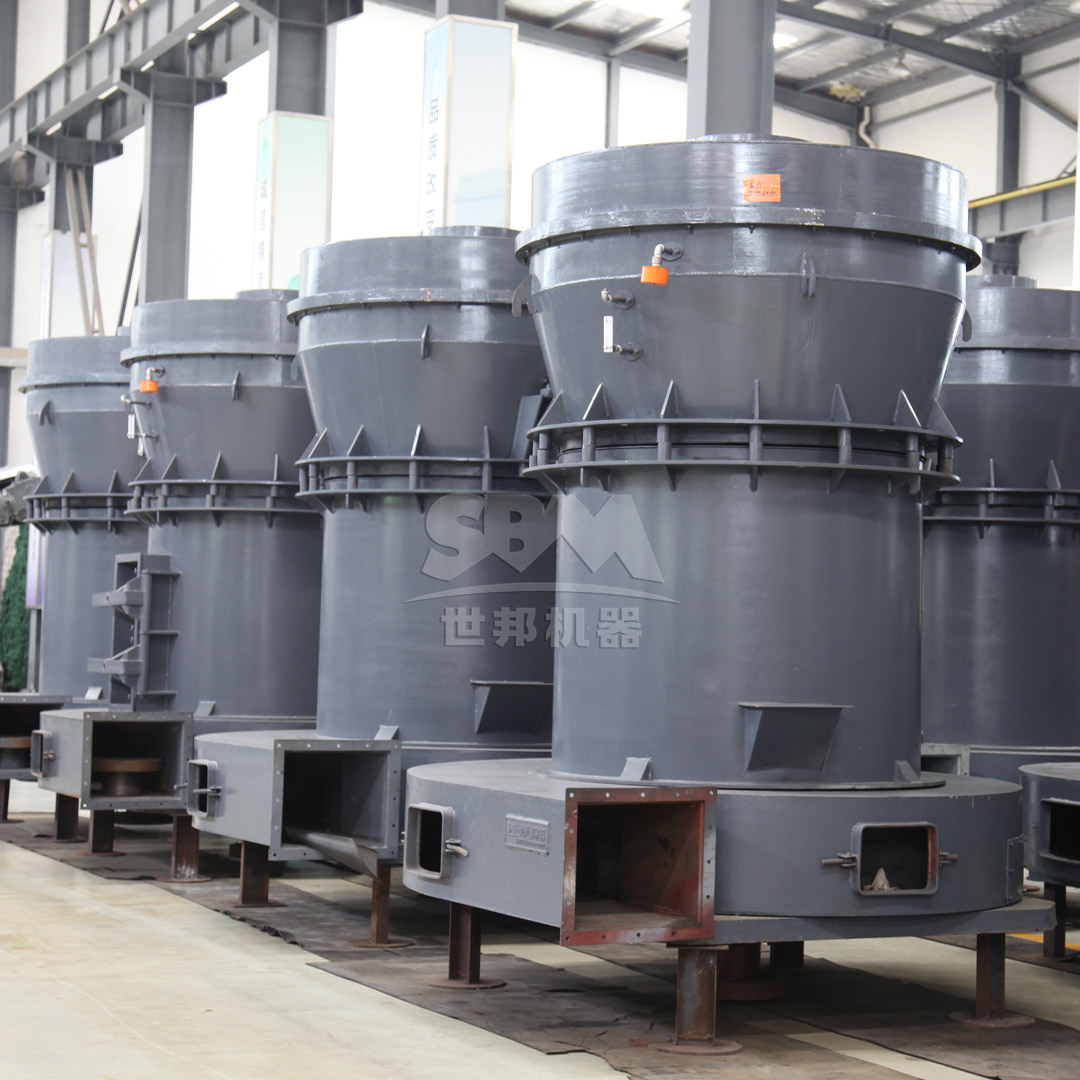
MTW Series European Trapezium Mill
The MTW Series is a versatile mill designed for medium-fine grinding. With an output fineness range of 30-325 mesh, it can easily achieve 120 mesh. Its key advantages for silica grinding include:
- Anti-wear shovel design: Combined shovel blades and curved rollers reduce maintenance costs and extend wear part life.
- Optimized arc air duct: Reduces airflow energy loss and improves transmission efficiency.
- Integral bevel gear drive: Transmission efficiency up to 98%, saving space and installation costs.
- Wear-resistant volute structure: Non-resistance flow design improves air selection efficiency and reduces maintenance costs by 30%.
The MTW Series is available in models from MTW110 to MTW215G, with capacities ranging from 3 to 45 t/h. For a typical silica grinding plant producing 120 mesh, the MTW138Z model with a capacity of 6-17 t/h is a popular choice. It features a main power of 90 kW, fan power of 110 kW, and classifier power of 18.5 kW, making it energy-efficient and reliable.
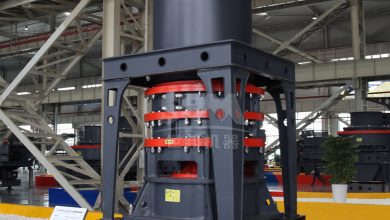
SCM Series Ultrafine Mill
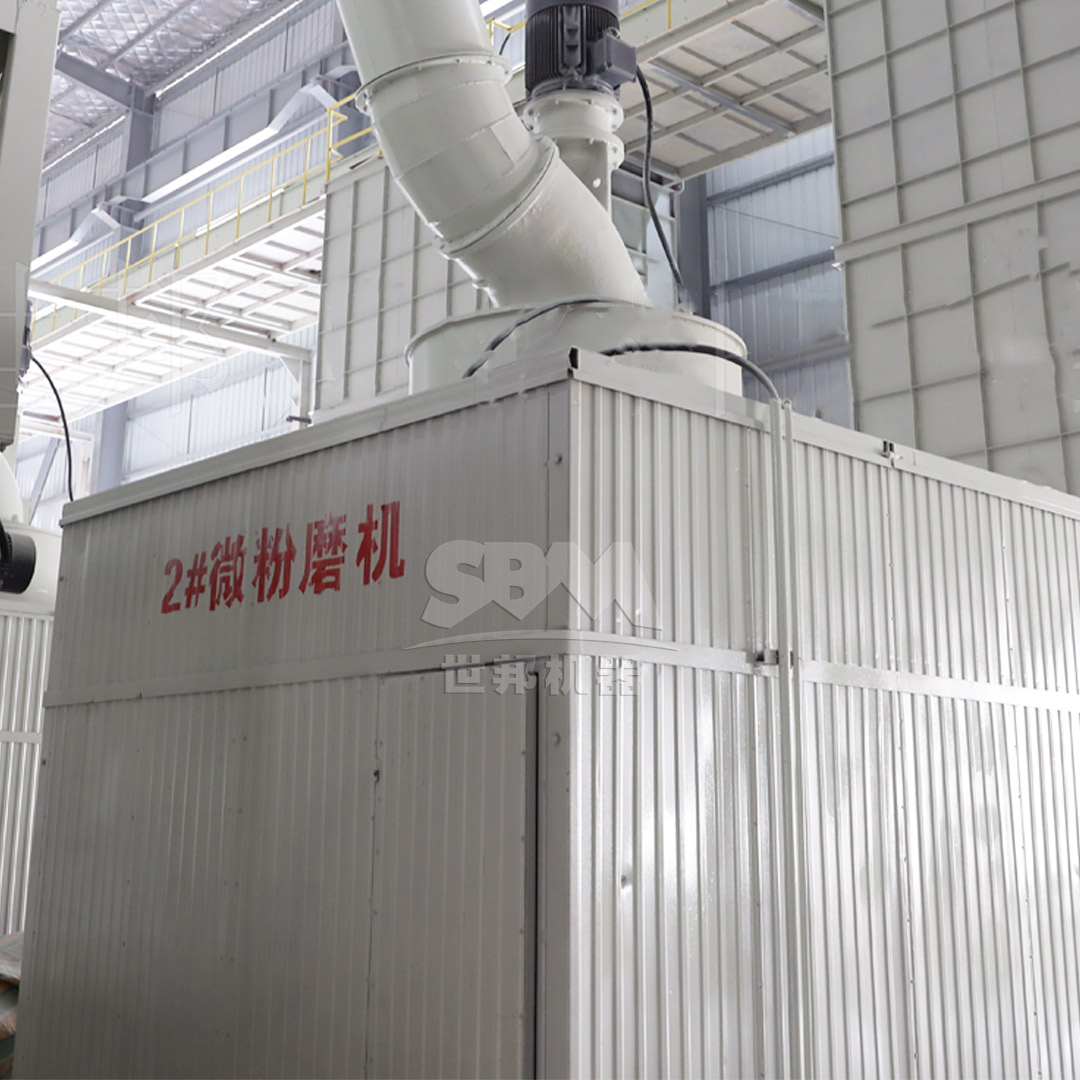
For higher fineness or when you need a narrower particle size distribution, the SCM Series Ultrafine Mill is an excellent option. Although it is capable of grinding down to 2500 mesh, it can be easily adjusted to produce 120 mesh with high precision. Its technical advantages include:
- High efficiency & energy saving: Capacity is twice that of jet mills, with 30% lower energy consumption.
- High-precision classification: Vertical turbine classifier achieves precise particle size cutting, ensuring no coarse powder mixing.
- Durable design: Special material rollers and rings extend service life several times over; shaftless screw grinding chamber ensures stable operation.
- Eco-friendly & low noise: Pulse dust collection efficiency exceeds international standards; soundproof room design ensures low noise levels.
The SCM Series includes models from SCM800 to SCM1680, with capacities from 0.5 to 25 t/h. For a 120 mesh product, the SCM800 model with a capacity of 0.5-4.5 t/h and main power of 75 kW is suitable for small to medium-scale operations. Its intelligent control with automatic finished product granularity feedback ensures consistent quality.
Comparison and Selection Guidance
When choosing between the MTW and SCM series, consider the following:
- Capacity: If you need a capacity above 10 t/h, the MTW series (especially larger models) is more appropriate. For smaller capacities, both series offer suitable options.
- Fineness flexibility: If you plan to produce a range of products from coarse to fine, the MTW series offers good flexibility up to 325 mesh. If you need ultra-fine products in the future, the SCM series can go down to 2500 mesh.
- Space and installation: The MTW series has a relatively compact footprint, while the SCM series may require more height due to its classification system. Consider your site constraints.
- Investment cost: Generally, the MTW series is more cost-effective for 120 mesh production, while the SCM series commands a higher price due to its ultrafine capabilities.
Both mills are equipped with advanced dust collection and automation, ensuring environmental compliance and stable operation.
Installation and Maintenance Tips
Proper installation and maintenance are crucial for long-term performance:
- Ensure a firm foundation to minimize vibration.
- Follow the lubrication schedule strictly, especially for the grinding rollers and classifier.
- Regularly inspect wear parts (rollers, rings, shovels) and replace when necessary to maintain fineness and capacity.
- Keep the dust collector in good condition to prevent dust emissions.
- Train operators on the control system to avoid improper adjustments.
Conclusion
Grinding silica stone to 120 mesh requires a mill that can handle abrasive materials, deliver consistent fineness, and operate efficiently. The MTW Series European Trapezium Mill and the SCM Series Ultrafine Mill from our company are both excellent choices, offering durability, precision, and energy efficiency. By considering your specific capacity, fineness requirements, and budget, you can select the model that best fits your needs. For more detailed technical specifications and personalized recommendations, please contact our sales team. We are committed to providing you with the right grinding solution for your silica processing challenges.