Raymond Mill vs Ball Mill: Which One is Better for Your Grinding Needs?
Introduction: The Quest for the Optimal Grinding Solution
In the world of mineral processing, cement production, and fine powder manufacturing, selecting the right grinding equipment is a critical decision that directly impacts productivity, product quality, and operational costs. Two of the most prominent and historically significant machines in this arena are the Raymond Mill (or similar medium-speed roller mills) and the Ball Mill. While both are designed to reduce particle size, their operating principles, performance characteristics, and ideal applications differ significantly. This article provides a comprehensive, professional comparison to guide you in choosing the most suitable technology for your specific grinding needs.
Fundamental Operating Principles: A Tale of Two Mechanisms
Raymond Mill (Roller Mill) Principle
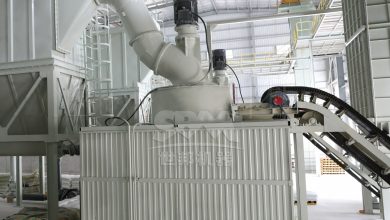
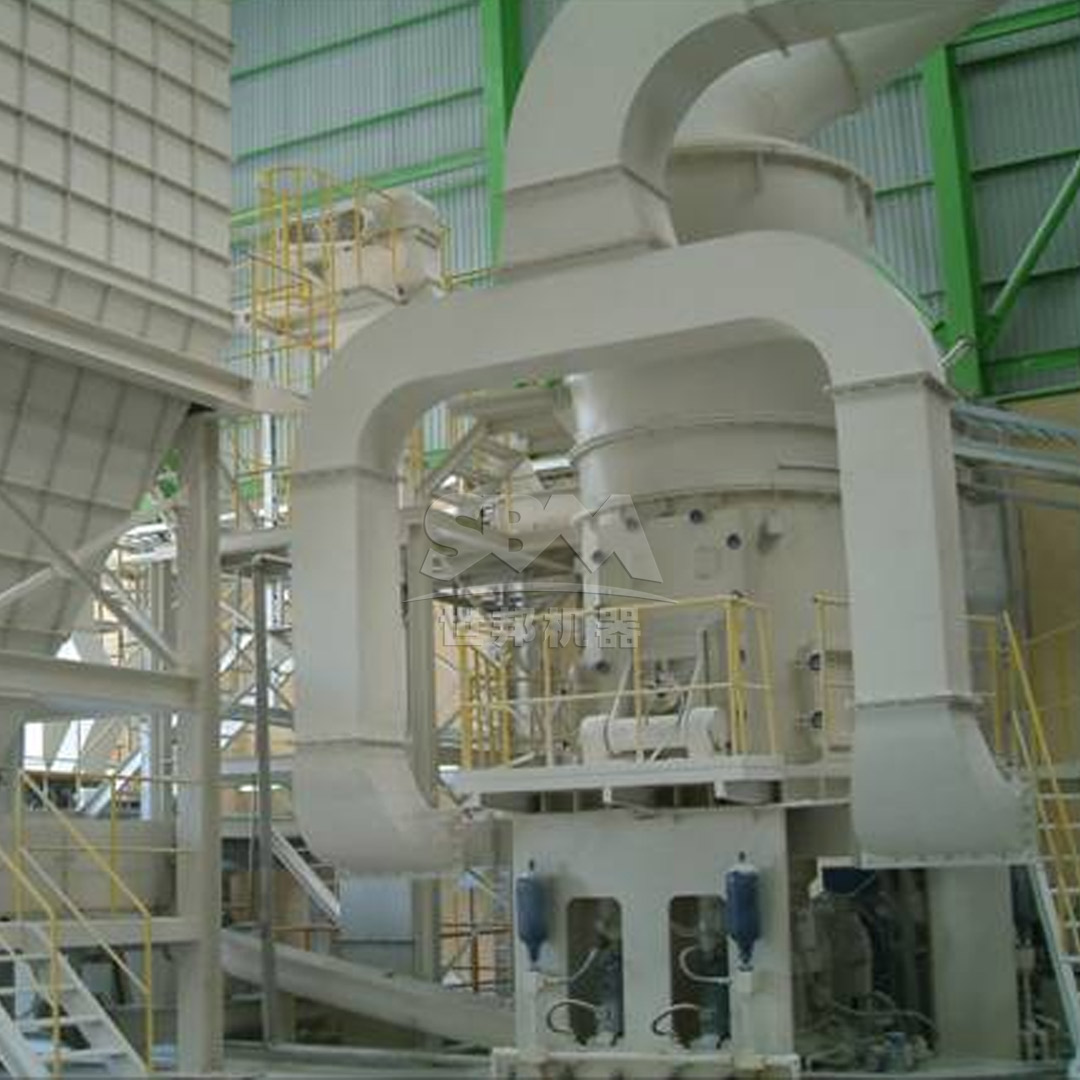
The Raymond Mill, and its modern descendants like trapezium and vertical roller mills, operate on a bed compression principle. Material is fed onto a rotating grinding table or ring. Centrifugal force throws the material under heavy, spring-loaded or hydraulically loaded rollers. The material is crushed and ground primarily by the compressive force exerted by the rollers as they roll over the material bed. A stream of air (or hot gas) carries the ground particles upwards to an integrated classifier. Fine particles meeting the size requirement pass through the classifier and are collected, while coarse particles fall back to the grinding table for further size reduction.
Ball Mill Principle
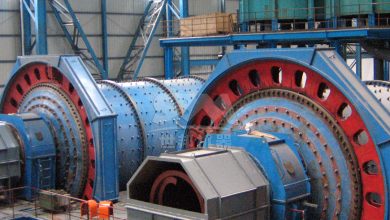
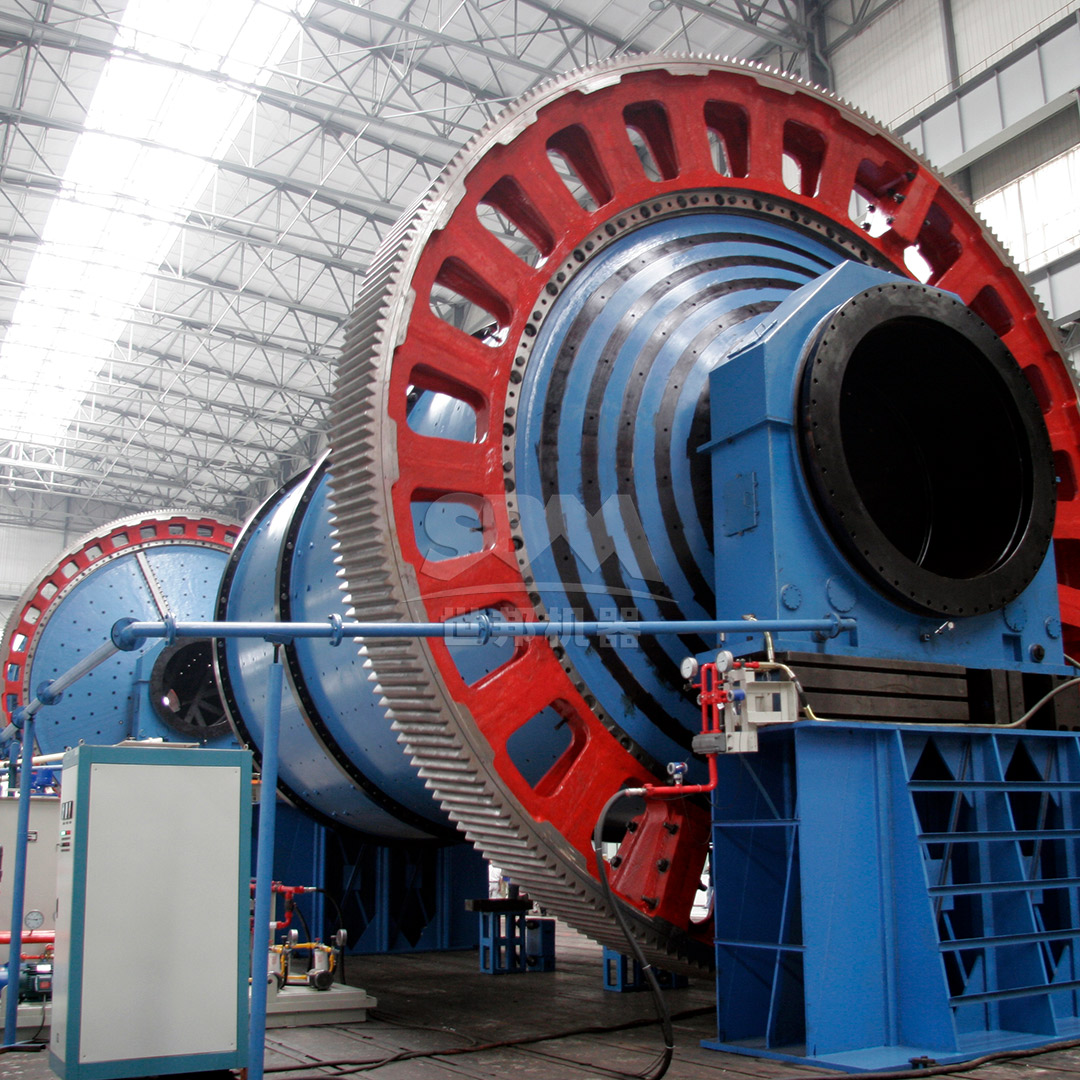
A Ball Mill is a horizontal rotating cylinder (or conical shell) partially filled with grinding media, typically steel balls. As the shell rotates, the balls are lifted by the mill’s lining to a certain height and then cascade down, impacting and abrading the material fed into the mill. Grinding occurs through a combination of impact (from the falling balls) and attrition (rubbing between balls, material, and the liner). The ground product exits through a discharge grate, which retains the grinding media.
Head-to-Head Comparison: Key Performance Factors
| Factor | Raymond Mill / Modern Roller Mills | Ball Mill |
|---|---|---|
| Grinding Mechanism | Bed compression, abrasion | Impact, attrition |
| Energy Efficiency | Generally higher. Energy is directly applied to the material bed, with lower friction loss. Can be 30-50% more efficient than ball mills for fine grinding. | Lower. Significant energy is consumed in rotating the heavy drum and lifting the grinding media, with heat and noise as major by-products. |
| Particle Size Range | Excellent for fine to ultra-fine grinding (e.g., 325 mesh to 2500 mesh/45-5μm). Modern classifiers offer precise cuts. | Best suited for coarse to medium-fine grinding (e.g., 0.8mm to 0.074mm). Achieving ultra-fine sizes is inefficient. |
| Moisture & Drying | Can integrate drying by using hot air as the transport medium, making it ideal for non-explosive materials with moisture. | Primarily for dry or wet grinding. Drying requires a separate system. |
| Footprint & Installation | Compact, vertical structure. Smaller foundation and building requirements. | Large horizontal footprint. Requires heavy foundations to support the rotating mass. |
| Noise Level | Relatively lower, as the main noise comes from the drive motor and fan. | Very high due to the impact of metal balls against the liner and material. |
| Wear & Maintenance | Wear parts (rollers, table) are large but fewer. Maintenance is periodic and planned. | Wear is distributed across thousands of balls and liners. Media addition is continuous; liner replacement is a major shutdown event. |
| Capital Cost | Often higher for the main unit, but lower auxiliary and civil costs can balance this. | Lower unit cost for the mill itself, but higher costs for drives, foundations, and auxiliary systems. |
Choosing the Right Mill for Your Application
When to Choose a Raymond/Vertical Roller Mill (VRM):
- Fine & Ultra-fine Grinding: For products like limestone for desulfurization, coal powder, barite, calcite, and talc requiring fineness above 325 mesh.
- Integrated Drying: When grinding raw materials with moderate moisture content (e.g., raw cement meal, slag).
- Space & Energy Constraints: Where plant space is limited and energy costs are a primary concern.
- Modern Cement Plants: VRMs are now the dominant technology for raw meal, coal, and slag grinding due to their superior efficiency.
When to Choose a Ball Mill:
- Coarse Grinding & High Capacity: Primary grinding in mining operations (ball mills as secondary/regrind mills are being replaced).
- Wet Grinding: Remains the undisputed leader for wet process grinding in mineral beneficiation, ceramics, and paint industries.
- Extreme Abrasiveness: For some highly abrasive ores where the simple, robust design of a ball mill is advantageous, despite higher wear costs.
- Simplicity & Proven Technology: In contexts where operational familiarity and lower technical complexity are prioritized.
Our Recommended Solutions: Bridging the Performance Gap
Understanding that the “best” mill is the one that perfectly matches your material, target fineness, and production goals, we offer advanced solutions that embody the strengths of modern roller mill technology.
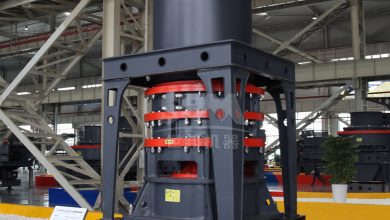
1. For Ultra-Fine Grinding Needs: SCM Series Ultrafine Mill
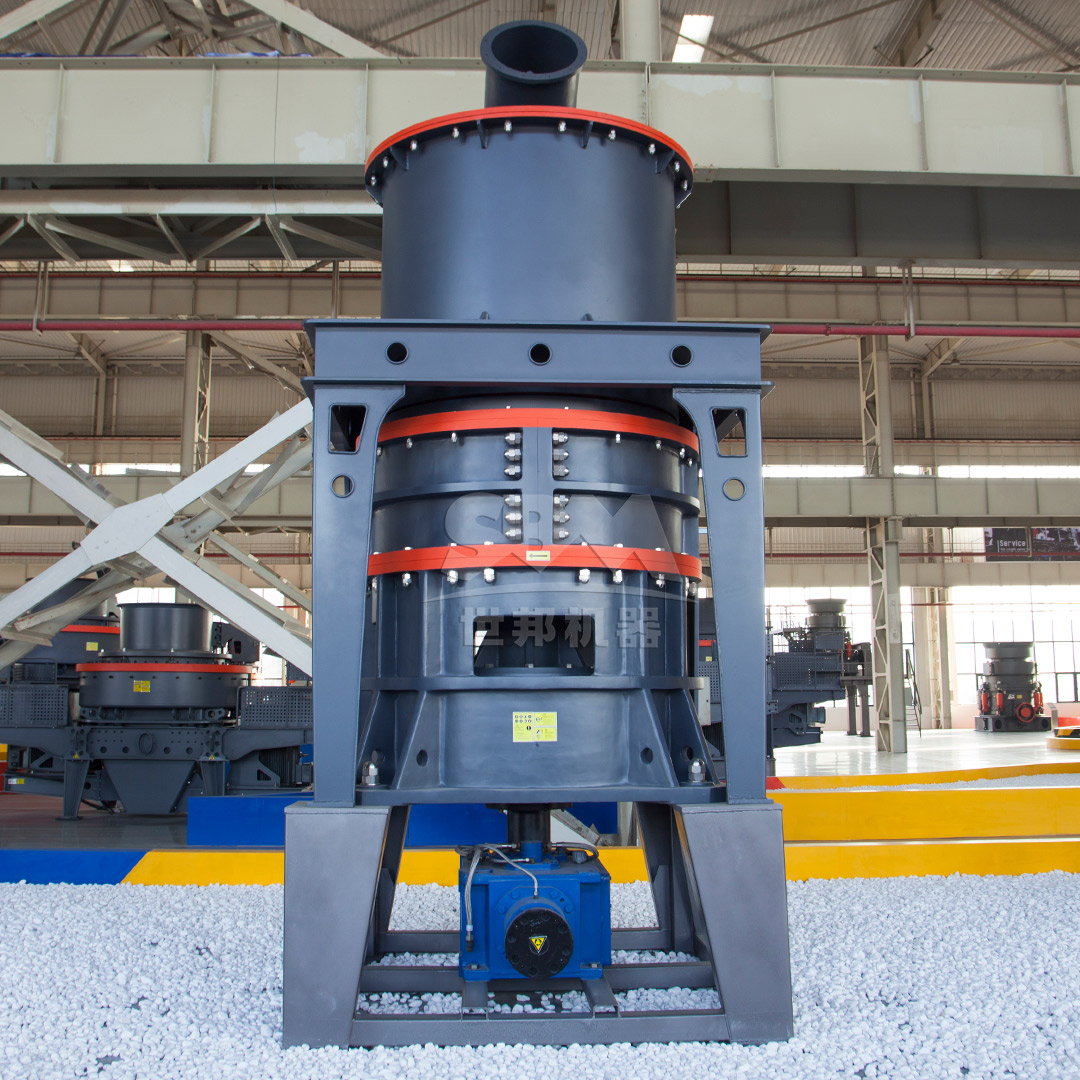
When your application demands fineness in the 325-2500 mesh (45-5μm) range, the choice becomes clear. Our SCM Series Ultrafine Mill is engineered to excel precisely in this domain. It transcends the limitations of traditional Raymond mills and is vastly more efficient than ball mills for ultra-fine production.
Key advantages that make it the superior choice include:
- Unmatched Efficiency: With a capacity 2x that of jet mills and energy consumption 30% lower, it sets a new benchmark for economical ultra-fine powder production.
- Precision Classification: Its vertical turbine classifier ensures a sharp particle size cut, eliminating coarse powder mixing and delivering a uniformly fine end product.
- Robust & Eco-friendly Design: Featuring special material rollers and rings for extended service life and a pulse dust collection system with efficiency exceeding international standards, it combines durability with environmental responsibility.
Whether you are processing calcium carbonate, kaolin, graphite, or other non-metallic minerals, models like the SCM1250 (2.5-14t/h, up to 2500 mesh) provide the perfect blend of high output, exceptional fineness, and operational reliability.
2. For High-Capacity Fine Grinding: MTW Series European Trapezium Mill
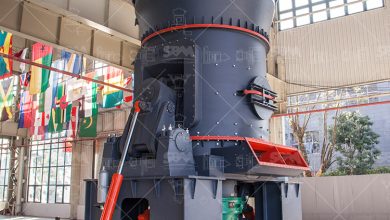
For applications requiring high-volume production in the 30-325 mesh range—such as power plant desulfurization, large-scale non-metallic mineral processing, or industrial filler production—our MTW Series European Trapezium Mill is the optimal workhorse. It represents the evolution of the classic Raymond mill, addressing its historical limitations.
This series stands out due to:
- Advanced Drive & Durability: An integral bevel gear drive achieves 98% transmission efficiency, saving energy and space. Its anti-wear shovel and curved roller design drastically reduce maintenance costs.
- Optimized Airflow & Structure: The arc air duct and wear-resistant volute structure minimize energy loss and improve classification efficiency, contributing to stable, high-capacity operation.
- Proven High Output: With models like the MTW215G offering capacities from 15 to 45 tons per hour, it reliably meets the demands of large-scale industrial projects where both fineness and throughput are critical.
Conclusion: A Clear Path Forward
The debate between Raymond/Roller mills and Ball Mills is not about one being universally better than the other; it is about context. For the majority of modern industrial applications targeting fine to ultra-fine powders, roller mill technology (exemplified by our SCM and MTW series) offers decisive advantages in energy efficiency, product fineness control, drying capability, and environmental footprint.
Ball Mills retain their role in specific niches like wet grinding and certain coarse processing stages. However, for operators seeking to reduce operating costs, improve product quality, and embrace more sustainable production methods, the transition to advanced vertical and trapezium roller mills is the clear technological and economic path forward. We recommend a thorough analysis of your material characteristics and production goals, and our technical team is ready to help you select the perfect mill from our range to optimize your grinding process.