How Many Tons Per Hour Can a 5R Raymond Mill Produce for Stone Powder?
Introduction: Understanding the 5R Raymond Mill
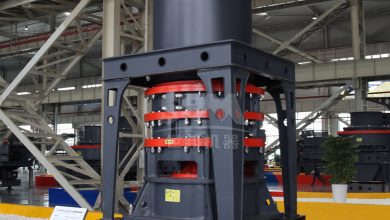
The term “5R Raymond Mill” refers to a specific configuration of the classic pendulum roller mill, where “R” denotes the number of grinding rollers. A 5R mill is equipped with five grinding rollers, making it a mid-to-large size model within the Raymond mill family, often sought after for its balance between capacity and fineness control in producing stone powder. This article delves into the factors influencing the hourly output of a 5R Raymond Mill for stone powder applications and explores modern, high-efficiency alternatives.
Factors Determining the Production Capacity
The theoretical capacity of a 5R Raymond Mill is not a fixed number but a range influenced by several critical variables:
1. Material Characteristics
- Hardness (Mohs Scale): Softer materials like calcite or talc allow for higher throughput compared to harder stones like quartz or feldspar.
- Moisture Content: High moisture can lead to clogging and requires more energy for drying, reducing effective grinding capacity.
- Feed Size: The mill operates most efficiently with a consistent feed size, typically under 30mm. Larger chunks require more grinding passes.
2. Desired Product Fineness
This is the most significant factor. There is an inverse relationship between output fineness and production rate. Producing coarse powder (e.g., 80-100 mesh) allows for a much higher tonnage per hour than producing ultra-fine powder (e.g., 325 mesh or finer). A 5R mill might produce 15-25 tons per hour for 100-mesh powder but only 3-8 tons per hour for 325-mesh powder from medium-hard stone.
3. System Configuration and Wear
- Classifier Efficiency: An integrated, high-precision classifier is crucial for separating qualified fine powder and returning coarse material.
- Grinding Element Wear: Worn rollers and grinding rings significantly reduce grinding efficiency and output.
- Auxiliary Equipment: The capacity of the feeder, fan, and dust collector must match the mill’s potential to avoid bottlenecks.
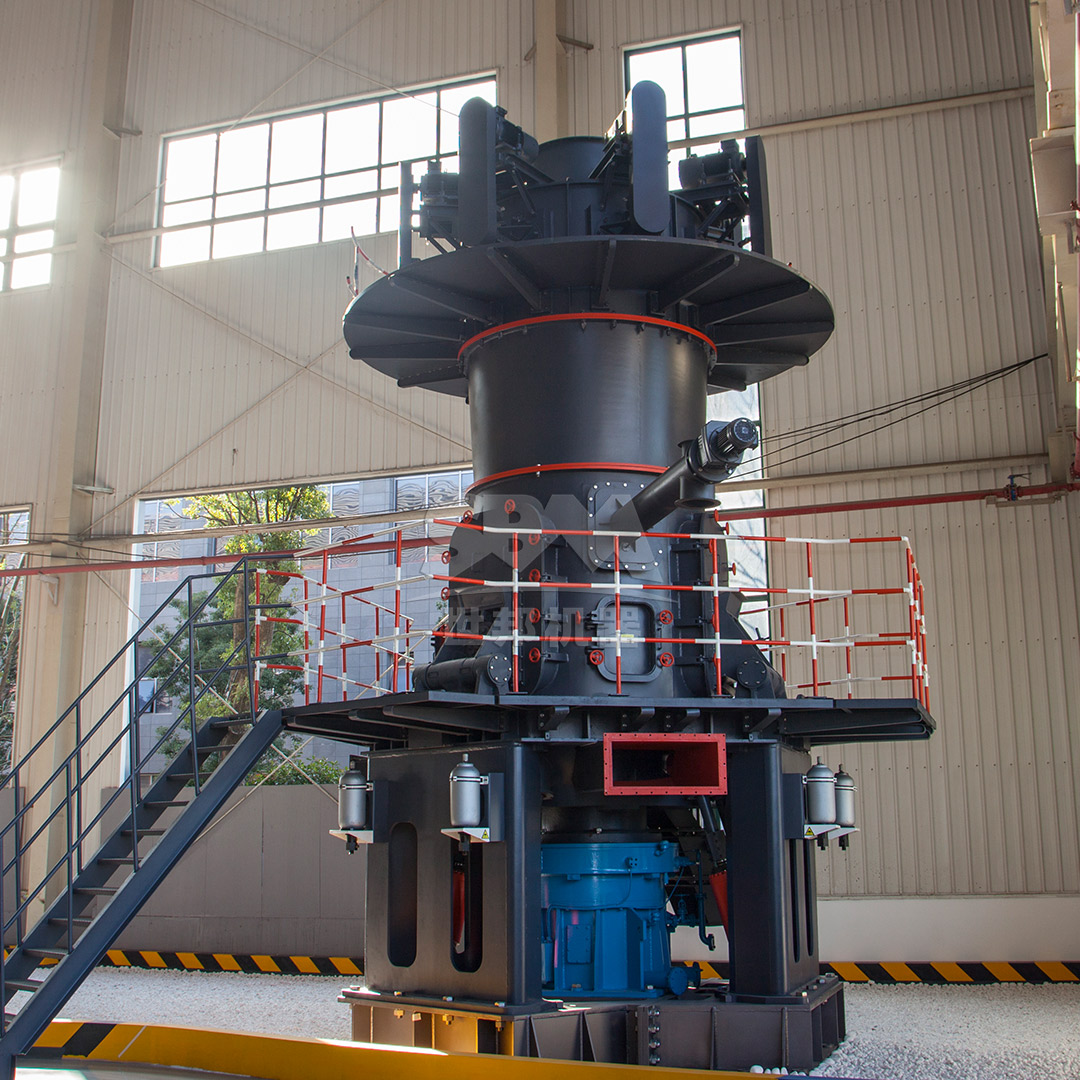
The Modern Benchmark: Beyond Traditional 5R Capacity
While traditional 5R Raymond Mills serve specific markets, contemporary grinding technology has evolved to offer superior performance in energy efficiency, capacity, and fineness range. For projects requiring high output of fine stone powder, newer mill designs are overwhelmingly more advantageous.
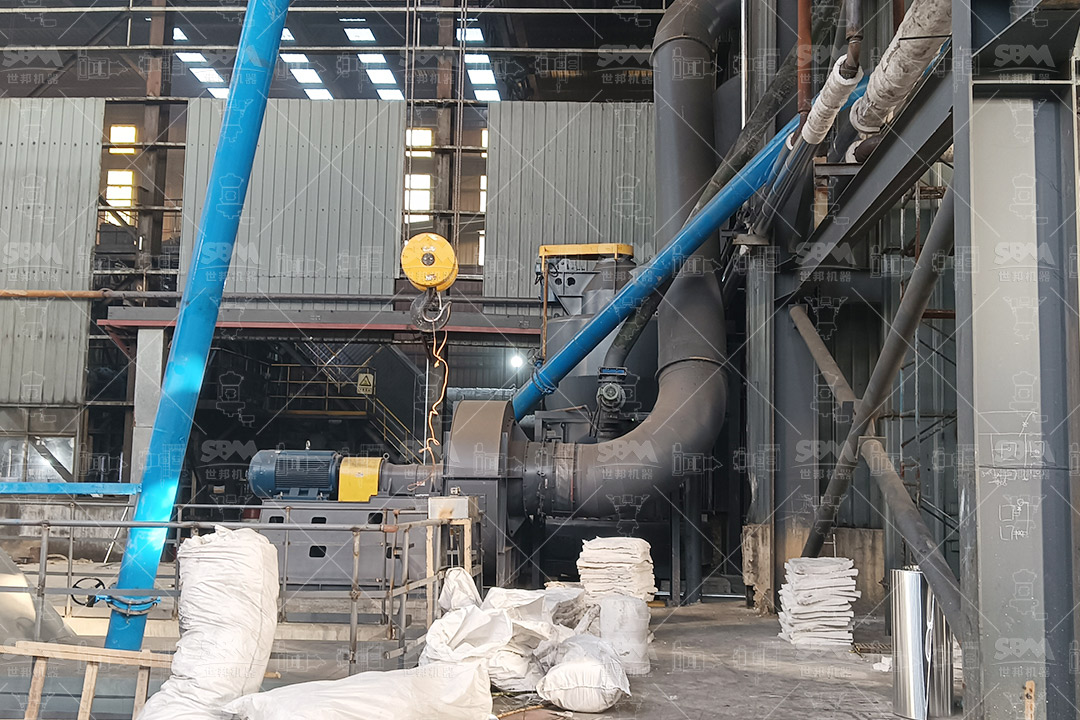
Recommended Solution: MTW Series European Trapezium Mill
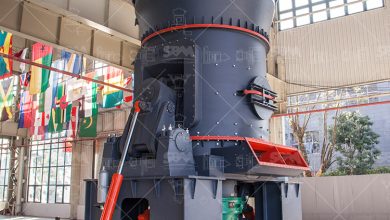
For clients seeking high capacity in the coarse to medium-fineness range (30-325 mesh), our MTW Series European Trapezium Mill is an exceptional choice. It represents a generational leap from the old Raymond mill design.
- Superior Capacity: With models like the MTW215G offering capacities from 15 to 45 tons per hour, it far exceeds the output of a standard 5R mill, especially for products between 100-325 mesh.
- Advanced Technical Features: Its integral bevel gear drive achieves 98% transmission efficiency, saving energy. The anti-wear shovel design and optimized arc air duct reduce maintenance costs and improve airflow, directly boosting productivity.
- Wider Feed Size: It can handle feed material up to 50mm, offering more flexibility in upstream crushing circuit design.
Pushing the Limits of Fineness and Efficiency
When the project demands ultra-fine stone powder (400 mesh to 2500+ mesh), traditional roller mills, including 5R models, reach their technological and economic limits. Here, a different grinding principle is required.
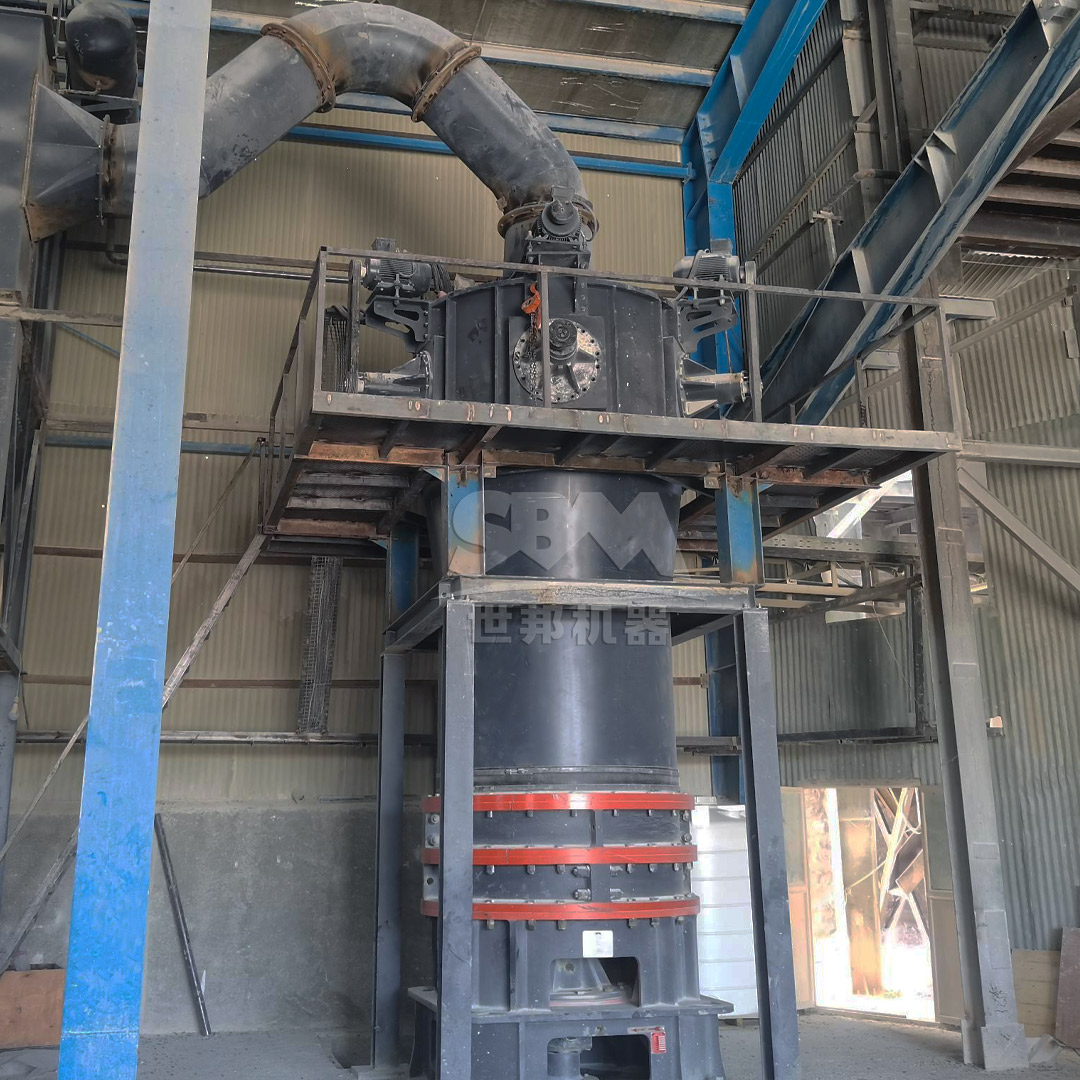
Recommended Solution: SCM Series Ultrafine Mill
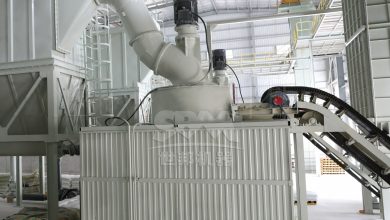
For producing high-value, ultra-fine stone powder, our flagship SCM Series Ultrafine Mill is the industry benchmark. It is engineered specifically for high-output, superfine grinding applications.
- Exceptional Fineness & Output: It can produce powder from 325 mesh up to 2500 mesh (5μm). The SCM1680 model delivers 5.0 to 25 tons per hour in this ultra-fine range, a capacity unattainable by pendulum mills.
- Unmatched Efficiency: The mill’s design provides a capacity over 2x that of jet mills while consuming approximately 30% less energy. Its high-precision vertical turbine classifier ensures no coarse powder mixing, guaranteeing product uniformity.
- Durability and Eco-Friendliness: Special material rollers and rings extend service life significantly. The system features a pulse dust collector with efficiency exceeding international standards and a soundproof room design for quiet operation.
The working principle involves materials being crushed by roller pressure on three layers of grinding rings and then classified with extreme precision, making it ideal for advanced industries like high-grade plastics, paints, and functional fillers.
Conclusion: Making the Right Choice for Your Output Needs
So, how many tons per hour can a 5R Raymond Mill produce? For medium-hard stone like limestone aiming for 200-mesh powder, a realistic output range is typically 5 to 12 tons per hour, heavily dependent on the specific conditions mentioned earlier.
However, the more pertinent question for modern operations is: What is the most efficient and profitable mill for my target capacity and fineness? For high-volume production of fine powder, the MTW European Trapezium Mill offers robust, energy-saving performance. For venturing into the high-value ultra-fine powder market, the SCM Ultrafine Mill provides unparalleled capability and efficiency.
Investing in contemporary grinding technology not only secures your required hourly tonnage but also future-proofs your operation through lower operating costs, higher product quality, and improved environmental compliance. We recommend a thorough analysis of your raw material, target product specifications, and total cost of ownership to select the optimal grinding solution.