
Application of Graphite Powder Grinding Mill in Anode Material Market
Introduction
The anode material market, driven by the rapid expansion of the electric vehicle (EV) and energy storage industries, is experiencing unprecedented growth. Graphite, as the dominant anode material for lithium-ion batteries, requires precise processing to achieve the optimal particle size, morphology, and purity necessary for high-performance battery cells. Graphite powder grinding mills play a pivotal role in this value chain, transforming raw graphite into ultrafine powders with controlled characteristics. This article explores the technical requirements of graphite powder for anode materials and how advanced grinding technologies, such as those offered by our company, meet these demanding specifications.
Graphite in Anode Materials: Key Requirements
Natural and synthetic graphite are the primary anode materials due to their high theoretical capacity, low cost, and stable cycling performance. However, to maximize battery efficiency, graphite must be processed into a fine powder with specific properties:
- Particle Size Distribution (PSD): Typically, anode graphite requires a D50 between 10-20 μm, with a narrow distribution to ensure uniform lithiation and prevent dendrite formation.
- Particle Morphology: Spherical or near-spherical particles are preferred for high tap density and good rate capability. Grinding mills must minimize flakiness and produce rounded shapes.
- Purity: Contaminants such as iron and other metals must be strictly controlled. Grinding equipment should avoid wear-induced contamination.
- Specific Surface Area (SSA): A moderate SSA (typically 1-10 m²/g) is essential for electrolyte wetting and SEI formation.
These requirements demand grinding solutions that offer precision, efficiency, and contamination-free operation. Traditional ball mills often fall short, leading to excessive fines, irregular shapes, and high energy consumption. Advanced ultrafine mills and vertical roller mills are better suited for anode graphite processing.
Grinding Technologies for Graphite Anode Materials
Ultrafine Grinding: The SCM Series Ultrafine Mill
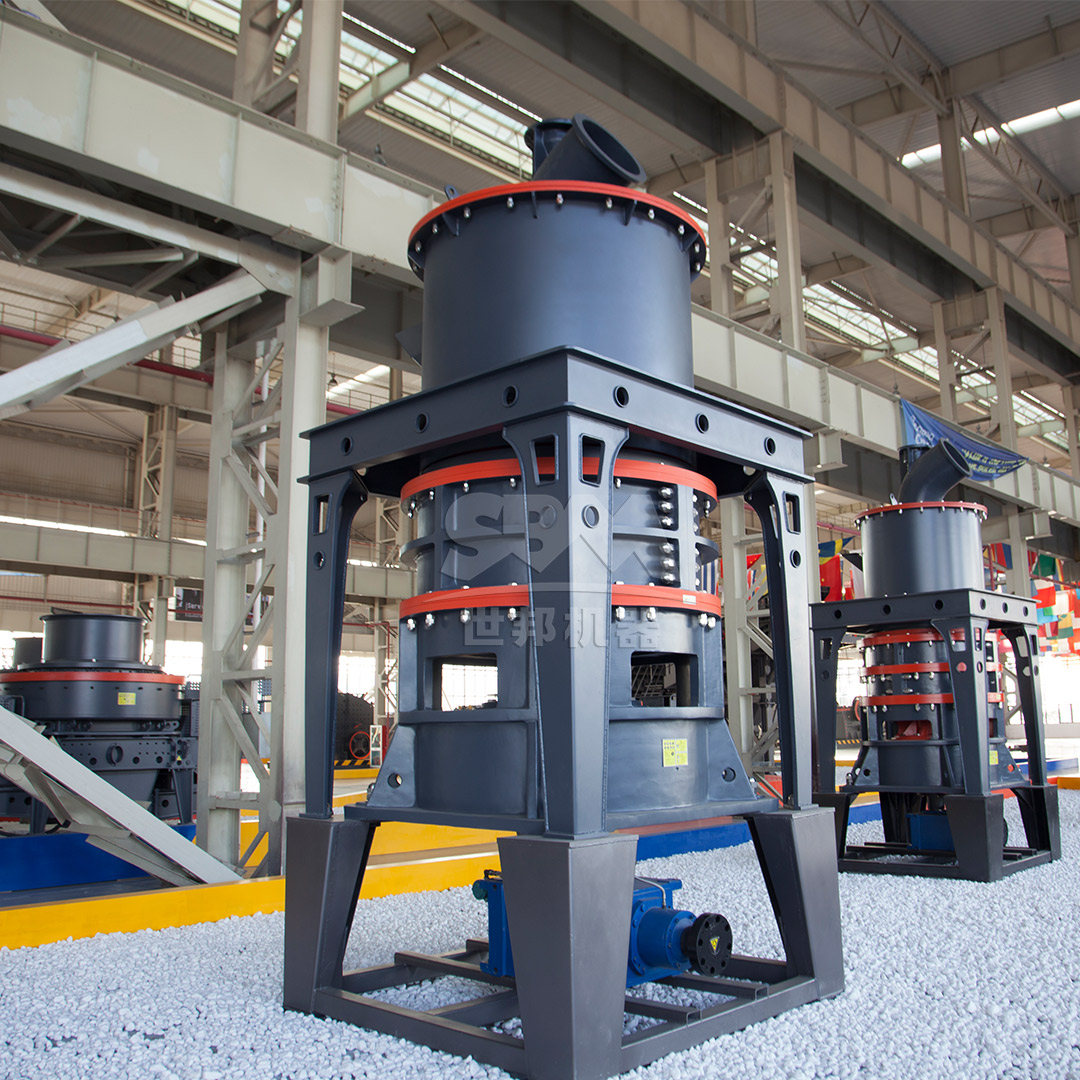
For high-end anode applications, ultrafine grinding is critical. The SCM Series Ultrafine Mill from our company is engineered to deliver exceptional performance in graphite processing. With an output fineness adjustable from 325 to 2500 mesh (45-5 μm), this mill ensures precise particle size control. Its high-efficiency turbine classifier achieves sharp particle size cutting without coarse powder mixing, resulting in a uniform product ideal for anode materials.
The SCM mill’s capacity is twice that of jet mills, while energy consumption is 30% lower. This translates to significant cost savings in large-scale production. The intelligent control system with automatic granularity feedback ensures consistent quality. Additionally, the durable design featuring special material rollers and rings minimizes wear and contamination, extending service life. The shaftless screw grinding chamber ensures stable operation and easy maintenance. For graphite anode producers seeking ultrafine powder, the SCM800 or SCM900 models (capacity 0.5-6.5 t/h) are excellent choices for pilot to medium-scale production, while the SCM1250 or SCM1680 models (capacity up to 25 t/h) suit large-scale operations.
Versatile Grinding: The MTW Series European Trapezium Mill
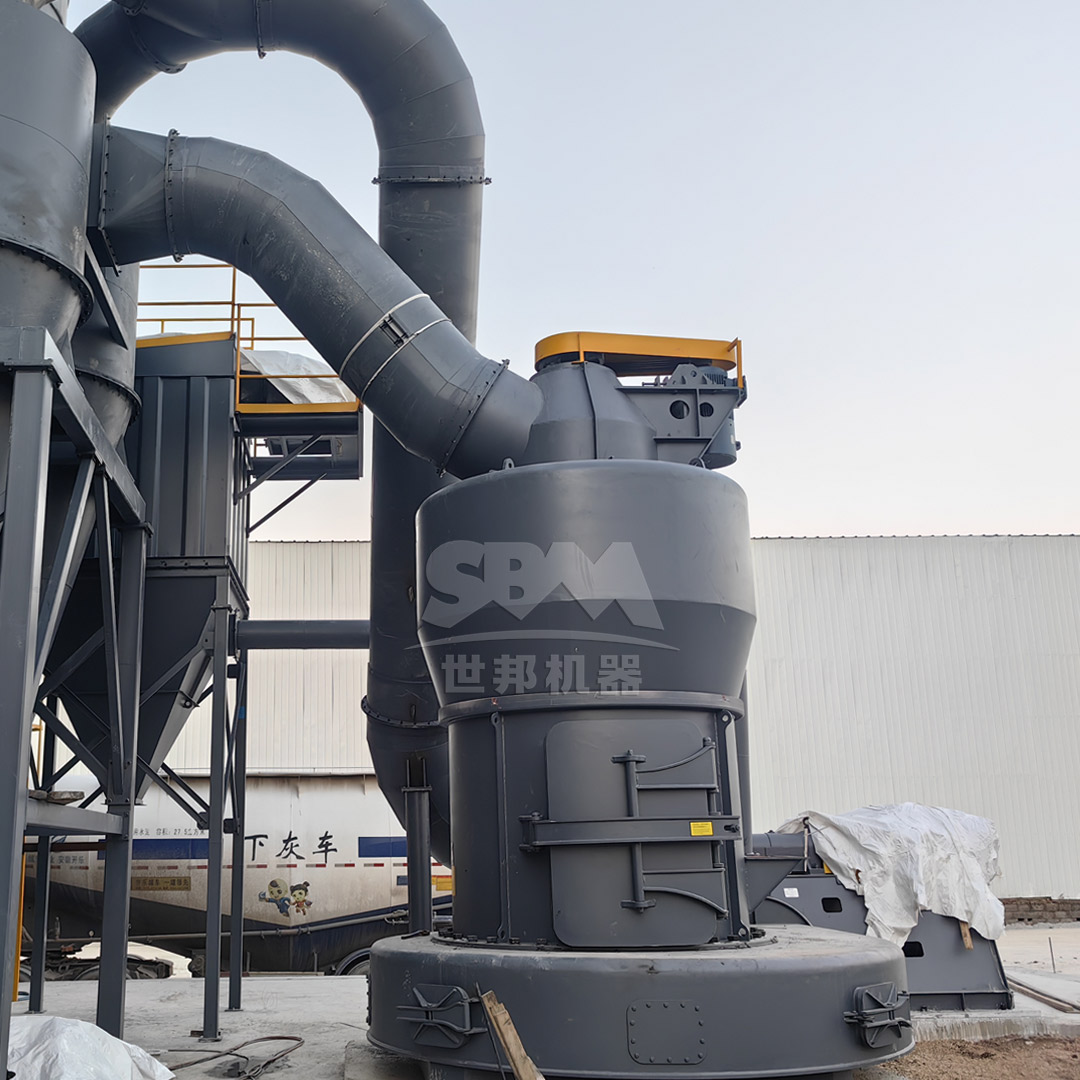
While ultrafine grinding is essential for certain anode specifications, some applications require a broader particle size range or higher throughput. The MTW Series European Trapezium Mill offers a versatile solution with output fineness from 30 to 325 mesh (down to 0.038mm) and capacities from 3 to 45 t/h. Its anti-wear shovel design and curved grinding rollers reduce maintenance costs and extend roller life, which is crucial when processing abrasive graphite.
The optimized arc air duct reduces energy loss and improves transmission efficiency, while the integral bevel gear drive achieves 98% transmission efficiency. The wear-resistant volute structure further reduces maintenance costs by 30%. For graphite anode producers needing a reliable, high-capacity mill with good control over particle size, the MTW138Z (6-17 t/h) or MTW175G (9.5-25 t/h) models are particularly suitable. These mills can handle both natural and synthetic graphite, delivering consistent performance and low operating costs.
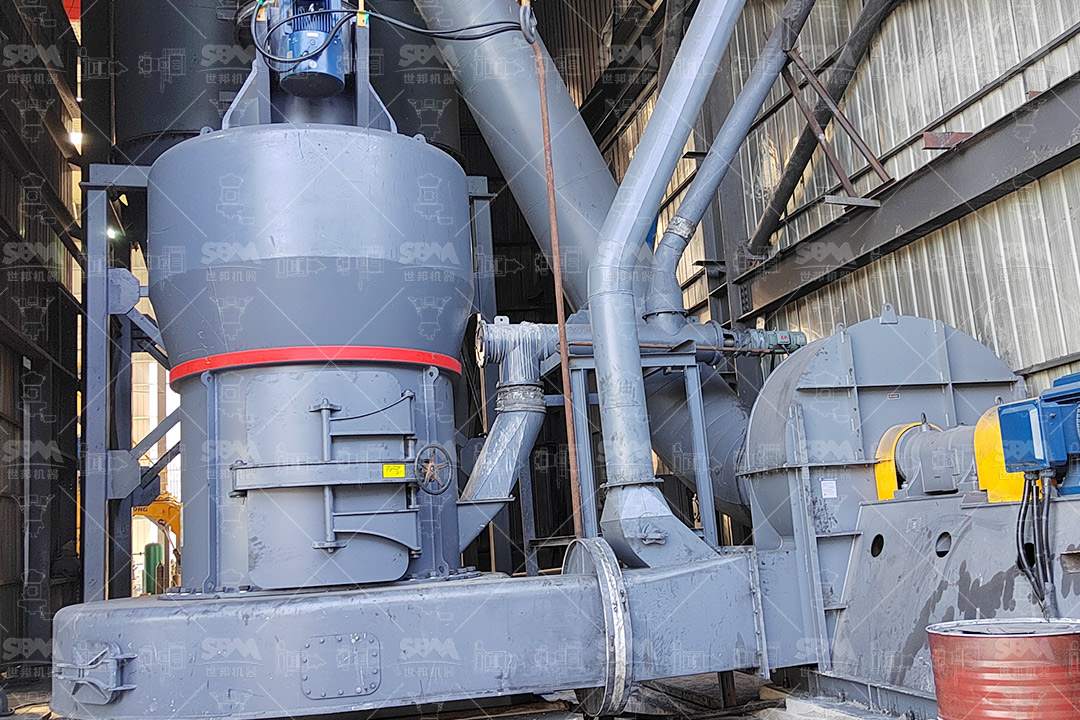
Application Case: Graphite Anode Production Line
In a typical graphite anode production line, raw graphite (after purification) is first crushed by a hammer mill to 0-3 mm. The crushed material is then fed into a grinding mill for fine grinding. For ultrafine grades, the SCM Series Ultrafine Mill is employed to achieve D50 around 10 μm. The mill’s precise classification ensures minimal oversize particles, which is critical for battery performance. For larger volumes or coarser grades, the MTW Series Mill provides efficient grinding with lower energy consumption.
Our company’s grinding mills are equipped with pulse dust collection systems that exceed international standards, ensuring a clean working environment. The soundproof design reduces noise levels, complying with environmental regulations. Furthermore, the intelligent control systems allow remote monitoring and adjustment, reducing manual intervention and ensuring stable product quality.
Why Choose Our Grinding Mills for Graphite Anode Materials?
- Proven Technology: Our mills incorporate patented technologies such as the vertical turbine classifier, anti-wear shovel design, and internal suction oil lubrication system, ensuring reliable and efficient operation.
- Energy Efficiency: Compared to traditional ball mills, our vertical mills and ultrafine mills reduce energy consumption by 30-40%, lowering production costs and carbon footprint.
- Product Quality: Precise particle size control and uniform particle shape enhance the electrochemical performance of graphite anodes.
- Environmental Compliance: Dust collection and noise reduction features meet stringent environmental standards.
- Scalability: From laboratory-scale to large-scale production, our diverse model range (SCM, MTW, LM, LUM, etc.) caters to various capacity requirements.
Conclusion
The anode material market demands high-quality graphite powder with precise specifications. Advanced grinding mills are essential to achieve the required fineness, morphology, and purity. Our company’s SCM Series Ultrafine Mill and MTW Series European Trapezium Mill offer superior performance, energy efficiency, and reliability for graphite processing. By leveraging these technologies, graphite anode producers can enhance product quality, reduce costs, and meet the growing demand for high-performance lithium-ion batteries. As the EV market continues to expand, investing in efficient and precise grinding solutions will be key to maintaining a competitive edge.
For more information on our graphite grinding solutions, please contact our technical team.