
What Are the Types of Graphite and How to Grind Graphite into Powder?
Introduction to Graphite
Graphite is a naturally occurring form of carbon with a unique layered structure that gives it exceptional properties: high electrical and thermal conductivity, lubricity, chemical inertness, and resistance to high temperatures. These characteristics make graphite indispensable in industries ranging from steelmaking and batteries to lubricants and nuclear reactors. Understanding the types of graphite and the methods to grind it into powder is essential for optimizing its use in various applications.
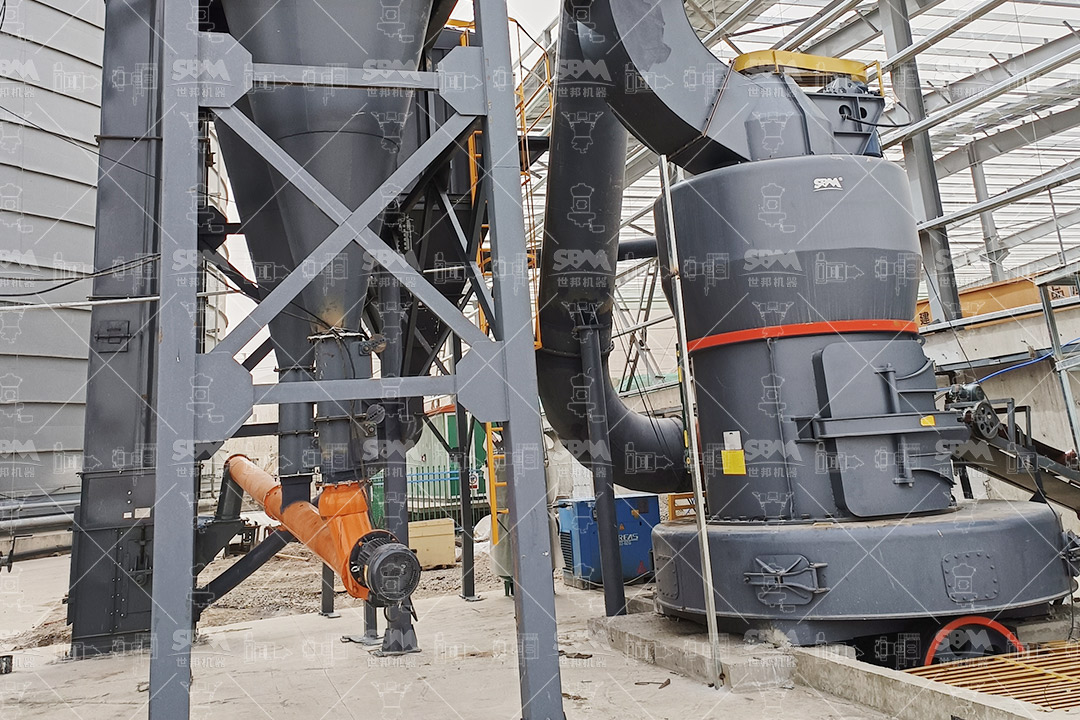
Types of Graphite
Graphite can be broadly classified into two main categories: natural and synthetic. Each category has distinct subtypes with specific properties and applications.
Natural Graphite
Natural graphite is mined from deposits and is further divided into three commercial types:
- Flake Graphite: Characterized by a flaky, plate-like structure, flake graphite exhibits high crystallinity and excellent electrical conductivity. It is widely used in lithium-ion battery anodes, lubricants, and refractory materials. Flake size and purity are critical quality parameters.
- Amorphous Graphite: Despite its name, amorphous graphite has a microcrystalline structure. It is lower in purity and crystallinity compared to flake graphite, making it suitable for lower-cost applications such as foundry facings, pencils, and lubricants.
- Vein (Lump) Graphite: This high-purity, high-crystallinity graphite occurs in veins and is prized for specialty applications like nuclear reactors and high-temperature crucibles. However, global reserves are limited.
Synthetic Graphite
Synthetic graphite is produced from carbon precursors such as petroleum coke or coal tar pitch through high-temperature graphitization. It offers higher purity and more consistent properties than natural graphite. Key types include:
- Primary Synthetic Graphite: Made from high-purity carbon sources, used in batteries, electrodes, and specialty applications.
- Secondary Synthetic Graphite: Derived from recycled materials such as spent pot liners from aluminum smelting, often used in lower-end applications.
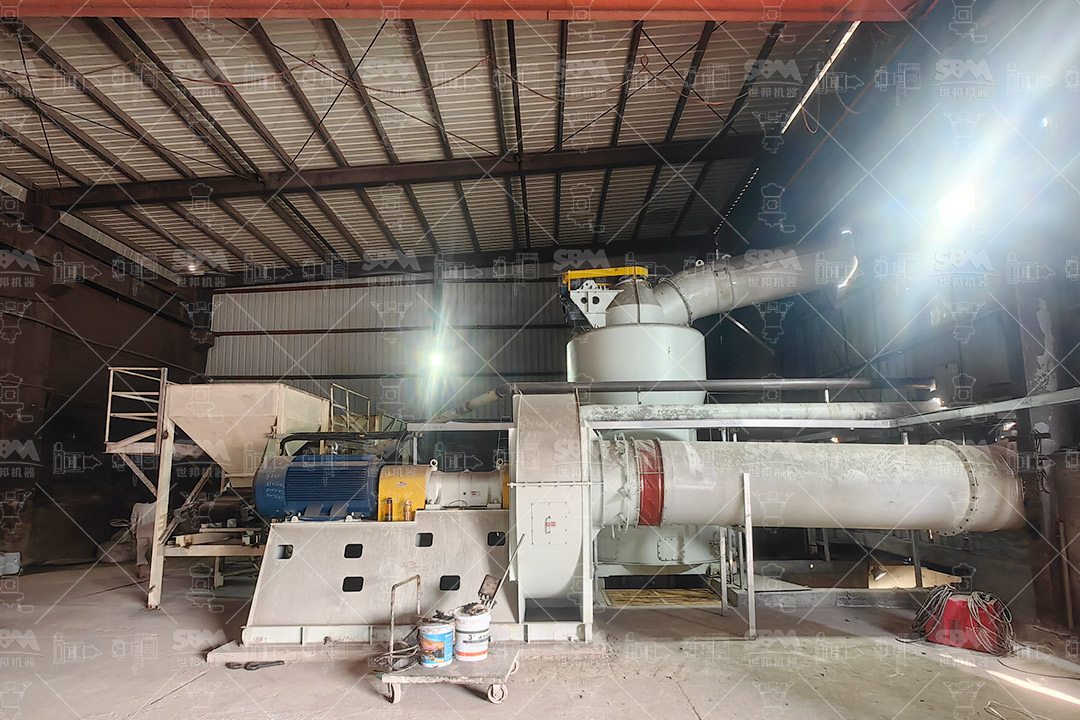
Why Grind Graphite into Powder?
Grinding graphite into fine powder is essential for many applications. Powdered graphite increases surface area, improves dispersion in composites, enhances lubricity, and enables precise control over particle size distribution. Industries such as battery manufacturing, lubricant production, and powder metallurgy rely on graphite powder with specific fineness levels, often ranging from coarse (100 mesh) to ultrafine (2500 mesh or finer).
How to Grind Graphite into Powder
The grinding process depends on the required fineness, throughput, and the type of graphite. Generally, the process involves crushing, grinding, and classification. Below is an overview of the key steps and suitable equipment.
1. Crushing
Raw graphite ore or synthetic graphite blocks are first crushed to a manageable feed size (typically ≤20-50 mm) using jaw crushers or hammer mills. For instance, a hammer mill can reduce graphite to 0-3 mm, preparing it for fine grinding.
2. Grinding and Classification
Fine grinding of graphite requires equipment that can achieve uniform particle size while avoiding contamination. Common mills include:
- Raymond Mills (Pendulum Mills): Suitable for producing 45-325 mesh powders with capacities up to tens of tons per hour. They are cost-effective for medium-fine grinding.
- Ball Mills: Capable of grinding to 0.074-0.8 mm, often used for coarse to medium fine powders. Ball mills are robust but energy-intensive.
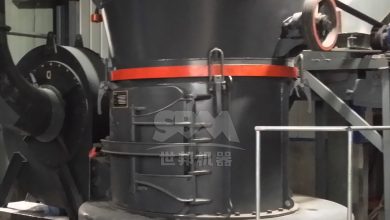
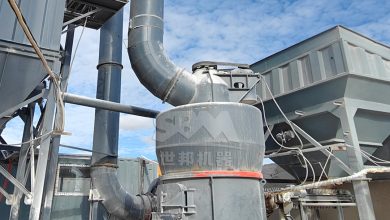
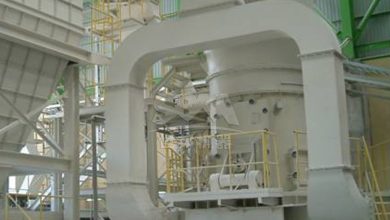
- Vertical Roller Mills: Offer high efficiency for 30-325 mesh, with integrated drying and classification. They are ideal for large-scale production.
- Ultrafine Mills: For demanding applications requiring 325-2500 mesh, jet mills or specialized ultrafine roller mills are used. These achieve narrow particle size distributions and high purity.
Classification is crucial to ensure no coarse particles remain in the final product. Dynamic classifiers or turbine classifiers are integrated into modern mills to achieve precise cut points.
3. Collection and Dust Control
Grinding graphite generates dust, so pulse dust collection systems are essential to maintain a clean environment and recover fine particles. Negative pressure operation prevents dust leakage.
Recommended Equipment for Graphite Grinding
To achieve efficient and precise graphite powder production, selecting the right mill is critical. Based on our extensive experience in powder processing, we recommend two outstanding products from our lineup: the SCM Series Ultrafine Mill and the MTW Series European Trapezium Mill.
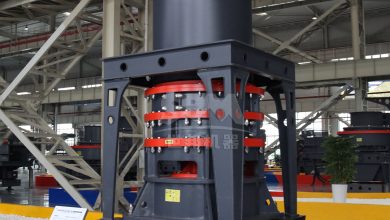
SCM Series Ultrafine Mill: Precision Grinding to 2500 Mesh
The SCM Series Ultrafine Mill is specifically designed for ultrafine powder production. With an output fineness adjustable from 325 to 2500 mesh (45-5 μm), it is ideal for high-end graphite applications such as battery anode materials and conductive additives. Key advantages include:
- High Efficiency & Energy Saving: Capacity is twice that of jet mills, with 30% lower energy consumption. Intelligent control with automatic finished product granularity feedback ensures consistent quality.
- High-Precision Classification: The vertical turbine classifier achieves precise particle size cutting, preventing coarse powder mixing and ensuring uniform finished products.
- Durable Design: Special material rollers and rings extend service life several times over, while the shaftless screw grinding chamber ensures stable operation.
- Eco-friendly & Low Noise: Pulse dust collection efficiency exceeds international standards, and soundproof room design minimizes noise.
Available models include SCM800 (0.5-4.5 t/h), SCM900 (0.8-6.5 t/h), SCM1000 (1.0-8.5 t/h), SCM1250 (2.5-14 t/h), and SCM1680 (5.0-25 t/h), covering a wide range of production scales.
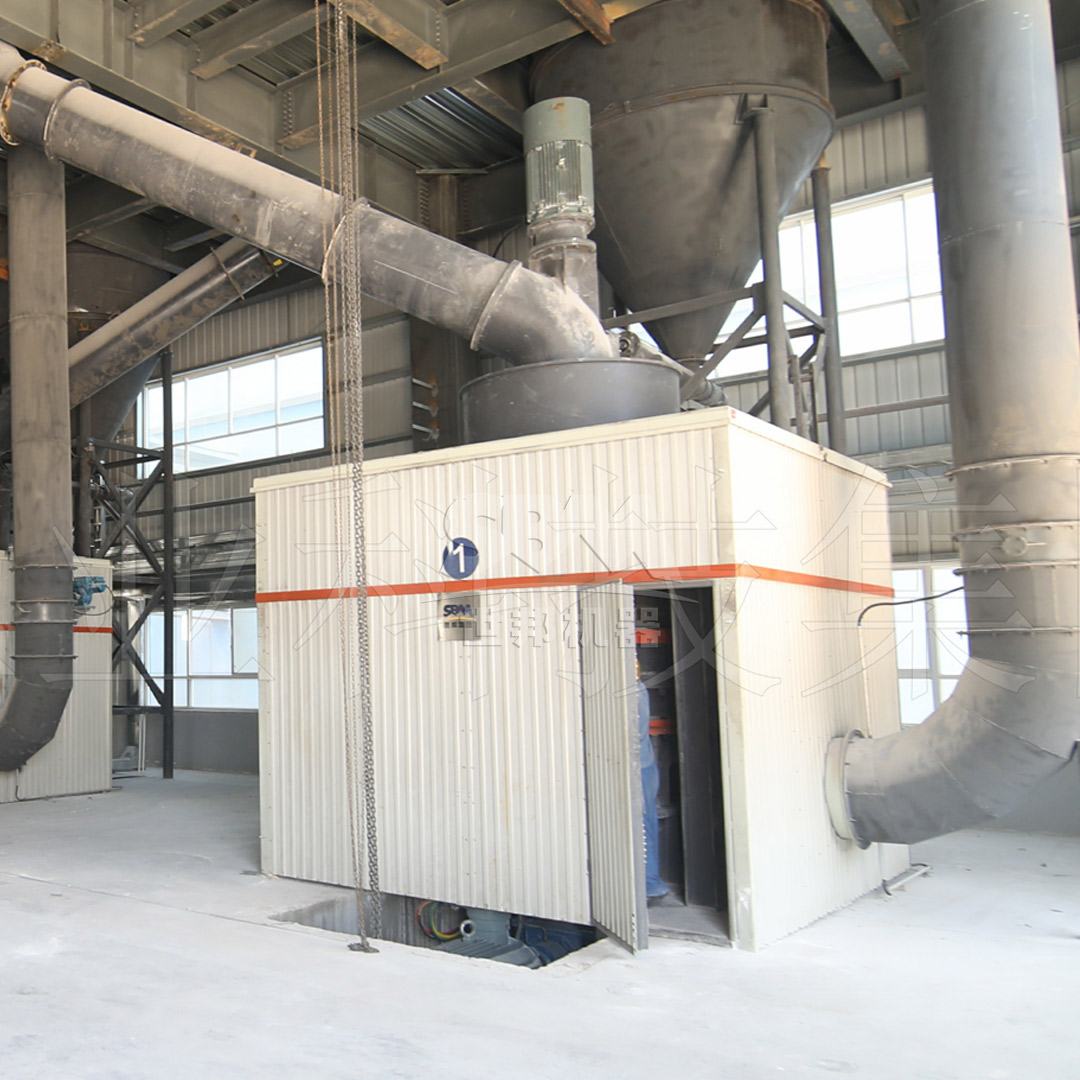
MTW Series European Trapezium Mill: Versatile and Reliable
For medium-fine graphite powder (30-325 mesh), the MTW Series European Trapezium Mill offers an excellent balance of capacity, efficiency, and cost-effectiveness. Its features include:
- Anti-wear Shovel Design: Combined shovel blades reduce maintenance costs, and the curved design extends grinding roller life.
- Optimized Arc Air Duct: Reduces airflow energy loss and improves transmission efficiency, with high-strength guard plates protecting the air duct working surface.
- Integral Bevel Gear Drive: Transmission efficiency up to 98%, saving space and reducing installation costs.
- Wear-resistant Volute Structure: Non-resistance flow design improves air selection efficiency, reducing maintenance costs by 30%.
Models range from MTW110 (3-9 t/h) to MTW215G (15-45 t/h), with fineness down to 0.038 mm, making it suitable for a variety of graphite grinding applications.
Conclusion
Graphite’s diverse types and applications demand tailored grinding solutions. Whether you need ultrafine powder for advanced batteries or medium-fine powder for lubricants and refractories, choosing the right mill is key to success. Our SCM Series Ultrafine Mill and MTW Series European Trapezium Mill are engineered to deliver superior performance, energy efficiency, and reliability. Contact us today to discuss your graphite grinding requirements and let our experts help you optimize your production line.