
Method for Making Desulfurizer by Mixing Carbide Slag with Limestone and How to Choose a Desulfurizer Grinding Mill
Introduction
Desulfurization is a critical process in environmental protection, particularly in flue gas treatment for power plants and industrial boilers. The choice of desulfurizer and its preparation method significantly impacts efficiency and cost. One innovative approach involves mixing carbide slag—a byproduct of acetylene production—with limestone to create a composite desulfurizer. This article outlines the method for producing such a desulfurizer and provides guidance on selecting the appropriate grinding mill, with references to our company’s advanced milling equipment.
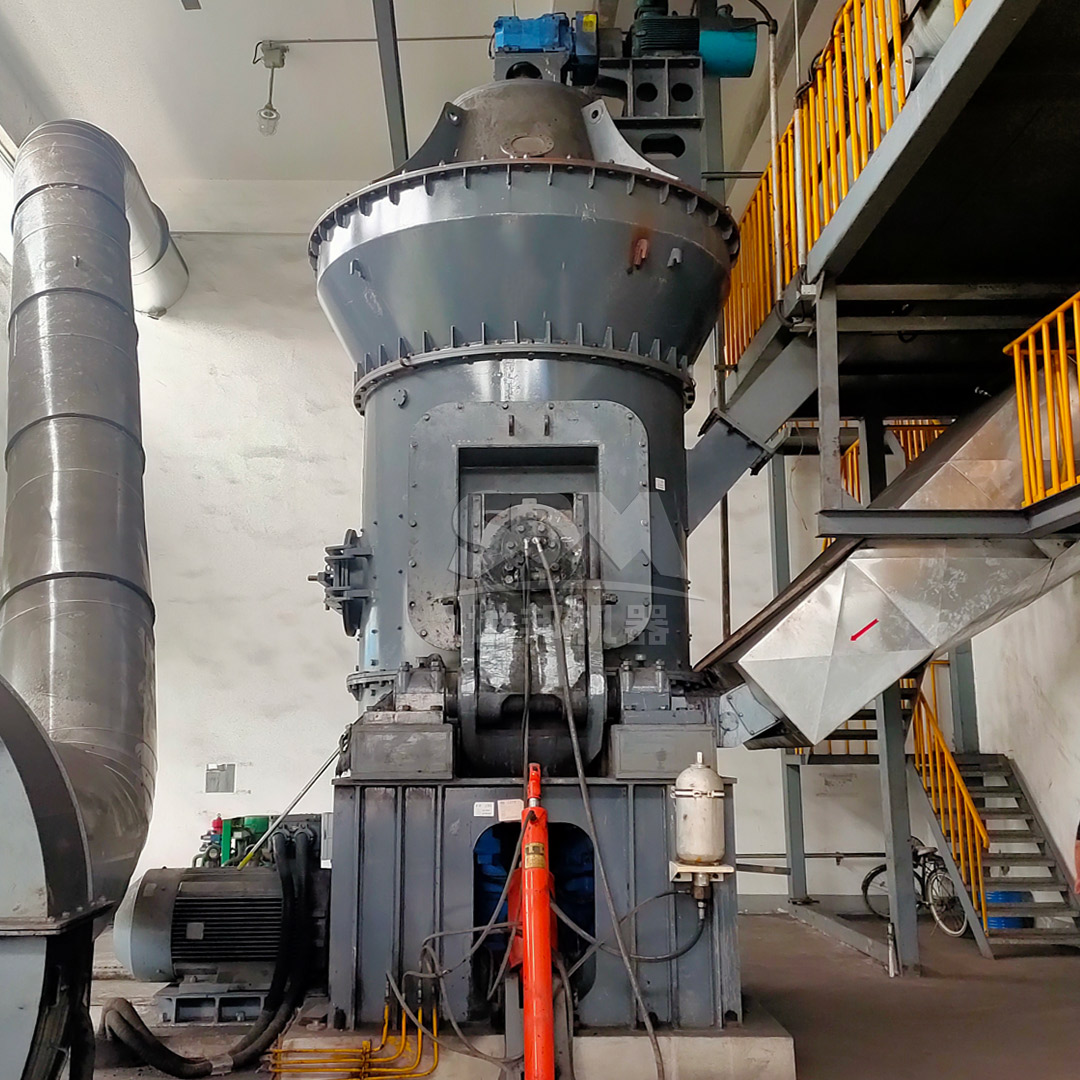
Method for Making Desulfurizer by Mixing Carbide Slag with Limestone
Raw Materials
Carbide slag (calcium hydroxide-rich) and limestone (calcium carbonate) are the primary components. Carbide slag is a waste product from acetylene generation, often with high moisture content and impurities. Limestone is abundant and cost-effective. The ratio typically ranges from 30:70 to 50:50 (carbide slag: limestone) by weight, depending on the desired reactivity and availability.
Preparation Steps
- Drying: Carbide slag is dried to reduce moisture to below 1-2% to prevent agglomeration during grinding. Limestone may also require drying if wet.
- Crushing: Both materials are crushed to a feed size suitable for the grinding mill (usually ≤20-50mm). A hammer mill or jaw crusher can be used.
- Mixing: The dried and crushed materials are blended in the specified ratio. Uniform mixing is crucial for consistent desulfurization performance.
- Grinding: The mixture is ground to a fine powder (typically 200-325 mesh or finer) to increase surface area for rapid reaction with SO2. This is where the choice of grinding mill is vital.
- Storage: The finished desulfurizer should be stored in a dry, sealed environment to prevent hydration and carbonation.
The resulting desulfurizer leverages the high reactivity of carbide slag (Ca(OH)2) and the buffering capacity of limestone (CaCO3), offering cost savings and waste utilization.
How to Choose a Desulfurizer Grinding Mill
Selecting the right grinding mill is essential for achieving the desired fineness, capacity, and energy efficiency. Key factors include:
1. Fineness Requirement
Desulfurizers typically require 200-325 mesh (45-75μm) or finer for optimal reactivity. Ultrafine grinding (325-2500 mesh) may be needed for high-efficiency desulfurization. Mills capable of precise classification and uniform particle size distribution are preferred.
2. Capacity
Throughput should match production scale. For small to medium operations, a mill with 3-25 t/h capacity suffices; large-scale plants may need 30-250 t/h. Consider future expansion.
3. Material Characteristics
Carbide slag is abrasive and may contain corrosive elements. Mills with wear-resistant components (e.g., special alloy rollers and liners) and robust construction are necessary. Limestone is moderately hard; a mill with high crushing ratio and efficient grinding mechanism works well.
4. Energy Efficiency
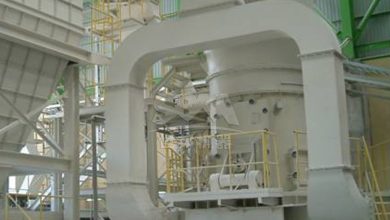
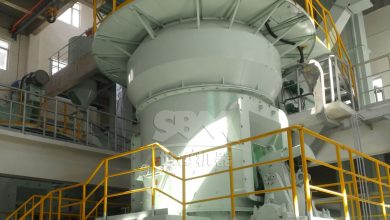
Grinding is energy-intensive. Choose mills with high efficiency and low power consumption, such as vertical roller mills or advanced trapezium mills, which can reduce energy use by 30-40% compared to ball mills.
5. Environmental Compliance
Dust emission and noise must be controlled. Mills with integrated pulse dust collection and soundproof designs are ideal.
6. Maintenance and Cost
Low maintenance, easy access for roller replacement, and long wear part life reduce operational costs. Consider mills with patented technologies for extended service life.
Recommended Products
Based on our extensive product line, we recommend two mills that excel in desulfurizer grinding:
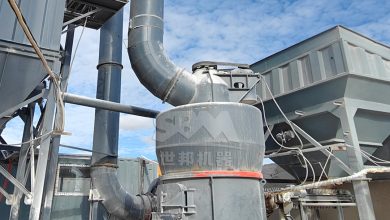
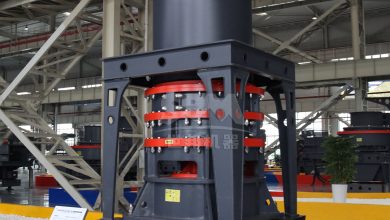
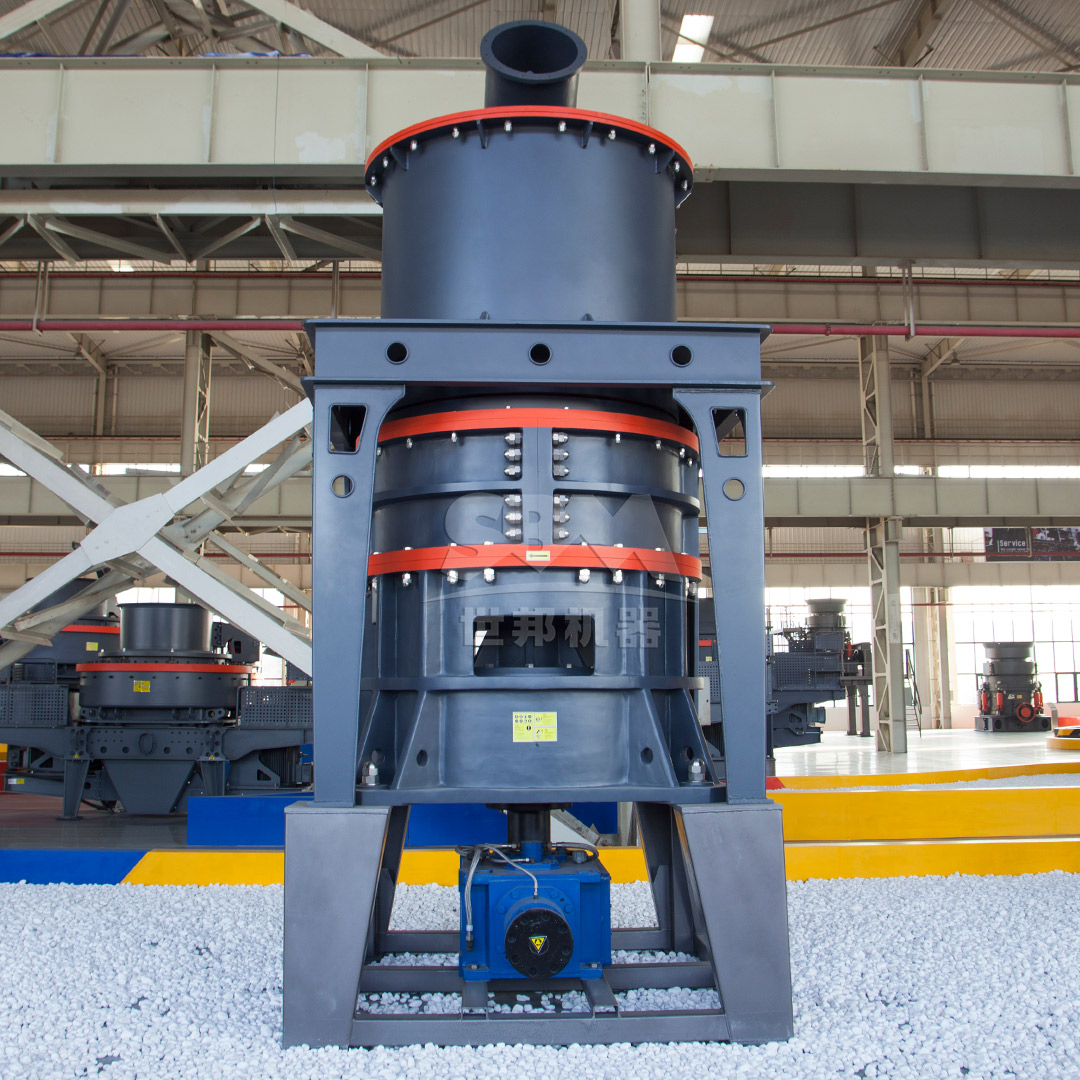
SCM Series Ultrafine Mill
The SCM Series is ideal for producing ultrafine desulfurizers (325-2500 mesh). With capacities from 0.5 to 25 t/h, it features high-efficiency grinding, precise classification, and durable wear parts. Its intelligent control ensures consistent fineness, and the eco-friendly design meets stringent emission standards. The SCM800 model (0.5-4.5 t/h, 75kW) is suitable for small-scale plants, while the SCM1680 (5-25 t/h, 315kW) handles large capacities.
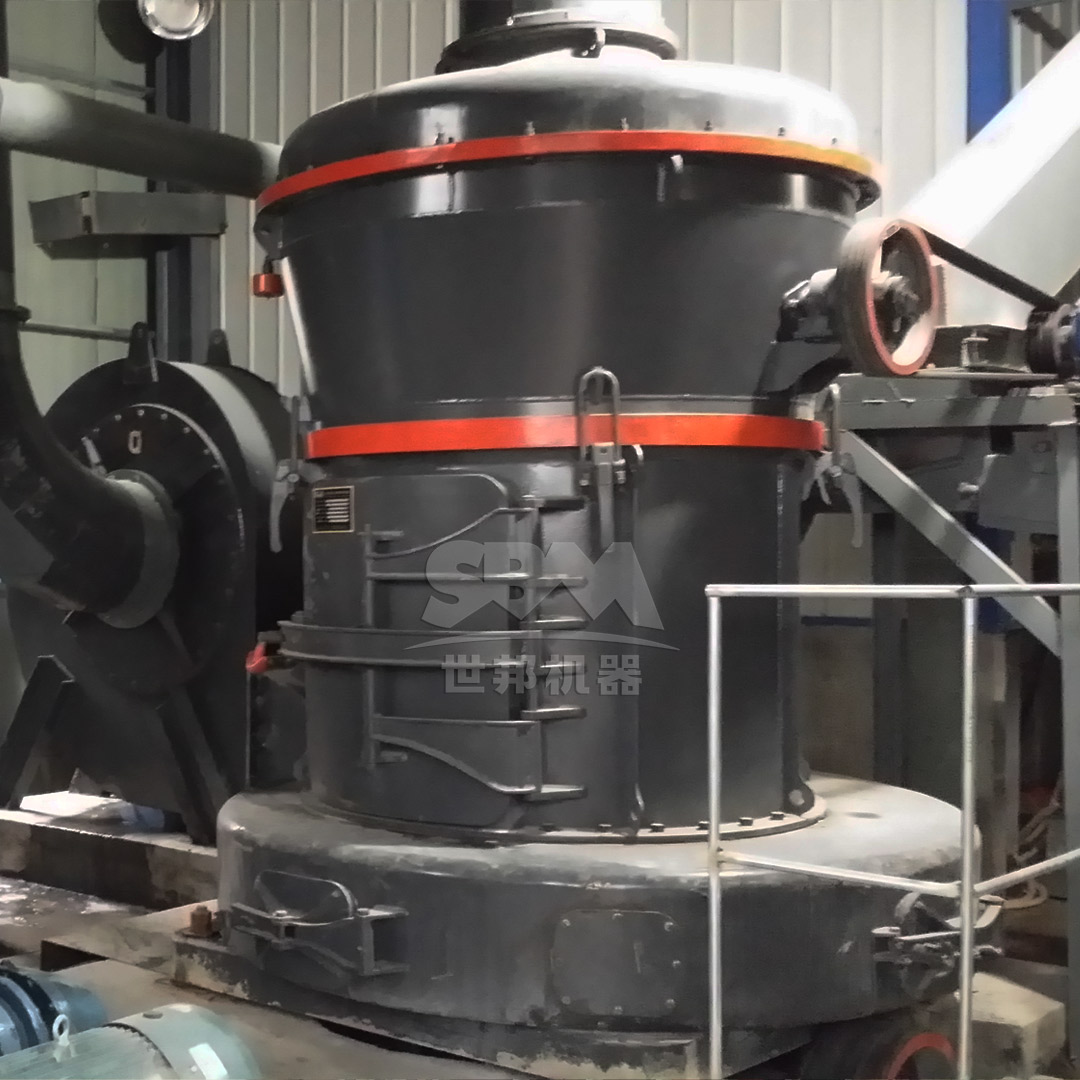
MTW Series European Trapezium Mill
For medium-fine grinding (30-325 mesh) with high capacity (3-45 t/h), the MTW Series offers an excellent balance of efficiency and cost. Its anti-wear shovel design and optimized air duct reduce maintenance and energy loss. Models like MTW110 (3-9 t/h) and MTW215G (15-45 t/h) are versatile and reliable. The MTW Series is particularly suited for mixed materials like carbide slag and limestone due to its robust construction and efficient classification.
Conclusion
Producing a composite desulfurizer from carbide slag and limestone is a sustainable and cost-effective method. The grinding mill selection should align with fineness, capacity, material properties, and environmental considerations. Our SCM and MTW Series mills provide advanced solutions for desulfurizer grinding, ensuring high productivity and compliance. For further details, please consult our technical team.