
What Are the Requirements for Toothpaste-Grade Calcium Carbonate and Which Grinding Mill Is Used to Produce It?
Introduction
Calcium carbonate is one of the most widely used mineral fillers in the world, and its application in toothpaste formulation is a prime example of how particle size, purity, and morphology directly influence product performance. Toothpaste-grade calcium carbonate must meet stringent physical and chemical specifications to ensure safety, stability, and consumer acceptance. This article explores the key requirements for toothpaste-grade calcium carbonate and examines the grinding mill technologies best suited for its production, with a focus on our company’s advanced milling solutions.
Why Calcium Carbonate in Toothpaste?
Calcium carbonate (CaCO3) serves multiple functions in toothpaste: it acts as a mild abrasive to remove plaque and stains, provides body and consistency to the paste, and can contribute to pH buffering. Unlike harsh abrasives, properly processed calcium carbonate offers a balance between cleaning efficiency and enamel safety. The global toothpaste market increasingly demands high-purity, fine-grade calcium carbonate that meets pharmacopoeia and cosmetic-grade standards.
Key Requirements for Toothpaste-Grade Calcium Carbonate
1. Purity and Chemical Composition
Toothpaste-grade calcium carbonate must be highly pure, typically containing at least 98% CaCO3. Heavy metals such as lead, arsenic, and mercury must be below detection limits or within strict regulatory thresholds (e.g., <10 ppm for lead). The material must be free from silica, iron oxide, and other abrasive impurities that could damage tooth enamel or discolor the paste. Microbial contamination must also be controlled, with total aerobic plate counts below 100 CFU/g.
2. Particle Size Distribution
Particle size is perhaps the most critical parameter. Toothpaste-grade calcium carbonate typically requires a median particle size (D50) between 2 and 10 μm, with a narrow distribution. Coarse particles (>20 μm) can cause enamel abrasion, while excessively fine particles (<1 μm) may reduce cleaning efficacy and increase formulation viscosity. The abrasive index (Radioactive Dentin Abrasion, RDA) should be controlled within the range of 50–100 for daily-use toothpastes. Precise classification is essential to achieve the desired D50 and eliminate oversized particles.
3. Morphology and Crystal Structure
The shape of calcium carbonate particles influences both abrasivity and sensory properties. Calcite is the most common polymorph, but its morphology can vary from rhombohedral to scalenohedral depending on grinding conditions. For toothpaste, a controlled rhombohedral or blocky morphology is often preferred to provide gentle abrasion without scratching. Needle-like aragonite structures should be avoided as they can be too abrasive. The grinding process must preserve or selectively modify the crystal habit.
4. Whiteness and Brightness
Toothpaste is a consumer product where appearance matters. Calcium carbonate must have high whiteness (typically >95%) and minimal color bodies. Iron, manganese, and organic impurities can reduce brightness and impart a yellowish or grayish tint. Optical properties are often measured using ISO brightness (R457) or whiteness index (WI).
5. Oil Absorption and pH
The oil absorption value affects the rheology of the toothpaste. A typical range is 15–25 g/100g. The pH of a 10% aqueous slurry should be between 8.5 and 10.5, which is compatible with typical toothpaste formulations. Excessive alkalinity may irritate oral mucosa, while low pH could react with fluoride ingredients.
6. Moisture Content
Moisture should be kept below 0.5% to prevent caking and microbial growth. The grinding mill must incorporate efficient drying or maintain low humidity during processing.
7. Regulatory Compliance
Toothpaste-grade calcium carbonate must comply with cosmetic regulations (e.g., EU Cosmetics Regulation, FDA 21 CFR) and pharmacopoeia standards (USP, EP, JP) if used in medicated toothpastes. Certifications such as ISO 9001, GMP, and REACH registration are often required.
Grinding Mill Selection for Toothpaste-Grade Calcium Carbonate
Producing calcium carbonate that meets the above requirements demands more than a simple crusher. The grinding mill must deliver precise particle size control, prevent contamination, and operate efficiently at industrial scale. Traditional ball mills can achieve fine grinding but suffer from broad particle size distribution and high energy consumption. Modern ultrafine grinding mills with dynamic classifiers are preferred.
SCM Series Ultrafine Mill: Precision Grinding for High-Grade Applications
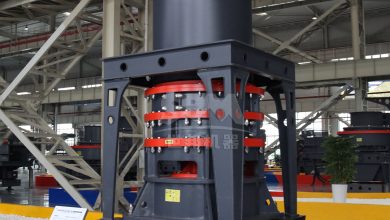
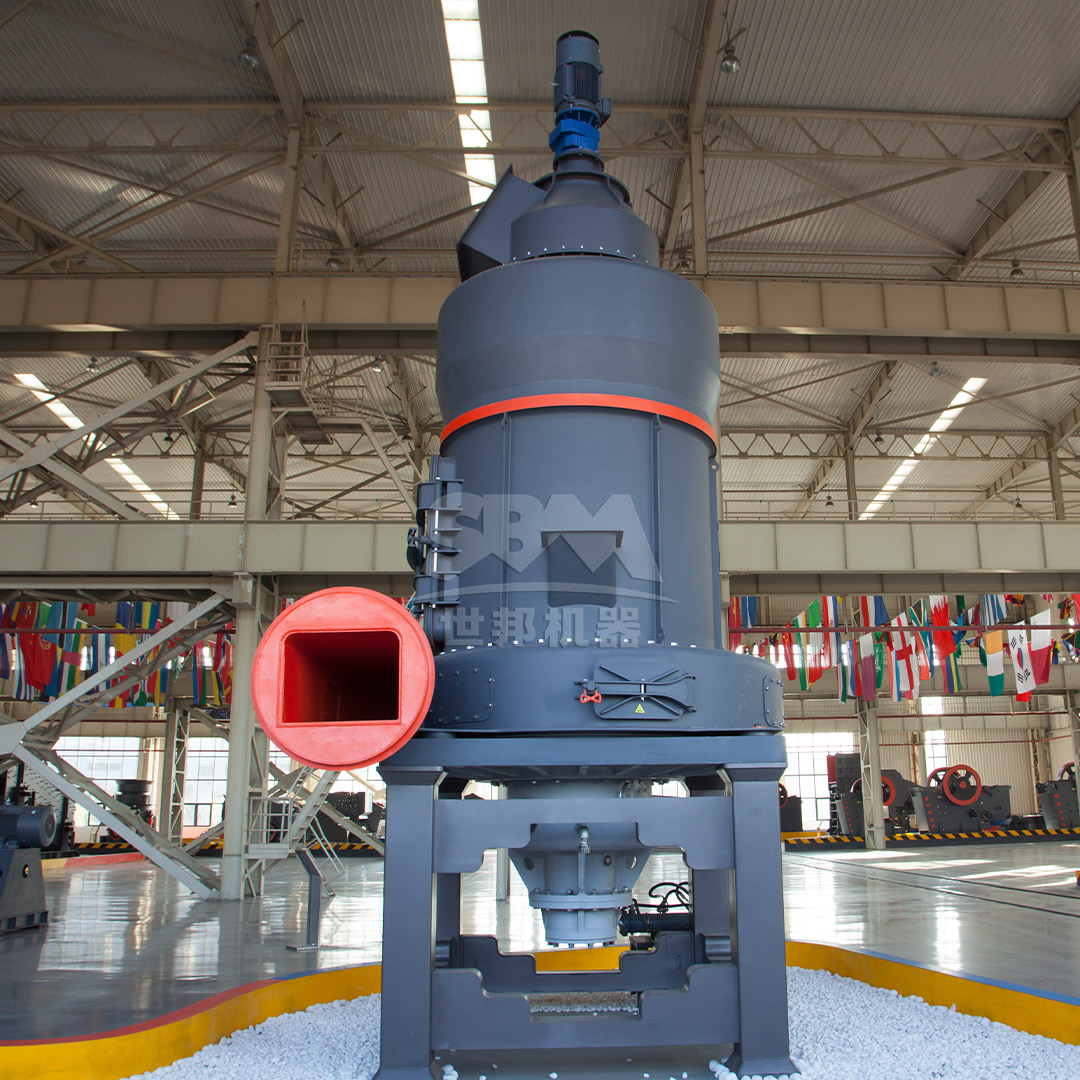
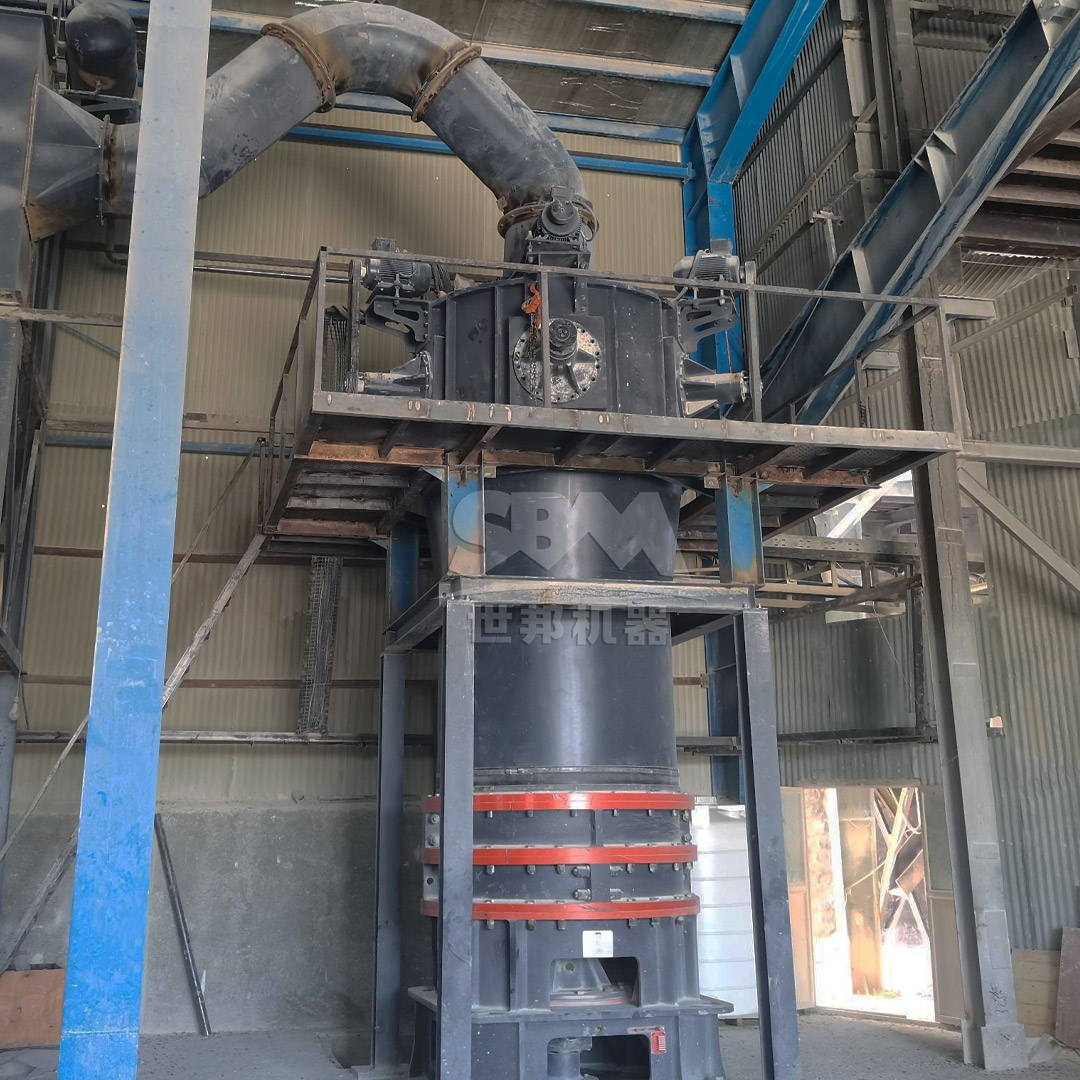
Our company’s SCM Series Ultrafine Mill is an ideal solution for producing toothpaste-grade calcium carbonate. With an output fineness adjustable from 325 to 2500 mesh (approximately 45 μm down to 5 μm), it can precisely target the 2–10 μm range required for oral care. The vertical turbine classifier ensures sharp particle size cutting, eliminating coarse particles that could cause enamel abrasion. The intelligent control system provides automatic feedback on finished product granularity, ensuring consistent quality batch after batch.
Key advantages of the SCM Series for calcium carbonate processing include:
- High efficiency and energy saving: Capacity is twice that of jet mills with 30% lower energy consumption.
- Durable design: Special material rollers and rings extend service life, reducing contamination risk from wear debris.
- Eco-friendly: Pulse dust collection efficiency exceeds international standards, maintaining a clean production environment.
- Models from SCM800 to SCM1680: Capacities from 0.5 to 25 t/h, scalable to meet any production volume.
With its precise classification and minimal contamination, the SCM Series ensures the final calcium carbonate meets the strict purity and particle size requirements of toothpaste manufacturers.
MTW Series European Trapezium Mill: Versatile and Cost-Effective
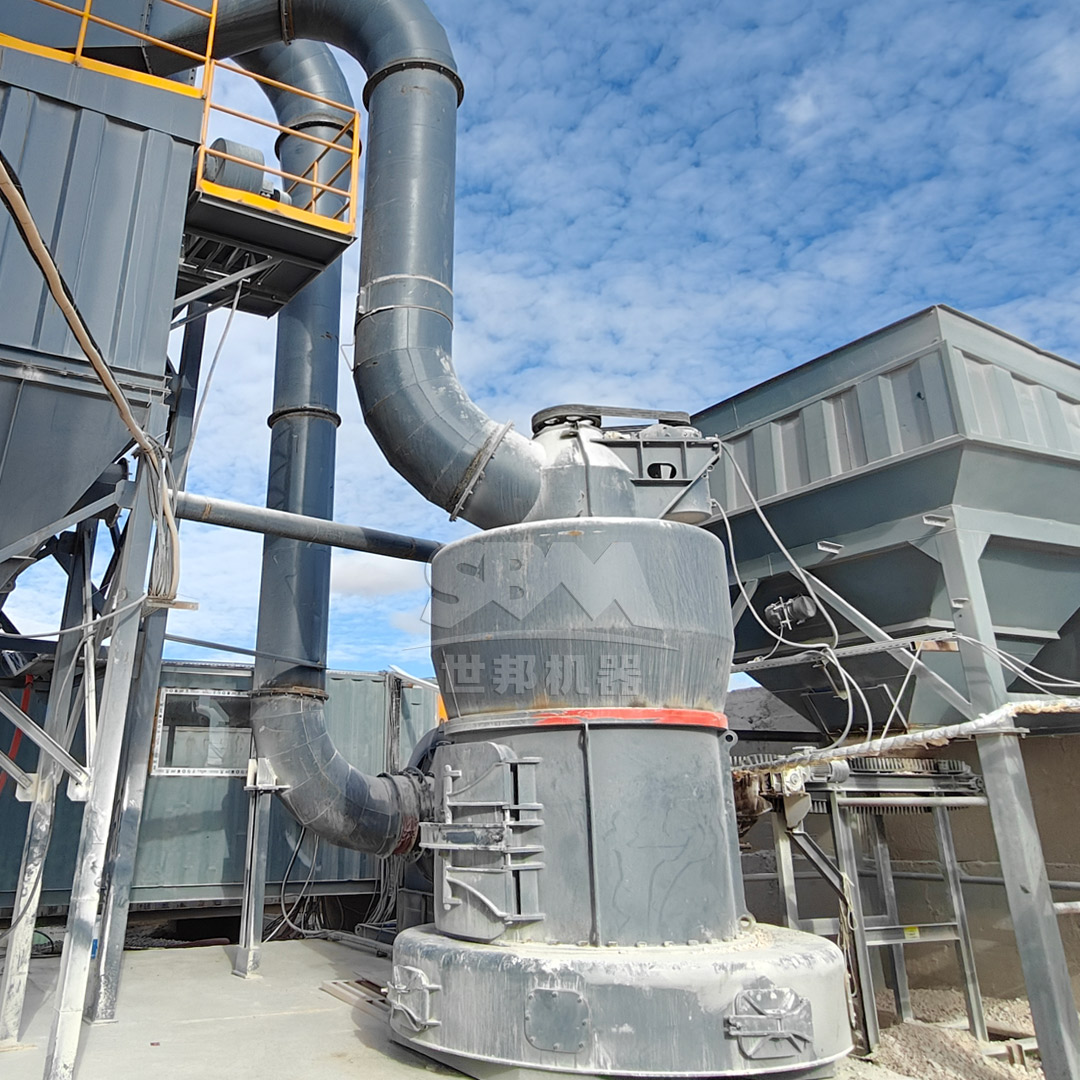
For operations requiring somewhat coarser but still tightly controlled calcium carbonate, our MTW Series European Trapezium Mill offers an excellent balance of performance and cost. With output fineness from 30 to 325 mesh (down to 0.038 mm), it can produce calcium carbonate for toothpaste applications where a slightly larger D50 (e.g., 8–12 μm) is acceptable, such as in economical toothpaste formulations or as a co-grinding component.
The MTW Series features an optimized arc air duct that reduces airflow energy loss, and an integral bevel gear drive with 98% transmission efficiency. The wear-resistant volute structure and anti-wear shovel design reduce maintenance costs by 30%, making it a reliable workhorse for continuous production. Models range from MTW110 (3–9 t/h) to MTW215G (15–45 t/h), providing flexibility for small to large manufacturers.
While the MTW Series may require additional classification for the finest toothpaste grades, it is an excellent choice for pre-grinding or for producing calcium carbonate used in translucent or gel toothpastes where a slightly broader particle size distribution is tolerable.
Comparing the Options: SCM vs. MTW for Toothpaste-Grade CaCO3
When deciding between the SCM and MTW Series, consider the following factors:
- Fineness target: For D50 <5 μm or stringent top-cut control, the SCM Series is superior due to its high-precision turbine classifier. For D50 around 8–15 μm, the MTW Series is adequate.
- Capacity: The MTW Series offers higher capacities per model (up to 45 t/h), making it suitable for large-volume production of standard grades. The SCM Series, with capacities up to 25 t/h, is ideal for high-value ultrafine grades.
- Contamination control: Both mills are designed to minimize wear, but the SCM Series’ shaftless screw grinding chamber and special alloy rollers further reduce metal contamination, which is critical for pharmaceutical-grade toothpaste.
- Energy consumption: The SCM Series is more energy-efficient per ton of ultrafine product, while the MTW Series is efficient for medium-fine grinding.
Many toothpaste manufacturers use a two-stage process: an MTW Series mill for coarse grinding followed by an SCM Series mill for ultrafine refinement, ensuring both economic efficiency and product quality.
Quality Control and Testing
Regardless of the mill chosen, rigorous quality control is essential. Key tests for toothpaste-grade calcium carbonate include:
- Particle size analysis (laser diffraction)
- Sieving for coarse particles (e.g., <0.1% retained on 45 μm sieve)
- Heavy metal analysis (ICP-MS)
- Whiteness measurement (spectrophotometer)
- Abrasion testing (RDA or enamel wear)
- pH and moisture determination
- Microbial limits
Our grinding mills can be integrated with online particle size analyzers and automated sampling systems to ensure real-time quality feedback.
Conclusion
Toothpaste-grade calcium carbonate is a high-value specialty mineral product that demands precise control over purity, particle size, morphology, and whiteness. The grinding mill plays a pivotal role in achieving these specifications. Our company offers two outstanding solutions: the SCM Series Ultrafine Mill for the most demanding ultrafine and high-purity grades, and the MTW Series European Trapezium Mill for cost-effective medium-fine grinding. By selecting the appropriate mill and implementing robust quality control, manufacturers can reliably produce calcium carbonate that meets the stringent requirements of the oral care industry.
For more information on how our grinding mills can optimize your toothpaste-grade calcium carbonate production, please contact our technical team.