
What Models of Waste Silicon Carbide Brick Grinding Mills Are Available?
Introduction
Waste silicon carbide (SiC) bricks are generated during the production and maintenance of high-temperature industrial furnaces, particularly in the metallurgical, ceramics, and refractory industries. These bricks contain valuable silicon carbide that can be recovered and reused, reducing environmental waste and raw material costs. Efficient grinding of waste SiC bricks into fine powders is essential for recycling applications, such as abrasives, refractory aggregates, and ceramic raw materials. However, grinding silicon carbide—an extremely hard and abrasive material—poses significant challenges for conventional milling equipment. This article explores the available models of grinding mills suitable for waste silicon carbide bricks, focusing on equipment that combines high wear resistance, energy efficiency, and precise particle size control. We will also highlight two recommended products from our company that excel in this demanding application.
Challenges in Grinding Waste Silicon Carbide Bricks
Silicon carbide has a Mohs hardness of 9.2, second only to diamond and boron carbide. Waste SiC bricks often contain bonded phases (e.g., silicon nitride, alumina, or silica) and may have irregular shapes and sizes. Grinding such material requires mills with:
- High wear resistance: Grinding components must withstand severe abrasion to maintain service life and product purity.
- Effective classification: Precise particle size distribution is critical for downstream applications, and over-grinding wastes energy.
- Dust control: SiC dust is hazardous; enclosed systems with efficient dust collection are mandatory.
- Energy efficiency: Given the high energy consumption of hard material grinding, mills that reduce power usage are preferred.
Below, we review several mill types available from our company, with a focus on models that have been successfully applied to hard and abrasive materials like silicon carbide.
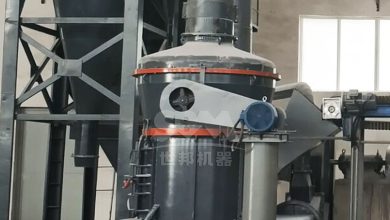
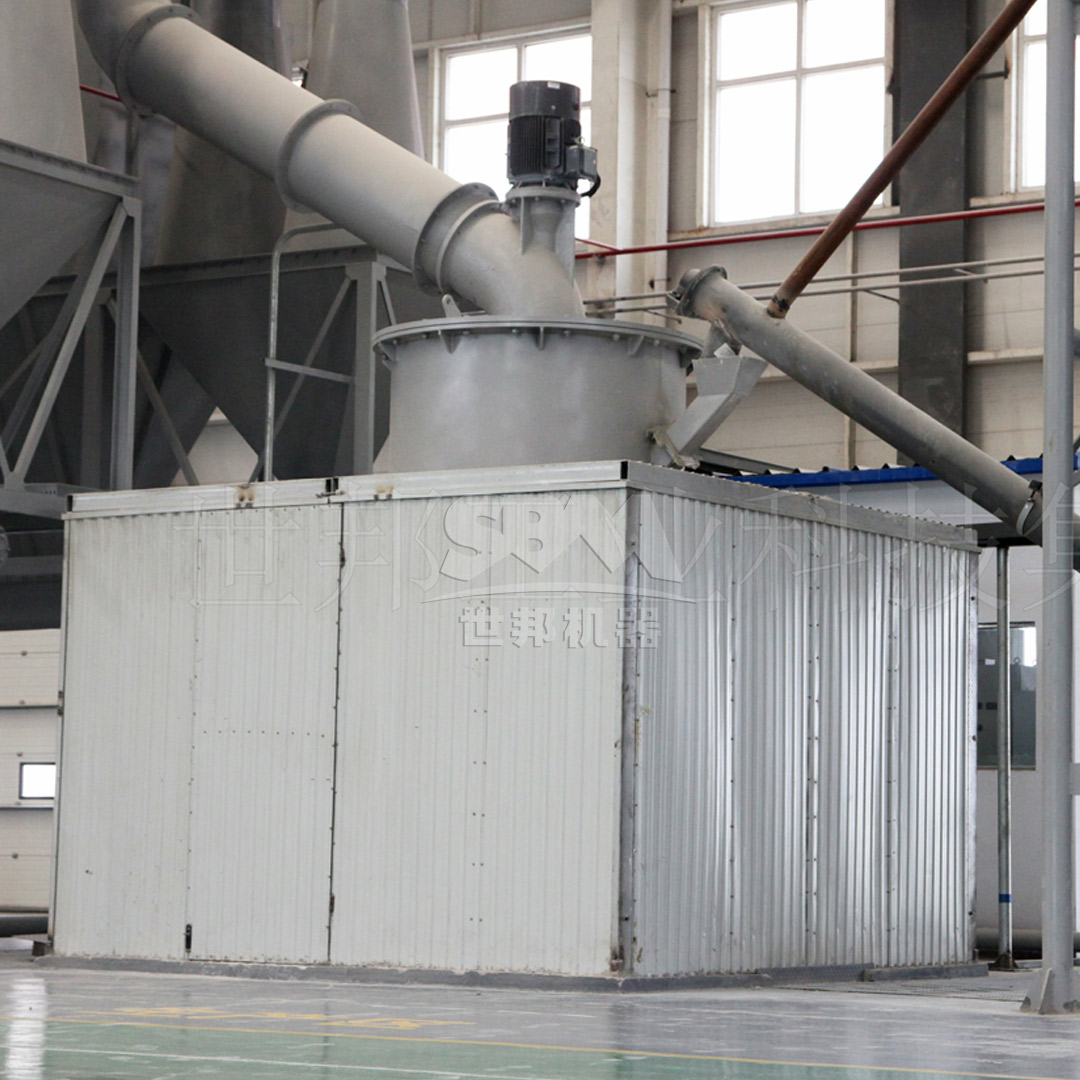
SCM Series Ultrafine Mill: High-Efficiency Fine Grinding
The SCM Series ultrafine mill is engineered for producing fine to ultrafine powders (325–2500 mesh) from hard and brittle materials. Its vertical turbine classifier ensures precise particle size cutting, preventing coarse powder mixing and ensuring uniform finished products. The grinding chamber features special material rollers and rings that extend service life several times over compared to standard components—a crucial advantage when grinding abrasive SiC. The shaftless screw grinding chamber ensures stable operation and reduces vibration.
Key technical advantages include:
- High efficiency: Capacity is twice that of jet mills, with 30% lower energy consumption.
- Intelligent control: Automatic feedback of finished product granularity maintains consistent quality.
- Eco-friendly: Pulse dust collection efficiency exceeds international standards, and soundproof room design ensures low noise.
The SCM series offers five models with capacities from 0.5 to 25 t/h, making it suitable for both small-scale recycling operations and large industrial plants. For waste SiC bricks, we recommend the SCM1250 (capacity 2.5–14 t/h, main power 185 kW) as a cost-effective solution for medium-scale production. Its robust construction and high-precision classifier make it ideal for producing fine SiC powders for abrasive or refractory applications.
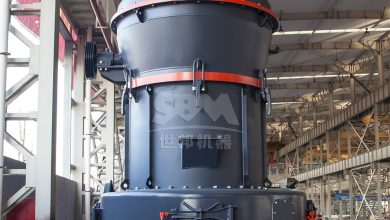
MTW Series European Trapezium Mill: Versatile and Durable
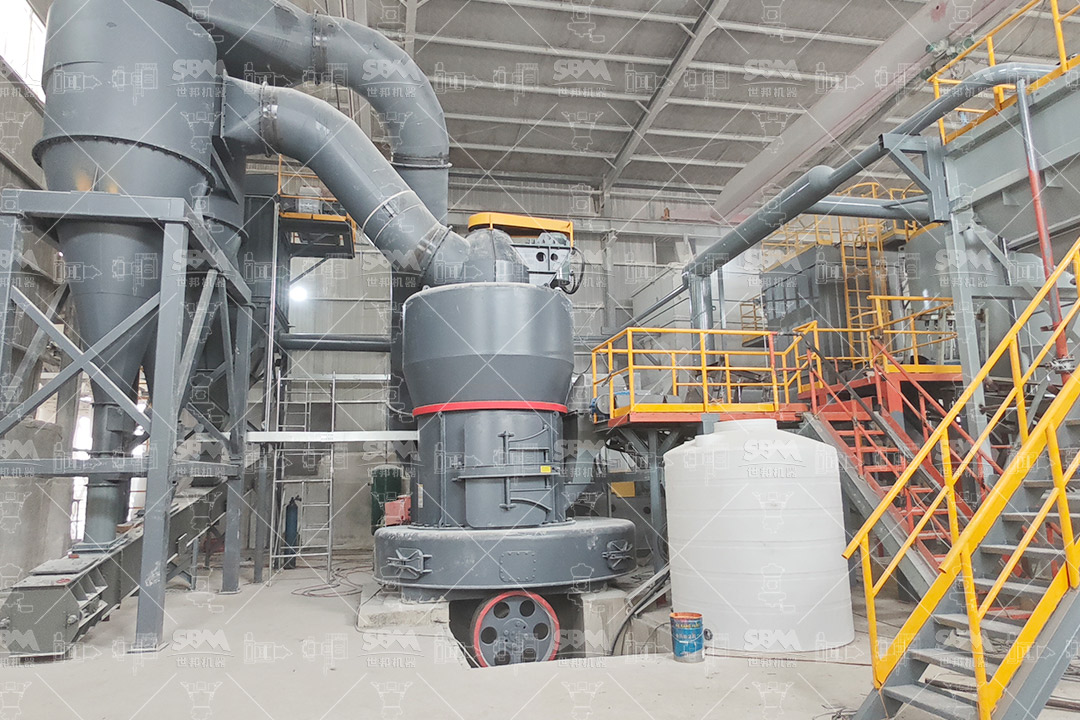
The MTW Series European trapezium mill is a proven solution for grinding hard and abrasive materials to 30–325 mesh. Its anti-wear shovel design with combined blades reduces maintenance costs, while the curved design extends grinding roller life—essential for SiC processing. The optimized arc air duct reduces airflow energy loss and improves transmission efficiency. The integral bevel gear drive achieves 98% transmission efficiency and saves installation space. The wear-resistant volute structure with non-resistance flow design improves air selection efficiency and reduces maintenance costs by 30%.
MTW models range from MTW110 to MTW215G, with capacities from 3 to 45 t/h. For waste silicon carbide bricks, the MTW175G (capacity 9.5–25 t/h, main power 160 kW) is an excellent choice for coarse to medium-fine grinding. Its large feed size (<40 mm) accommodates brick fragments without pre-crushing, and the robust roller assembly handles the abrasive nature of SiC. The patented internal suction oil lubrication system ensures reliable operation under heavy loads.
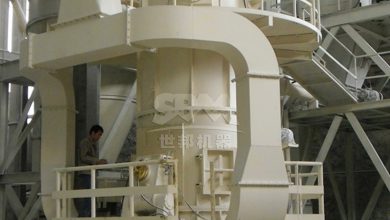
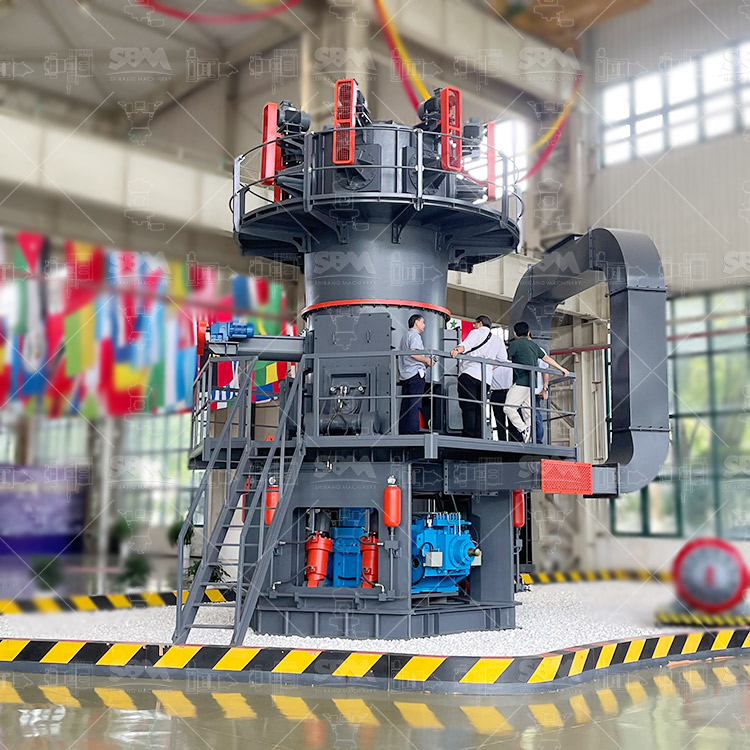
LM Series Vertical Roller Mill: High Capacity and Energy Savings
For large-scale recycling of waste SiC bricks, the LM Series vertical roller mill offers capacities up to 250 t/h (depending on model and fineness). Its integrated design combines crushing, grinding, and classification, reducing floor space by 50% and enabling outdoor installation. The non-contact design between rollers and table increases wear part life by 3x, and energy consumption is 30–40% lower than ball mill systems—significant for hard material grinding. The LM series can produce fineness from 30 to 325 mesh (up to 600 mesh for special models).
Among the vertical mineral mill models, the LM190K (capacity 23–68 t/h, main power 500 kW) is recommended for industrial-scale SiC brick recycling. Its large table diameter (Φ1900 mm) and robust roller assembly handle high throughput with minimal downtime. The expert-level auto-control system allows remote monitoring and real-time parameter adjustment, ensuring stable operation even with variations in feed material.
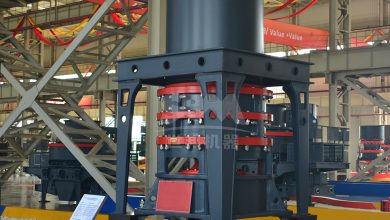
MTM Series Medium-speed Trapezium Mill: Intelligent Pressure Regulation
The MTM Series is designed for medium-fine grinding (45–325 mesh) with capacities from 3 to 22 t/h. Its intelligent spring pressure system automatically compensates for roller wear, extending roller and ring life by 30%—a valuable feature for abrasive SiC. The innovative roller assembly with horizontal pull-rod connection protects main shaft bearings, while the damping springs and sealing strips reduce noise and resonance. The MTM160 model (capacity 9–22 t/h, main power 132 kW) is suitable for medium-scale operations requiring reliable performance and low maintenance.
Ball Mill: Proven Technology for Coarse Grinding
Ball mills remain a viable option for coarse grinding of waste SiC bricks (0.074–0.8 mm). With a crushing ratio up to 300:1 and capacities from 0.65 to 450 t/h, ball mills are robust and widely used in mineral processing. However, their energy consumption is higher than vertical mills, and wear part life may be shorter when grinding highly abrasive SiC. For small to medium operations, the GMQG1835 model (capacity 5.8–25 t/h, power 160 kW) offers a cost-effective solution, provided that wear-resistant liners (e.g., high chrome) and grinding media are used.
Hammer Mill: Preliminary Crushing
Before fine grinding, waste SiC bricks often require crushing to <40 mm. The hammer mill (models PC4008-75 to PC4015-132) with capacities up to 70 t/h is ideal for this stage. Its high manganese steel liners and hammers withstand the abrasive nature of SiC, and the compact structure requires low investment. The PC4012-90 (15–40 t/h, 90 kW) is recommended for pre-crushing SiC bricks prior to feeding into the SCM or MTW mills.
LUM Ultrafine Vertical Roller Mill: Premium Ultrafine Grinding
For the highest fineness requirements (325–2500 mesh), the LUM Series offers efficient grinding with unique roller/liner curves and multi-rotor classifying technology that prevents coarse particles. The PLC automation ensures stable running and negative pressure operation prevents dust leakage. Models LUM1525 to LUM1836 provide capacities from 1.6 to 15 t/h. While the LUM series is more expensive, its energy efficiency and product quality make it suitable for high-value SiC applications such as precision abrasives.
MRN Pendulum Mill: Maintenance-Friendly Option
The MRN Pendulum Mill features thin oil lubrication for maintenance-free operation, an efficient square-pipe collector, and a pulse dust collector. Models MB5X98 and MB5X298 offer capacities from 2.7 to 83 t/h. The MB5X298 (48–83 t/h, power 1247–1407 kW) is a powerful choice for large-scale SiC grinding, though its relatively high power consumption should be considered.
LM-Y Vertical Pre-grinding Roller Mill: Integrated Sand Making and Grinding
For simultaneous production of sand and fine powder from waste SiC bricks, the LM-Y series (models LM150Y to LM340Y) offers integrated crushing and grinding with 30–50% lower power consumption than conventional systems. The LM340Y (80–100 t/h, 2500 kW) is suitable for high-capacity recycling plants.
Selection Guidelines and Recommendations
When selecting a grinding mill for waste silicon carbide bricks, consider the following:
- Fineness requirement: For ultrafine powders (<45 μm), choose SCM or LUM; for medium fineness (45–325 mesh), MTW or MTM; for coarse grinding, ball mill or hammer mill.
- Capacity: Match mill capacity to your recycling volume. Small operations (0.5–5 t/h) can use SCM800 or MTM100; medium (5–20 t/h) use SCM1250 or MTW175G; large (>20 t/h) use LM190K or MRN298.
- Wear resistance: Prioritize mills with special wear-resistant materials (SCM, MTW) and non-contact designs (LM).
- Dust control: All recommended mills feature efficient pulse dust collection, but ensure proper enclosure and ventilation for SiC dust.
Our top recommendations for waste silicon carbide brick grinding are:
- SCM1250 Ultrafine Mill – Best for fine and ultrafine grinding (325–2500 mesh) with high efficiency and precise classification. Ideal for producing high-value SiC powders.
- MTW175G European Trapezium Mill – Best for medium-fine grinding (30–325 mesh) with large feed size and robust wear parts. Suitable for continuous operation and easy maintenance.
Both models have been successfully applied in processing hard and abrasive materials, and their proven reliability makes them safe choices for SiC recycling. For larger capacities, the LM190K vertical mill offers unmatched energy savings and throughput.
Conclusion
Grinding waste silicon carbide bricks is challenging but feasible with the right equipment. Our company offers a comprehensive range of mills—from the high-efficiency SCM ultrafine mill to the durable MTW trapezium mill and the high-capacity LM vertical roller mill—each designed to address the specific demands of hard and abrasive materials. By selecting the appropriate model and configuration, recyclers can achieve efficient, cost-effective, and environmentally friendly processing of SiC waste. For further assistance in choosing the optimal mill for your specific waste SiC bricks, please consult our technical team.