
Types of Silicon Carbide Grinding Mills for Abrasive Applications: A Complete Guide
Introduction to Silicon Carbide and Its Abrasive Significance
Silicon carbide (SiC) is a synthetic ceramic material renowned for its exceptional hardness, thermal stability, and chemical inertness. In the abrasive industry, SiC is a cornerstone material, used in products ranging from coated abrasives and bonded wheels to loose grains and slurries. The performance of these abrasive products hinges critically on the particle size distribution (PSD), morphology, and purity of the SiC powder. Consequently, the selection of an appropriate grinding mill is a pivotal decision that directly impacts product quality, production efficiency, and operational costs. This guide explores the primary types of grinding mills used for silicon carbide processing, detailing their principles, advantages, and suitability for various abrasive applications.
Key Criteria for Selecting a Silicon Carbide Grinding Mill
Before examining specific mill types, it is essential to understand the criteria that govern mill selection for SiC. Silicon carbide is extremely hard (Mohs 9-9.5) and abrasive, leading to rapid wear on mill components. Therefore, wear resistance is paramount. Additionally, achieving a narrow particle size distribution with minimal contamination is crucial for high-performance abrasives. Other factors include energy efficiency, capacity requirements, capital and operating costs, and the ability to integrate with classification and dust collection systems. The following sections analyze the most common mill technologies through the lens of these criteria.
1. Ultrafine Grinding Mills for High-Performance Abrasives
For advanced abrasive applications such as precision polishing, lapping, and micro-abrasives, ultrafine silicon carbide powders (often in the micron and sub-micron range) are required. Ultrafine grinding mills are engineered to achieve these fine sizes with precision and efficiency.
SCM Series Ultrafine Mill: A Benchmark in Fine SiC Processing
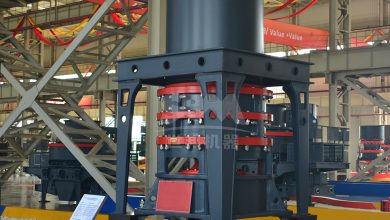
The SCM Series Ultrafine Mill represents a state-of-the-art solution for producing fine and ultrafine SiC powders. Its design addresses the specific challenges of grinding highly abrasive materials.
Core Parameters: The mill accepts input sizes up to 20mm and can produce powders with fineness ranging from 325 to 2500 mesh (approximately 45 to 5 microns). Capacities vary by model, from 0.5 to 25 tons per hour, catering to both small-scale and large-scale production.
Technical Advantages for SiC: The SCM mill boasts several features that are particularly beneficial for SiC processing. Its high-precision vertical turbine classifier ensures precise particle size cutting, preventing coarse powder mixing and guaranteeing uniform finished products—a critical factor for consistent abrasive performance. The use of special material rollers and rings extends service life significantly, reducing downtime and maintenance costs associated with the abrasive nature of SiC. Furthermore, the intelligent control system with automatic granularity feedback and the eco-friendly pulse dust collection system (exceeding international standards) make it a reliable and sustainable choice. The shaftless screw grinding chamber design ensures stable operation even under the demanding conditions of SiC grinding.
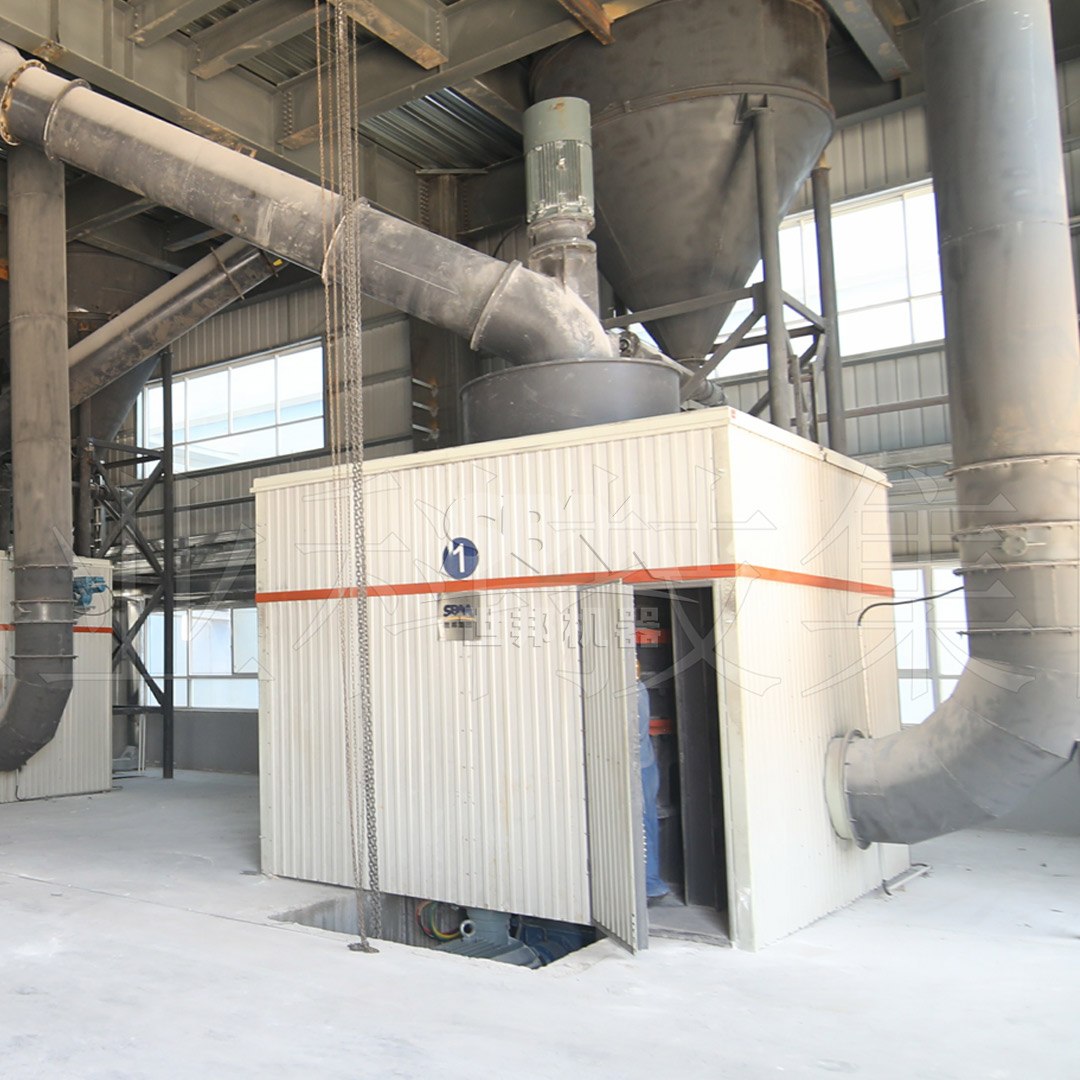
LUM Ultrafine Vertical Roller Mill: Another Contender
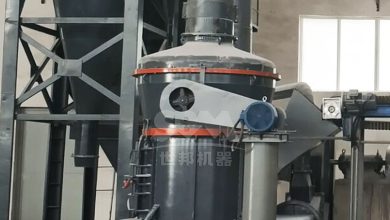
The LUM series is another advanced option for ultrafine SiC grinding. It features a unique roller and liner curve design that improves grinding efficiency and reduces energy consumption. Its multi-rotor classifying technology ensures precise separation, yielding products free from coarse particles. With PLC automation and a negative pressure operation for dust-free working conditions, the LUM mill is a viable alternative for producing high-quality SiC powders in the 325-2500 mesh range. Models like the LUM1525 offer capacities of 1.6-11.5 t/h, making them suitable for medium-scale operations.
2. Pendulum Mills for Medium-Fine Grinding
Pendulum mills, also known as Raymond mills or roller mills, are widely used for grinding various non-metallic minerals, including silicon carbide. They are typically employed for producing medium-fine powders (e.g., 45-325 mesh) and are known for their robustness and relatively simple operation.
MTW Series European Trapezium Mill: Enhanced Performance
The MTW Series is an upgraded design of the traditional pendulum mill, incorporating several improvements for higher efficiency and lower maintenance.
Core Parameters: It can handle feed sizes up to 50mm and produce fineness from 30 to 325 mesh (down to 0.038mm). Capacities range from 3 to 45 tons per hour, depending on the model.
Technical Advantages for SiC: The MTW mill features an anti-wear shovel design with combined blades that reduce maintenance costs and a curved design that extends roller life—direct benefits when grinding abrasive SiC. The optimized arc air duct reduces airflow energy loss, improving overall efficiency. An integral bevel gear drive offers high transmission efficiency (up to 98%) and saves installation space. The wear-resistant volute structure with a non-resistance flow design improves air selection efficiency and reduces maintenance costs by 30%. These features make the MTW mill a durable and efficient choice for medium-fine SiC production.
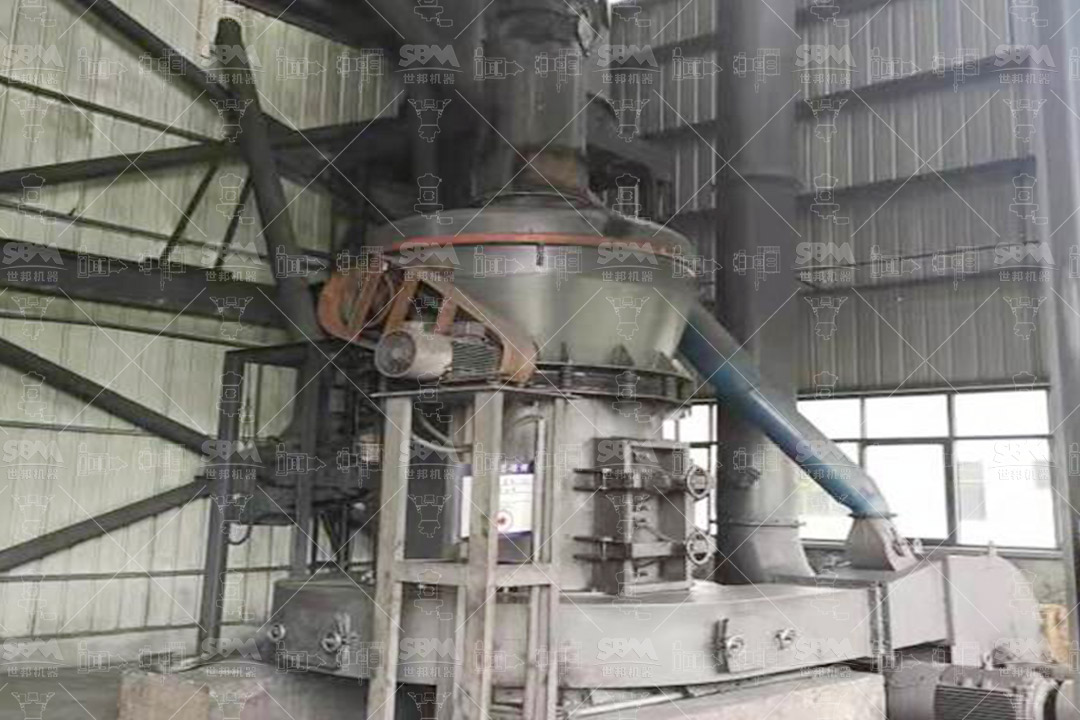
MTM Series Medium-speed Trapezium Mill: Intelligent Pressure Regulation
The MTM series is another proven pendulum mill design. Its standout feature is an intelligent pressure regulation system using springs that automatically compensate for roller wear, extending roller and ring life by up to 30%—a significant advantage given SiC’s abrasiveness. The innovative roller assembly with a horizontal pull-rod connection protects the main shaft bearings, while the damping spring and sealing strip design reduce noise and vibration. With models offering capacities from 3 to 22 t/h and fineness up to 325 mesh, the MTM mill is a reliable workhorse for medium-scale SiC grinding.
MRN Pendulum Mill: Maintenance-Free Innovation
The MRN Pendulum Mill introduces a thin oil lubrication system that is virtually maintenance-free, reducing downtime. Its efficient square-pipe collector reduces airflow resistance, and the automatic pulse dust collector ensures eco-friendly operation. The scientific configuration of a new classifier and isolated cyclone further reduces energy consumption. Available in models with capacities from 2.7 to 83 t/h, the MRN mill offers a low-maintenance solution for producing SiC powders in the 30-325 mesh range.
3. Vertical Roller Mills for Large-Scale and Ultrafine Grinding
Vertical roller mills (VRMs) have gained popularity in the minerals industry for their high efficiency and ability to handle large capacities. They are increasingly used for grinding abrasive materials like silicon carbide.
LM Series Vertical Roller Mill: Integrated Efficiency
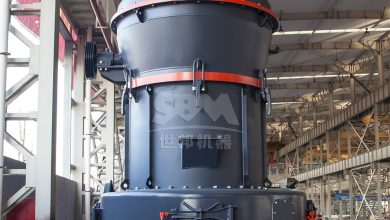
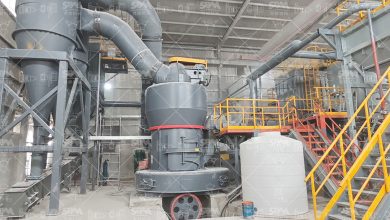
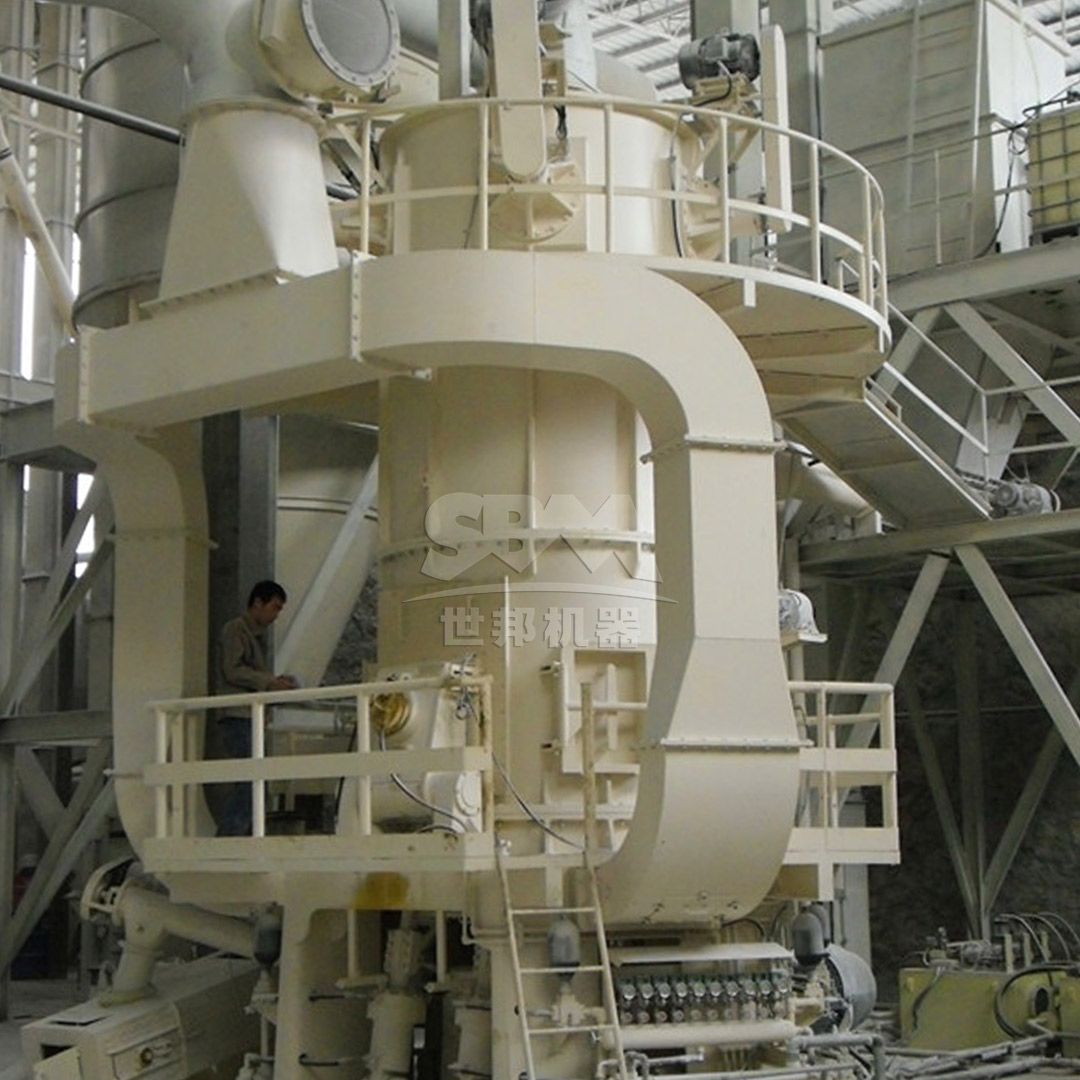
The LM Series is a versatile VRM designed for grinding various materials, including SiC. Its integrated design combines crushing, grinding, and classification, reducing floor space by 50% and allowing for outdoor installation, which cuts infrastructure costs by 40%. The non-contact design between rollers and the grinding table minimizes wear, increasing wear part life by up to three times—a major advantage for abrasive SiC. Energy consumption is 30-40% lower than traditional ball mill systems. The expert-level automatic control system enables remote monitoring and reduces manual intervention. With capacities ranging from 3 to 250 t/h and fineness adjustable from 30 to 325 mesh (up to 600 mesh for special models), the LM mill is suitable for high-volume SiC production.
4. Ball Mills for Flexible and Wide-Range Grinding
Ball mills are a traditional and versatile grinding technology. They are capable of grinding silicon carbide to a wide range of fineness, from coarse (0.8mm) to fine (0.074mm). Their operation is well-understood and reliable.
Core Parameters: Ball mills accept input sizes up to 25mm and can produce powders from 0.074 to 0.8mm. Capacities are substantial, ranging from 0.65 to 450 tons per hour, making them suitable for very large-scale operations. Both dry and wet grinding modes are available.
Technical Advantages for SiC: The key advantage of ball mills is their flexibility and high crushing ratio (up to 300:1). They can handle varying feed materials and are less sensitive to material characteristics than some other mills. The use of wear-resistant liners (wave or step type) and high-hardness grinding media (high chrome or manganese steel, HRC58-62) is essential to combat SiC’s abrasiveness. While ball mills are generally less energy-efficient than VRMs or ultrafine mills for fine grinding, their robust nature and large capacity make them a practical choice for coarse to medium-fine SiC production, especially in wet processing routes.
5. Hammer Mills for Coarse Crushing
For the initial size reduction of silicon carbide lumps or coarse grains, hammer mills are often employed. They are not used for fine grinding but are essential in a multi-stage comminution circuit.
Core Parameters: Hammer mills can reduce feed sizes up to 40mm down to 0-3mm. They are characterized by high capacity and crushing ratio in a compact structure. The use of high manganese steel liners ensures long life despite the abrasive feed.
Role in SiC Processing: Hammer mills prepare the feed for finer grinding mills by reducing large pieces to a manageable size. Models like the PC4015-132 with a capacity of 40-70 t/h and a 132 kW motor are capable of handling significant throughputs, making them a cost-effective first step in the SiC powder production line.
Conclusion: Matching Mill Technology to Abrasive Application
The selection of a silicon carbide grinding mill is a strategic decision that balances product requirements, production scale, and operational economics. For ultrafine, high-precision abrasive powders, advanced mills like the SCM Series Ultrafine Mill offer the precision, efficiency, and wear resistance needed. For medium-fine powders used in a broader range of abrasives, pendulum mills such as the MTW and MTM series provide a robust and cost-effective solution with features designed to handle abrasive wear. For large-scale production, vertical roller mills like the LM series deliver high capacity and energy efficiency. Ball mills remain a flexible option for coarse to medium grinding, while hammer mills are indispensable for initial crushing. By carefully evaluating the specific needs of the abrasive application and considering the technical advantages of each mill type, producers can optimize their silicon carbide processing for quality, productivity, and profitability.