
What Grinding Mill Is Best for Grinding Anthracite Coal?
Introduction
Anthracite coal, known for its high carbon content, low volatile matter, and exceptional hardness, presents unique challenges in size reduction. Unlike softer coals, anthracite requires robust grinding equipment capable of handling abrasive material while achieving precise fineness for applications ranging from pulverized coal injection (PCI) in steelmaking to carbon anodes and water filtration. Selecting the optimal grinding mill is critical for maximizing efficiency, minimizing downtime, and ensuring product quality. This article evaluates the key characteristics of anthracite and compares leading mill technologies, with specific recommendations from our product portfolio: the LM Series Vertical Roller Mill and the MTW Series European Trapezium Mill.
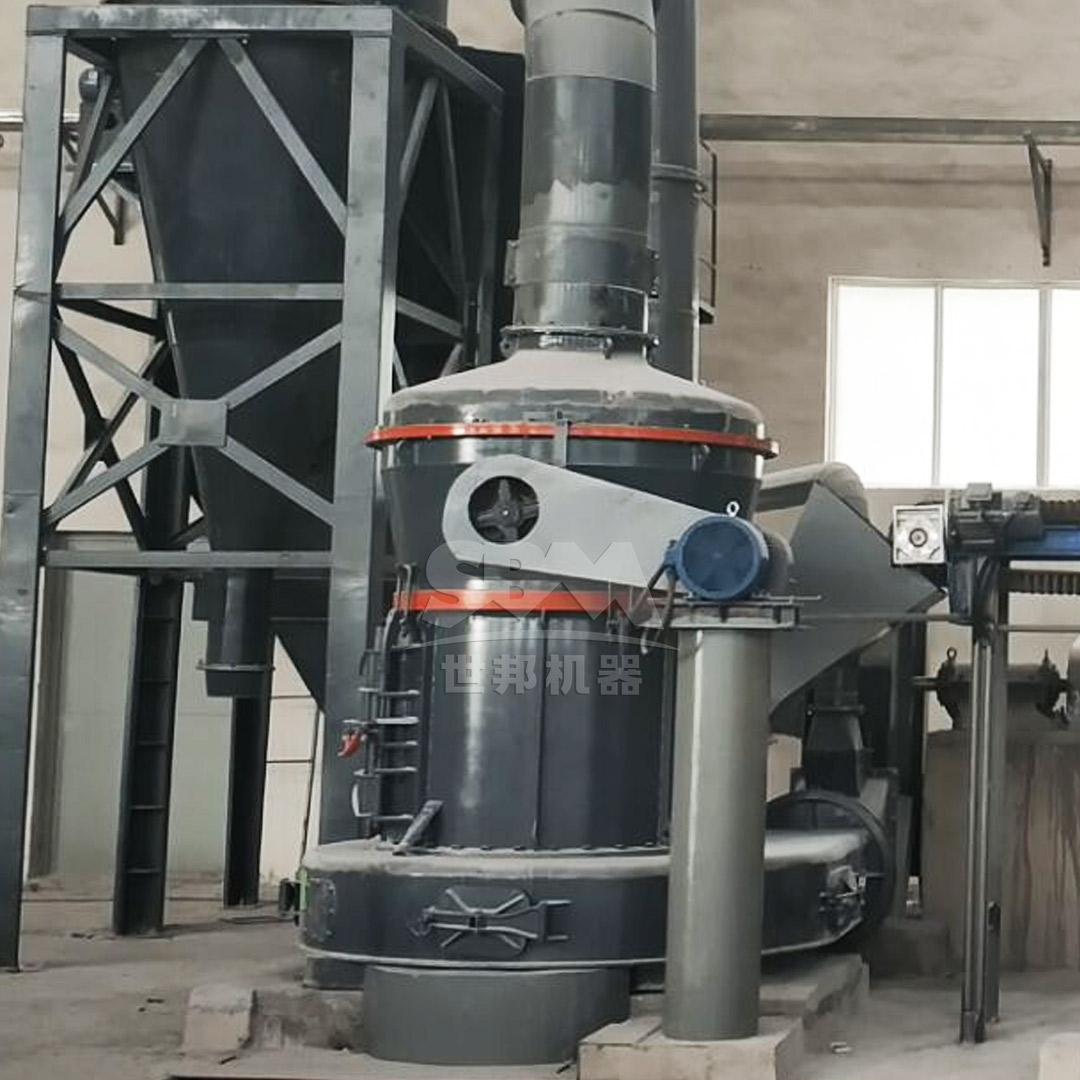
Why Anthracite Is Difficult to Grind
Anthracite ranks highest among coals in hardness (often 2.5–3 on the Mohs scale) and has a dense, glassy structure. Its abrasiveness accelerates wear on grinding elements, while its low volatility demands careful temperature control to avoid spontaneous combustion. Furthermore, the required fineness varies widely: PCI applications typically need 70–80% passing 200 mesh (75 μm), whereas specialized carbon products may require ultra-fine grinding to 325 mesh or finer. Therefore, the ideal mill must combine wear resistance, energy efficiency, precise classification, and reliable safety features.
Key Criteria for Selecting an Anthracite Grinding Mill
When evaluating mills for anthracite, consider the following:
- Wear Protection: Grinding elements must withstand abrasive coal without frequent replacement.
- Fineness Control: Adjustable classifiers ensure the target particle size distribution.
- Capacity and Scalability: The mill must match production requirements, from small batches to hundreds of tons per hour.
- Energy Efficiency: Reducing power consumption per ton is essential for cost control.
- Safety and Environmental Compliance: Dust containment, explosion-proof design, and low noise are mandatory.
Comparing Grinding Technologies
Several mill types are commonly used for coal grinding, each with distinct advantages and limitations.
Ball Mills
Ball mills are robust and widely used, but their low energy efficiency (often less than 10% of input energy used for size reduction) and high wear rates make them less ideal for abrasive anthracite. They are also bulky and noisy.
Hammer Mills
Hammer mills offer high reduction ratios and are suitable for coarse crushing (0–3 mm). However, they cannot achieve the fine fineness required for PCI or specialized carbon applications without additional classification.
Vertical Roller Mills (VRM)
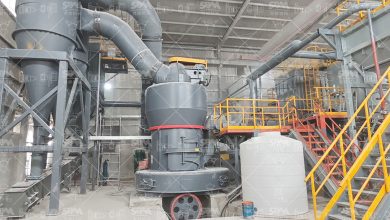
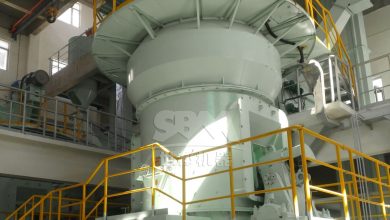
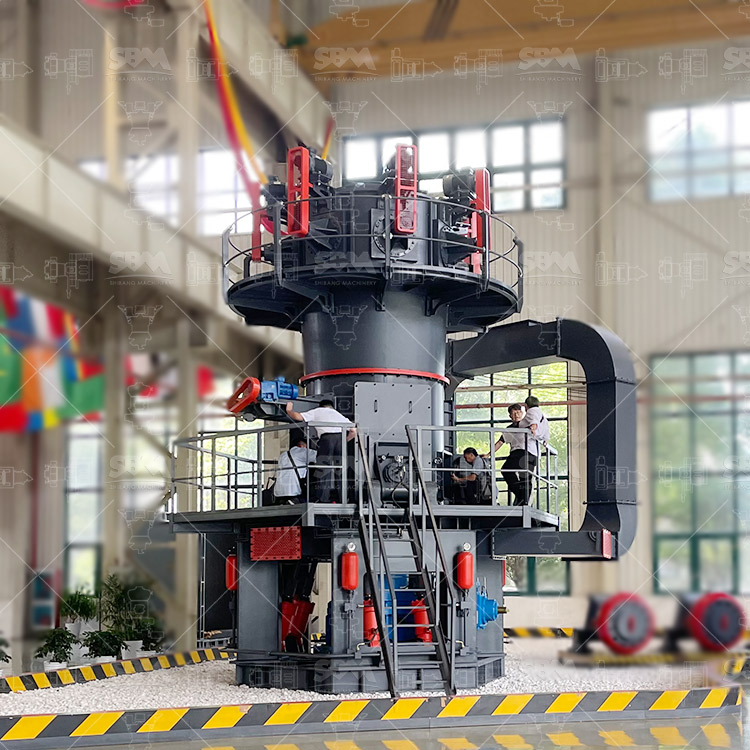
VRMs have become the industry standard for coal grinding due to their integrated drying, grinding, and classification in a single unit. They offer high capacity, low specific power consumption, and excellent wear protection. Our LM Series Vertical Roller Mill is a prime example, specifically designed for coal with dedicated coal mill models (LM80M to LM280M) delivering capacities from 3 to 90 t/h and fineness adjustable between 5% and 20% residue on 90 μm.
Trapezium Mills
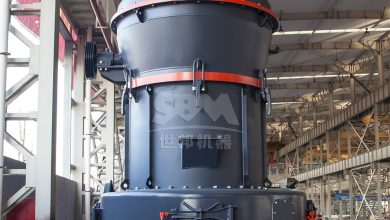
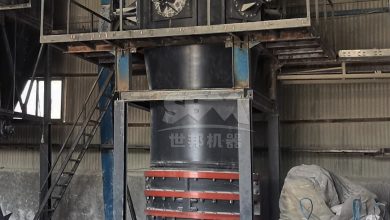
For medium-fine grinding (30–325 mesh), trapezium mills such as our MTW Series European Trapezium Mill provide an excellent balance of capacity, fineness control, and wear life. The MTW’s anti-wear shovel design and curved rollers reduce maintenance costs, while the integral bevel gear drive ensures high transmission efficiency (up to 98%).
Recommended Solution: LM Series Vertical Roller Mill
For large-scale anthracite grinding, particularly for PCI or industrial boilers, the LM Series Vertical Roller Mill is the optimal choice. Its dedicated coal mill series (LM80M to LM280M) is engineered to handle abrasive coals with ease. Key benefits include:
- Integrated Design: Crushing, grinding, and classification in one compact unit reduces floor space by 50% and allows outdoor installation, cutting infrastructure costs by 40%.
- Low Operating Cost: Non-contact grinding rollers and table liners increase wear part life by up to three times compared to ball mills, while energy consumption is 30–40% lower.
- Intelligent Control: Expert-level auto-control system enables remote monitoring and real-time parameter adjustment, minimizing manual intervention.
- Environmental Compliance: Fully sealed negative pressure operation ensures dust emissions are well below international standards, and noise levels are significantly reduced.
With models ranging from LM80M (3–10 t/h) to LM280M (up to 90 t/h), the LM Series can be tailored to any anthracite grinding requirement. The patented modular grinding roller assembly allows quick replacement of wear parts, further reducing downtime.
Recommended Solution: MTW Series European Trapezium Mill
For medium-scale operations or where finer product sizes (down to 325 mesh) are needed, the MTW Series European Trapezium Mill offers outstanding performance. Its design addresses the specific challenges of anthracite:
- Anti-wear Shovel Design: Combined shovel blades and curved rollers extend grinding roller life and reduce maintenance costs.
- Optimized Arc Air Duct: Reduces airflow energy loss and improves transmission efficiency, while high-strength guard plates protect the air duct.
- Integral Bevel Gear Drive: Achieves transmission efficiency up to 98%, saving space and installation costs.
- Wear-resistant Volute Structure: Non-resistance flow design improves air selection efficiency and reduces maintenance costs by 30%.
Models such as MTW138Z (6–17 t/h) and MTW175G (9.5–25 t/h) are well-suited for anthracite pulverization in cement plants, steel mills, and chemical industries. The mill’s precise classification system ensures uniform product fineness, essential for consistent combustion or carbon product quality.
Case Study: Anthracite Grinding for PCI
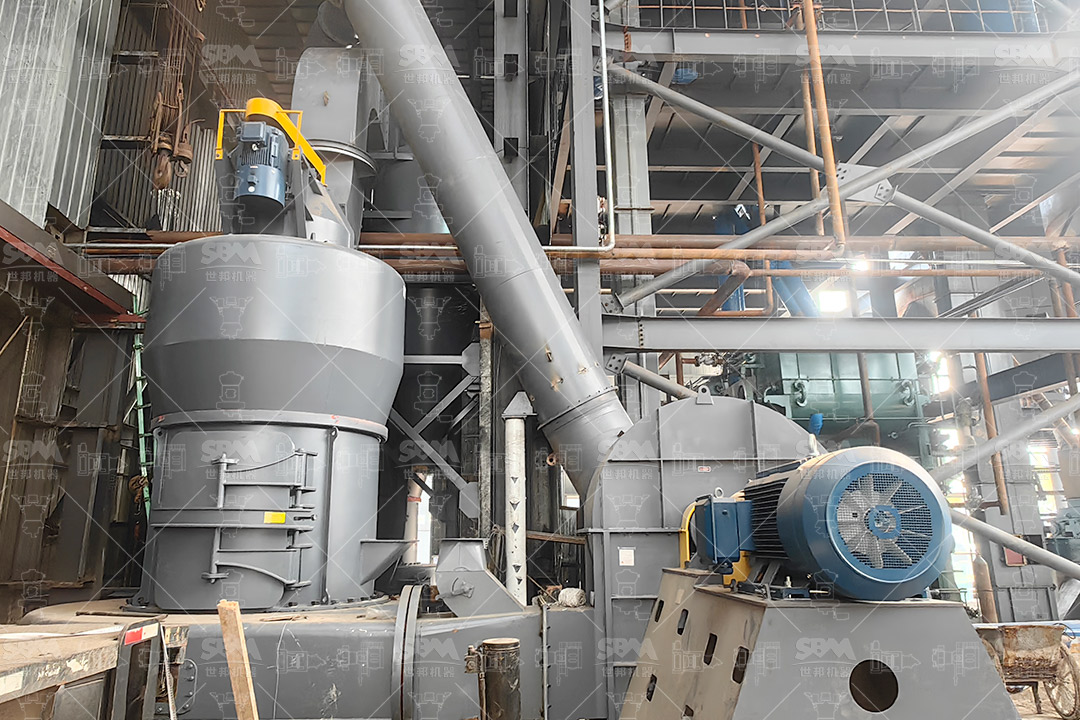
A steel plant in Southeast Asia required pulverized anthracite for blast furnace injection. The target fineness was 80% passing 200 mesh (75 μm) with a capacity of 25 t/h. After evaluating several options, the plant selected an LM220K vertical roller mill (from our Vertical Coal Mill Series) equipped with a dynamic classifier and explosion-proof design. The mill achieved the required fineness while consuming 35% less power than the previous ball mill system. Wear part life exceeded 8,000 hours, and dust emissions were below 10 mg/m³. The compact footprint allowed installation within the existing coal preparation building.
Conclusion
Grinding anthracite coal efficiently requires a mill that combines wear resistance, precise classification, energy efficiency, and environmental compliance. Our LM Series Vertical Roller Mill excels in high-capacity applications, offering integrated drying, grinding, and classification with proven reliability in coal service. For medium-capacity or finer grinding needs, the MTW Series European Trapezium Mill delivers superior wear life and fineness control at low operating cost. By selecting the appropriate model from these two proven lines, operators can achieve optimal anthracite grinding performance, reduce maintenance burden, and meet stringent environmental standards. For detailed specifications and customized solutions, please consult our technical team.