
What Are the Advantages of Using a Vertical Mill for Grinding Silica Stone?
Introduction
Silica stone, also known as quartz or silica sand, is a fundamental raw material in many industries, including glass, ceramics, refractories, foundry, and construction. Its hardness (Mohs 7) and abrasive nature make grinding a challenging and energy-intensive process. Traditional grinding equipment such as ball mills and Raymond mills often suffer from high wear rates, low efficiency, and inconsistent product fineness when processing silica stone. In recent years, vertical mills have emerged as a superior alternative for silica grinding, offering a combination of high efficiency, precise classification, and reduced operating costs. This article explores the key advantages of using a vertical mill for grinding silica stone, supported by technical insights and product recommendations from our company.
1. High Grinding Efficiency and Energy Savings
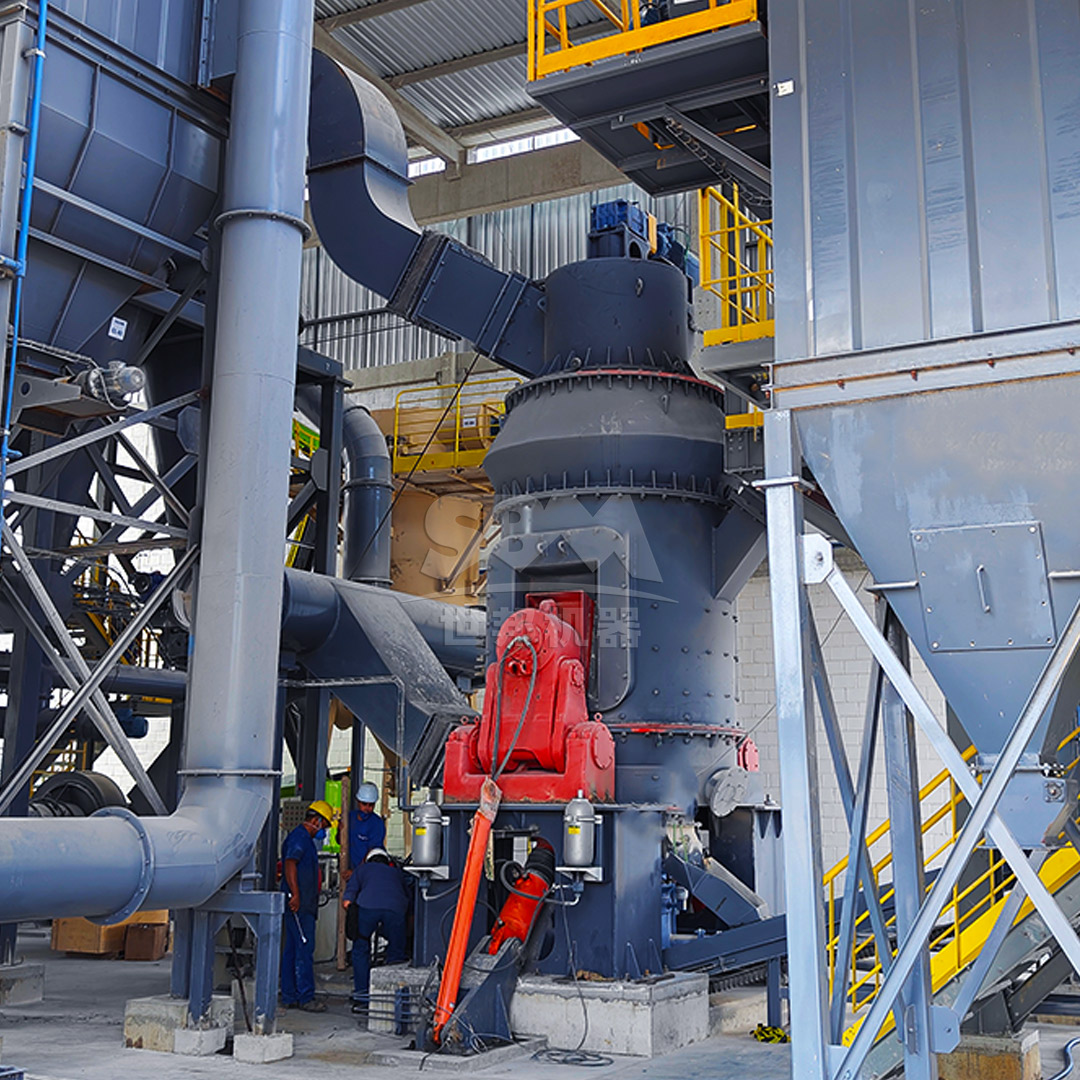
Vertical mills utilize a grinding principle that combines pressure and friction between rollers and a rotating table. This bed-grinding method is significantly more energy-efficient than the impact-based grinding used in ball mills. For silica stone, which is hard and abrasive, the energy consumption of a vertical mill can be 30–40% lower than that of a ball mill system producing the same fineness. Moreover, vertical mills integrate crushing, grinding, and classification into a single unit, reducing the need for auxiliary equipment and thus saving both energy and floor space.
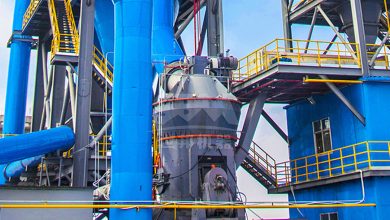
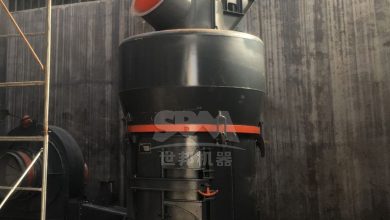
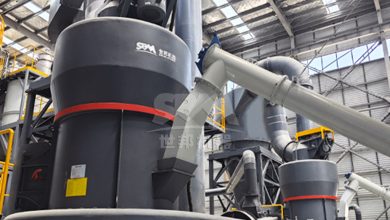
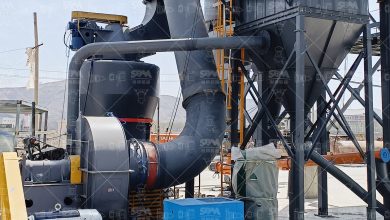
Our company’s LM Series Vertical Roller Mill is a prime example. With its integrated design, it reduces floor space by 50% and can be installed outdoors, cutting infrastructure costs by 40%. The non-contact design between rollers and table minimizes wear, extending wear part life by up to three times. For silica grinding, the LM Series can achieve fineness from 30 to 325 mesh (up to 600 mesh for special models) with capacities ranging from 3 to 250 tons per hour, making it suitable for both small and large-scale operations.
2. Precise Classification and Uniform Product Fineness
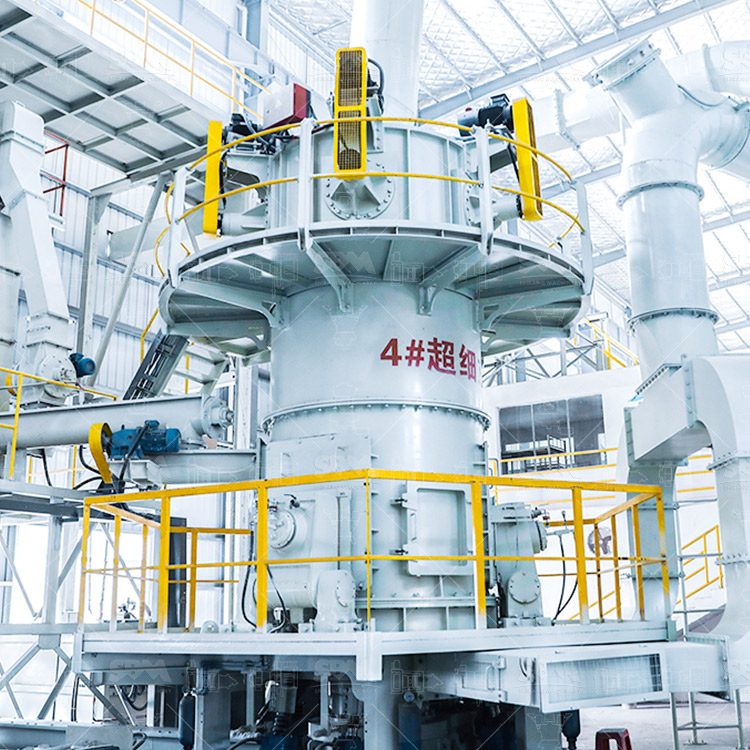
One of the critical challenges in silica grinding is achieving a narrow particle size distribution. Vertical mills are equipped with dynamic classifiers that can precisely cut the particle size, preventing coarse particles from mixing into the finished product. This is particularly important for applications such as glass manufacturing, where consistent fineness directly affects product quality. The vertical turbine classifier in our SCM Series Ultrafine Mill achieves precise particle size cutting, ensuring uniform finished products with no coarse powder mixing. The SCM Series can produce ultrafine silica powder down to 5μm, with capacities from 0.5 to 25 t/h. Its intelligent control system provides automatic feedback on finished product granularity, further enhancing consistency.
3. Reduced Wear and Longer Service Life
Silica stone’s high hardness accelerates wear on grinding components. Vertical mills address this through specialized wear-resistant materials and designs. For instance, the grinding rollers and table liners in vertical mills are typically made of high-chrome alloys or ceramic composites, which can withstand the abrasive nature of silica. Additionally, the bed-grinding action reduces direct impact and abrasion compared to ball mills. Our LUM Ultrafine Vertical Roller Mill features unique roller and liner curves that improve grinding efficiency and reduce wear. The multi-rotor classifier ensures no coarse particles, and the PLC automation ensures stable operation. With models like LUM1525, LUM1632, and LUM1836, capacities range from 1.6 to 15 t/h, and fineness can reach 325–2500 mesh, making it ideal for ultrafine silica processing.
4. Environmental Compliance and Low Noise
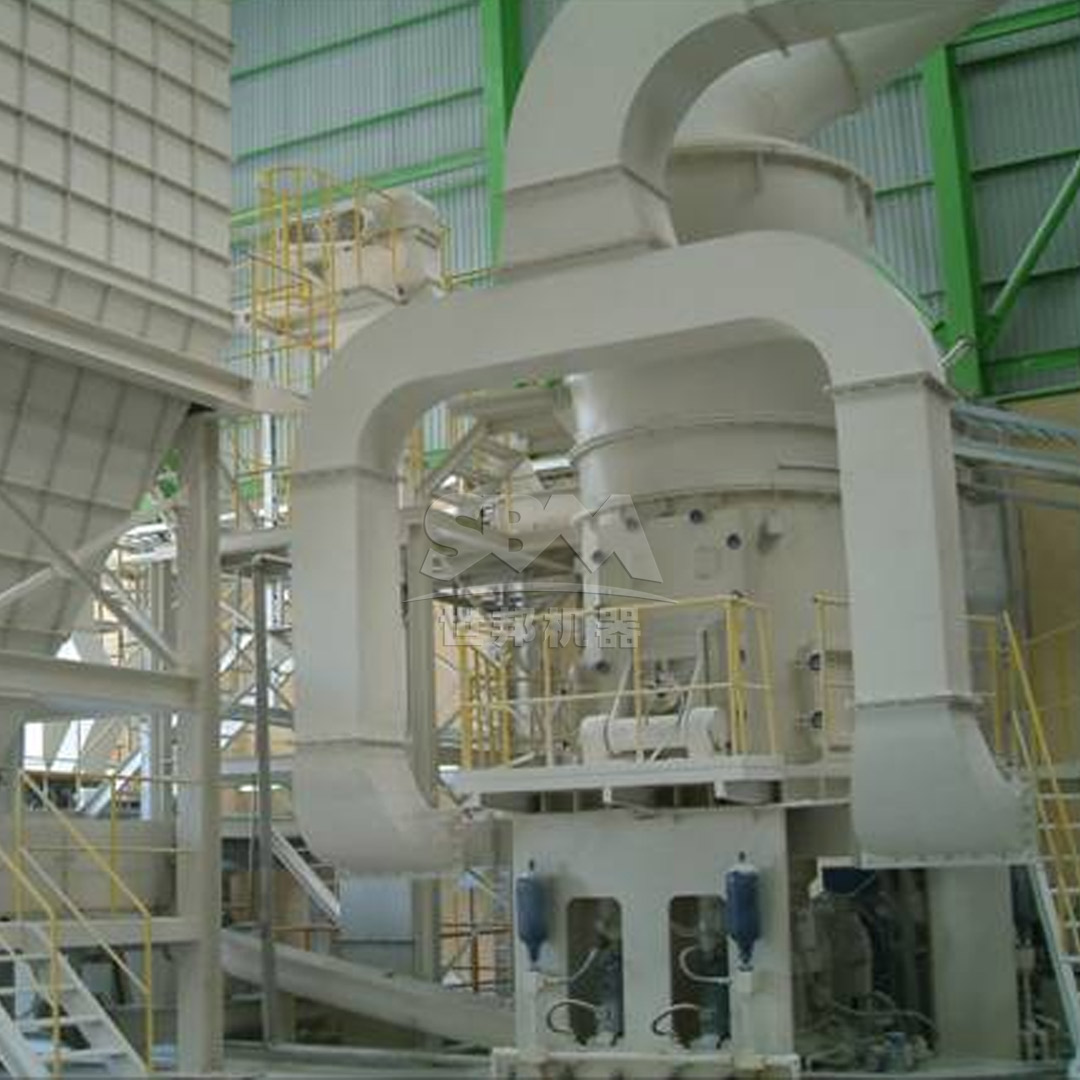
Vertical mills are designed with fully sealed negative pressure operation, preventing dust leakage and ensuring a clean working environment. Pulse dust collection systems achieve high efficiency, often exceeding international standards. Noise levels are also significantly lower than ball mills, thanks to soundproof room designs and damping systems. Our LM Series and SCM Series both incorporate these environmental features. The LM Series operates under negative pressure with dust emission below 10mg/m³, and noise levels are reduced to around 80dB(A). The SCM Series uses a pulse dust collector with efficiency above 99.9%, and its soundproof design ensures quiet operation.
5. Flexible Capacity and Fineness Control
Vertical mills offer a wide range of capacity and fineness adjustments to meet diverse production requirements. Whether you need coarse grinding (30–80 mesh) for construction applications or ultrafine grinding (600–2500 mesh) for high-tech ceramics, a vertical mill can be configured accordingly. Our product lineup includes:
- LM Series Vertical Roller Mill: Capacity 3–250 t/h, fineness 30–325 mesh (up to 600 mesh for special models). Ideal for medium to large-scale silica grinding.
- SCM Series Ultrafine Mill: Capacity 0.5–25 t/h, fineness 325–2500 mesh. Perfect for ultrafine silica powder production.
- LUM Ultrafine Vertical Roller Mill: Capacity 1.6–15 t/h, fineness 325–2500 mesh. Compact and efficient for specialized applications.
These models can be customized with different classifiers, grinding rollers, and automation systems to suit specific silica stone properties and product specifications.
6. Low Maintenance and Operational Costs
Vertical mills are designed for easy maintenance. The modular grinding roller assembly in the LM Series allows quick replacement of wear parts, reducing downtime. The thin oil lubrication system in our MRN Pendulum Mill (another option for silica grinding) is maintenance-free. Additionally, the integrated bevel gear drive in the MTW Series European Trapezium Mill offers transmission efficiency up to 98%, saving energy and reducing installation costs. For silica grinding, the MTW Series can achieve fineness of 30–325 mesh with capacities from 3 to 45 t/h, and its wear-resistant volute structure reduces maintenance costs by 30%.
Conclusion
Vertical mills offer compelling advantages for grinding silica stone: high energy efficiency, precise classification, reduced wear, environmental compliance, flexible fineness control, and low maintenance. These benefits translate into lower operating costs, consistent product quality, and a smaller environmental footprint. Our company’s vertical mill series—including the LM, SCM, and LUM models—are engineered to meet the specific challenges of silica grinding. By choosing the right vertical mill, silica processors can enhance productivity and profitability while meeting stringent quality standards.
For more information on selecting the optimal vertical mill for your silica stone application, please contact our technical team.