Coal Gangue Grinding for Activated Clay Production: Process, Applications, and Equipment Selection
Introduction
Coal gangue, a byproduct of coal mining and washing, has historically been regarded as a waste material with limited economic value. However, with the advancement of material science and processing technologies, coal gangue has emerged as a valuable resource for producing activated clay, a highly adsorbent material widely used in petroleum refining, bleaching of oils and fats, and environmental remediation. The key to unlocking this value lies in efficient grinding and activation processes. This article explores the process, applications, and equipment selection for coal gangue grinding in activated clay production, with a focus on advanced milling solutions.
Coal Gangue as a Raw Material for Activated Clay
Coal gangue typically contains clay minerals such as kaolinite, illite, and montmorillonite, along with carbonaceous matter and trace metals. When properly processed—through grinding, calcination, and acid activation—these clay minerals can be transformed into activated clay with high surface area and porosity. The grinding stage is critical because it determines the particle size distribution, which in turn affects the efficiency of subsequent activation and the final adsorption capacity of the product.
For activated clay production, the target fineness usually ranges from 200 to 400 mesh (approximately 74 to 38 microns), although ultrafine grinding to 800–1250 mesh may be required for specialized applications. The choice of grinding equipment thus depends on the desired fineness, capacity, and energy efficiency.
Grinding Process for Activated Clay Production
The typical process flow for producing activated clay from coal gangue includes crushing, grinding, calcination, acid activation, washing, drying, and pulverizing. Grinding is often performed after calcination to ensure that the clay minerals are adequately liberated and to increase the surface area for acid attack.
In some cases, pre-grinding before calcination is also employed to improve heat transfer and reaction kinetics. The grinding circuit may be open or closed, with classifiers to control the top size. For activated clay, a narrow particle size distribution is desirable to ensure consistent product quality.
Applications of Activated Clay
Activated clay is predominantly used as an adsorbent for decolorizing and refining edible oils, animal fats, and petroleum fractions. It is also employed in the production of lubricants, waxes, and greases, as well as in wastewater treatment to remove heavy metals and organic pollutants. The effectiveness of activated clay in these applications is directly related to its specific surface area and pore structure, which are influenced by the grinding and activation processes.
In the petroleum industry, activated clay serves as a catalyst and catalyst support. In environmental protection, it is used for air purification and soil remediation. The growing demand for eco-friendly materials has further boosted the market for activated clay, making the efficient processing of coal gangue an attractive business opportunity.
Equipment Selection for Coal Gangue Grinding
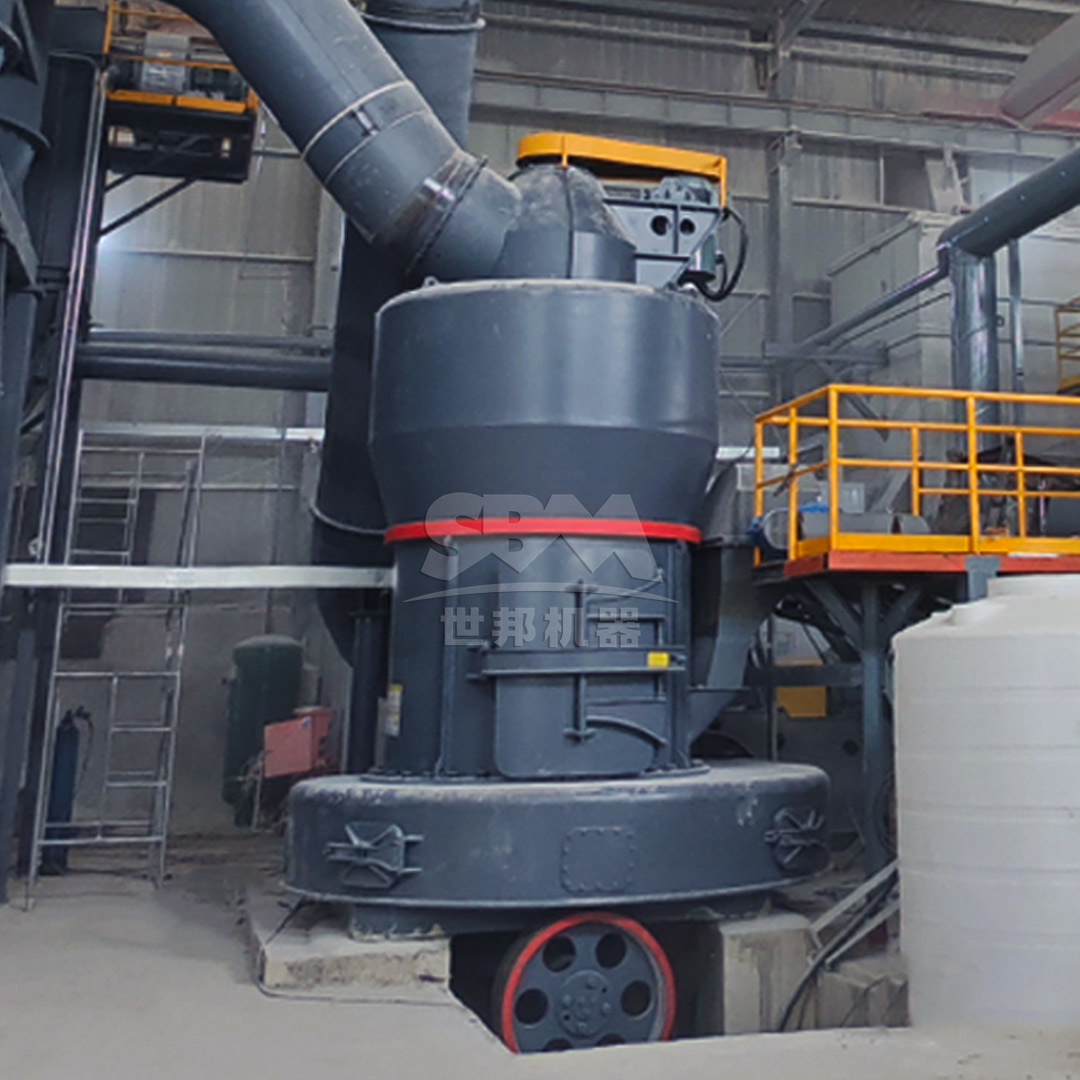
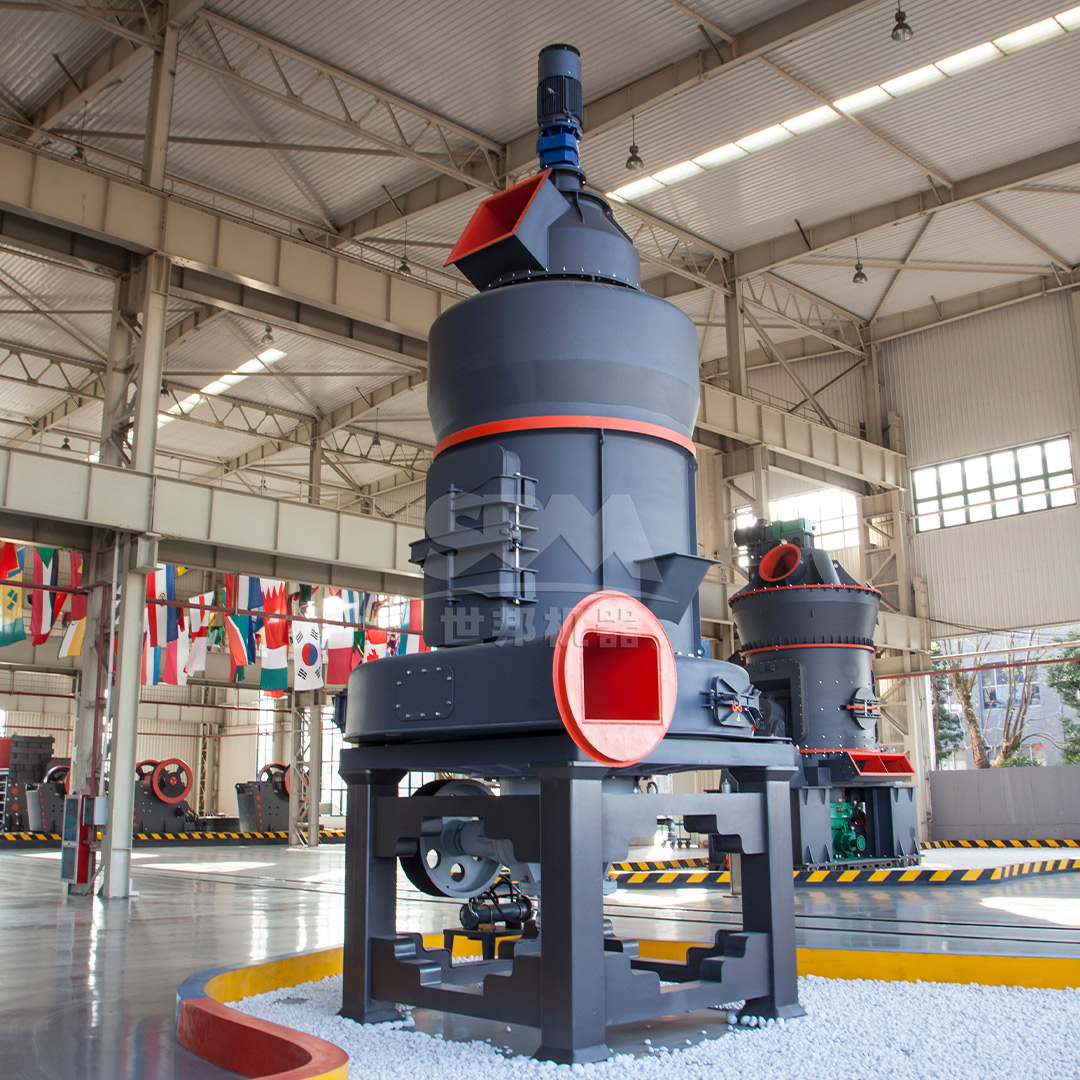
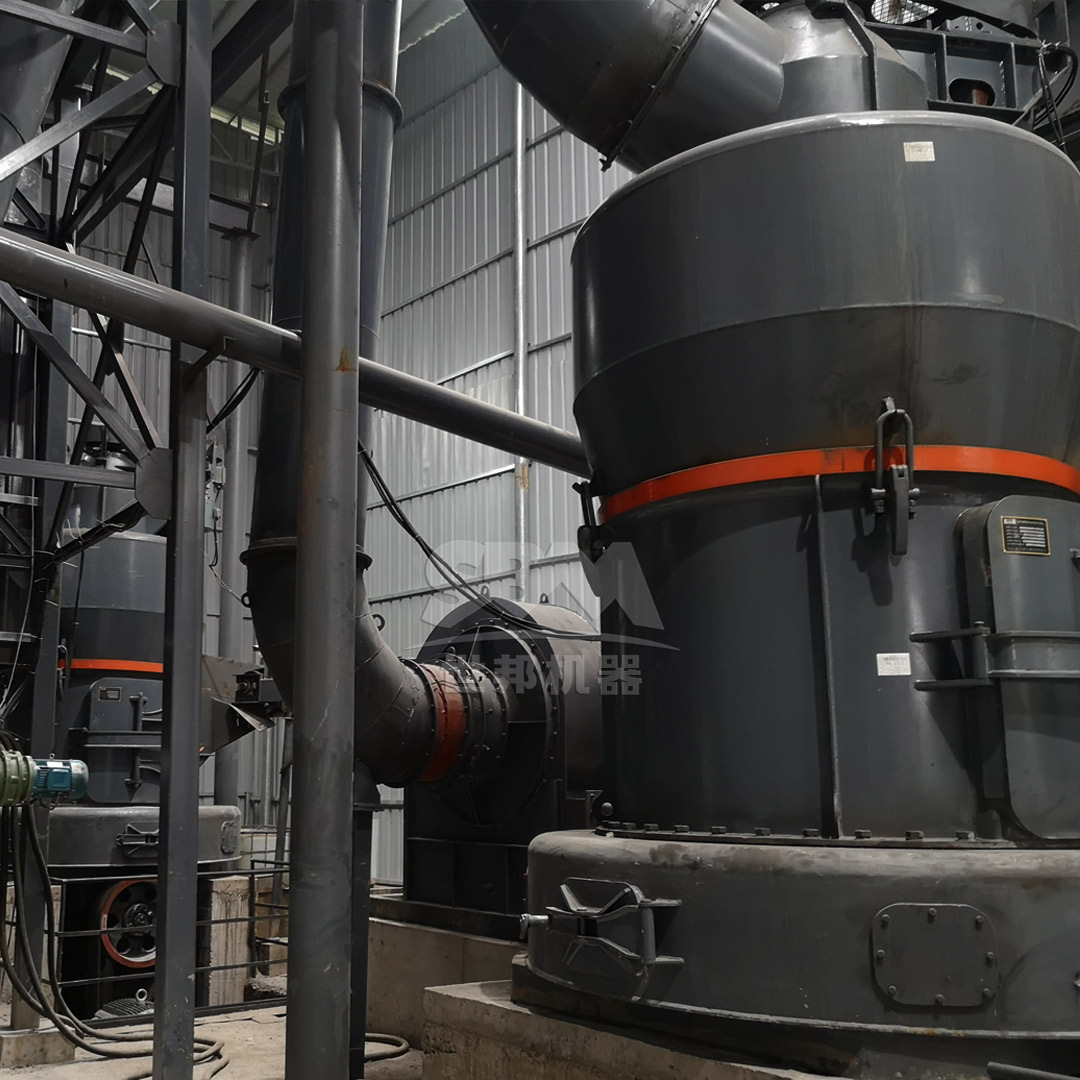
Selecting the right grinding mill is crucial for optimizing production costs and product quality. Factors to consider include feed size, product fineness, capacity, energy consumption, maintenance requirements, and environmental compliance. Below are two recommended products from our company that are well-suited for coal gangue grinding in activated clay production.
SCM Series Ultrafine Mill
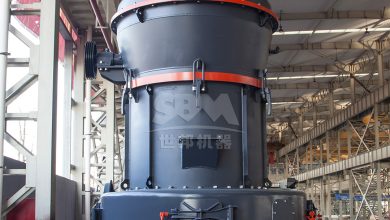
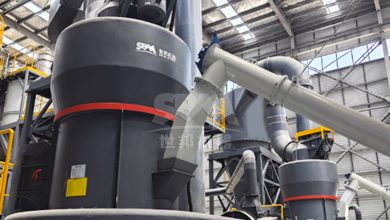
The SCM Series Ultrafine Mill is an ideal choice for producing ultrafine activated clay powder. With a fineness range of 325–2500 mesh and capacity up to 25 t/h (model SCM1680), it can handle the demanding requirements of activated clay production. Its high-precision vertical turbine classifier ensures precise particle size cutting, eliminating coarse powder contamination. The mill is designed for high efficiency and energy saving, with capacity twice that of jet mills and 30% lower energy consumption. The durable rollers and rings, made of special materials, extend service life, while the shaftless screw grinding chamber ensures stable operation. The pulse dust collection system exceeds international standards, and the soundproof room design keeps noise levels low.
For activated clay producers seeking ultrafine grinding, the SCM800 model offers a capacity of 0.5–4.5 t/h with a main power of 75 kW, making it suitable for small to medium-scale operations. Larger models like the SCM1250 and SCM1680 provide capacities of 2.5–14 t/h and 5–25 t/h respectively, catering to high-volume production.
MTW Series European Trapezium Mill
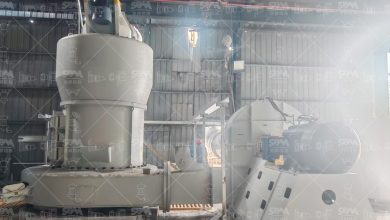
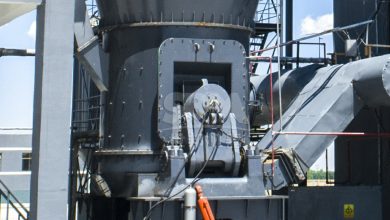
For medium-fine grinding, the MTW Series European Trapezium Mill is an excellent option. With a fineness range of 30–325 mesh and capacity up to 45 t/h (model MTW215G), it is well-suited for producing activated clay with fineness up to 325 mesh. The mill features an anti-wear shovel design that reduces maintenance costs and extends roller life. The optimized arc air duct reduces airflow energy loss, improving transmission efficiency. The integral bevel gear drive offers transmission efficiency up to 98%, saving space and reducing installation costs. The wear-resistant volute structure improves air selection efficiency and reduces maintenance costs by 30%.
Models such as the MTW138Z and MTW175G are popular choices for activated clay production, offering capacities of 6–17 t/h and 9.5–25 t/h respectively. The MTW215G, with a capacity of 15–45 t/h, is ideal for large-scale operations. The patented internal suction oil lubrication system and pulse dust removal technology ensure reliable and eco-friendly operation.
Conclusion
The production of activated clay from coal gangue is a sustainable and economically viable approach to waste utilization. The grinding stage is pivotal in determining the quality and performance of the final product. By selecting the appropriate grinding equipment—such as the SCM Series Ultrafine Mill for ultrafine powders or the MTW Series European Trapezium Mill for medium-fine powders—producers can achieve high efficiency, low energy consumption, and consistent product quality. Our company’s advanced mills are designed to meet these challenges, offering reliable performance, environmental compliance, and cost-effective operation. For more information on equipment selection and process optimization, please consult our technical team.