Steel Slag Grinding Machine Processing Solution: Equipment Selection & Production Line Design
Introduction to Steel Slag and Its Processing Challenges
Steel slag is a by-product generated during the steelmaking process, accounting for approximately 15–20% of crude steel output. With global steel production exceeding 1.8 billion tons annually, the disposal and utilization of steel slag have become critical environmental and economic issues. Steel slag contains valuable components such as calcium, iron, and silicon, making it suitable for applications in cement production, road construction, soil remediation, and even the recovery of metallic iron. However, steel slag is characterized by high hardness, irregular particle shapes, and the presence of metallic iron, which pose significant challenges for grinding equipment. Therefore, selecting the right grinding machine and designing an efficient production line are essential for maximizing the value of steel slag while minimizing operational costs and environmental impact.
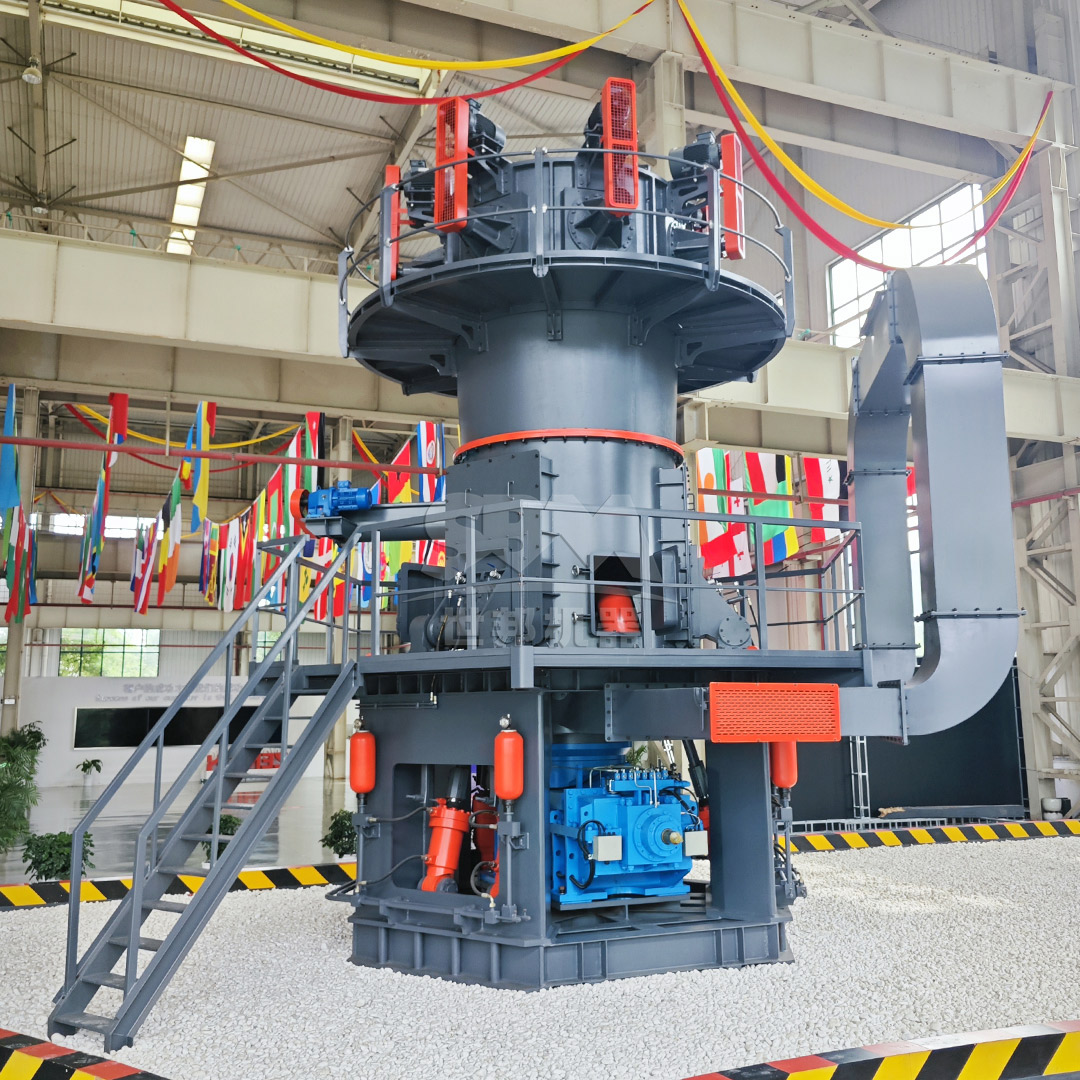
Key Factors in Equipment Selection for Steel Slag Grinding
When choosing a grinding machine for steel slag, several factors must be considered: feed size, required product fineness, capacity, energy consumption, wear resistance, and environmental compliance. Steel slag typically has a Mohs hardness of 5–7 and may contain metallic iron particles, which can cause severe wear on grinding components. Therefore, the equipment must be robust, durable, and equipped with effective dust collection. Additionally, the grinding system should be capable of handling high moisture content and variable feed characteristics. Based on these requirements, vertical roller mills, trapezium mills, and ultrafine mills are commonly used in steel slag processing.
Recommended Equipment for Steel Slag Grinding
1. LM Series Vertical Roller Mill – The Ideal Choice for Large-Scale Steel Slag Grinding
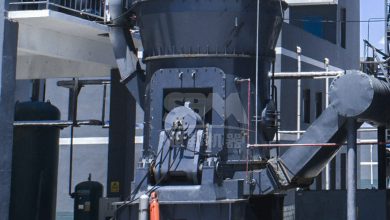
The LM Series Vertical Roller Mill is a highly efficient and energy-saving grinding solution, particularly suitable for large-scale steel slag processing. Its integrated design combines crushing, grinding, and classification, reducing floor space by 50% and infrastructure costs by 40%. The non-contact design between rollers and table extends wear part life by up to three times, while energy consumption is 30–40% lower than traditional ball mill systems. The LM Series is available in various models, including the LM130N to LM370N for slag grinding, with capacities ranging from 4 to 110 t/h and specific surface areas up to 420 m²/kg. The intelligent control system enables remote monitoring and real-time parameter adjustment, ensuring stable operation and consistent product quality. With its fully sealed negative pressure operation, the LM Series meets stringent environmental standards, making it an excellent choice for steel slag grinding plants.
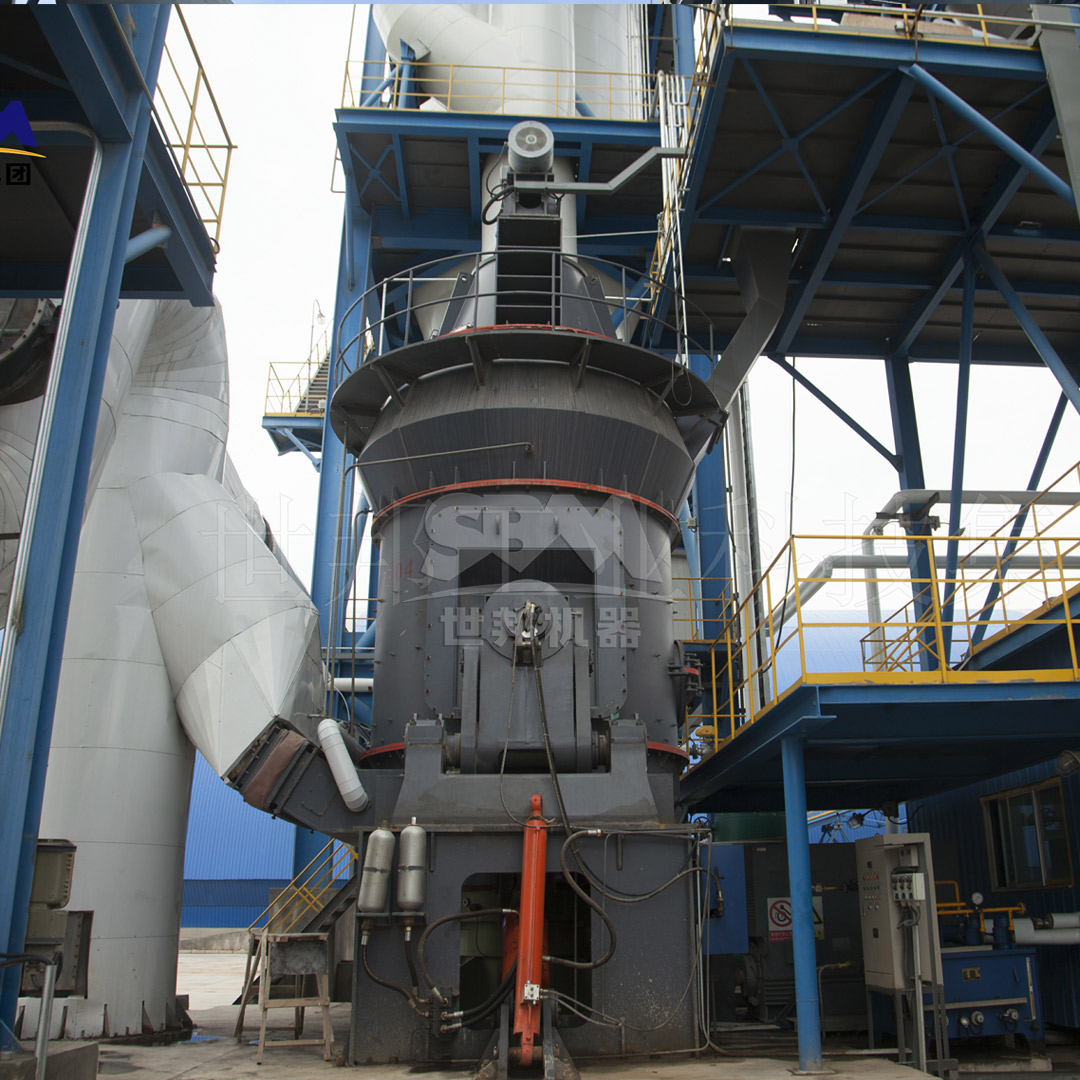
2. SCM Series Ultrafine Mill – For High-Fineness Steel Slag Powder Production
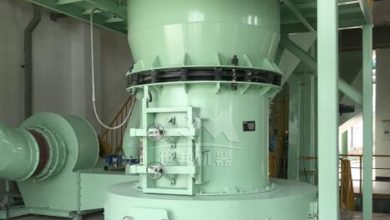
When ultrafine steel slag powder is required for high-value applications such as supplementary cementitious materials or fillers, the SCM Series Ultrafine Mill is the optimal solution. This mill produces powder with fineness ranging from 325 to 2500 mesh (45–5 μm) and capacities from 0.5 to 25 t/h. Its vertical turbine classifier ensures precise particle size cutting with no coarse powder mixing, resulting in uniform finished products. The SCM Series is equipped with intelligent control that provides automatic feedback on product granularity, and its special material rollers and rings extend service life significantly. Compared to jet mills, the SCM Series offers twice the capacity with 30% lower energy consumption. The pulse dust collection system exceeds international standards, and the soundproof room design ensures a quiet working environment. For steel slag processors aiming at high-value-added products, the SCM Series is a reliable and efficient choice.
Production Line Design for Steel Slag Grinding
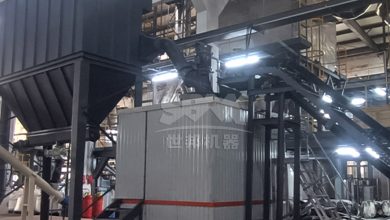
A typical steel slag grinding production line consists of the following stages: raw material storage, feeding, grinding, classification, powder collection, and finished product storage. The design should consider the specific properties of steel slag, such as its abrasive nature and potential iron content. A pre-grinding stage using a hammer mill or jaw crusher may be necessary to reduce the feed size to less than 20–50 mm. The grinding stage can employ a vertical roller mill for large-scale production or an ultrafine mill for high-fineness requirements. The classification stage ensures that only qualified powder is collected, while coarse particles are returned for re-grinding. Dust collectors and noise reduction measures are essential for environmental compliance.
For a typical steel slag grinding plant with a capacity of 30–50 t/h and a product fineness of 400–500 m²/kg, the following configuration is recommended:
- Feeding system: Vibrating feeder and belt conveyor to transport raw slag to the mill.
- Grinding system: LM Series Vertical Roller Mill (e.g., LM190K or LM220K) equipped with a high-efficiency classifier.
- Dust collection: Pulse jet bag filter with a filtration area based on the mill’s air volume.
- Product collection: Cyclone collector and air slide to transport finished powder to storage silos.
- Control system: PLC-based automation with remote monitoring and automatic adjustment of grinding parameters.
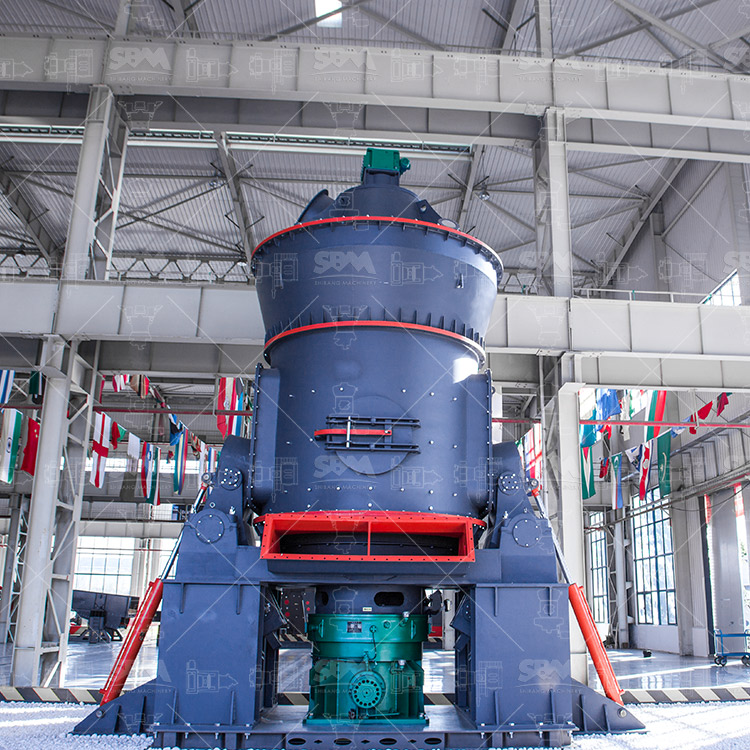
Case Study: Efficient Steel Slag Processing with LM Series Vertical Roller Mill
A steel plant in China installed an LM190K vertical roller mill to process steel slag for cement admixture. The feed size was ≤45 mm, and the product fineness was 420 m²/kg. The system achieved a capacity of 50 t/h with a main motor power of 500 kW. The grinding rollers and table liners were made of high-chromium alloy, resulting in a service life of over 8,000 hours. The pulse dust collector ensured dust emission concentration below 10 mg/m³, meeting the strictest environmental regulations. The automated control system reduced labor requirements and maintained consistent product quality. The plant reported a 35% reduction in energy consumption compared to the previous ball mill system, and the finished steel slag powder was sold at a premium for use in high-performance concrete.
Conclusion
Steel slag grinding is a challenging but rewarding process that requires careful equipment selection and production line design. The LM Series Vertical Roller Mill and SCM Series Ultrafine Mill from our company offer reliable, efficient, and eco-friendly solutions for steel slag processing. By leveraging advanced technologies such as intelligent control, high-precision classification, and durable wear parts, these mills can help steel manufacturers and recyclers turn steel slag into valuable products while reducing operating costs and environmental impact. For more information on equipment selection and customized production line design, please contact our technical team.