What Are the Prospects of Steel Slag Powder Production and What Equipment Is Needed?
Introduction: Steel Slag – From Waste to Valuable Resource
Steel slag is a major by-product of the steelmaking process, accounting for roughly 15–20% of crude steel output. Historically treated as a waste material and stockpiled or landfilled, steel slag has now emerged as a valuable secondary resource thanks to advances in grinding and processing technology. Among its many applications, the production of steel slag powder (also called steel slag micro-powder or GGBS-like powder) has attracted significant attention from investors, cement producers, and construction material companies worldwide.
In this article, we analyze the market prospects of steel slag powder production, its applications, and the key equipment required to build a profitable steel slag grinding plant. We also introduce two of our most recommended grinding solutions: the LM Series Vertical Slag Mill and the SCM Series Ultrafine Mill.
Why Steel Slag Powder? The Driving Forces
Steel slag powder is produced by grinding steel slag to a fine powder, typically in the range of 325–625 mesh (45–20 μm) or even finer. Its chemical composition – rich in calcium, silicon, aluminum, and iron oxides – gives it cementitious and pozzolanic properties similar to those of ground granulated blast furnace slag (GGBS).
Several powerful trends are driving the demand for steel slag powder:
- Environmental regulations: Governments are tightening rules on industrial solid waste disposal. Steel mills are encouraged – or required – to recycle slag rather than dump it.
- Carbon reduction in cement: Replacing part of Portland cement clinker with steel slag powder reduces CO₂ emissions per ton of binder by 30–50%.
- Circular economy policies: Steel slag powder fits perfectly into the “waste-to-resource” model promoted by many countries.
- Infrastructure demand: High-performance concrete, road bases, and marine structures increasingly use slag powder as a supplementary cementitious material.
Market Prospects: A Growing Global Opportunity
The global steel slag market was valued at several billion USD in recent years and is projected to grow at a compound annual growth rate (CAGR) of 4–6% through 2030. Asia-Pacific – led by China, India, Japan, and South Korea – dominates both steel production and slag generation, and is also the fastest-growing market for slag powder processing equipment.
In China alone, annual steel slag output exceeds 100 million tons, yet the comprehensive utilization rate still lags behind that of blast furnace slag. This gap represents a massive business opportunity for slag grinding plants. Similar potential exists in Europe, North America, and emerging steel-producing regions such as Southeast Asia, the Middle East, and Latin America.
Key end-use segments include:
- Cement and concrete: 50–60% of steel slag powder consumption.
- Road construction: Asphalt filler and road base stabilizer.
- Soil improvement: Silicate and calcium content benefits acidic soils.
- Wastewater treatment: Adsorption of heavy metals and phosphates.
- Ceramics and glass: Raw material for specialty products.
Challenges in Steel Slag Grinding
Although the prospects are bright, steel slag is not the easiest material to grind. It has several challenging characteristics:
- High hardness and abrasiveness: Steel slag contains metallic iron and hard minerals, causing rapid wear on grinding parts.
- Presence of free iron: Iron particles can damage mill liners and rollers if not removed beforehand.
- Moisture content: Slag often arrives with 5–10% moisture, requiring drying during grinding.
- Required fineness: To achieve good cementitious activity, slag powder usually needs a specific surface area of 420–500 m²/kg, corresponding to 325–625 mesh.
These factors mean that general-purpose mills are often inefficient or uneconomical for steel slag. Instead, specialized slag grinding equipment is required – equipment that combines drying, grinding, and classifying in one system, with wear-resistant components and high energy efficiency.
What Equipment Is Needed for Steel Slag Powder Production?
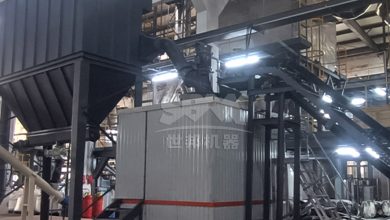
A typical steel slag powder production line includes the following stages and equipment:
- Crushing and iron removal: Jaw crushers, hammer mills, and magnetic separators to break slag lumps and remove free iron.
- Grinding: The heart of the plant – vertical roller mills, ball mills, or ultrafine mills.
- Drying: Hot air furnace or waste heat from the grinding process.
- Classification: Dynamic classifiers to ensure precise particle size.
- Dust collection: Pulse bag filters to meet emission standards.
- Conveying and storage: Bucket elevators, air slides, and silos.
Among these, the grinding mill is the most critical investment. It determines capacity, fineness, energy consumption, and overall profitability. Below we recommend two of our most proven solutions for steel slag powder production.
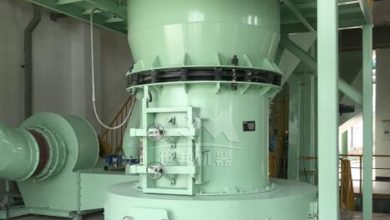
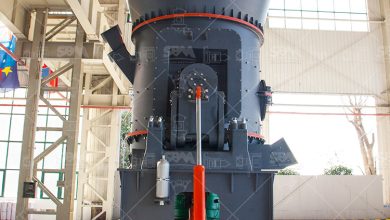
Recommended Equipment 1: LM Series Vertical Slag Mill
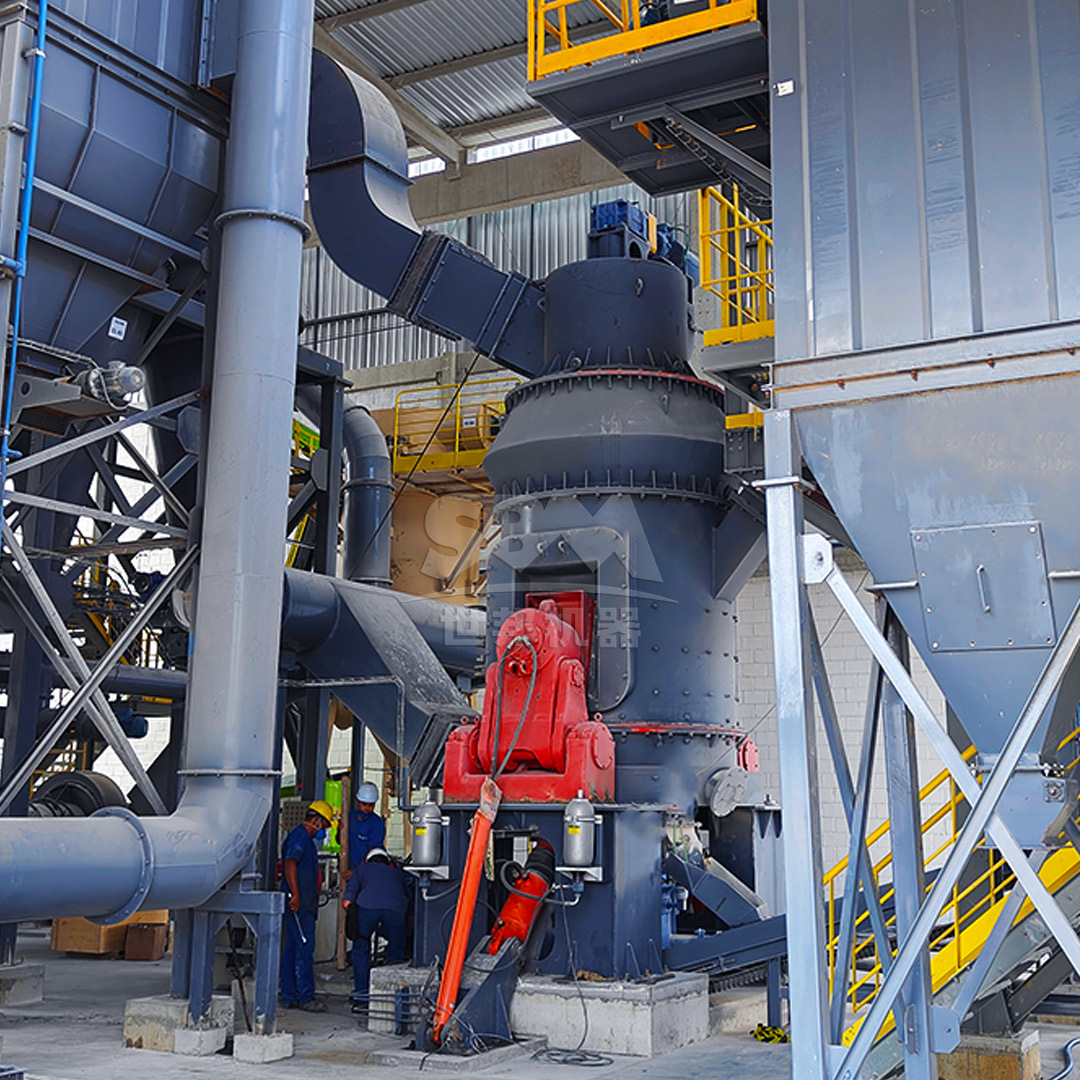
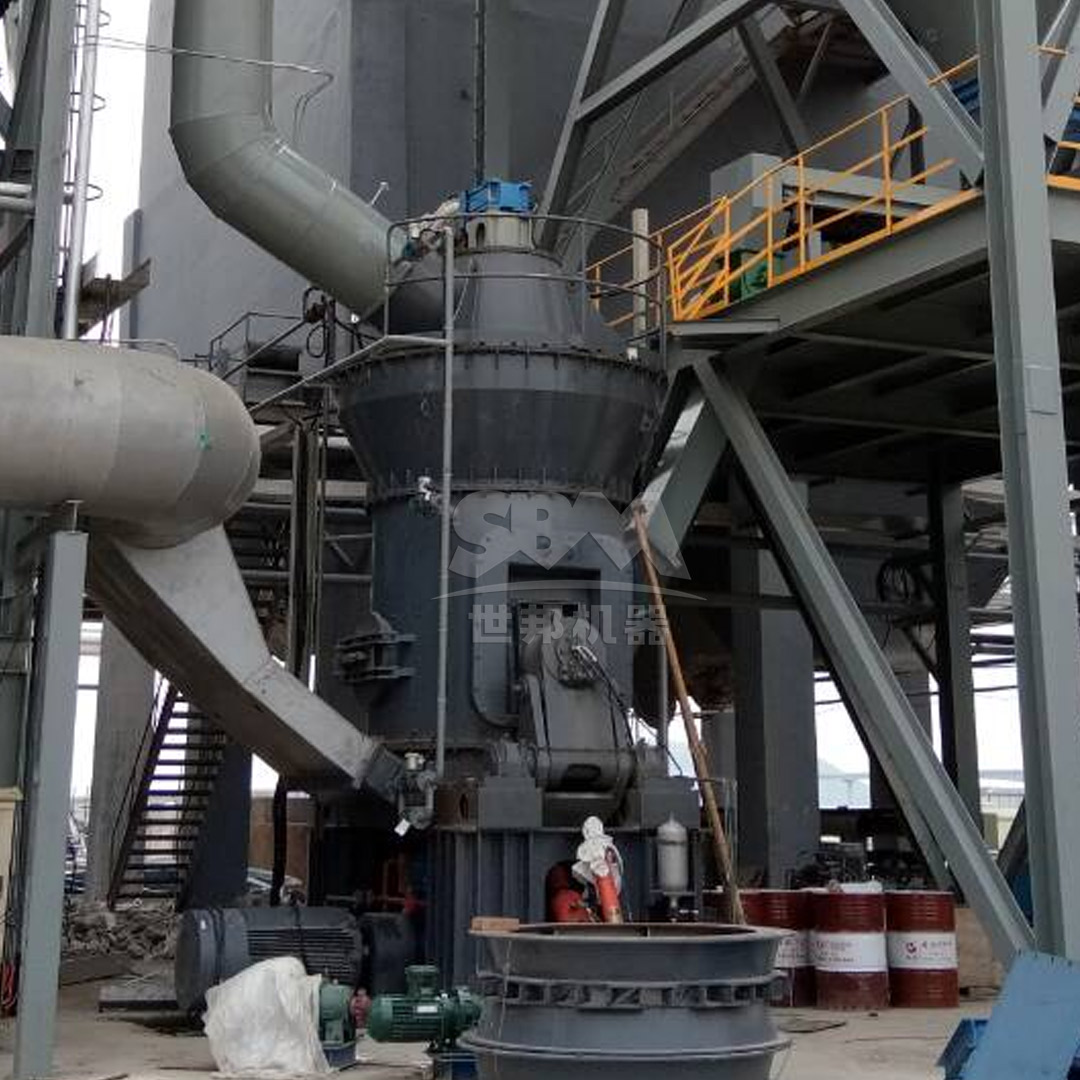
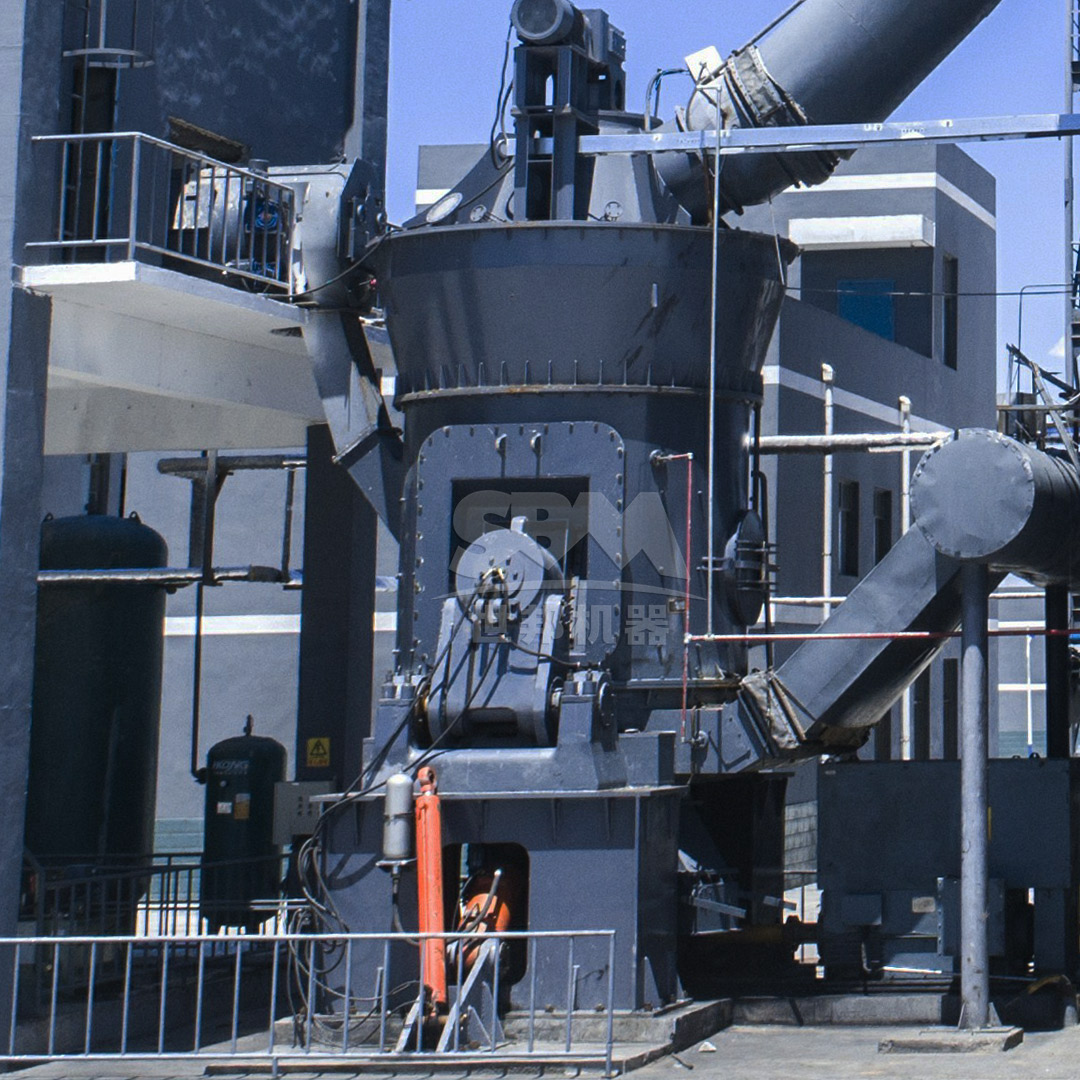
Our LM Series Vertical Slag Mill (LM130N to LM370N) is specifically engineered for grinding steel slag, blast furnace slag, and other metallurgical wastes. It integrates crushing, drying, grinding, and classifying into a single compact system.
Why it is ideal for steel slag powder:
- Dedicated slag design: Special wear-resistant roller and table liners handle the abrasive nature of steel slag. Wear part life is extended by 3x compared to conventional designs.
- Integrated drying: Hot air can be introduced directly into the mill, allowing raw slag with up to 10–15% moisture to be processed without a separate dryer.
- High capacity: Models range from 4 t/h to 110 t/h, suitable for both small and large steel mills.
- Energy efficient: Energy consumption is 30–40% lower than a traditional ball mill system.
- Precise fineness: Dynamic classifier ensures adjustable fineness from 325 to 625 mesh, with specific surface area up to 500 m²/kg.
- Environmental compliance: Fully sealed negative pressure operation and pulse dust collection guarantee emissions below 10 mg/m³.
Key models for steel slag powder:
- LM130N: 4–10 t/h, main power 200 kW
- LM150N: 6–15 t/h, main power 280 kW
- LM190N: 10–30 t/h, main power 500 kW
- LM220N: 20–50 t/h, main power 800 kW
- LM280N: 30–110 t/h, main power 1250–3300 kW
With its modular grinding roller assembly and quick-change system, maintenance downtime is minimized – a crucial factor for steel mills that cannot afford long stoppages.
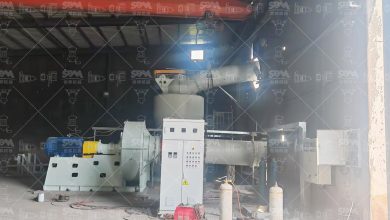
Recommended Equipment 2: SCM Series Ultrafine Mill
For applications requiring ultra-fine steel slag powder (finer than 625 mesh, down to 2500 mesh), the SCM Series Ultrafine Mill is the preferred choice. While vertical slag mills are excellent for standard GGBS fineness, SCM mills can produce powders with specific surface areas exceeding 600 m²/kg, used in high-performance concrete and specialty cement.
Technical highlights:
- Output fineness: 325–2500 mesh (45–5 μm), adjustable via high-precision vertical turbine classifier.
- Capacity: 0.5–25 t/h depending on model (SCM800 to SCM1680).
- Energy saving: Capacity is twice that of a jet mill at 30% lower energy consumption.
- Durable design: Special material rollers and rings extend service life several times over; shaftless screw grinding chamber ensures stable operation.
- Eco-friendly: Pulse dust collection efficiency exceeds international standards; soundproof room keeps noise below 75 dB.
For steel slag projects where ultra-fine powder commands a premium price, the SCM mill offers an excellent return on investment.
Economic Analysis: Is Steel Slag Powder Production Profitable?
A typical steel slag grinding plant with a capacity of 30 t/h (approximately 200,000 t/year) requires an investment of roughly USD 2–5 million, depending on automation level and site conditions. Operating costs primarily include:
- Raw slag: often available at low cost or even free from steel mills.
- Electricity: 30–45 kWh per ton of powder (vertical mill) or 50–70 kWh (ball mill).
- Wear parts: rollers and liners, typically 0.5–1.5 USD per ton.
- Labor and maintenance: relatively low with modern automated systems.
The selling price of steel slag powder varies by region and fineness, but generally ranges from USD 40 to 120 per ton. With raw material costs near zero and energy efficiency improving, many plants achieve a payback period of 2–4 years. The environmental benefits – reduced landfill, lower cement CO₂ emissions – add further value through carbon credits and green building certifications.
Case Example: Successful Steel Slag Powder Plant in East Asia
A 500,000 t/year steel slag grinding plant in East Asia, equipped with two LM220N vertical slag mills, has been operating since 2020. The plant processes steel slag from a nearby integrated steel mill, producing powder with a specific surface area of 450 m²/kg. The powder is sold to local cement plants and concrete producers. Key results:
- Energy consumption: 38 kWh/t
- Wear part replacement: every 8,000–10,000 hours
- Dust emission: < 8 mg/m³
- Payback period: 2.8 years
This project demonstrates that with the right equipment, steel slag powder production is both technically feasible and financially attractive.
How to Choose the Right Equipment
Selecting the optimal mill for steel slag powder depends on several factors:
- Target fineness and specific surface area: For standard GGBS (420–450 m²/kg), a vertical slag mill is most efficient. For ultra-fine powder (>600 m²/kg), consider the SCM ultrafine mill.
- Capacity requirement: Match the mill model to your available slag supply and market demand.
- Moisture content: If slag moisture is above 5%, choose a mill with integrated drying capability.
- Iron content: Ensure proper pre-removal of metallic iron to protect grinding parts.
- Automation level: Modern PLC control reduces labor and ensures stable quality.
Our engineering team can provide free consultation, material testing, and customized plant design. Whether you are a steel mill looking to recycle your own slag or an independent investor entering the slag powder business, we have the right solution.
Conclusion: A Bright Future for Steel Slag Powder
The prospects of steel slag powder production are excellent. Driven by environmental regulations, carbon reduction goals, and the circular economy, demand for high-quality steel slag powder will continue to rise. The technology is mature, the raw material is abundant and cheap, and the market is growing. The key to success lies in selecting the right grinding equipment – equipment that is durable, energy-efficient, and capable of producing consistent, high-quality powder.
For most steel slag powder projects, we recommend the LM Series Vertical Slag Mill as the primary choice, with the SCM Series Ultrafine Mill as a complementary solution for ultra-fine applications. Both are backed by our decades of experience in grinding technology and our global service network.
Contact us today to discuss your steel slag powder project and receive a customized proposal.