Can Coal Tar Pitch Blocks Be Ground into Powder? A Guide for Grinding Mill Buyers
Introduction
Coal tar pitch is a highly viscous, dark-colored residue obtained from the distillation of coal tar. It is widely used as a binder in the production of carbon anodes for aluminum smelting, graphite electrodes, and refractory materials. In many industrial processes, coal tar pitch is supplied in solid block form, which must be ground into fine powder before further processing. This raises a common question among buyers: Can coal tar pitch blocks be ground into powder? The answer is a resounding yes—but the grinding process demands specialized equipment due to the material’s thermoplastic nature, tendency to soften at elevated temperatures, and abrasive characteristics. This guide explores the feasibility, challenges, and optimal mill solutions for grinding coal tar pitch blocks, helping you make an informed purchasing decision.
Why Grind Coal Tar Pitch?
Grinding coal tar pitch into powder offers several advantages:
- Improved mixing and homogeneity: Fine powder blends more uniformly with aggregates and other additives, ensuring consistent product quality.
- Enhanced reactivity: Smaller particles have a larger surface area, which accelerates melting and binding during subsequent processes.
- Easier handling and dosing: Powder can be transported pneumatically and weighed accurately, unlike bulky blocks.
- Better control of final properties: Particle size distribution directly influences the density, porosity, and mechanical strength of carbon artifacts.
Typical target fineness for coal tar pitch powder ranges from 200 mesh (75 μm) to 600 mesh (25 μm) or even finer, depending on the application.
Challenges in Grinding Coal Tar Pitch
While grinding is feasible, coal tar pitch presents specific difficulties that ordinary mills cannot handle efficiently:
- Thermoplasticity: Coal tar pitch softens at relatively low temperatures (around 70–120°C). The heat generated during grinding can cause the material to become sticky, leading to agglomeration, clogging, and reduced throughput.
- Abrasiveness: Despite its organic nature, coal tar pitch may contain hard mineral impurities that accelerate wear on grinding elements.
- Dust explosion risk: Fine organic dust can form explosive mixtures with air. Thus, the grinding system must incorporate explosion-proof design and efficient dust collection.
- Moisture sensitivity: Excessive moisture can cause caking and hinder grinding. Pre-drying may be required.
To overcome these challenges, the mill must provide effective cooling, precise temperature control, and robust construction. Additionally, a closed-loop system with inert gas purging can mitigate explosion risks.
Which Grinding Mill Is Best for Coal Tar Pitch?
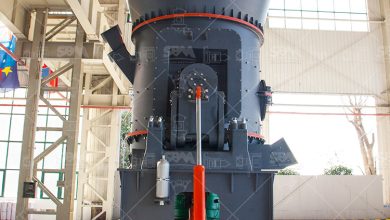
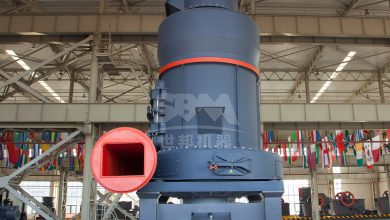
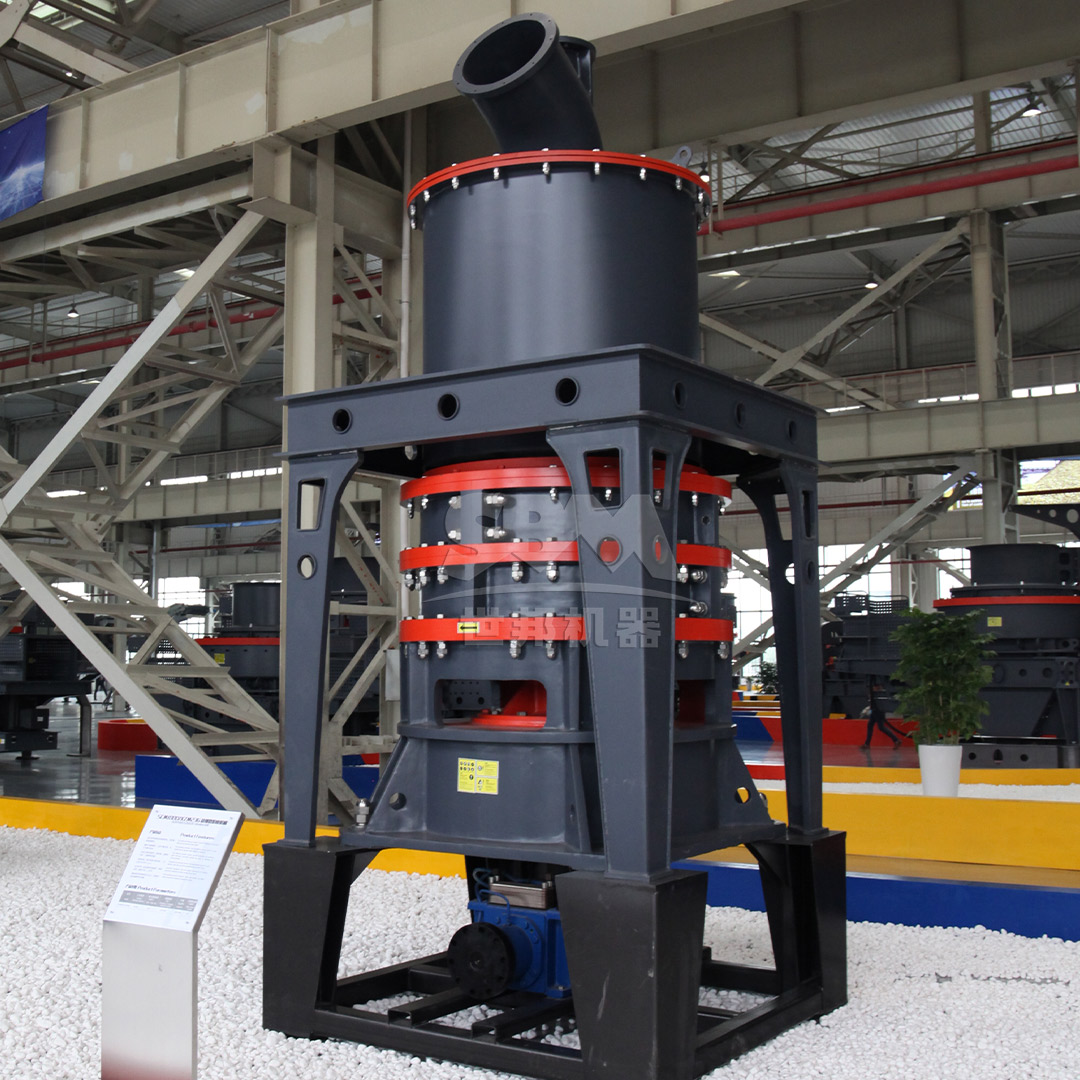
Not all mills are suitable for coal tar pitch. Traditional ball mills may work but are energy-intensive and prone to clogging. Hammer mills can handle coarse crushing but cannot achieve fine powder. For ultrafine grinding, advanced mills such as the SCM Series Ultrafine Mill and MTW Series European Trapezium Mill from our company are ideal. Let’s examine their features and why they excel with coal tar pitch.
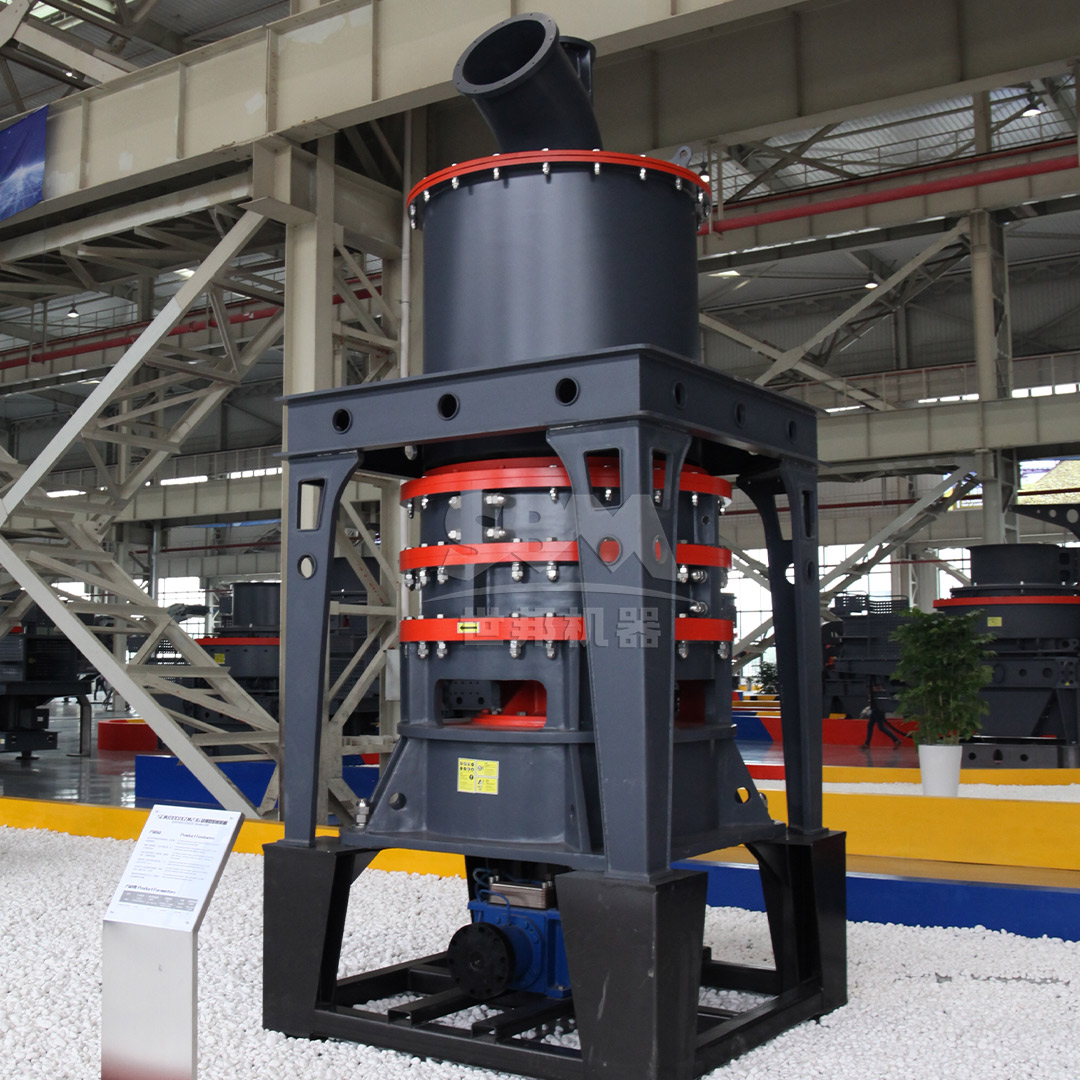
SCM Series Ultrafine Mill (45-5μm)
The SCM Series is a high-efficiency ultrafine grinding mill designed for materials with Mohs hardness below 7 and moisture content below 6%. It can produce powders from 325 to 2500 mesh (45–5 μm), making it perfect for fine coal tar pitch powder. Its key advantages include:
- High efficiency and energy saving: Capacity is twice that of jet mills, with 30% lower energy consumption. An intelligent control system provides automatic feedback on finished product granularity.
- High-precision classification: A vertical turbine classifier ensures precise particle size cutting and prevents coarse powder mixing, resulting in uniform finished products.
- Durable design: Special material rollers and rings extend service life several times over. The shaftless screw grinding chamber ensures stable operation.
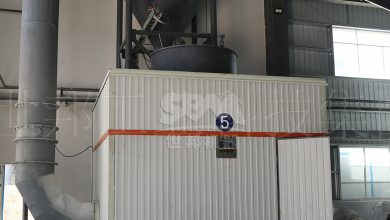
- Eco-friendly and low noise: Pulse dust collection efficiency exceeds international standards, and the soundproof room design keeps noise levels low.
With models ranging from SCM800 (0.5–4.5 t/h) to SCM1680 (5–25 t/h), the SCM Series can accommodate various production scales. For coal tar pitch, we recommend operating with cooled air or nitrogen to prevent softening. The SCM’s efficient classification and dust collection also minimize explosion risks.
MTW Series European Trapezium Mill (600-45μm)
If your target fineness is in the range of 30–325 mesh (600–45 μm), the MTW Series is an excellent choice. It is renowned for its robust construction and ability to handle materials with higher moisture and hardness. Key technical advantages include:
- Anti-wear shovel design: Combined shovel blades reduce maintenance costs, and the curved design extends grinding roller life.
- Optimized arc air duct: Reduces airflow energy loss and improves transmission efficiency.
- Integral bevel gear drive: Transmission efficiency up to 98%, saving space and reducing installation costs.
- Wear-resistant volute structure: Non-resistance flow design improves air selection efficiency, and maintenance costs are reduced by 30%.
MTW models (e.g., MTW110, MTW138Z, MTW215G) offer capacities from 3 t/h to 45 t/h. For coal tar pitch, the MTW mill can be equipped with a hot air generator to keep the grinding chamber warm, preventing condensation and sticking. However, if the material becomes too soft, cooling may be necessary. The MTW’s efficient classifier ensures a sharp cut, and its pulse dust removal system meets strict environmental standards.
Key Considerations for Grinding Coal Tar Pitch
When selecting a grinding mill for coal tar pitch, consider the following:
- Temperature control: Maintain the grinding chamber below the pitch’s softening point. Cooling with water-jacketed systems or inert gas may be required.
- Explosion-proof design: Use explosion-proof motors, grounding, and nitrogen inerting. The SCM and MTW mills can be configured accordingly.
- Material preparation: Pre-crush large blocks to <20 mm (SCM) or <50 mm (MTW) using a hammer mill or jaw crusher. Our Hammer Mill (PC4008-75, etc.) is ideal for primary crushing.
- Moisture control: Dry the pitch to less than 1% moisture before grinding to prevent agglomeration.
- Wear parts: Choose abrasion-resistant materials for rollers and rings. Both SCM and MTW offer high-chrome or ceramic options.
Recommended Setup for Coal Tar Pitch Powder Production
For a typical coal tar pitch grinding plant, we suggest the following flow:
- Crushing: Use a hammer mill to reduce blocks to <20 mm.
- Drying: If needed, use a rotary dryer to lower moisture.
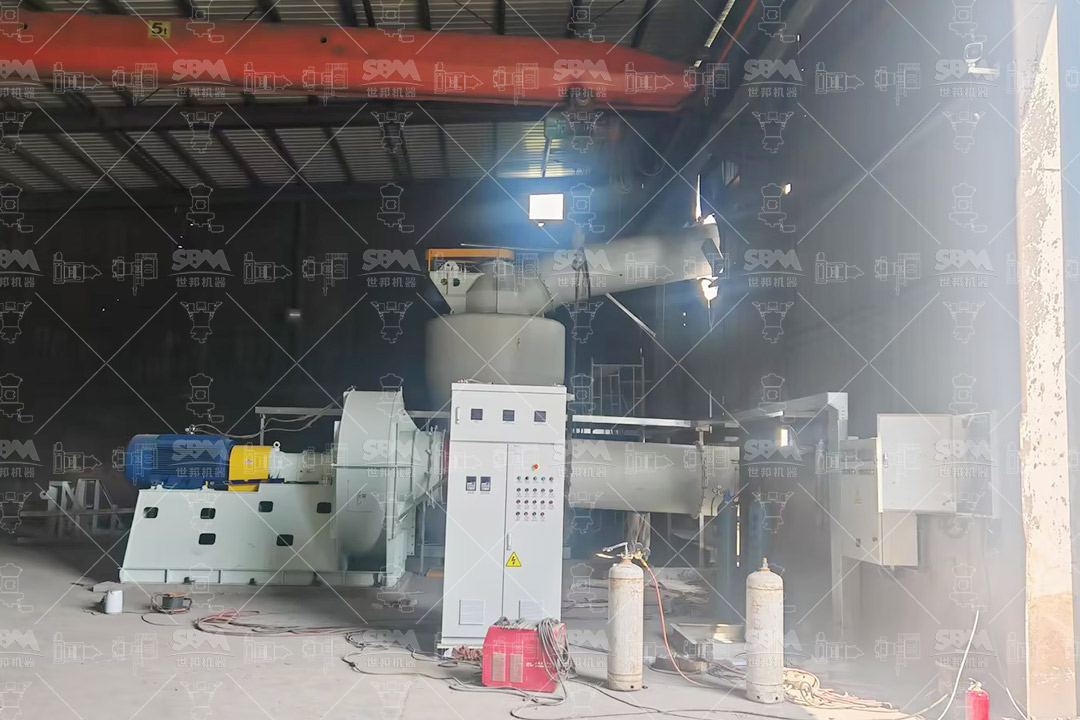
- Grinding: Feed material into an SCM Ultrafine Mill (for ultra-fine powder) or MTW Trapezium Mill (for medium-fine powder).
- Classification: Integrated classifier ensures desired particle size.
- Dust collection: Pulse jet dust collector with explosion venting.
- Packaging: Automatic weighing and bagging system.
For large-scale production (e.g., >10 t/h), the SCM1680 or MTW215G are excellent choices. For smaller capacities, SCM800 or MTW110 are cost-effective.
Conclusion
Yes, coal tar pitch blocks can be ground into powder, but success depends on choosing the right mill. The thermoplastic nature of pitch demands a grinding system with temperature control, efficient classification, and dust management. Our SCM Series Ultrafine Mill and MTW Series European Trapezium Mill are proven solutions that deliver high efficiency, precise fineness, and reliable operation. Whether you need 200 mesh or 2500 mesh, we have the expertise and equipment to meet your requirements. Contact our engineers today for a customized grinding solution and a free test on your coal tar pitch samples.