Phosphorus Ore Ultra-Fine Grinding & Ultrafine Vertical Roller Mill: Complete Guide for High-Efficiency Processing
Introduction: The Challenge of Phosphorus Ore Processing
Phosphorus ore is a critical raw material for the production of phosphate fertilizers and various industrial chemicals. As global demand for high-efficiency agriculture grows, the need for advanced processing technologies that can deliver finer, more consistent particle sizes has become paramount. Phosphorus ore ultra-fine grinding is not merely a matter of reducing particle size; it is a complex operation that significantly impacts the subsequent beneficiation processes, such as flotation and leaching. Achieving a high degree of liberation of phosphate minerals from gangue materials is essential for maximizing recovery rates and producing high-grade concentrates.
Traditional grinding equipment often struggles with the specific challenges posed by phosphorus ore, including its varying hardness, moisture content, and abrasiveness. Inefficient grinding leads to high energy consumption, excessive wear on machinery, and inconsistent product quality. This is where the modern ultrafine vertical roller mill (VRM) technology steps in, offering a paradigm shift in how phosphorus ore is processed. This comprehensive guide explores the principles, advantages, and best practices for achieving high-efficiency processing of phosphorus ore using state-of-the-art ultrafine vertical roller mills.
Why Ultrafine Grinding for Phosphorus Ore?
The primary driver for adopting ultrafine grinding technology in the phosphorus ore industry is the need for enhanced mineral liberation. Conventional grinding to a standard 200 mesh (74 μm) may not be sufficient to fully separate the phosphate minerals from the silica, clay, and carbonate gangue. By grinding the ore to an ultra-fine size, typically in the range of 325 mesh (45 μm) down to 2500 mesh (5 μm), the specific surface area of the particles increases dramatically. This not only improves the efficiency of downstream chemical reactions but also allows for a cleaner separation in flotation cells, leading to a higher-grade phosphate concentrate.
Furthermore, ultrafine grinding enables the processing of low-grade and complex phosphate ores that were previously considered uneconomical. It unlocks value from waste streams and tailings, contributing to a more sustainable and resource-efficient mining operation. The ability to precisely control the particle size distribution (PSD) is also crucial for producing specialized phosphate products for direct application or for the manufacturing of high-performance fertilizer blends.
The Role of the Ultrafine Vertical Roller Mill (VRM)
The ultrafine vertical roller mill (VRM) has emerged as the equipment of choice for high-efficiency phosphorus ore grinding. Unlike traditional ball mills or jet mills, the VRM operates on a unique bed-of-material grinding principle. The material is fed onto a rotating grinding table and is crushed and ground between the table and one or more conical grinding rollers. The centrifugal force generated by the table distributes the material evenly, creating a stable material bed that is then pulverized by the rollers. This design offers several critical advantages over conventional technologies.
First, the VRM is significantly more energy-efficient. It can achieve a capacity that is up to two times that of a jet mill while consuming 30% less energy. This is a game-changer for large-scale operations where energy costs represent a significant portion of the total processing expense. Second, the integrated high-precision vertical turbine classifier ensures a sharp particle size cut-off, eliminating the mixing of coarse powders and guaranteeing a uniformly fine finished product. This level of precision is difficult to achieve with traditional screening or classification methods.
Key Technical Advantages in Phosphorus Ore Grinding
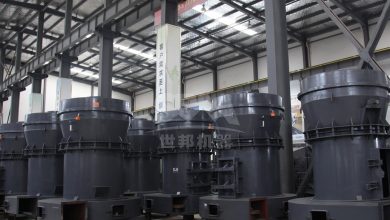
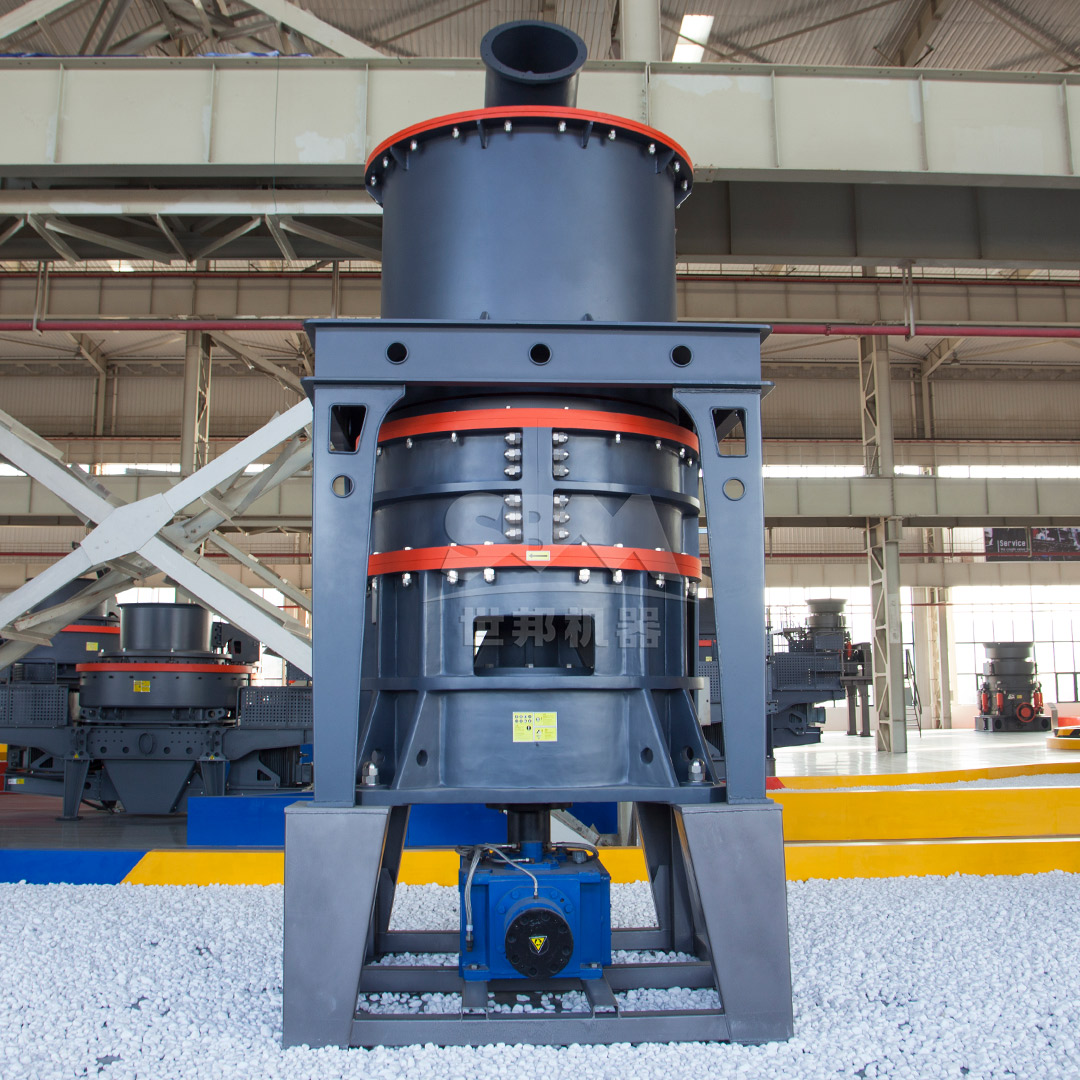
When evaluating equipment for ultra-fine phosphorus ore grinding, specific technical features are paramount for ensuring efficiency, durability, and product quality. Our advanced ultrafine mill, the SCM Series Ultrafine Mill (45-5μm), is specifically engineered to meet these demanding requirements.
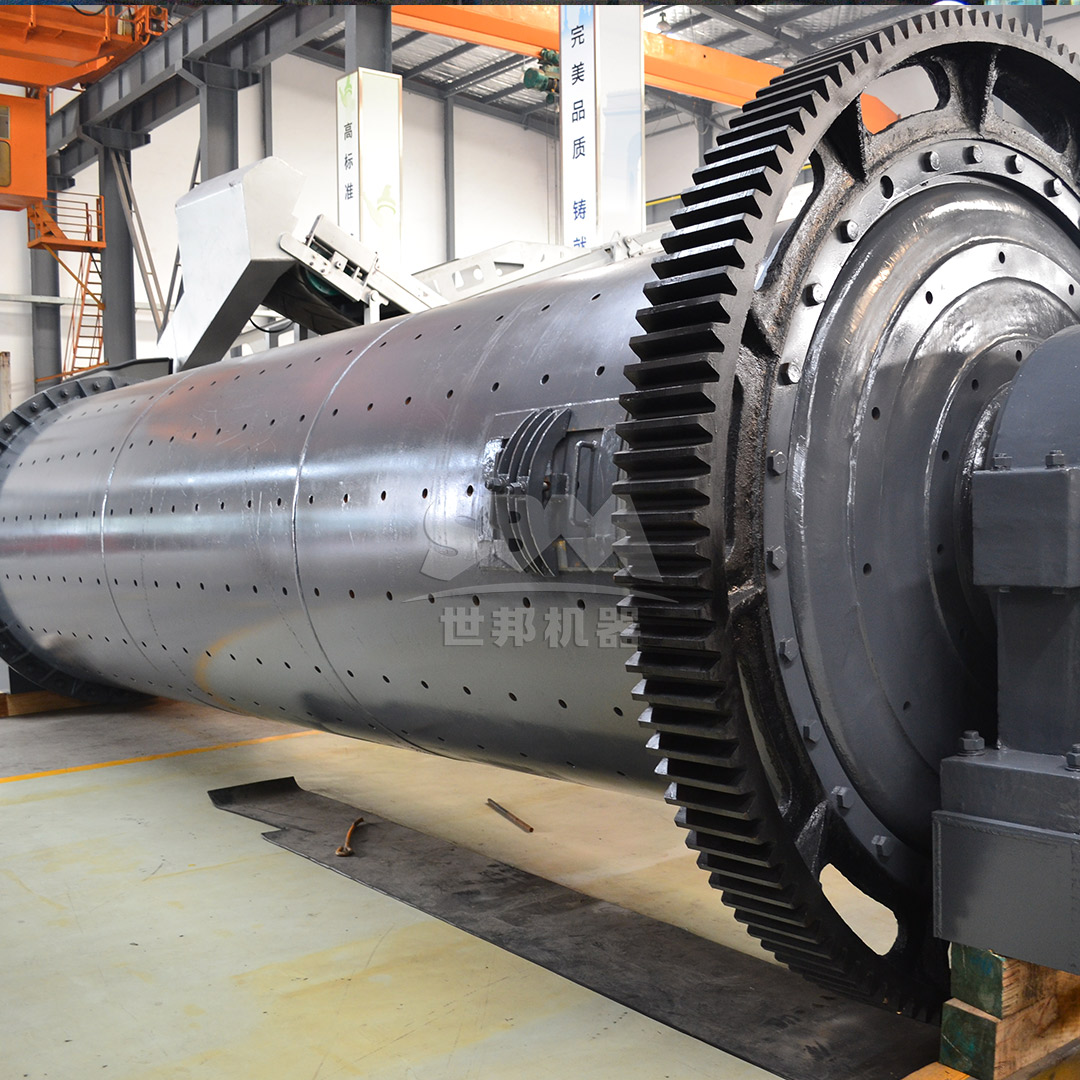
- High Efficiency & Energy Saving: The SCM Series boasts a capacity that is double that of jet mills, with 30% lower energy consumption. Intelligent control systems provide automatic feedback on finished product granularity, optimizing the grinding process in real-time.
- High-Precision Classification: The vertical turbine classifier provides precise particle size cutting, ensuring no coarse powder mixing. This is critical for producing high-quality, consistent phosphorus ore powder for downstream flotation or chemical processing.
- Durable Design for Abrasive Materials: Phosphorus ore can be highly abrasive. The SCM Series addresses this with special material rollers and grinding rings that extend service life several times over. The shaftless screw grinding chamber ensures stable operation even under heavy loads.
- Eco-friendly & Low Noise: With a pulse dust collection efficiency that exceeds international standards and a soundproof room design, the SCM Series operates cleanly and quietly, meeting the most stringent environmental regulations.
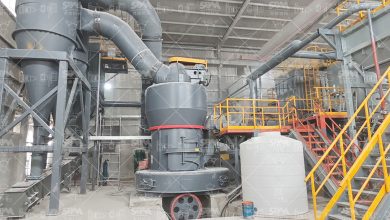
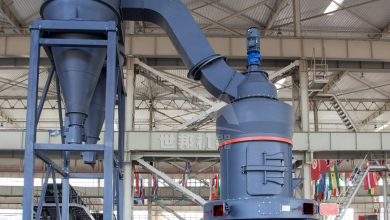
For applications requiring a balance of capacity and finer output fineness, the LUM Ultrafine Vertical Roller Mill is another excellent choice. With a feed size of 0-20mm and an output fineness ranging from 325 to 2500 mesh, the LUM series incorporates multi-rotor classifying technology for superior precision. Its PLC automation ensures stable and intelligent operation, while the negative pressure environment guarantees zero dust leakage, making it an ideal solution for modern, clean industrial plants.
Working Principle and Process Flow
Understanding the working principle is key to optimizing the grinding process. In a typical ultrafine VRM, the main motor drives three layers of grinding rings to rotate at high speed. The material is fed into the center of the grinding table and is dispersed into the grinding path by centrifugal force. Here, it is crushed by the high-pressure rollers and ground layer by layer. The intense shearing and compression forces generated between the rollers and the ring are what achieve the ultra-fine particle sizes.
The ground material is then carried upwards by a controlled airflow. The high-speed rotating classifier allows only particles that have reached the target fineness (e.g., 1250 mesh) to pass through and be collected. Coarser particles are rejected by the classifier and are returned to the grinding table for further size reduction. This continuous internal circulation loop ensures that the final product has a highly uniform particle size distribution. The final powder collection is completed by a highly efficient cyclone collector and a pulse dust removal system, ensuring that the air discharged into the atmosphere is clean.
Choosing the Right Model for Your Capacity
Selecting the appropriate model is critical for matching your production needs. The SCM Series offers a range of models to suit various throughput requirements:
| Model | Capacity (t/h) | Main Power (kW) | Fineness (mesh) |
|---|---|---|---|
| SCM800 | 0.5 – 4.5 | 75 | 325 – 2500 |
| SCM1000 | 1.0 – 8.5 | 132 | 325 – 2500 |
| SCM1250 | 2.5 – 14 | 185 | 325 – 2500 |
| SCM1680 | 5.0 – 25 | 315 | 325 – 2500 |
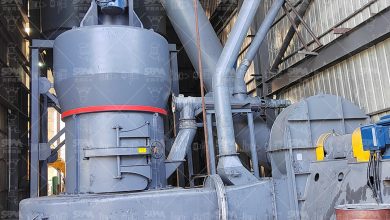
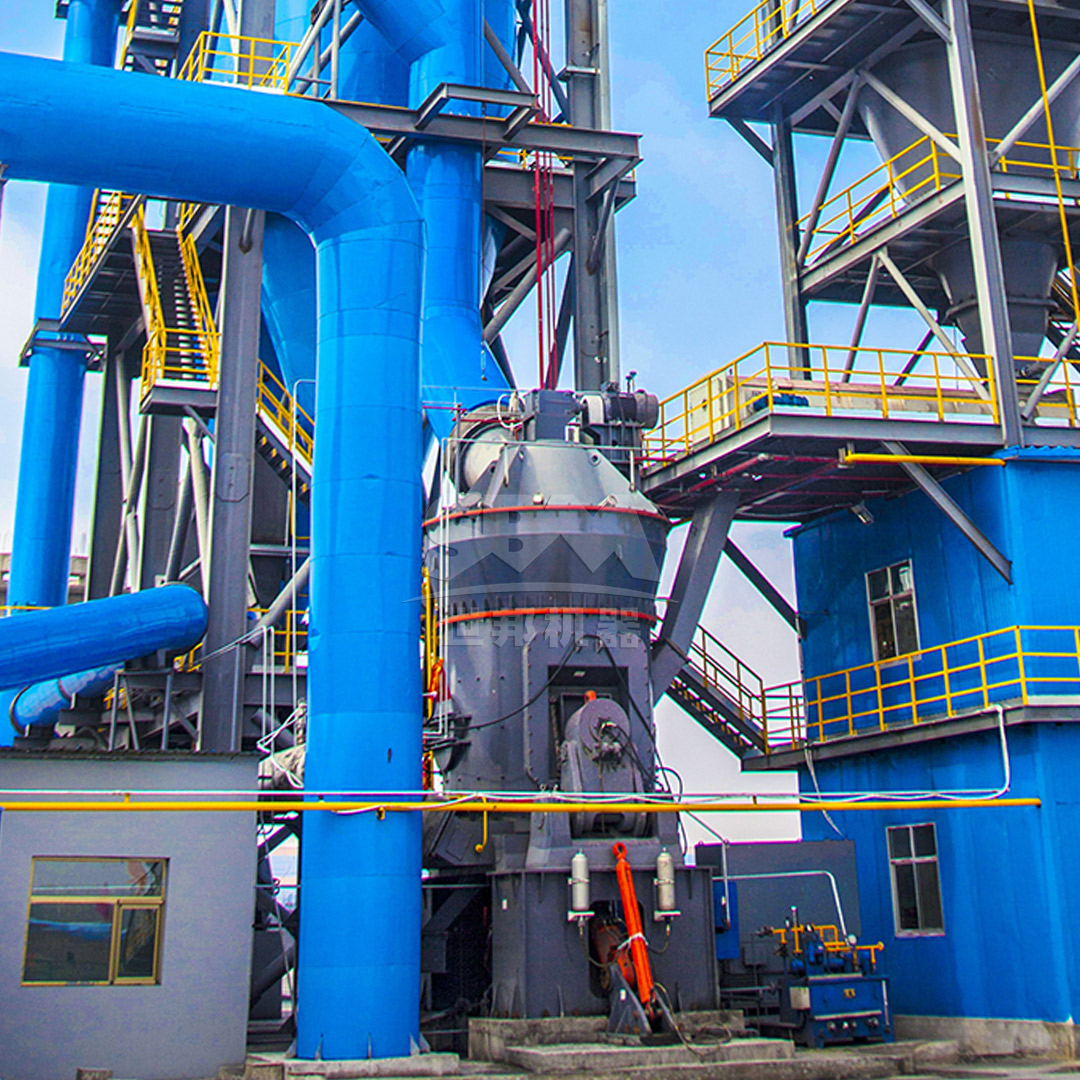
For larger operations requiring coarser outputs (30-325 mesh), the LM Series Vertical Roller Mill is an ideal choice, with capacities reaching up to 250 tons per hour. Its integrated design reduces floor space by 50% and infrastructure costs by 40%. Both the SCM and LM series feature intelligent control systems that allow for remote monitoring and real-time parameter adjustments, ensuring optimal performance and minimal manual intervention.
Maintenance and Best Practices
To maximize the lifespan and efficiency of your ultrafine VRM, a proactive maintenance strategy is essential. The key areas to focus on are the grinding rollers and ring, the classifier blades, and the lubrication system. Our mills are designed with durability in mind, featuring anti-wear shovels and specially formulated wear parts. The patented internal suction oil lubrication system in our pendulum mills ensures that bearings are continuously lubricated and cooled, extending their service life.
It is also crucial to monitor the feed material’s moisture content. While vertical mills can handle higher moisture levels than ball mills, excessive moisture can lead to material buildup on the grinding table or classifier. Pre-drying may be required for very wet ores. Additionally, regularly inspecting and adjusting the classifier speed is vital for maintaining the precise target fineness. Modern intelligent controllers automatically adjust these parameters based on real-time feedback, but periodic manual verification is still recommended for optimal performance.
Conclusion: The Future of Efficient Phosphate Processing
The transition to ultrafine vertical roller mill technology represents a significant leap forward for the phosphorus ore processing industry. By delivering unparalleled energy efficiency, superior product quality, and robust durability, these mills enable processors to not only reduce operational costs but also to unlock the full value of their phosphate reserves, including low-grade and complex ores. The integration of intelligent control systems and eco-friendly designs further solidifies the VRM as the cornerstone of a modern, sustainable, and highly profitable phosphate processing plant.
Whether you are working with sedimentary phosphate rock (phosphorite) or igneous apatite deposits, our suite of grinding solutions, from the high-precision SCM Ultrafine Mill to the high-capacity LM Vertical Roller Mill, can be tailored to meet your specific application. We invite you to contact our engineering team to discuss how we can help you achieve the highest efficiency in your phosphorus ore grinding operations.