
The Essential Uses of Finely Ground Rare Earths: From High-Tech Magnets to Green Energy Solutions
Introduction: The Hidden Power of Fine Powders
Rare earth elements (REEs) are often called the “vitamins of modern industry.” While their name suggests scarcity, their applications are anything but rare. From the powerful magnets in electric vehicle motors to the phosphors in energy-efficient LED lighting, rare earths are indispensable. However, the journey from mined ore to high-performance material hinges on a critical, often overlooked step: ultra-fine grinding. The particle size, uniformity, and purity of rare earth powders directly dictate the performance of the final product. This article explores the essential uses of finely ground rare earths and the advanced milling technologies that make these green energy solutions possible.
The Critical Role of Fineness in Rare Earth Magnets
Neodymium-iron-boron (NdFeB) magnets, the strongest permanent magnets available, are the backbone of modern green technology. They are found in the traction motors of electric vehicles (EVs), the generators of wind turbines, and the compact motors of household appliances. To create these magnets, rare earth oxides like neodymium oxide and dysprosium oxide must be reduced to a fine, homogeneous powder. A particle size of 45-5 micrometers (325-2500 mesh) is often required. At this scale, the powder can be uniformly mixed, pressed, and sintered to achieve maximum magnetic flux density and coercivity.
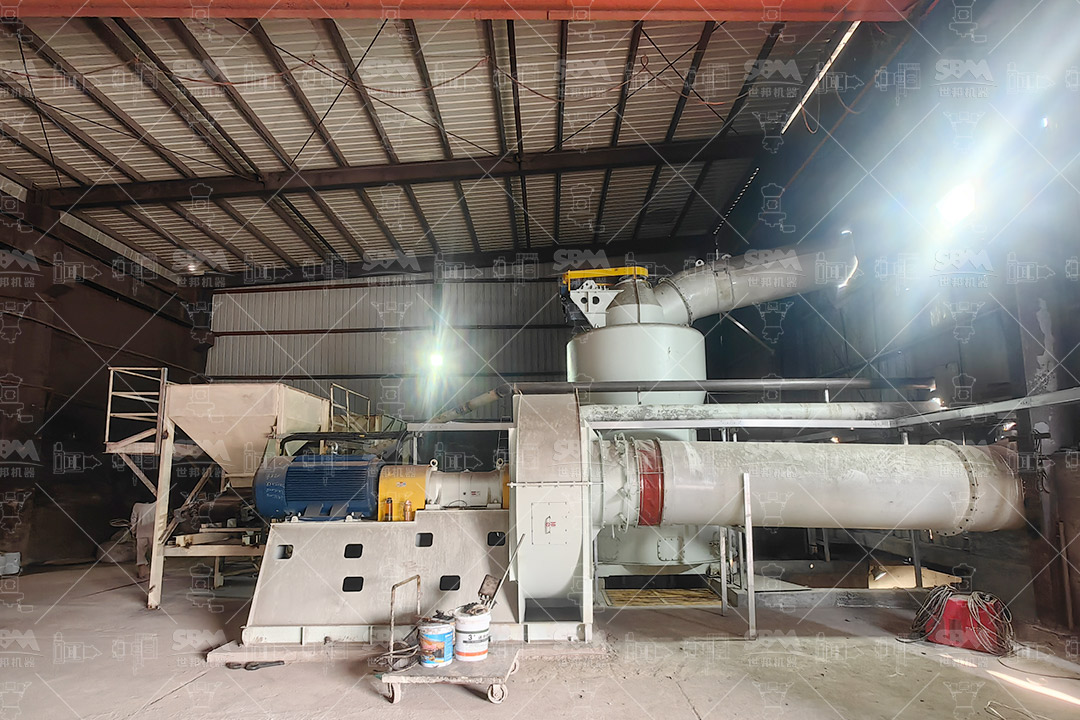
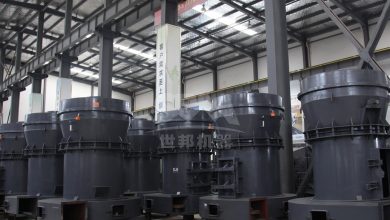
Inconsistent particle size leads to microstructural defects, reducing magnetic performance and energy efficiency. For manufacturers seeking to produce the highest-grade magnets, precision classification is non-negotiable. Our SCM Series Ultrafine Mill excels in this domain. With its vertical turbine classifier, it achieves precise particle size cutting from 325 to 2500 mesh (45-5μm), ensuring no coarse powder mixing. This high-precision output is ideal for the demanding specifications of the magnet industry, offering up to twice the capacity of jet mills with 30% lower energy consumption.
Green Energy Catalysts and Battery Materials
Beyond magnets, rare earths are vital for catalytic converters, fuel cells, and next-generation batteries. Cerium oxide (CeO2) is a key component in automotive catalytic converters, where it stores and releases oxygen to reduce harmful emissions. Lanthanum and cerium are used in nickel-metal hydride (NiMH) batteries for hybrid vehicles. For these applications, the specific surface area and particle morphology of the powder are crucial. A narrower particle size distribution ensures a more active catalyst surface and better electrode packing density.
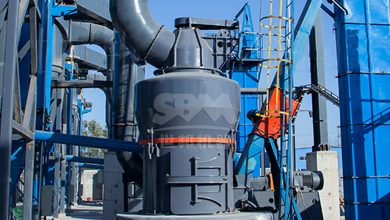
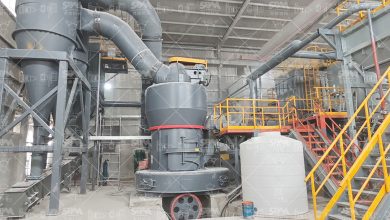
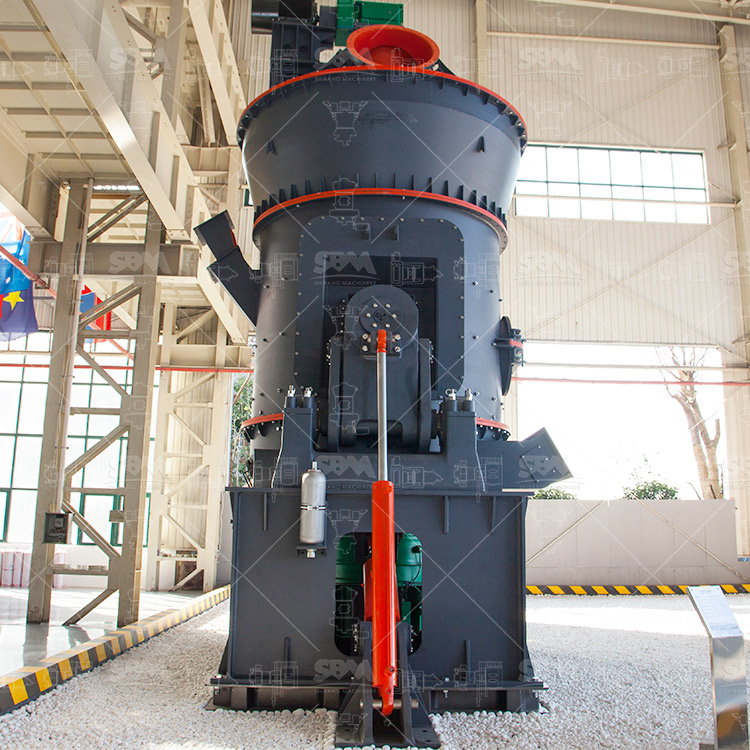
The production of these materials requires a mill that combines high efficiency with low operating costs. The LM Series Vertical Roller Mill is designed for large-scale, continuous production. Its patented bed-grinding principle reduces energy consumption by 30-40% compared to traditional ball mills. For rare earth processing, the LM series offers exceptional flexibility, handling feed sizes up to 50mm and producing fineness down to 325 mesh (45μm). Its integrated design combines crushing, grinding, and classification, reducing the plant footprint by 50%. For high-volume producers of battery-grade rare earths, the LM220K model, with a capacity of 36-105 tons per hour, represents the pinnacle of industrial efficiency.
Polishing Powders: The Optical and Semiconductor Industry
Cerium oxide is also the world’s most widely used polishing agent for glass. From smartphone screens and camera lenses to telescope optics and silicon wafers, finely ground cerium oxide provides the precise, scratch-free finish required. The polishing process demands an extremely uniform particle size. If coarse particles are present, they cause deep scratches; if too fine, the polishing rate drops. This is where the concept of “cut sharpness” is paramount.
Our SCM Series Ultrafine Mill is uniquely suited for this task. Its shaftless screw grinding chamber ensures stable operation, while the intelligent control system provides automatic finished product granularity feedback. This allows operators to consistently produce the uniform, fine powders (D50 of 1-3 μm) required for CMP (Chemical Mechanical Planarization) slurries in the semiconductor industry. The durable design, with special material rollers and rings, extends service life even when processing highly abrasive rare earth oxides.
Phosphors for Lighting and Displays
Europium, terbium, and yttrium are critical for producing red, green, and blue phosphors used in LED lighting, LCD backlights, and fluorescent lamps. The efficiency of a phosphor is directly linked to its particle morphology and crystal structure. Grinding must be gentle enough to avoid damaging the crystal lattice but aggressive enough to achieve the required sub-micron particle size. Over-grinding can reduce the luminescence efficiency, while under-grinding leaves particles too large for even coating.
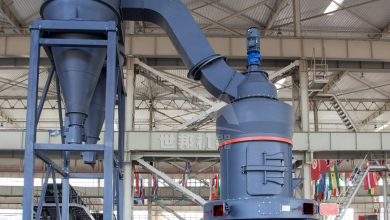
For delicate materials like phosphors, the LUM Ultrafine Vertical Roller Mill is an excellent choice. Utilizing unique roller and liner curves, it achieves efficient grinding while maintaining a gentle action. The multi-rotor classification technology ensures absolute precision, eliminating the risk of coarse particle contamination. With a PLC automation system, the mill provides stable, trouble-free operation, which is essential for maintaining the rigorous quality standards of the optoelectronics industry.

Sustainable Processing for a Green Future
The green economy is not just about the final product; it is also about how we manufacture it. Processing rare earth minerals has historically been associated with high energy use and environmental concerns. Modern milling technology directly addresses these issues. For instance, the SCM Series is equipped with a pulse dust collection system that exceeds international environmental standards, and its soundproof room design keeps noise levels low. Similarly, the LM Series operates under fully sealed, negative pressure conditions, ensuring zero dust leakage and compliant noise levels. By choosing advanced equipment, rare earth processors can reduce their carbon footprint and operational costs simultaneously, aligning with the principles of the green energy solutions they support.
Conclusion: The Foundation of Modern Innovation
From the strongest magnets powering our electric cars to the finest phosphors illuminating our screens, finely ground rare earths are the invisible foundation of modern technology. Achieving the required particle size, uniformity, and purity is a complex engineering challenge that demands specialized, high-performance grinding equipment. Whether the goal is ultra-fine powder for high-tech magnets or a consistent product for industrial polishing, the right milling solution is critical. With our comprehensive range of mills—from the ultra-precise SCM and LUM series to the high-volume LM vertical mills—we provide the essential technology to unlock the full potential of rare earths, driving the transition to a more efficient and sustainable world.