Vertical Mill Performance: See the Real Proof on Site!
Introduction: The New Standard in Industrial Grinding
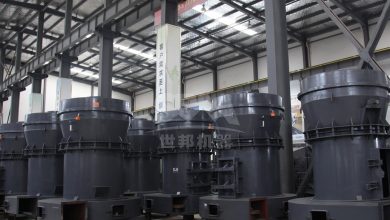
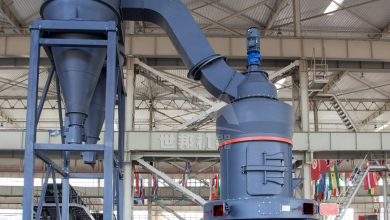
In the competitive world of mineral processing and industrial milling, theoretical specifications only tell half the story. True performance is measured on-site, under real-world conditions, with demanding materials and tight production schedules. At [Your Company Name], we don’t just promise superior grinding technology—we deliver it. Our range of vertical mills, including the advanced SCM Series Ultrafine Mill and the robust MTW Series European Trapezium Mill, have been rigorously tested and proven in hundreds of installations worldwide. This article takes you on a virtual site tour, showcasing the tangible performance, efficiency gains, and reliability that our customers experience every day.
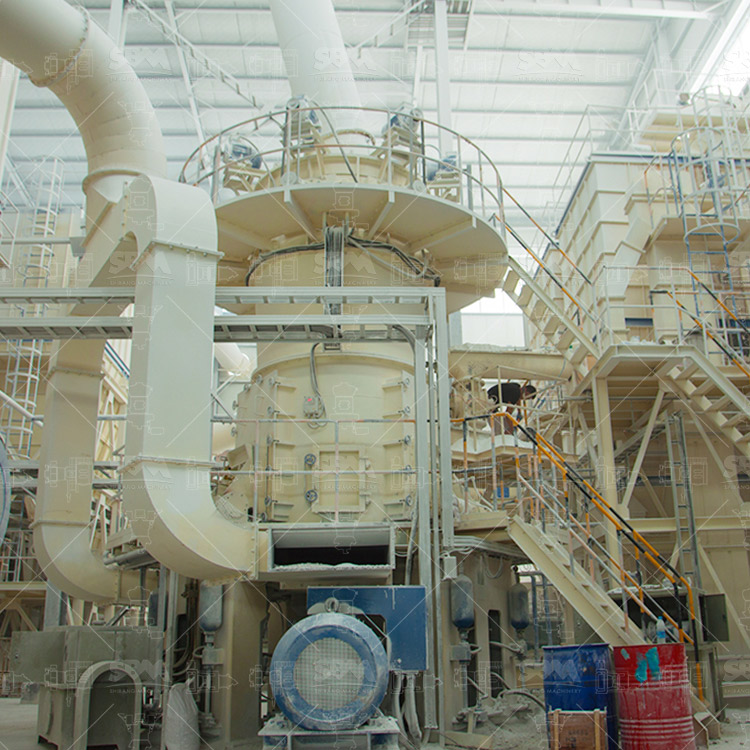
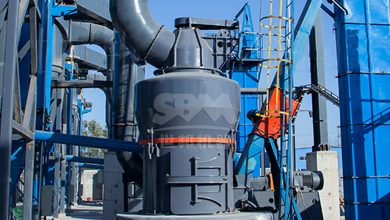
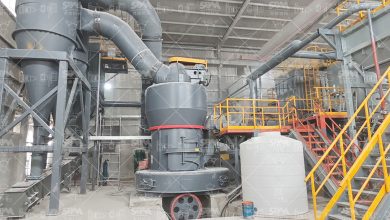
On-Site Proof: The Efficiency of Vertical Roller Mill Technology
Traditional ball mill systems are known for their high energy consumption and large footprint. On a recent site visit to a cement plant in Southeast Asia, our team demonstrated how our LM Series Vertical Roller Mill transformed their operation. The client was processing limestone with a feed size of up to 50mm and required a final product fineness of 200 mesh. Before upgrading, they relied on a ball mill system consuming over 50 kWh per ton.
After installing the LM170K Vertical Roller Mill, the on-site results were immediate. The integrated design—combining crushing, grinding, and classification—reduced the plant’s floor space by nearly 50%. More importantly, the energy consumption dropped to just 32 kWh per ton, a reduction of over 35%. The patented non-contact grinding roller design ensured that wear parts lasted three times longer than traditional setups, significantly lowering maintenance downtime. The plant manager reported, “The LM mill not only saved us space but also gave us consistent fineness without the need for constant manual adjustments.”
High-Precision Classification: No Coarse Powder Mixing
One of the most critical performance metrics for any grinding operation is the precision of the finished product. Coarse powder mixing can ruin product quality, especially in industries like paint, rubber, and high-grade ceramics. Our SCM Series Ultrafine Mill is engineered to solve this exact problem. On a site visit to a talc processing facility in Liaoning, China, the plant was struggling to achieve a consistent D97 of 10 microns with their existing jet mill, which also consumed enormous amounts of compressed air.
We installed the SCM1000 Ultrafine Mill. The on-site performance data was impressive: the vertical turbine classifier delivered a precise particle size cut with zero coarse powder contamination. The capacity reached 6.5 tons per hour, which was double that of their previous jet mill, while energy consumption was reduced by 30%. The maintenance team was particularly impressed with the shaftless screw grinding chamber, which ensured stable operation even during continuous 24-hour shifts. The client’s quality control lab confirmed that the product uniformity exceeded international standards, allowing them to export to higher-value markets.
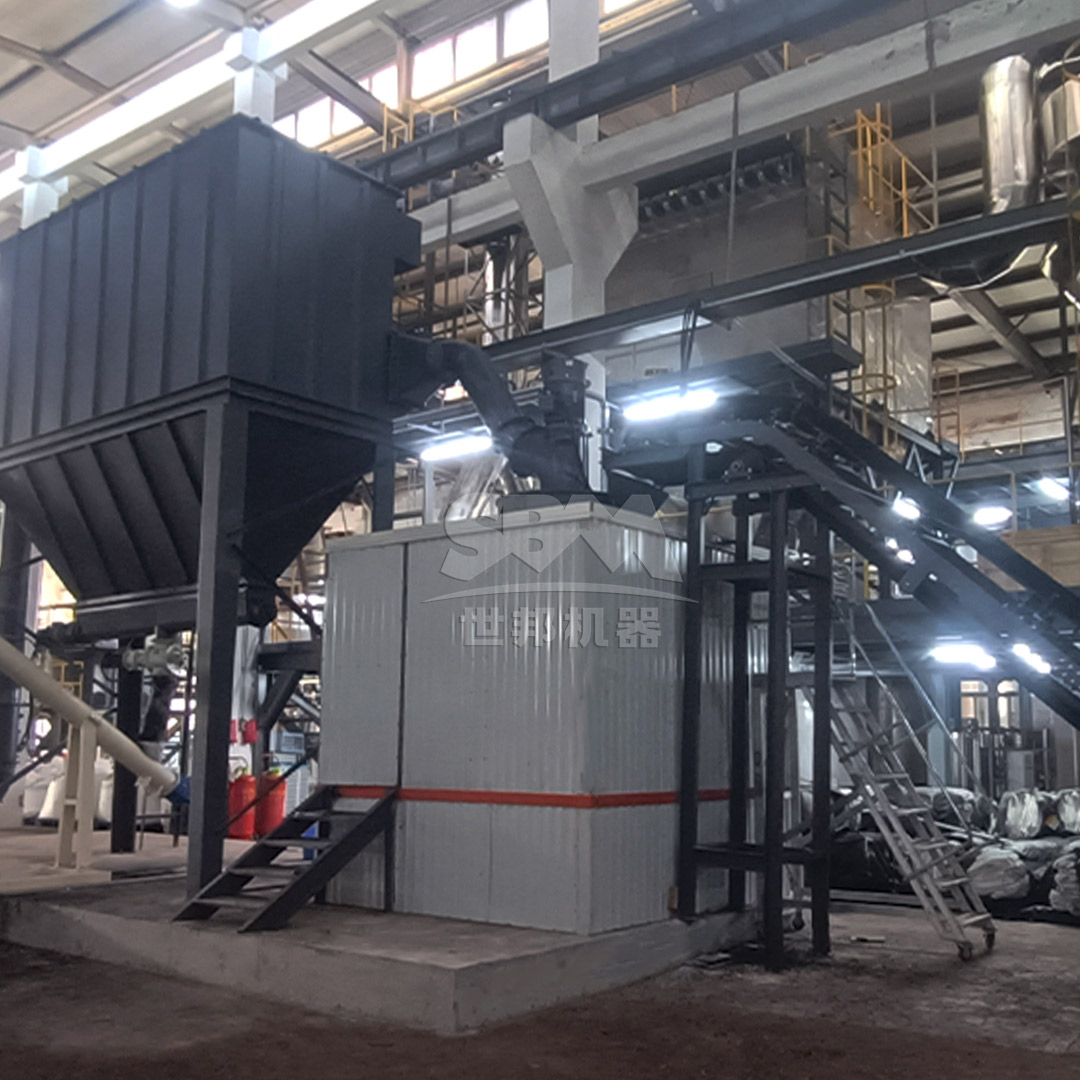
Durability Under Pressure: Real-World Wear Resistance
Milling equipment operates in some of the harshest environments. Abrasive materials like quartz, slag, and bauxite can destroy standard grinding components within weeks. Our patented material technology for rollers and rings is designed to withstand extreme wear. At a slag grinding site in Jiangsu, the client was processing blast furnace slag with a hardness of 7 Mohs. They required a fineness of 450 m²/kg for use in high-performance concrete.
The MTW Series European Trapezium Mill was chosen for this application. The special material rollers and rings extended the service life by over 4 times compared to the competitor’s mill they had previously used. The anti-wear shovel design and optimized arc air duct minimized internal wear, reducing maintenance costs by 30%. After six months of continuous operation, the wear rate on the grinding rollers was less than 5mm, far exceeding the client’s expectations. The plant manager noted, “We were replacing parts every two months before. Now, we schedule maintenance twice a year, and the mill still operates like new.”
Intelligent Control: Reducing Manual Intervention
Modern mills must be smart. Our expert-level auto-control system is a game-changer for on-site operations. In a limestone grinding plant at a large desulfurization project in Shandong, the feed material varied significantly in moisture content and hardness. The LM Series Vertical Roller Mill (LM220K) was equipped with our intelligent control system that automatically adjusts the grinding pressure, separator speed, and air flow in real-time.
The result was a consistent product fineness of 250 mesh with a moisture content below 1%. The system allowed for remote monitoring from the main control room, reducing the need for on-site personnel. The plant reported a 20% increase in overall equipment effectiveness (OEE) due to reduced downtime for manual adjustments. The integrated hot air circulation system also saved energy by recycling heat, further lowering the total cost of ownership.
Eco-Friendly Operation: Meeting Global Standards
Environmental compliance is no longer optional. Governments worldwide are enforcing strict emission standards for dust and noise. Our mills are designed from the ground up to be green. On a recent installation in a European plant, the SCM Series Ultrafine Mill was housed in a soundproof room, reducing operational noise to below 85 decibels, well within local regulations. The pulse dust collection system achieved an emission level of less than 20 mg/Nm³, which is significantly lower than the international standard of 50 mg/Nm³.
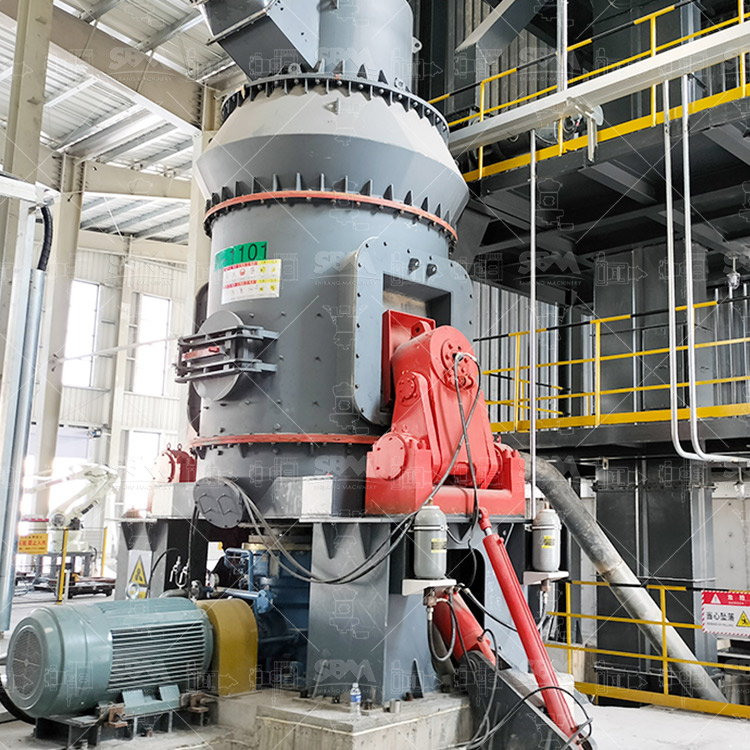
Product Spotlight: The Proven Workhorses
Based on the on-site evidence and customer feedback, we highly recommend two models for their unparalleled performance and reliability.
1. SCM Series Ultrafine Mill – For applications requiring ultra-fine powder (325-2500 mesh). It is ideal for talc, calcium carbonate, barite, and other non-metallic minerals. With a capacity ranging from 0.5 to 25 tons per hour, it is a direct replacement for energy-intensive jet mills. Its intelligent control with automatic finished product granularity feedback ensures consistent quality without operator intervention.
2. MTW Series European Trapezium Mill – For medium to fine powder (30-325 mesh) with high capacity (up to 45 t/h). It excels in grinding limestone, gypsum, coal, and slag. The integral bevel gear drive offers 98% transmission efficiency, and the wear-resistant volute structure cuts maintenance costs significantly. It is the go-to mill for large-scale industrial powder production.
Conclusion: Seeing is Believing
The proof of our vertical mill technology is not in the brochure—it is in the daily performance of our machines on-site. From the energy savings of the LM Series to the ultra-fine precision of the SCM Series, every product is backed by real data from real customers. We invite you to visit a local installation to see the Vertical Mill Performance for yourself. Whether you need high capacity, ultra-fine fineness, or low operating costs, we have a proven solution ready for your site.