The Application of Wollastonite Powder in the Paper Industry
Introduction
Wollastonite, a naturally occurring calcium silicate mineral (CaSiO₃), has emerged as a valuable functional filler and coating pigment in the paper industry. Its unique acicular (needle-like) crystal structure, high brightness, low oil absorption, and excellent thermal stability make it an ideal alternative or complement to traditional minerals such as talc, calcium carbonate, and kaolin clay. In recent years, the demand for high-performance paper products—ranging from lightweight coated papers to specialty boards—has driven increased interest in wollastonite powder. This article explores the key applications, benefits, and processing requirements of wollastonite in papermaking, with a focus on how advanced grinding technology enables optimal performance.
Wollastonite as a Functional Filler
In paper manufacturing, fillers are added to improve opacity, brightness, printability, and smoothness while reducing production costs. Wollastonite offers several advantages over conventional fillers:
- High Aspect Ratio: The acicular shape of wollastonite crystals (typically 10:1 to 20:1 length-to-diameter ratio) enhances fiber-to-fiber bonding in the paper matrix. This results in improved tensile strength, tear resistance, and dimensional stability.
- Superior Brightness and Opacity: Wollastonite has a natural brightness of 85–92% ISO, which helps produce whiter paper with less bleaching agent. Its refractive index (1.63) provides excellent light scattering, improving opacity without compromising paper thickness.
- Low Abrasion: Compared to ground calcium carbonate (GCC) and talc, wollastonite is less abrasive to paper machine wires and forming fabrics, extending equipment life and reducing downtime.
- Thermal and Fire Resistance: Wollastonite is non-combustible and can enhance the fire-retardant properties of paper products used in insulation, packaging, and construction.
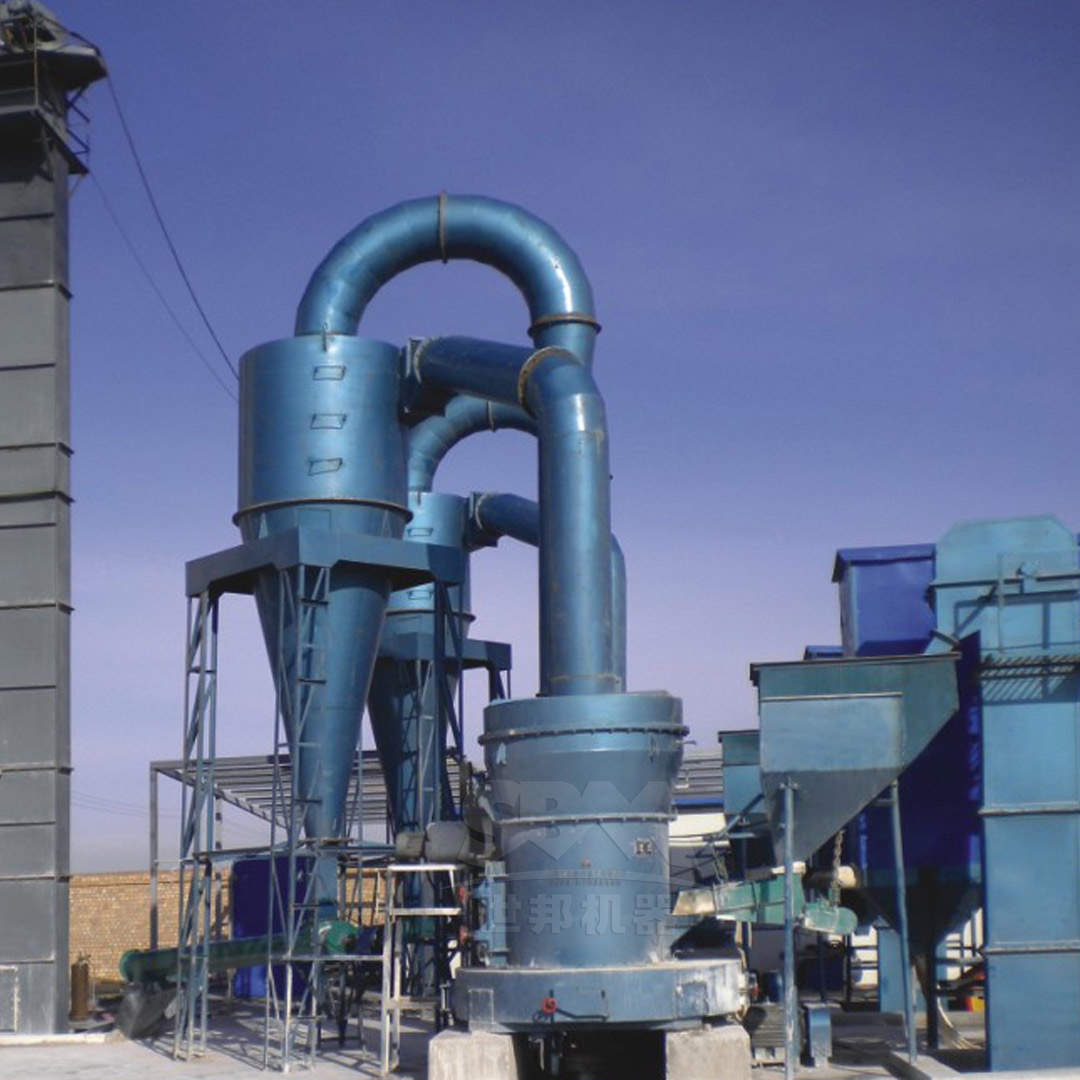
To achieve these benefits, the wollastonite must be ground to a precise particle size distribution—typically 325 to 2500 mesh (45–5 μm). Over-grinding can damage the acicular morphology and reduce the aspect ratio. Under-grinding leads to coarse particles that cause surface defects and poor retention. Therefore, selecting the right grinding equipment is critical.
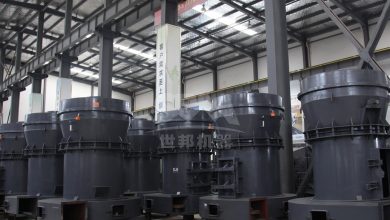
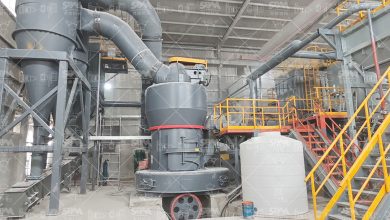
Our company’s SCM Series Ultrafine Mill is specifically designed for producing high-quality wollastonite powder in the 325–2500 mesh range. With an input size of ≤20mm and capacity up to 25 ton/h, the SCM mill uses a vertical turbine classifier to achieve precise particle size cutting without coarse powder mixing. Its energy consumption is 30% lower than that of jet mills, making it an economical solution for paper industry applications. Models such as the SCM1250 (capacity 2.5–14 t/h) or SCM1680 (capacity 5.0–25 t/h) are ideal for medium-to-large scale wollastonite processing lines.
Wollastonite as a Coating Pigment
In coated paper production, wollastonite powder is used as a partial or full replacement for titanium dioxide, calcined kaolin, and synthetic pigments. Key performance attributes in coating applications include:
- Improved Gloss and Printability: The acicular particles align parallel to the paper surface during coating, creating a smooth, uniform layer that enhances ink holdout and gloss. This is particularly valuable for high-quality magazines, catalogues, and art papers.
- Reduced Binder Demand: Wollastonite’s low oil absorption (typically 25–35 g/100g) means less latex or starch binder is required to achieve target coating strength, reducing formulation costs.
- Enhanced Porosity Control: Controlled particle packing with wollastonite allows papermakers to tune the coating layer’s porosity for optimal ink drying and blister resistance in heat-set offset printing.
- Brightness Stability: Unlike some carbonates that yellow under UV exposure, wollastonite maintains its brightness over time, ensuring long-lasting whiteness in premium paper grades.
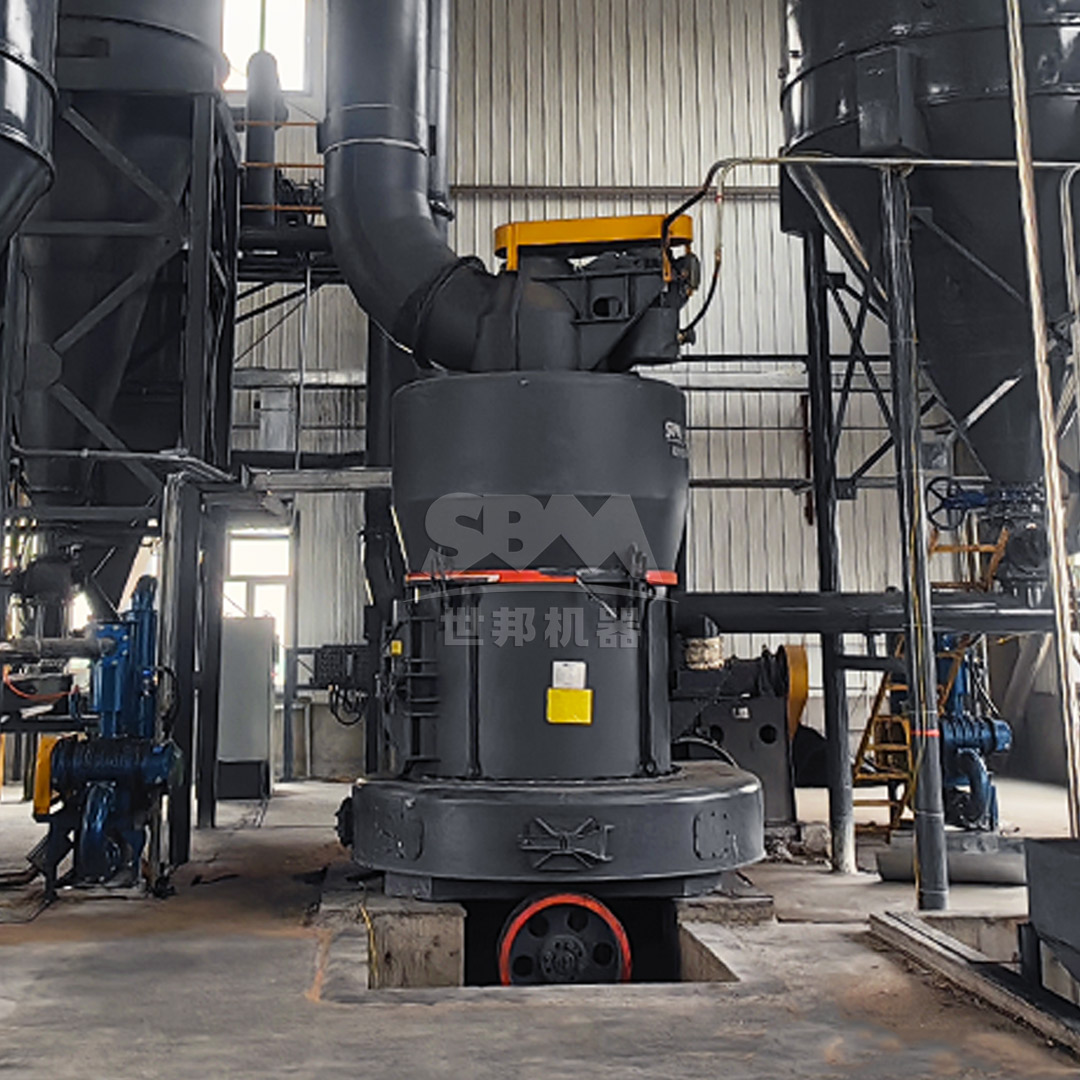
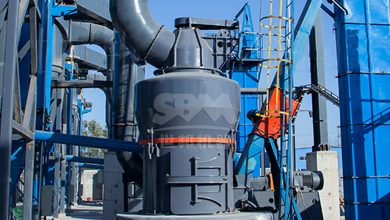
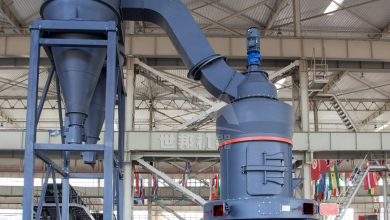
For coating applications, a slightly coarser grind (10–45 μm, or 325–600 mesh) may be preferred to maintain the acicular shape. Our LM Series Vertical Roller Mill is an excellent choice for this particle size range. The LM mill integrates crushing, grinding, and classification in one system, reducing floor space by 50% and infrastructure costs by 40%. Its non-contact roller design extends wear part life by 3x, while intelligent controls ensure consistent product quality. The LM130X-GX through LM220X-GX fine-powder models, with fineness up to 600 mesh (23 μm), are particularly well-suited for wollastonite coating pigments.
Processing Considerations for the Paper Industry
Successful integration of wollastonite into papermaking requires careful attention to several processing parameters:
- Moisture Content: Wollastonite should be dried to less than 0.5% moisture before grinding to prevent agglomeration and ensure smooth feeding.
- Iron Contamination: Low iron content is essential for maintaining brightness. Our mills feature wear-resistant liners and grinding elements made of special alloys to minimize metal contamination.
- Particle Shape Preservation: Impact-based grinding (e.g., hammer mills) can break the acicular crystals. Our SCM and LM mills use compression and shear forces that preserve the desired morphology.
- Retention Aids: For filler applications, cationic retention aids may be needed to prevent fine wollastonite particles from draining with white water. Typical retention rates exceed 75% with proper chemical management.
Economic and Environmental Benefits
Using wollastonite in paper production offers compelling economic and sustainability advantages:
- Cost Reduction: Replacing 10–30% of TiO₂ with wollastonite can lower pigment costs by 15–25%, as wollastonite is significantly less expensive per ton.
- Energy Savings: Our SCM ultrafine mill consumes 30% less energy than jet mills, while the LM vertical mill uses 30–40% less energy than ball mill systems. These reductions translate directly to lower carbon emissions and operating costs.
- Waste Reduction: The precise classification systems minimize oversize particles and fines, reducing raw material waste by up to 15% compared to conventional mills.
- Circular Economy: Wollastonite is an abundant, naturally occurring mineral that can be sourced responsibly. Many paper mills are adopting it as part of their sustainable raw material strategy.
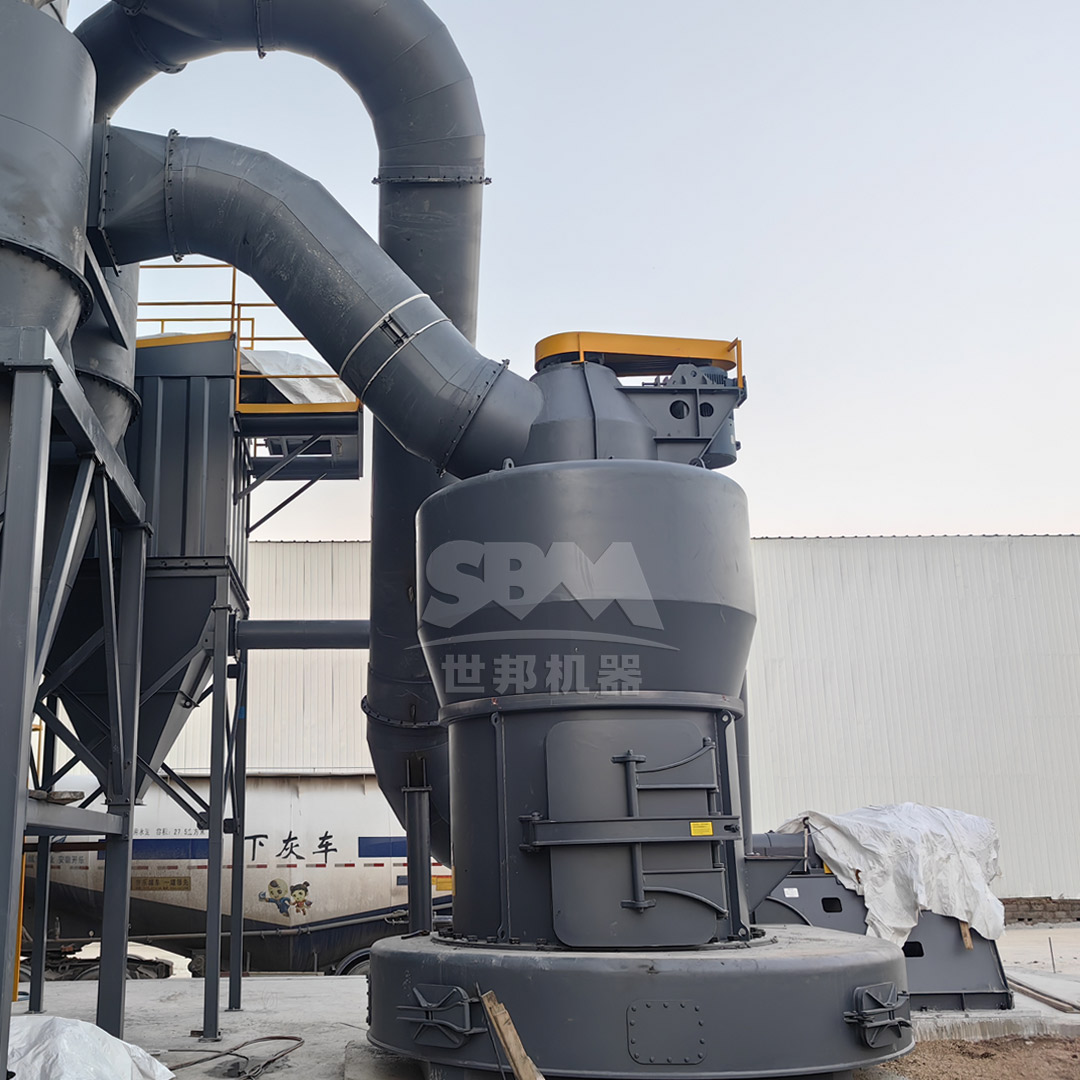
Our MTW Series European Trapezium Mill is another reliable option for producing wollastonite in the 30–325 mesh range. With an integral bevel gear drive achieving 98% transmission efficiency and anti-wear shovel blades that reduce maintenance costs, the MTW mill is ideal for operations that require high throughput (up to 45 t/h in the MTW215G model) and robust performance. Its curved design grinding rollers and optimized arc air duct minimize energy loss and extend service life.
Conclusion
Wollastonite powder is transforming the paper industry by enabling stronger, brighter, and more sustainable paper products. Whether used as a filler to improve mechanical properties or as a coating pigment to enhance print quality, wollastonite delivers measurable performance gains. The key to unlocking these benefits lies in precision grinding technology that preserves the mineral’s natural acicular structure while achieving the required fineness. Our company’s SCM ultrafine mill, LM vertical roller mill, and MTW trapezium mill offer tailored solutions for every wollastonite processing need—from fine powders of 5 μm to coarser grades of 45 μm. By partnering with us, paper manufacturers can reduce costs, improve product quality, and meet the growing demand for high-performance papers in a competitive global market.