Electric Mill Introduction: Working Principle, Applications and Selection Guide
1. Introduction to Electric Mills
In the modern industrial landscape, the efficiency of material processing directly impacts production costs, product quality, and operational sustainability. Electric mills have emerged as the cornerstone of grinding technology, offering superior performance, energy efficiency, and precise control over particle size distribution. Unlike traditional mechanical mills driven by diesel engines or complex mechanical transmissions, electric mills leverage electric motors to provide stable, controllable, and high-torque power, enabling fine and ultrafine grinding across a wide range of materials.
From mineral processing and cement production to chemical manufacturing and power generation, electric mills are indispensable. This article provides a comprehensive overview of electric mill technology, covering working principles, key applications, and a practical selection guide to help you choose the right equipment for your specific needs.
2. Working Principle of Electric Mills
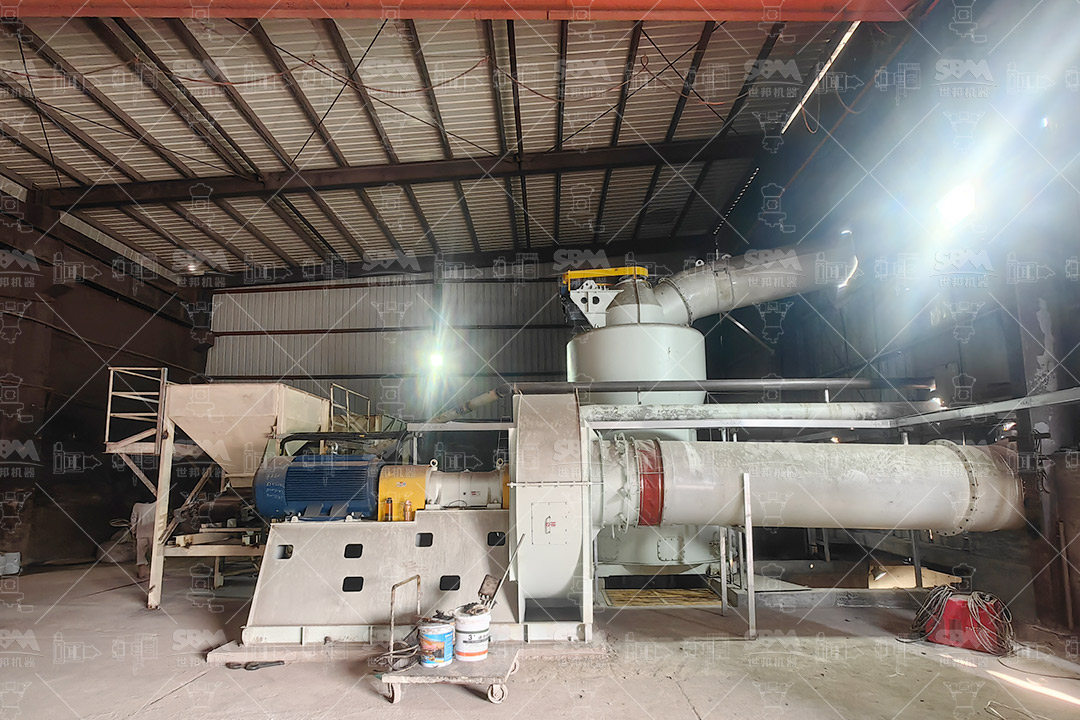
The fundamental working principle of an electric mill revolves around the conversion of electrical energy into mechanical grinding action. While different mill designs (such as vertical roller mills, trapezium mills, and ultrafine mills) have unique mechanisms, the core process generally follows these stages:
2.1 Material Feeding
Raw material is fed into the grinding chamber via a feeder or conveyor system. The feed size is carefully controlled to match the mill’s specifications to ensure optimal performance and prevent damage to internal components.
2.2 Grinding Action
An electric motor drives the main grinding components. In a typical mill, this involves rotating a central shaft or grinding table. For example, in a roller mill, the motor drives the grinding table to rotate, while rollers either rotate with the table or are pressed against it by centrifugal force or hydraulic pressure. The material is caught between the grinding rollers and the ring or table surface, where it is crushed, sheared, and ground into fine powder.
2.3 Classification & Separation
After grinding, an integrated air classifier (often a dynamic turbine classifier) separates the fine particles from the coarse ones. Airflow carries the fine particles upward to the classifier. Particles that meet the target fineness pass through and are collected, while oversized particles are rejected and returned to the grinding zone for further size reduction.
2.4 Collection & Discharge
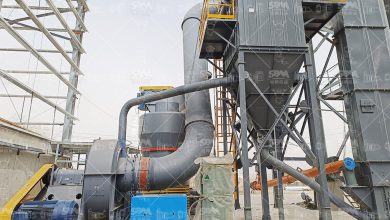
The final product is collected by a cyclone collector or a baghouse pulse dust collector. The clean air is exhausted, while the fine powder is discharged as the finished product. This closed-loop system ensures minimal dust emission and high collection efficiency.
3. Key Applications of Electric Mills
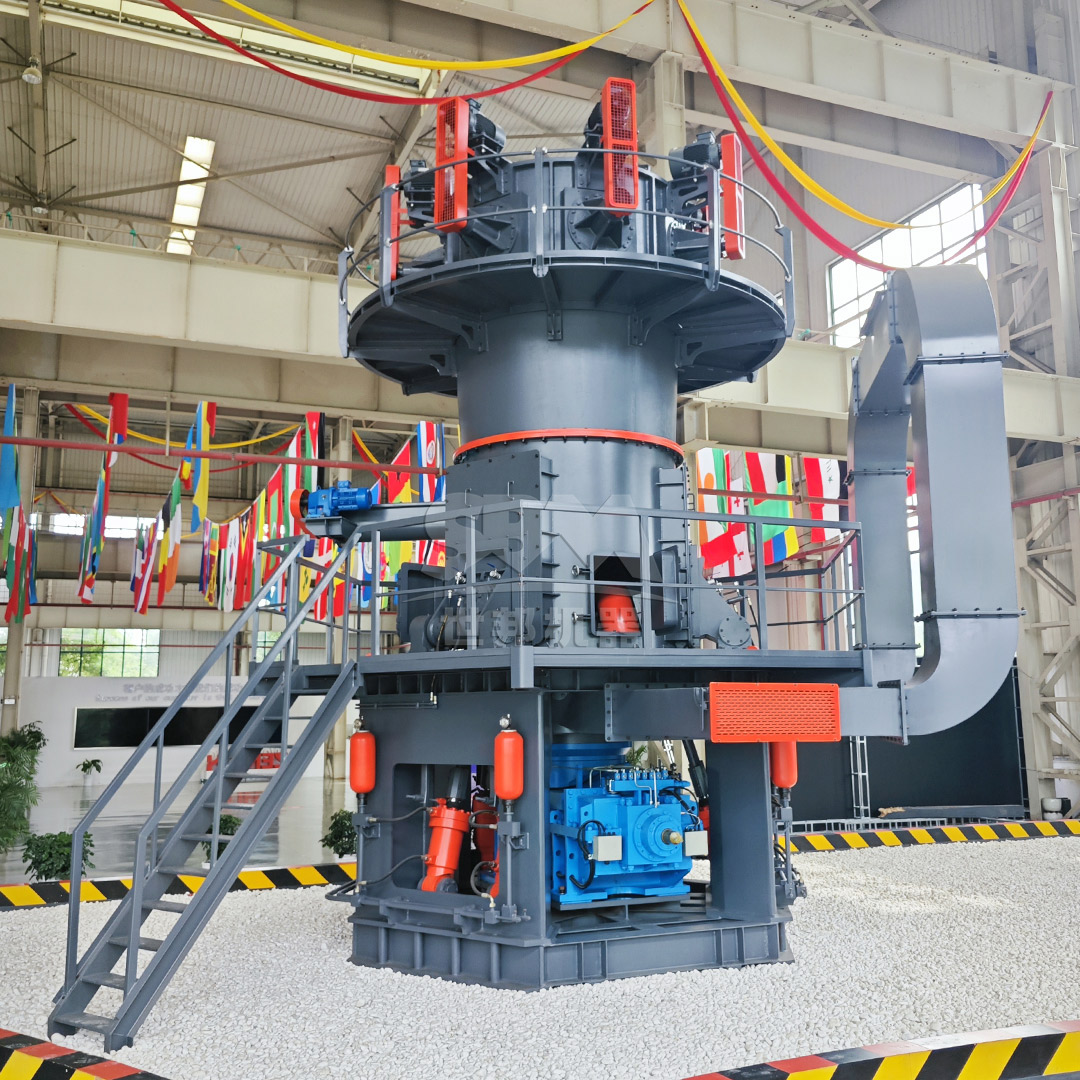
Electric mills are used across a vast number of industries. Their ability to precisely control output fineness makes them suitable for both coarse crushing and ultrafine grinding.
- Mineral Processing: Grinding of ores such as limestone, barite, calcite, marble, kaolin, gypsum, and phosphate rock. Fineness ranges from 30 mesh to 2500 mesh.
- Cement Industry: Raw meal grinding, cement clinker grinding, and coal powder preparation for kiln firing.
- Chemical Industry: Processing of pigments, paints, resins, fertilizers, and other chemical raw materials requiring fine and uniform particle size.
- Power Generation: Pulverized coal preparation for thermal power plants and desulfurization limestone grinding (FGD).
- Metallurgy: Grinding of slag, manganese ore, iron ore, and other materials used in metal smelting processes.
- Non-metallic Minerals: Production of heavy calcium carbonate, talc powder, graphite, and other high-value non-metallic mineral powders.
3.1 Why Choose an Electric Mill?
Electric mills offer several advantages over traditional mechanical mills:
– Energy Efficiency: Electric motors and intelligent control systems optimize power consumption, often reducing energy use by 30-50% compared to older technologies.
– Precise Fineness Control: Dynamic classifiers allow for easy adjustment of the final product fineness, ensuring consistent quality.
– Environmental Compliance: Negative-pressure operation and pulse dust collectors minimize dust leakage, meeting stringent environmental regulations.
– Low Maintenance: Advanced wear-resistant materials and intelligent monitoring extend the service life of wearing parts.
4. Selection Guide for Electric Mills
Choosing the right electric mill is critical to maximizing productivity and profitability. The selection process should consider several key factors:
4.1 Material Characteristics
The physical and chemical properties of the raw material determine the suitable mill type. Key considerations include:
– Hardness: Materials with a Mohs hardness of 1-8 can be processed; harder materials require more robust mills with wear-resistant components.
– Moisture Content: High moisture materials may require a mill with hot air drying capabilities, such as a vertical roller mill with hot air circulation.
– Abrasiveness: Highly abrasive materials necessitate special wear protection for rollers, rings, and classifier blades.
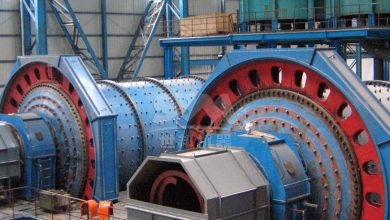
– Feed Size: The maximum feed size must be within the mill’s inlet specification. For example, a ball mill typically requires feed ≤25mm, while a vertical roller mill can accept feed up to 50mm.
4.2 Target Fineness & Capacity
– Fineness: Determine the required particle size (e.g., 325 mesh / 45μm for most industrial powders, or 2500 mesh / 5μm for ultrafine applications). For coarse grinding (30-325 mesh), MTW or MTM trapezium mills are ideal. For ultrafine grinding (325-2500 mesh), SCM ultrafine mills or LUM vertical roller mills are recommended.
– Capacity: Estimate the required tonnage per hour. Small-scale operations may require 0.5-10 t/h, while large industrial plants may need 50-250 t/h. Vertical roller mills and ball mills are best suited for high-capacity demands.
4.3 Energy Consumption & Cost Efficiency
Energy costs are a significant part of grinding operations. Mills with higher energy efficiency will provide a faster return on investment. For example, our SCM Series Ultrafine Mill achieves 2x the capacity of jet mills while consuming 30% less energy. Similarly, the LM Series Vertical Roller Mill offers 30-40% lower energy consumption compared to ball mill systems.
4.4 Ease of Maintenance & Operation
Look for mills with modular designs, quick-change wear parts, and intelligent control systems. Features like automatic lubrications systems and remote monitoring reduce downtime and manual labor.
5. Recommended Product: SCM Series Ultrafine Mill
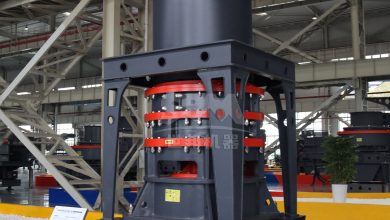
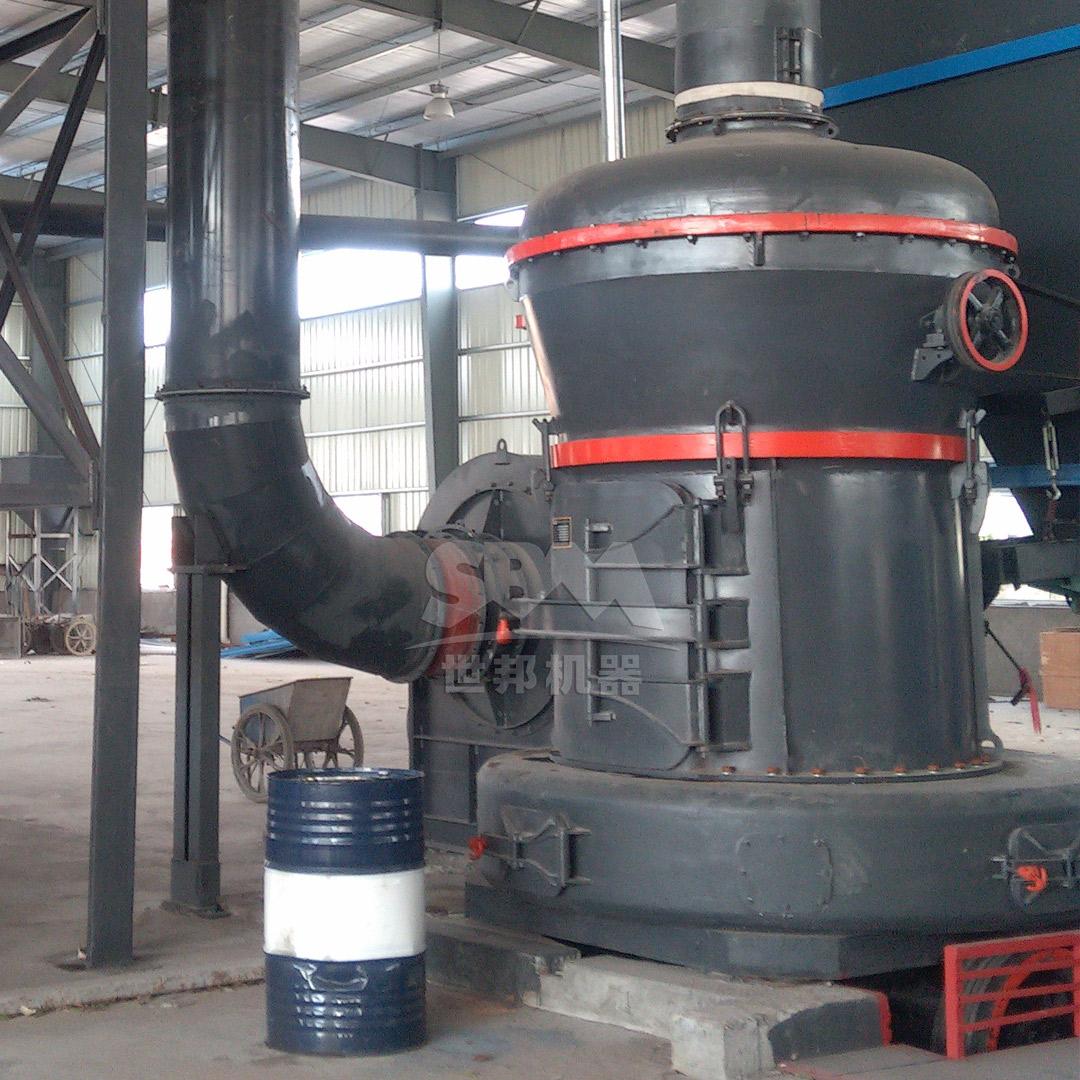
For applications requiring ultrafine powders between 325 and 2500 mesh, we highly recommend the SCM Series Ultrafine Mill. This mill is engineered for high efficiency, energy savings, and superior product quality.
- Input Size: ≤20mm
- Output Fineness: 325-2500 mesh (45-5μm)
- Capacity: 0.5-25 ton/h (model dependent)
- Key Advantages: Capacity is 2x that of jet mills with 30% lower energy consumption. Intelligent control with automatic finished product granularity feedback. The vertical turbine classifier achieves precise particle size cutting with no coarse powder mixing. Special material rollers and rings extend service life several times over. Pulse dust collection efficiency exceeds international standards, and soundproof design ensures low noise levels.
SCM Models & Specifications
| Model | Capacity (t/h) | Main Power (kW) | Feed Size (mm) | Fineness (mesh) |
|---|---|---|---|---|
| SCM800 | 0.5-4.5 | 75 | 0-20 | 325-2500 |
| SCM900 | 0.8-6.5 | 90 | 0-20 | 325-2500 |
| SCM1000 | 1.0-8.5 | 132 | 0-20 | 325-2500 |
| SCM1250 | 2.5-14 | 185 | 0-20 | 325-2500 |
| SCM1680 | 5.0-25 | 315 | 0-20 | 325-2500 |
The SCM series is ideal for grinding non-metallic minerals like calcite, marble, limestone, and barite into ultra-fine powders for plastics, rubber, paper, and coatings industries.
6. Recommended Product: LM Series Vertical Roller Mill
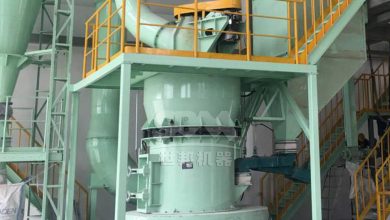
For high-capacity grinding of materials in the 30-325 mesh range, the LM Series Vertical Roller Mill is an excellent choice. It integrates crushing, grinding, drying, and classification into one unit, significantly reducing floor space and infrastructure costs.
- Input Size: ≤50mm
- Output Fineness: 30-325 mesh (up to 600 mesh for special models)
- Capacity: 3-250 ton/h (model dependent)
- Key Advantages: System integrates crushing, grinding, and selection with floor space reduced by 50%. Outdoor installation possible, reducing infrastructure costs by 40%. Non-contact design between rollers and table increases wear part life by 3x, and energy consumption is 30-40% lower than ball mill systems. Expert-level auto-control system supports remote/local switching. Fully sealed negative pressure operation ensures dust emissions below national standards and low noise levels.
LM Series (Mineral Mill) Models & Specifications
| Model | Table Diameter (mm) | Capacity (t/h) | Fineness (μm) | Feed Size (mm) | Power (kW) |
|---|---|---|---|---|---|
| LM130K | 1300 | 10-28 | 170-40 | ≤38 | 200 |
| LM150K | 1500 | 13-38 | 170-40 | ≤40 | 280 |
| LM190K | 1900 | 23-68 | 170-40 | ≤45 | 500 |
| LM220K | 2200 | 36-105 | 170-45 | ≤50 | 800 |
| LM280K | 2800 | 50-170 | 170-45 | ≤50 | 1250 |
The LM series is widely used in cement raw meal grinding, coal powder preparation, slag grinding, and high-volume mineral powder production.
7. Conclusion
Electric mills represent the future of efficient, sustainable, and precise material processing. By understanding your material’s characteristics, target fineness, and capacity requirements, you can select the optimal mill to maximize your return on investment. Whether you need ultra-fine powder for high-value chemical products or high-volume grinding for cement and mineral processing, there is an electric mill solution designed to meet your needs.
We invite you to learn more about our complete range of electric mills, including the SCM Ultrafine Mill, LM Vertical Roller Mill, MTW Trapezium Mill, and others. Contact our technical team today for a customized selection and quotation.